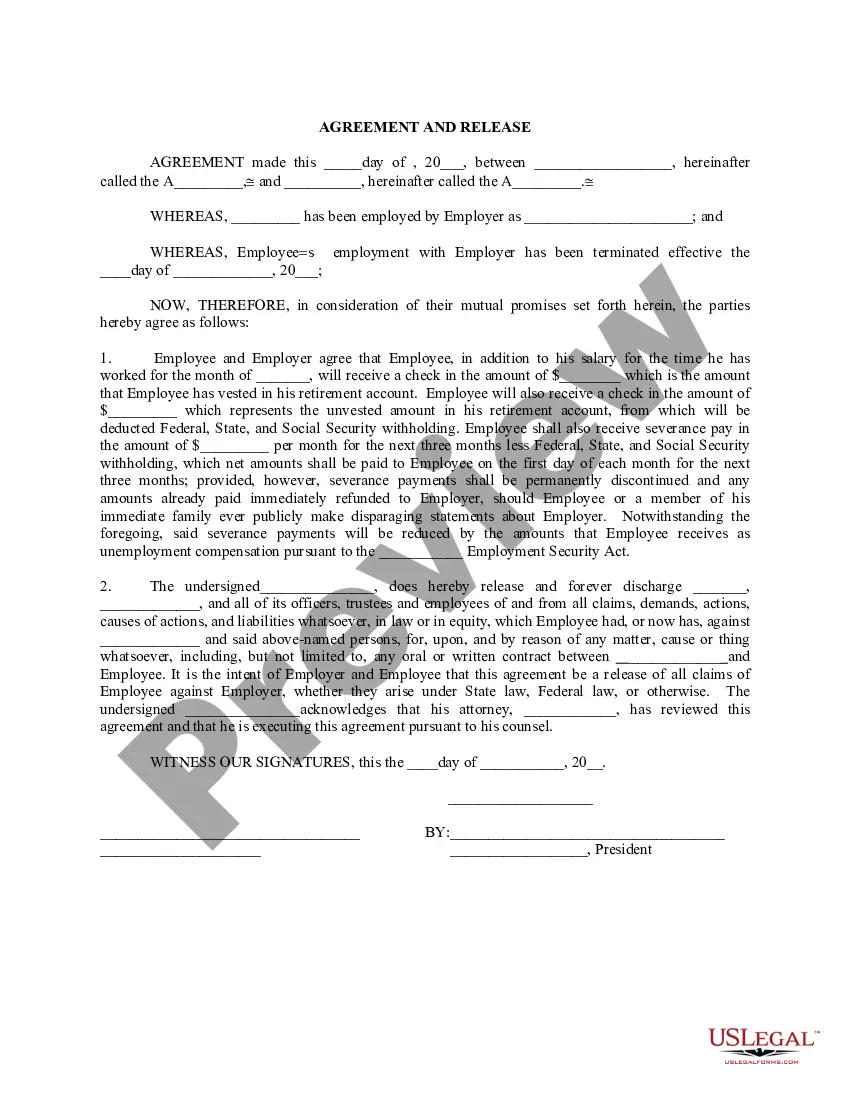
Severance Agreement Form With Cobra In Phoenix
Description

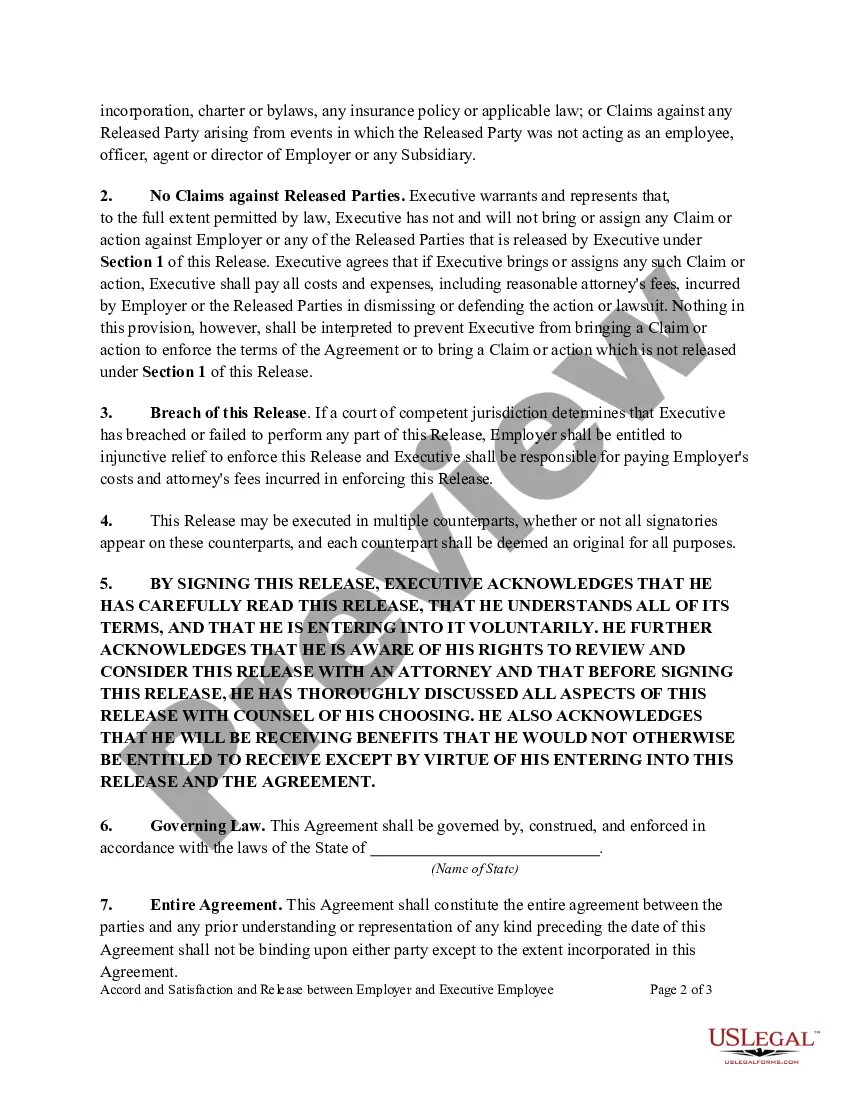
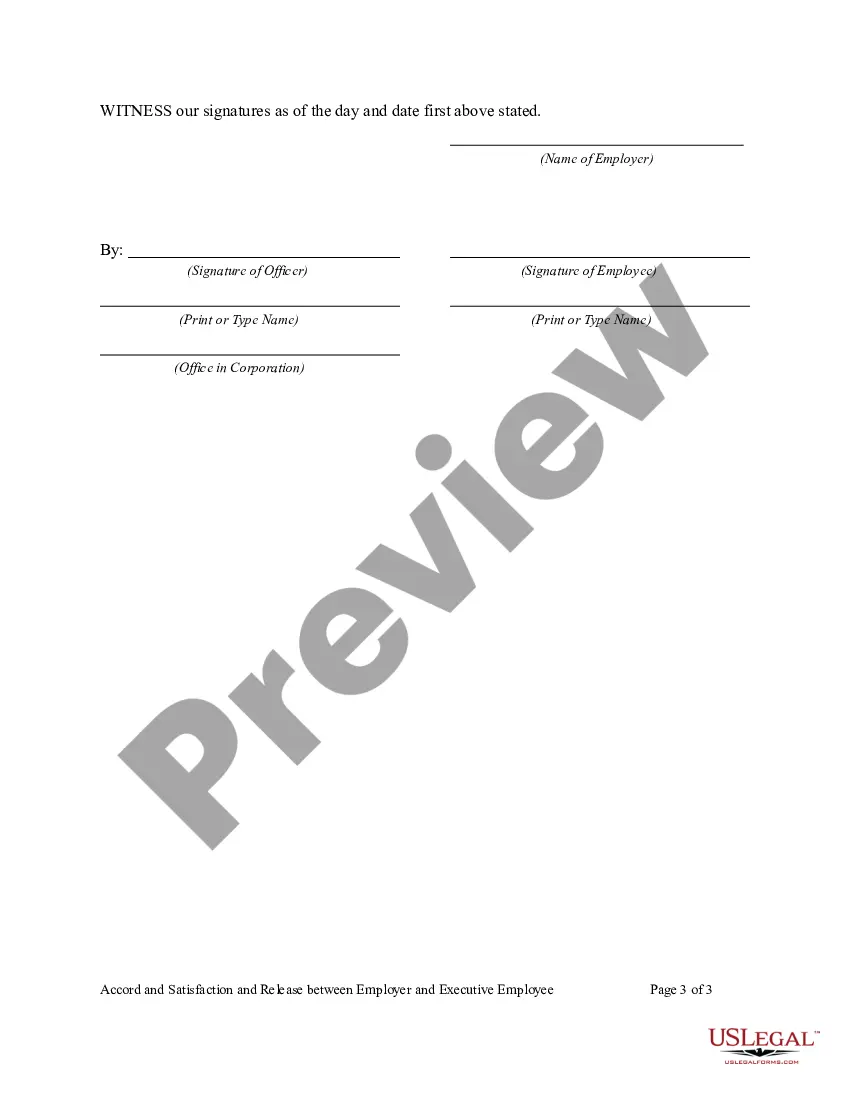
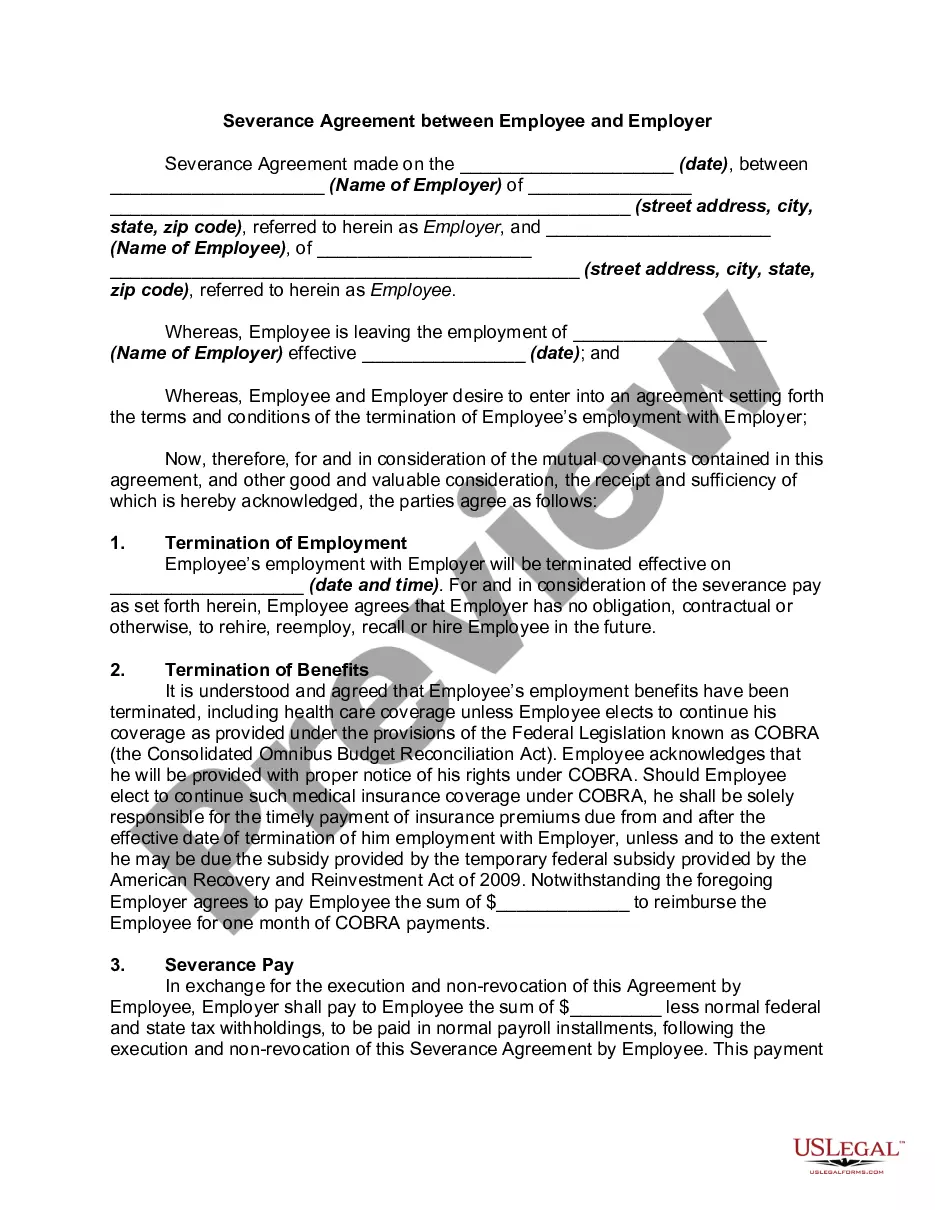
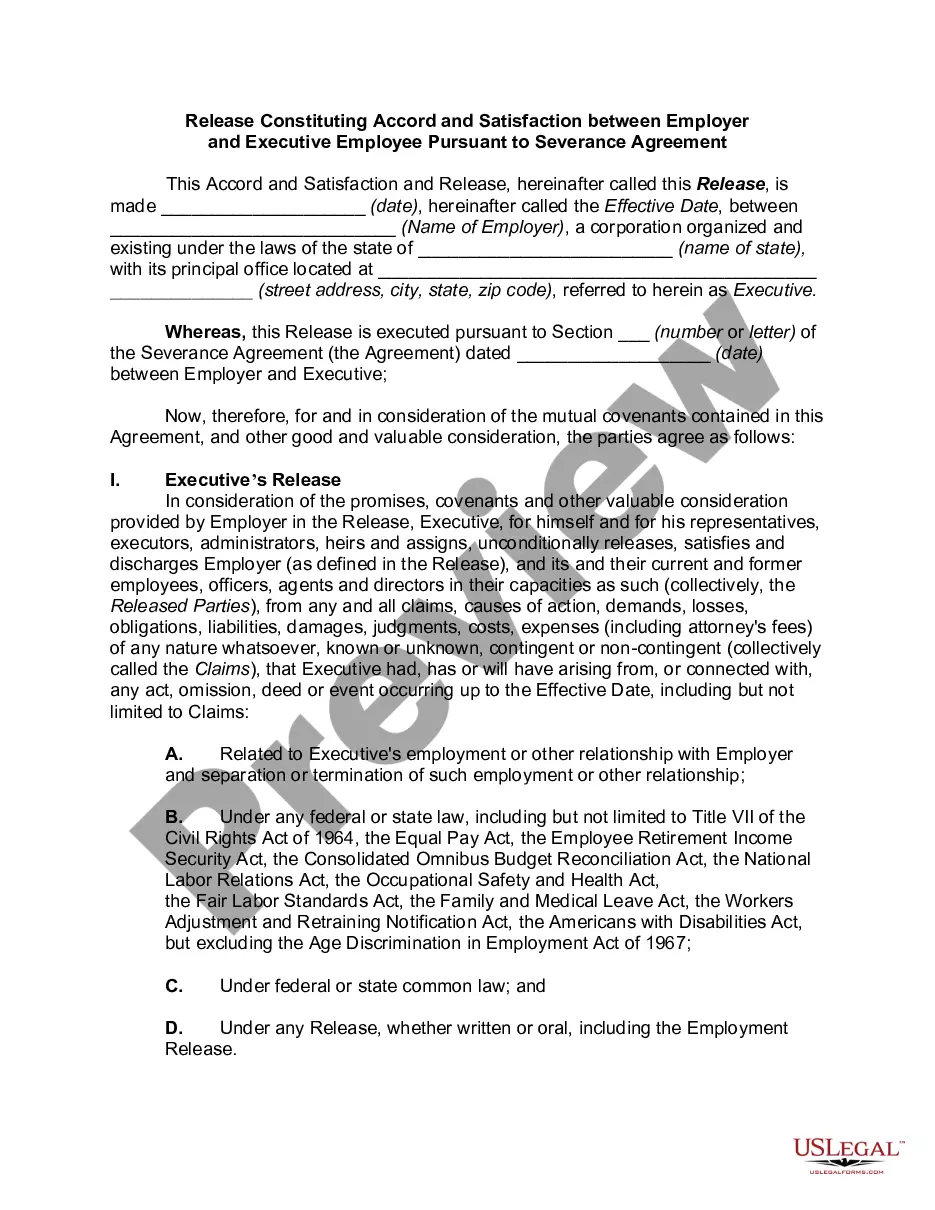
Get your form ready online
Our built-in tools help you complete, sign, share, and store your documents in one place.
Make edits, fill in missing information, and update formatting in US Legal Forms—just like you would in MS Word.
Download a copy, print it, send it by email, or mail it via USPS—whatever works best for your next step.
Sign and collect signatures with our SignNow integration. Send to multiple recipients, set reminders, and more. Go Premium to unlock E-Sign.
If this form requires notarization, complete it online through a secure video call—no need to meet a notary in person or wait for an appointment.
We protect your documents and personal data by following strict security and privacy standards.

Make edits, fill in missing information, and update formatting in US Legal Forms—just like you would in MS Word.

Download a copy, print it, send it by email, or mail it via USPS—whatever works best for your next step.

Sign and collect signatures with our SignNow integration. Send to multiple recipients, set reminders, and more. Go Premium to unlock E-Sign.

If this form requires notarization, complete it online through a secure video call—no need to meet a notary in person or wait for an appointment.

We protect your documents and personal data by following strict security and privacy standards.
Looking for another form?





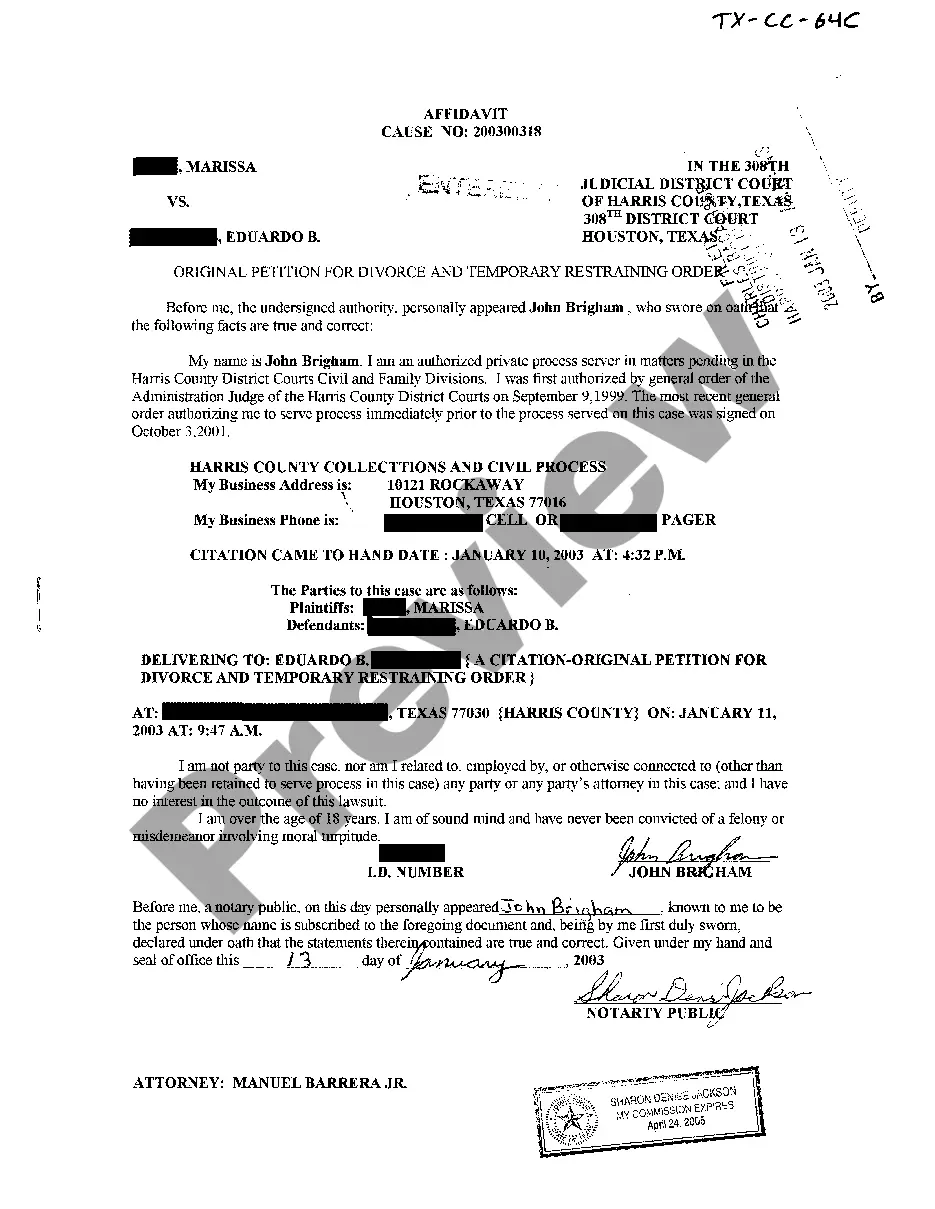

Form popularity
FAQ
Neither the California Labor Code nor the federal Fair Labor Standards Act require employers to offer severance agreements to departing employees. Instead, severance agreements are provided by employers to accomplish a specific goal.
The Consolidated Omnibus Budget Reconciliation Act of 1985 (COBRA), entitles you to elect continued coverage under the group health plan if you will no longer have benefits with Benefit Options because of one of the following qualifying events: End of employment. Reduction in the hours of employment.
When it's time to stop or cancel your coverage, you would need to make a request from the plan administrator to receive a letter of notice of COBRA termination. Typically, the COBRA Administrator is in the HR department or is a third-party administrator.
The notice must be given as soon as practicable after the decision is made, and it must include the date coverage will terminate, the reason for termination, and any rights the beneficiary may have under the plan or applicable law to elect alternative group or individual coverage.
The U.S. Congress passed COBRA in 1985 to help Americans who lose their employer-sponsored group health insurance. Under COBRA, an employee who has experienced a qualifying event can continue to carry their employer's business health insurance for up to 18 or 36 months, depending on the circumstances.
While COBRA is temporary, in most circumstances, you can stay on COBRA for 18 to 36 months.
Examples of illegal reptiles in Arizona (without proper permits or licenses) include exotic venomous reptiles, such as cobra, mambas, cottonmouths, copperheads, etc., endangered or protected species, and almost any non-pet trade animal.
Because Cobra Help is not the carrier, in order to find out about the status of your enrollment, you may contact your insurance carrier directly and speak with the eligibility department. If you need help, call us. Qualified Beneficiaries are typically eligible for 18 or 36 months of COBRA continuation coverage.