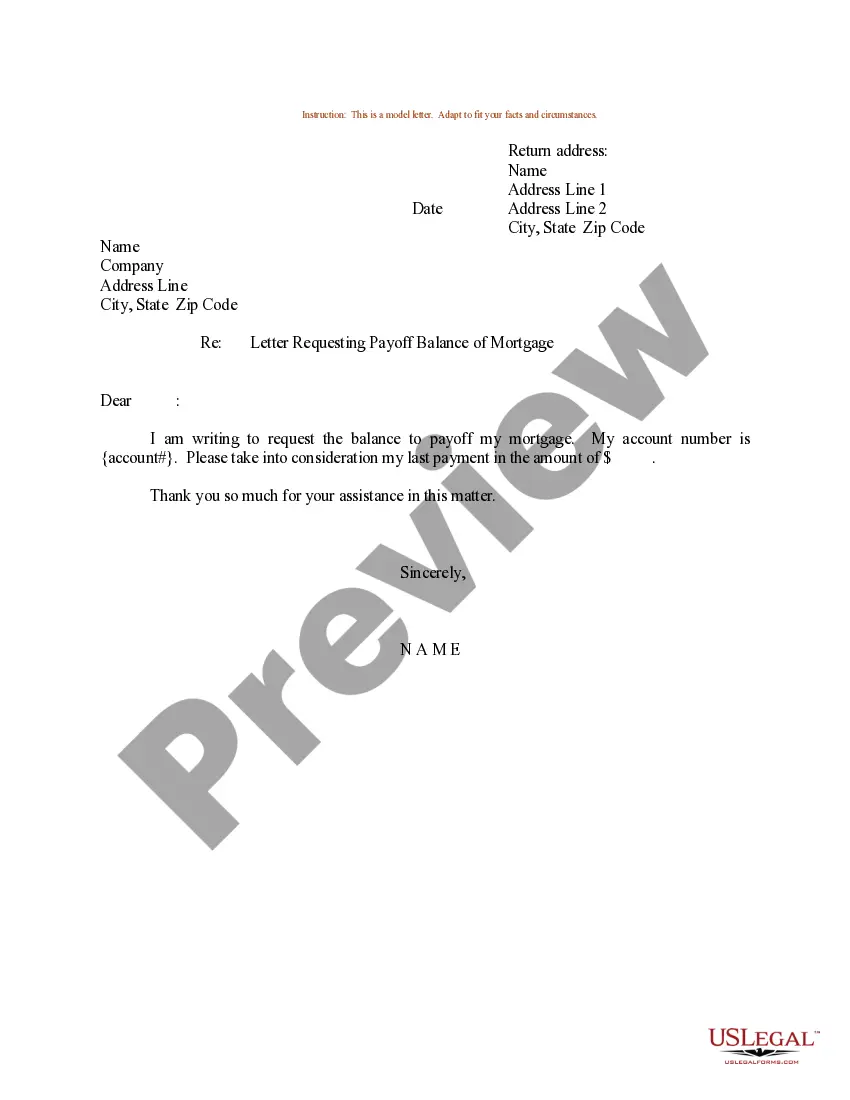
Payoff Letter Format In Santa Clara
Description
Get your form ready online
Our built-in tools help you complete, sign, share, and store your documents in one place.
Make edits, fill in missing information, and update formatting in US Legal Forms—just like you would in MS Word.
Download a copy, print it, send it by email, or mail it via USPS—whatever works best for your next step.
Sign and collect signatures with our SignNow integration. Send to multiple recipients, set reminders, and more. Go Premium to unlock E-Sign.
If this form requires notarization, complete it online through a secure video call—no need to meet a notary in person or wait for an appointment.
We protect your documents and personal data by following strict security and privacy standards.

Make edits, fill in missing information, and update formatting in US Legal Forms—just like you would in MS Word.

Download a copy, print it, send it by email, or mail it via USPS—whatever works best for your next step.

Sign and collect signatures with our SignNow integration. Send to multiple recipients, set reminders, and more. Go Premium to unlock E-Sign.

If this form requires notarization, complete it online through a secure video call—no need to meet a notary in person or wait for an appointment.

We protect your documents and personal data by following strict security and privacy standards.
Looking for another form?




Form popularity
FAQ
How to Write a Payoff Letter: Step-by-Step Guide Step 1: Gather necessary information. Step 2: Format your letter. Step 3: Clearly state your intentions. Step 4: Detail the necessary information. Step 5: Request written confirmation. Step 6: Offer contact information. Step 7: Proofread and submit.
Under federal law, the servicer must generally send you a payoff statement within seven business days of your request, subject to a few exceptions. (12 C.F.R. § 1026.36.)
First, you'll need to contact your lender and let them know you want the information. Depending on your lender, you may have to sign in to an online account, call a helpline, or send a formal letter to start the request process.
The statement is provided by the mortgage servicer and can be requested at any time. Accurate payoff information is crucial for managing financial decisions related to property ownership.
In California, you're typically required to send a small claims demand letter to the defendant before filing a small claims case.
If you missed a court date and would like to reschedule, you can place your matter back on calendar by contacting the Clerk's Office at the courthouse where your case was heard. You may go in person, or call.
How do I tell the Court that my address has changed? The Notice of Change of Address form is a state form, MC-040 . You can access it and complete it online. File the completed original and the copy at the Court where your case was heard - see list of courthouses.
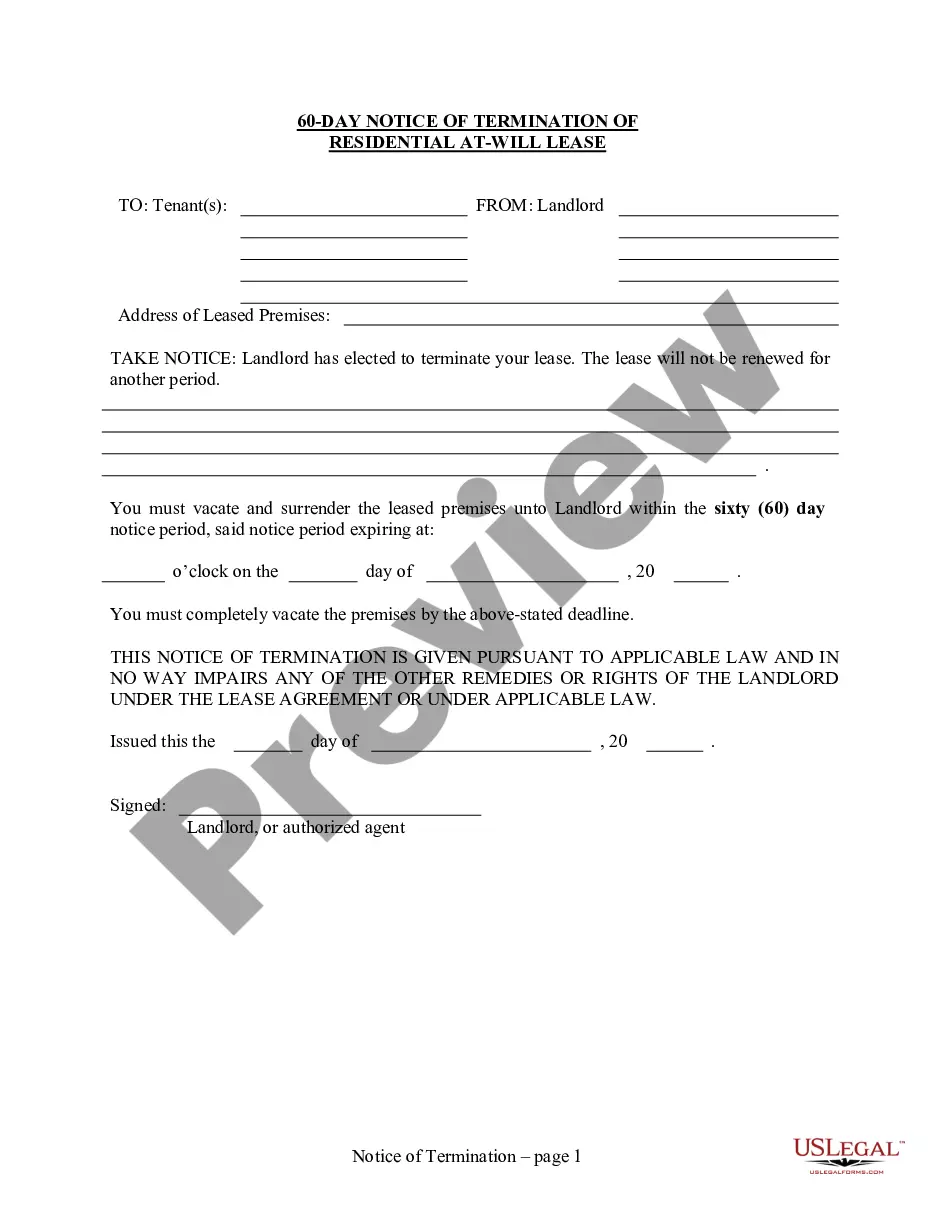
YOU NEED TO CHANGE COURTS? To move your case to another court, you must make a “Motion to Change Venue” in writing, and file one copy with the Court where your case is currently located and another copy with the Department of Homeland Security.
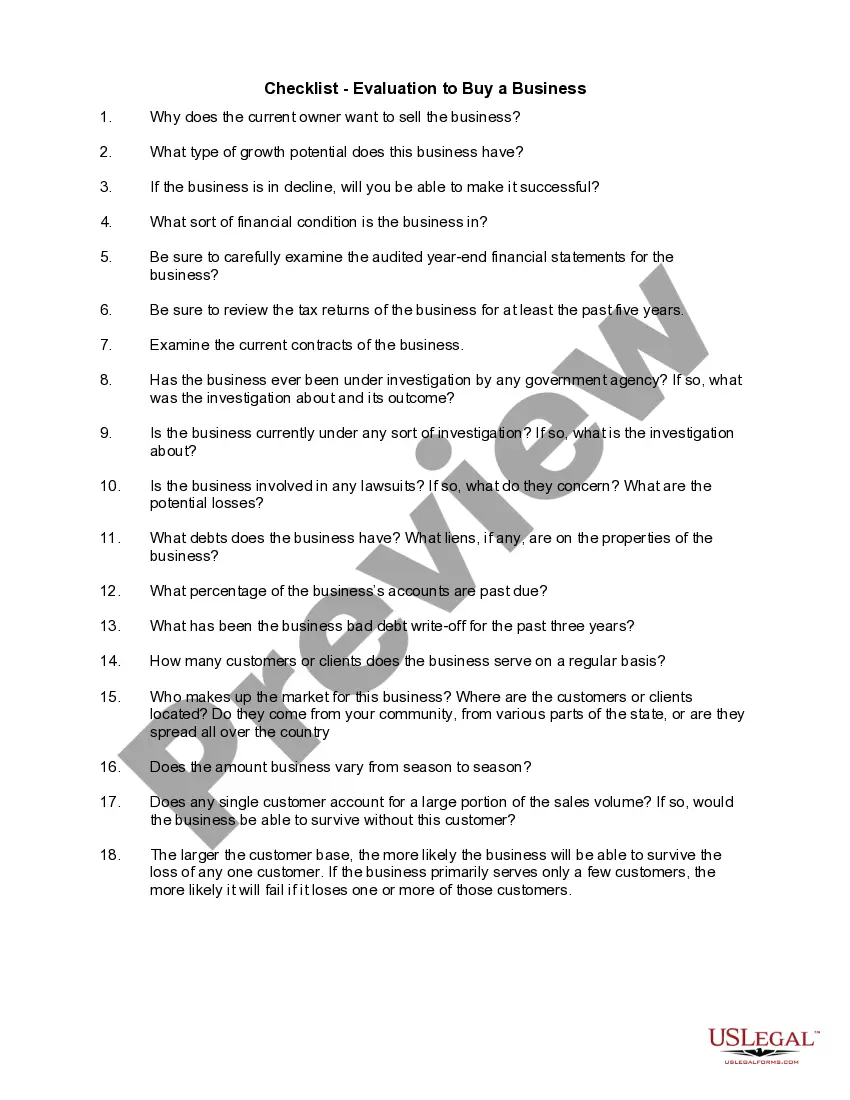
Frequently Asked Questions (FAQ) Type your letter. Concisely review the main facts. Be polite. Write with your goal in mind. Ask for exactly what you want. Set a deadline. End the letter by stating you will promptly pursue legal remedies if the other party does not meet your demand. Make and keep copies.
Court Code 43470, as part of a broader set of regulations, governs specific aspects of civil litigation, particularly regarding the filing and processing of documents within Santa Clara County Superior Court.

