Payoff Form Statement For Graduate School In Hillsborough
Description
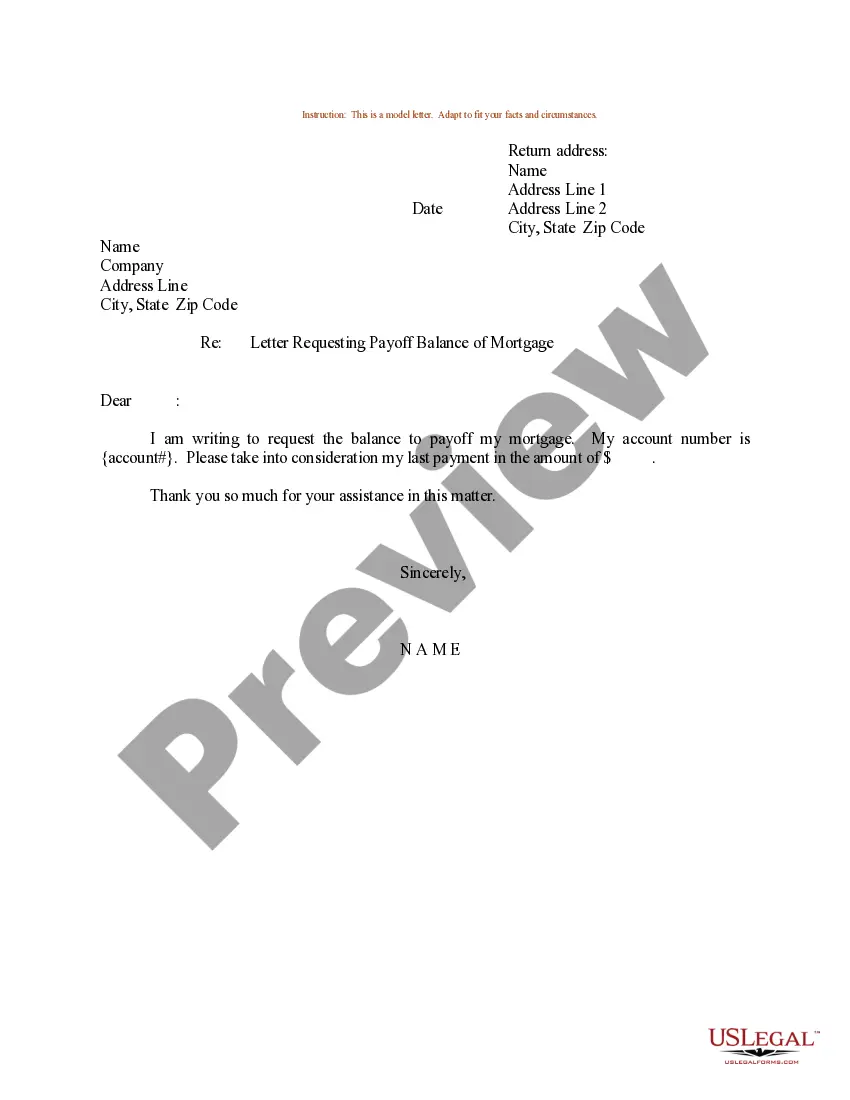
Get your form ready online
Our built-in tools help you complete, sign, share, and store your documents in one place.
Make edits, fill in missing information, and update formatting in US Legal Forms—just like you would in MS Word.
Download a copy, print it, send it by email, or mail it via USPS—whatever works best for your next step.
Sign and collect signatures with our SignNow integration. Send to multiple recipients, set reminders, and more. Go Premium to unlock E-Sign.
If this form requires notarization, complete it online through a secure video call—no need to meet a notary in person or wait for an appointment.
We protect your documents and personal data by following strict security and privacy standards.

Make edits, fill in missing information, and update formatting in US Legal Forms—just like you would in MS Word.

Download a copy, print it, send it by email, or mail it via USPS—whatever works best for your next step.

Sign and collect signatures with our SignNow integration. Send to multiple recipients, set reminders, and more. Go Premium to unlock E-Sign.

If this form requires notarization, complete it online through a secure video call—no need to meet a notary in person or wait for an appointment.

We protect your documents and personal data by following strict security and privacy standards.
Looking for another form?



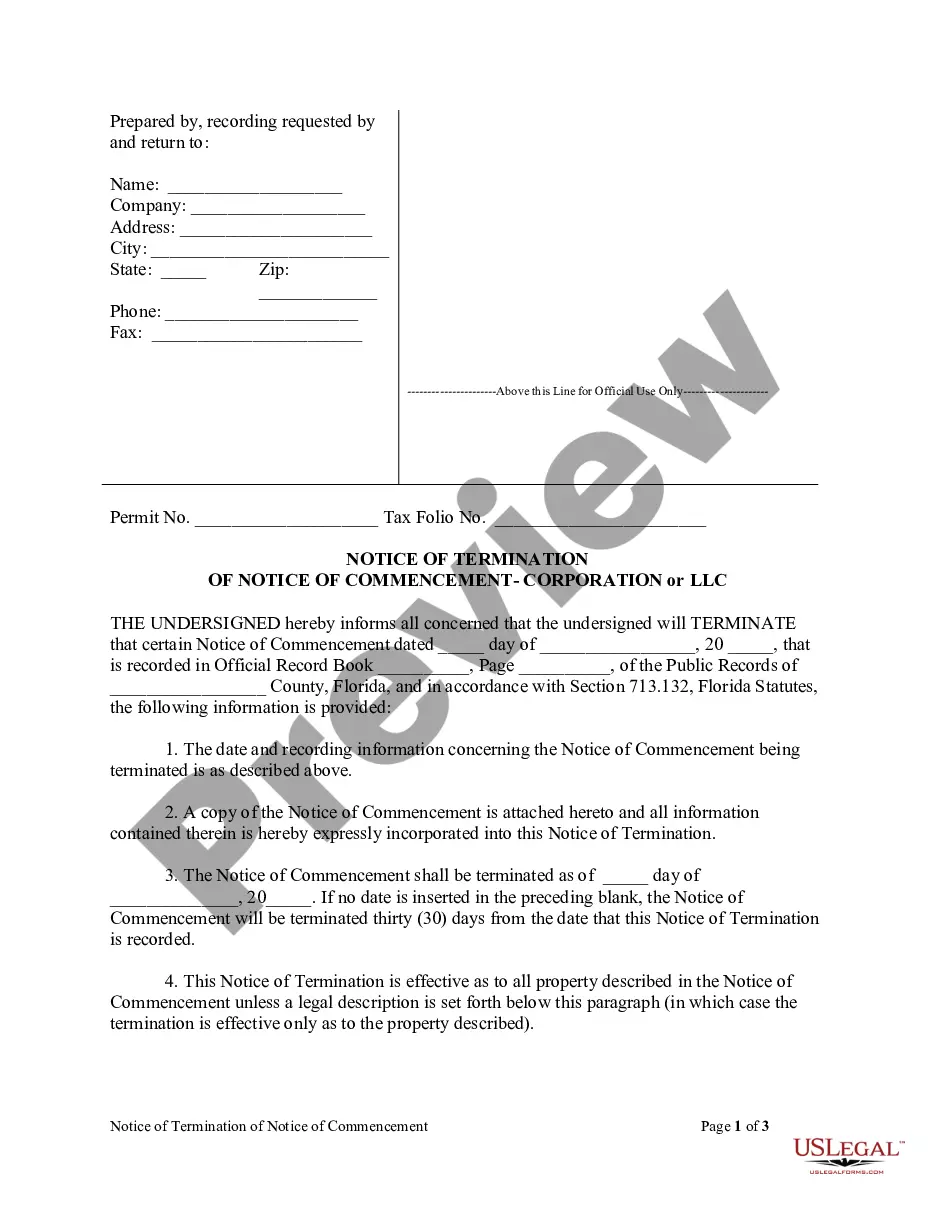





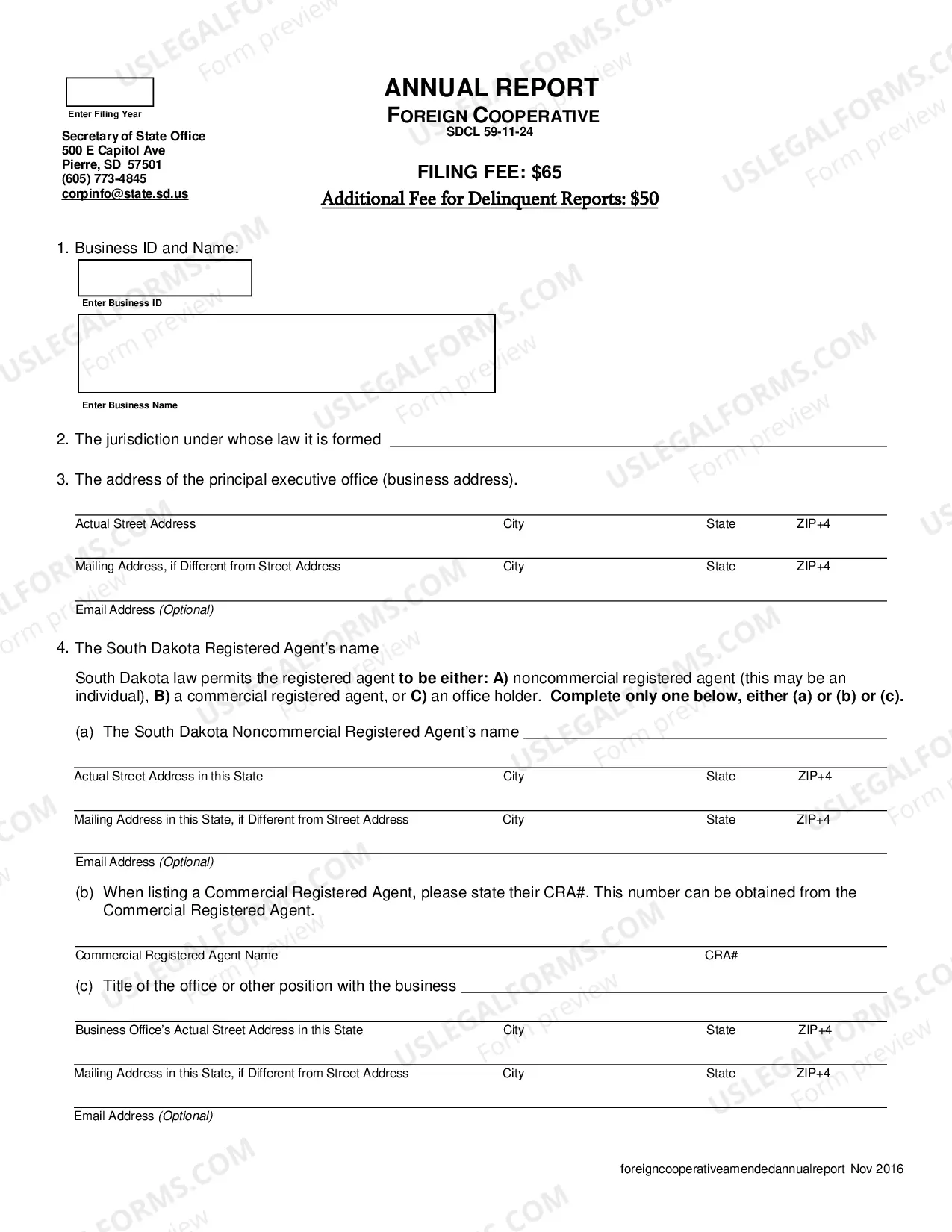
Form popularity
FAQ
The statement is provided by the mortgage servicer and can be requested at any time. Accurate payoff information is crucial for managing financial decisions related to property ownership.
Under federal law, the servicer must generally send you a payoff statement within seven business days of your request, subject to a few exceptions.
To get a payoff letter, ask your lender for an official payoff statement. Call or write to customer service or make the request online. While logged into your account, look for options to request or calculate a payoff amount, and provide details such as your desired payoff date.
Top Tips for Writing a Graduate School Personal Statement Pick a few points to emphasize about yourself. Introduce yourself to the admissions board. Be very specific. Do your research. Address any gaps or discrepancies. Strike the right tone. Start strong and finish strong. Proofread, proofread and proofread again.
To make the statement easier to read, applicants should follow the following rules: Use 1-inch margins. Use a traditional Serif font. Use a standard 12-font size. Use 1.5- or double-spacing. Add a Header with your First Name, Last Name, university, and other required information. Clearly separate your paragraphs.
The personal statement can enable the writer to make a positive first impression, to relate past experiences, to present future goals, to describe special attributes, to demonstrate the applicant's match for the profession, to present personal values, and to reveal how your interest in the career developed.
Just start by showing your enthusiasm for the subject, showcasing your knowledge and understanding, and sharing your ambitions of what you want to achieve. Avoid cliches! Remember, this opening part is simply about introducing yourself, so let the admissions tutor reading your personal statement get to know you.
How to Write a Compelling Personal Statement for Graduate School Tips Before You Start Writing. Be Authentic and Reflect. Demonstrate Motivation. Highlight Experiences. Convey Writing Skills. What You Should Include in Your Personal Statement. Introduction. Personal Background. Motivation and Goals. Relevance of Experience.
Follow these steps to write an effective statement of intent: Introduce yourself. Explain more about your educational background. Discuss your work experience. Write about your academic interests. Include your long-term goals. Proofread your statement.
Connect your area of interest to work being done in the program (mention specific faculty members and projects). Refer to academic publications that have informed your interest (use correct citation as footnote). Mention any publications, presentations or conferences you have been a part of.

