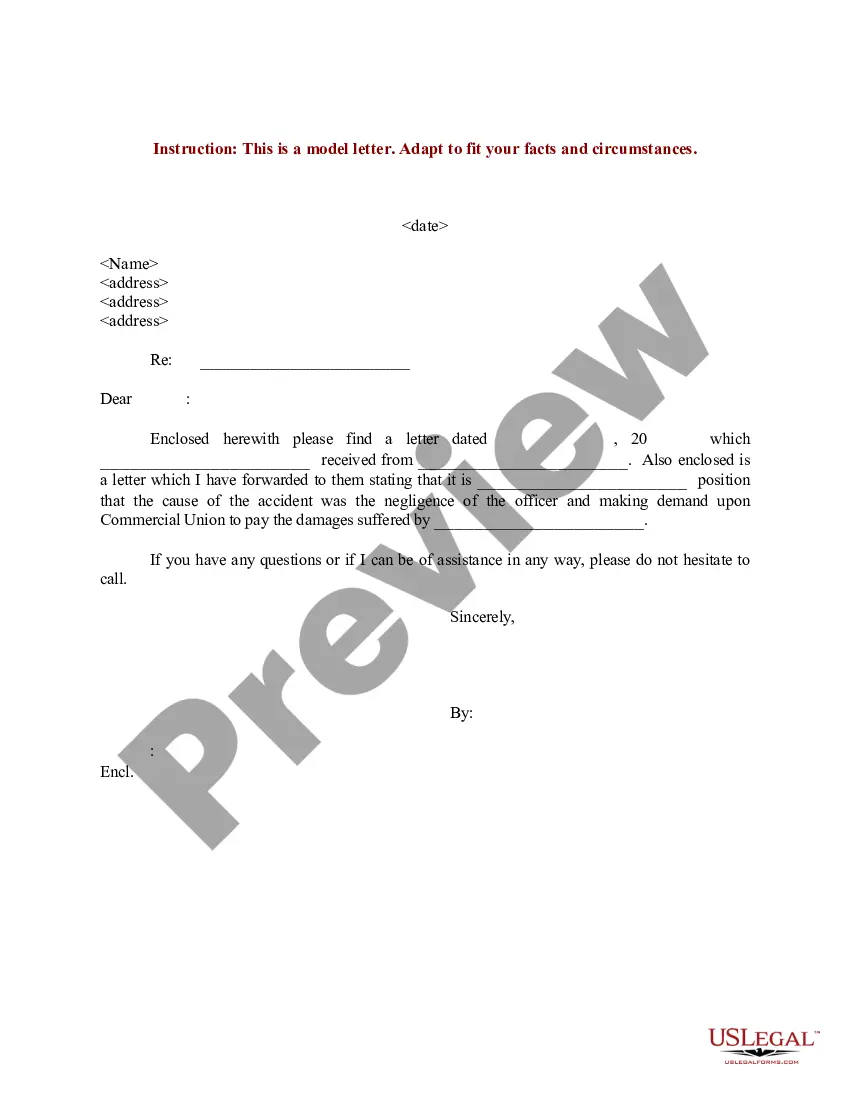
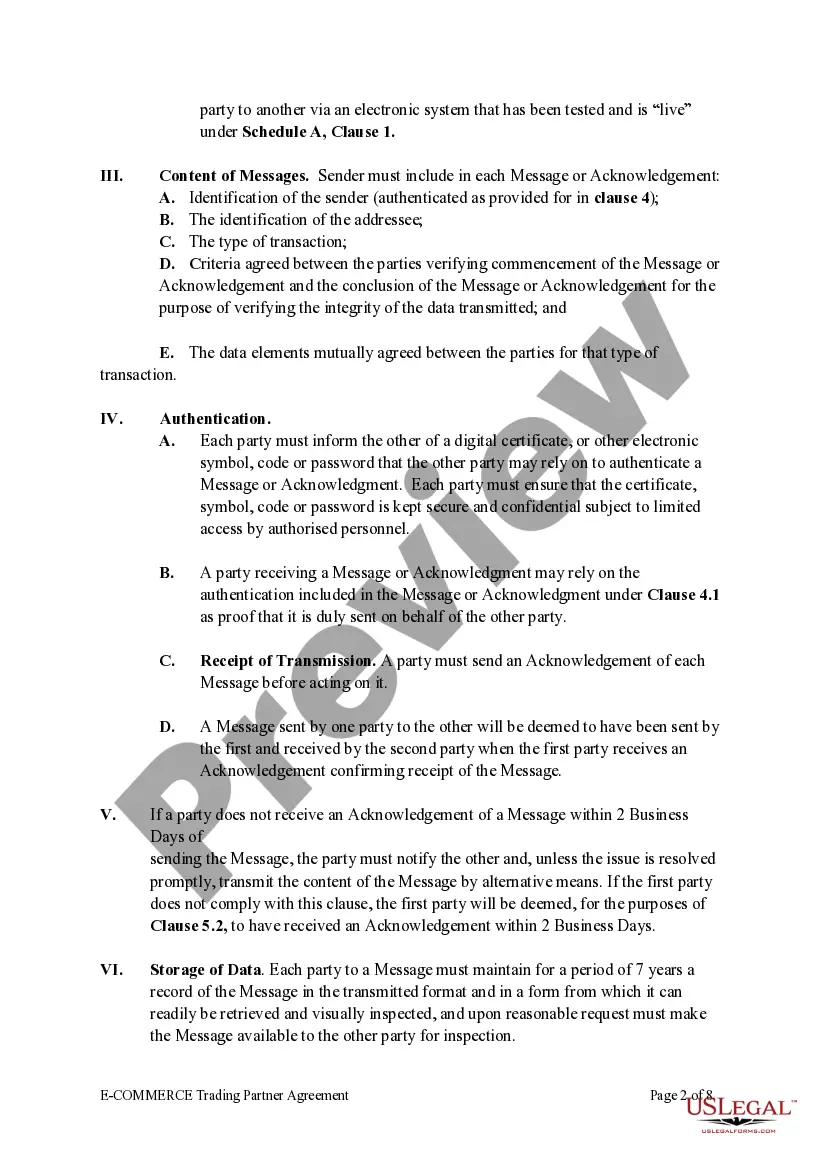
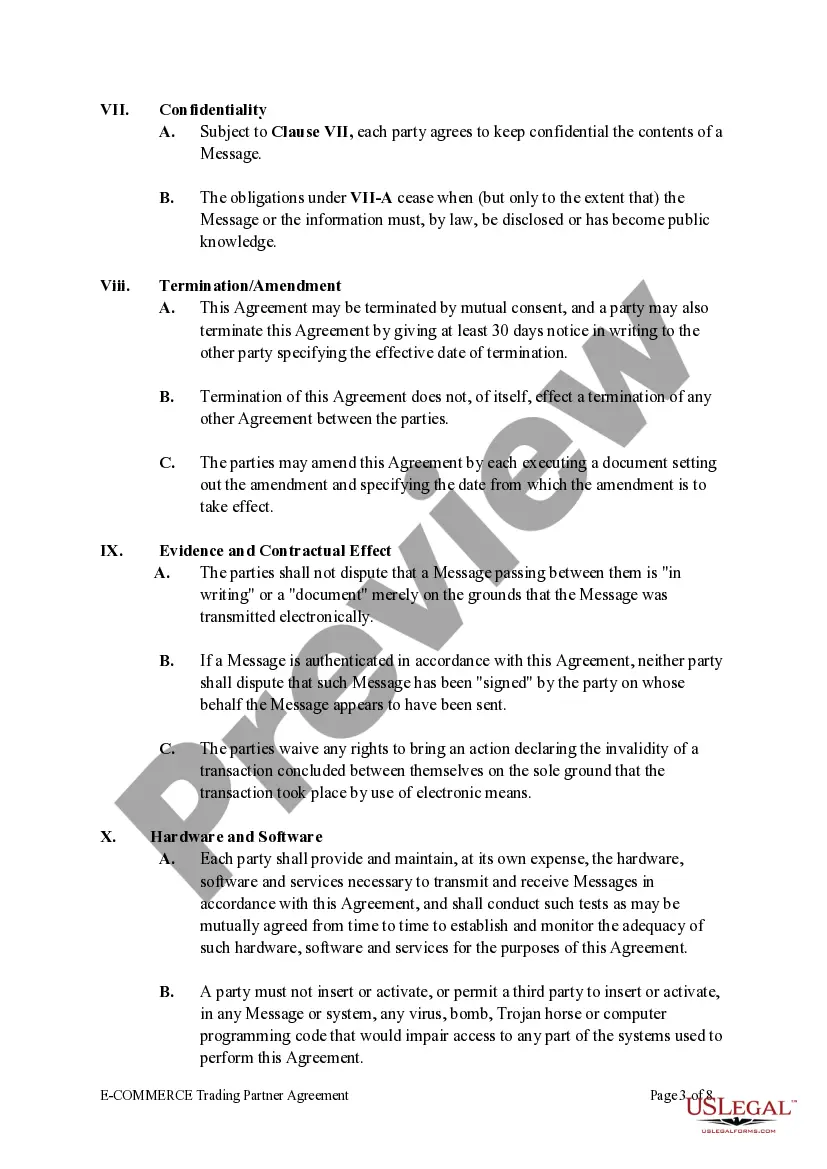
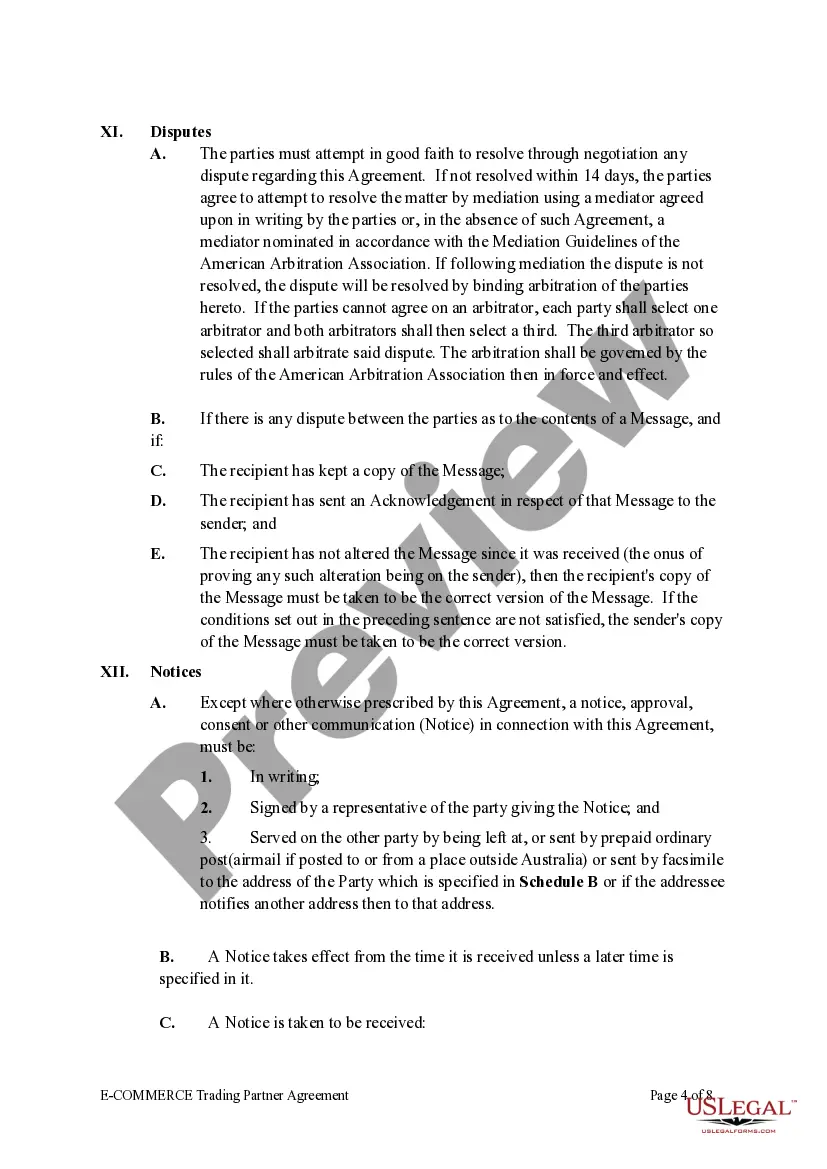
E Commerce Agreement Format In Utah
Description

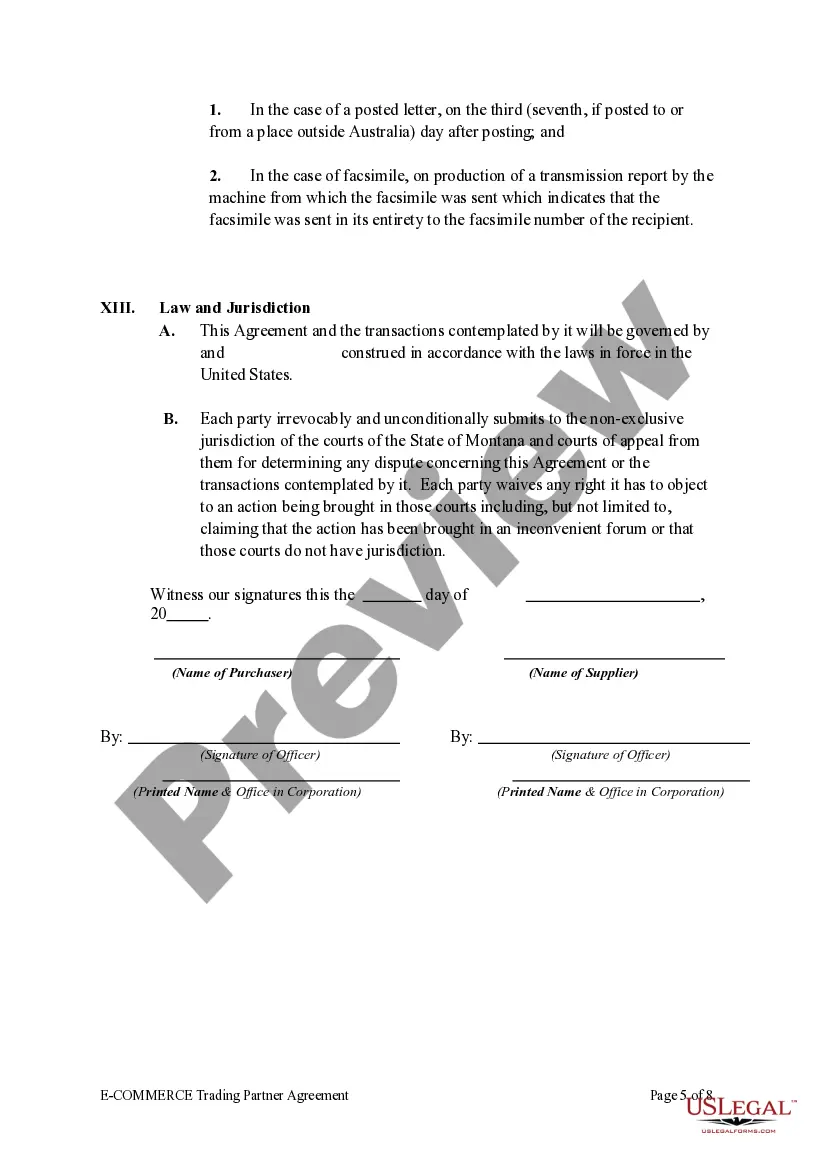
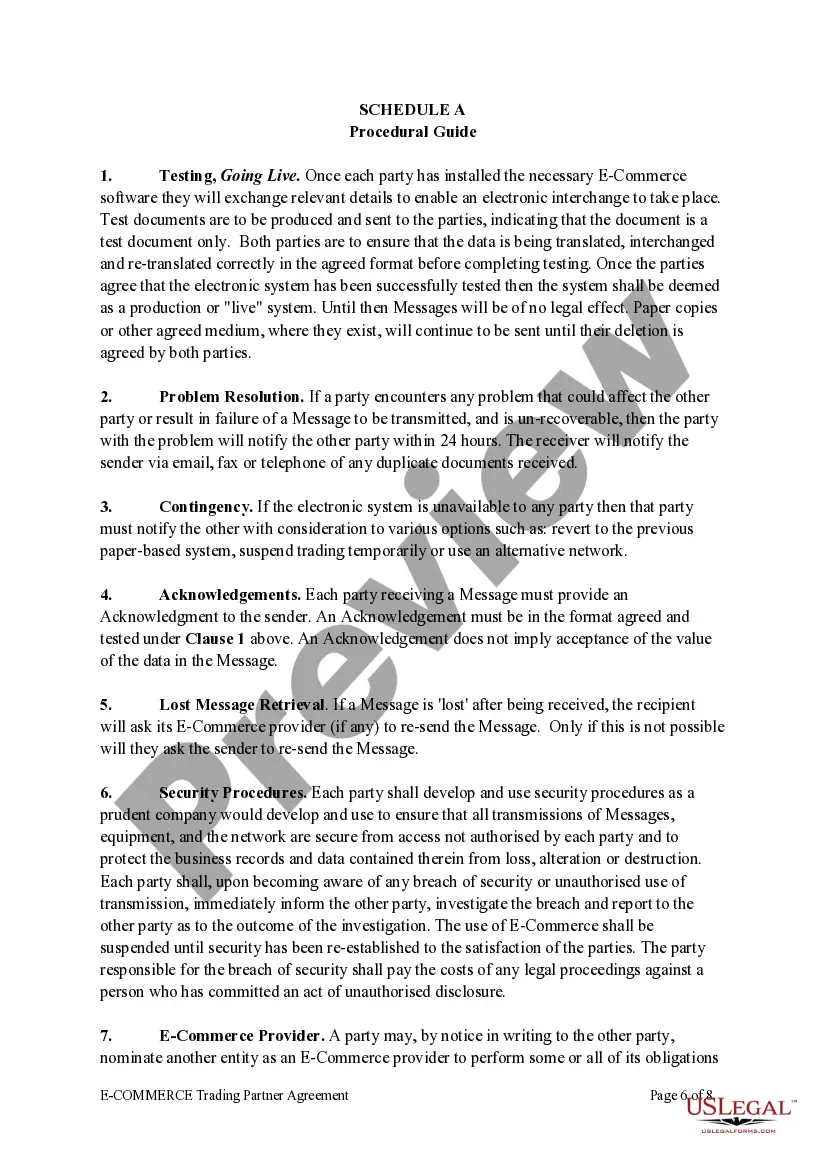
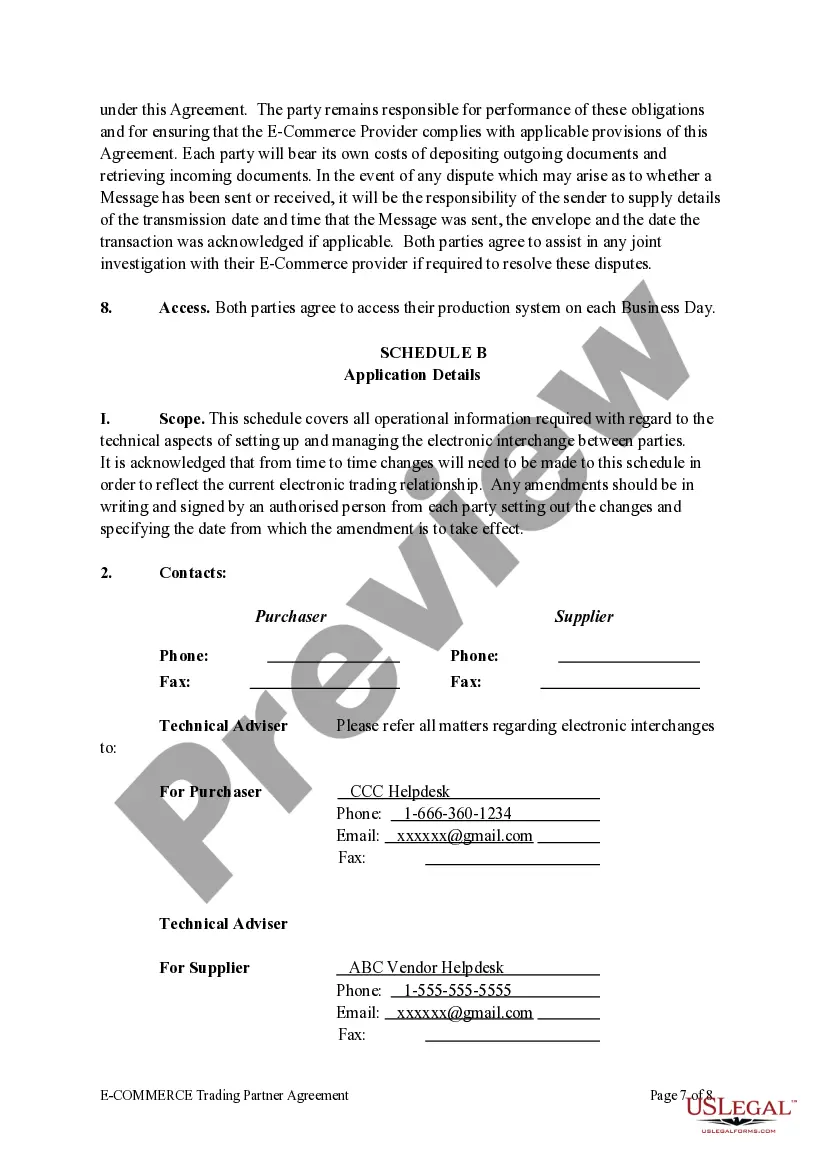

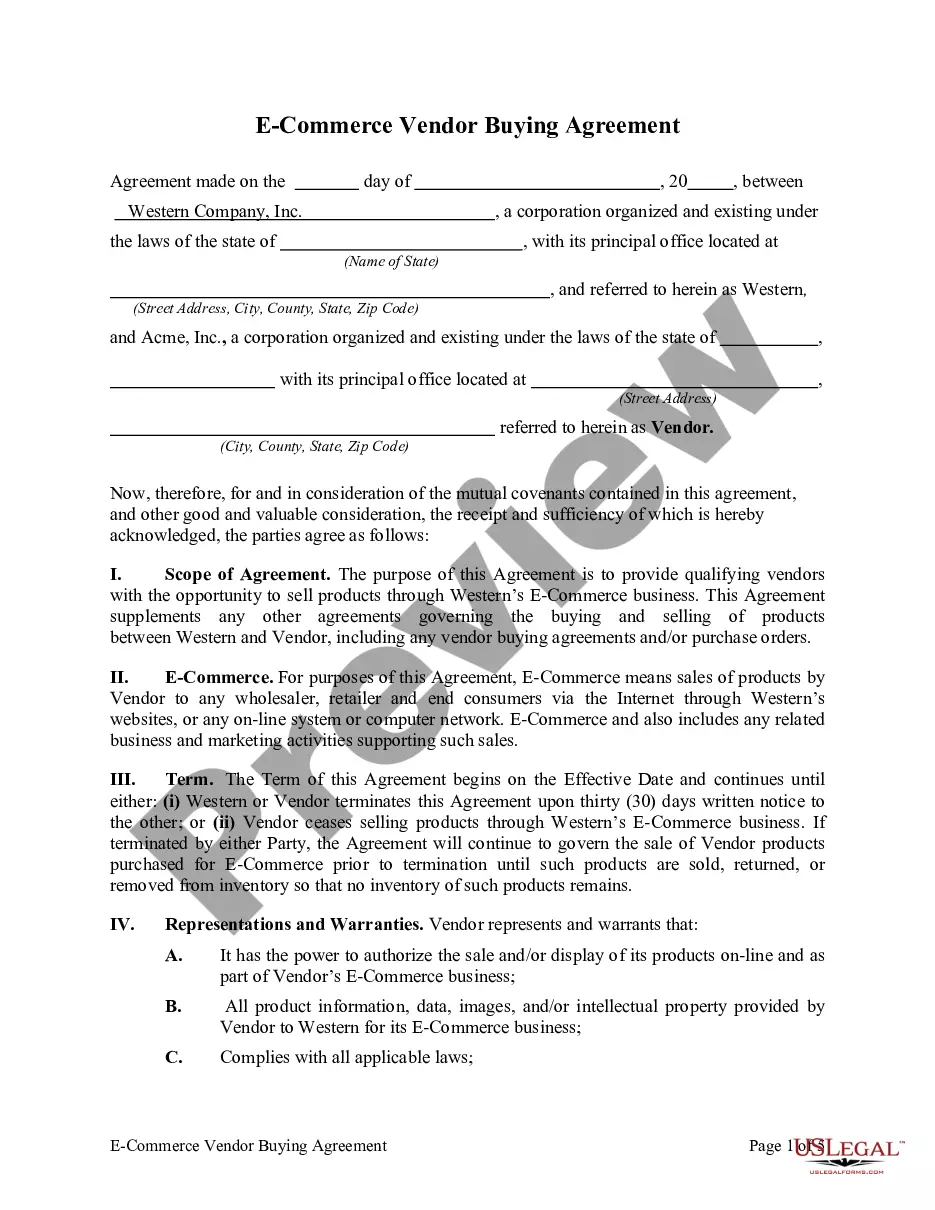
Get your form ready online
Our built-in tools help you complete, sign, share, and store your documents in one place.
Make edits, fill in missing information, and update formatting in US Legal Forms—just like you would in MS Word.
Download a copy, print it, send it by email, or mail it via USPS—whatever works best for your next step.
Sign and collect signatures with our SignNow integration. Send to multiple recipients, set reminders, and more. Go Premium to unlock E-Sign.
If this form requires notarization, complete it online through a secure video call—no need to meet a notary in person or wait for an appointment.
We protect your documents and personal data by following strict security and privacy standards.

Make edits, fill in missing information, and update formatting in US Legal Forms—just like you would in MS Word.

Download a copy, print it, send it by email, or mail it via USPS—whatever works best for your next step.

Sign and collect signatures with our SignNow integration. Send to multiple recipients, set reminders, and more. Go Premium to unlock E-Sign.

If this form requires notarization, complete it online through a secure video call—no need to meet a notary in person or wait for an appointment.

We protect your documents and personal data by following strict security and privacy standards.
Looking for another form?



Form popularity
FAQ
Step 1: Research and validate your business idea. What problem or challenge are you seeking to solve? ... Step 2: Source products. Step 3: Choose an online selling channel. Step 4: List and optimize products. Step 5: Market and promote your ecommerce shop.
How To Write Terms and Conditions – Step by Step Write the Introduction. Draft the Terms of Service. Create an Acknowledgment Statement. Limit Your Liability. List Who Owns Intellectual Property Rights. Generate a Privacy Policy. Spell Out What Happens for Non-Compliance. Add a Signature and Dateline for Both Parties.
Procedure to Start an E-commerce Company Step 1: Decide Your Business Model. Step 2: Domain Name Registration. Step 3: Design E-commerce Company Website. Step 4: Building a Brand. Step 5: Business Registration. Step 6: Open a Bank Account. Step 7: Tax Registration - Obtain GST Registration.
How to Write Terms and Conditions Detail Your Introduction. Talk About Updates to Your Terms of Service. Inform Users of the Agreement. Outline Your Responsibilities. Detail Prohibited Activities. Discuss Website and Content Ownership. Talk About Rights to Access. Write Your Company's Rights.
How to draft terms of use agreement for your website. It's always best to work with a legal professional to ensure your terms of use agreement follows the law. You can also write your own and have it reviewed by a lawyer to ensure you're protected. Your particular terms of use agreement will depend on your website.
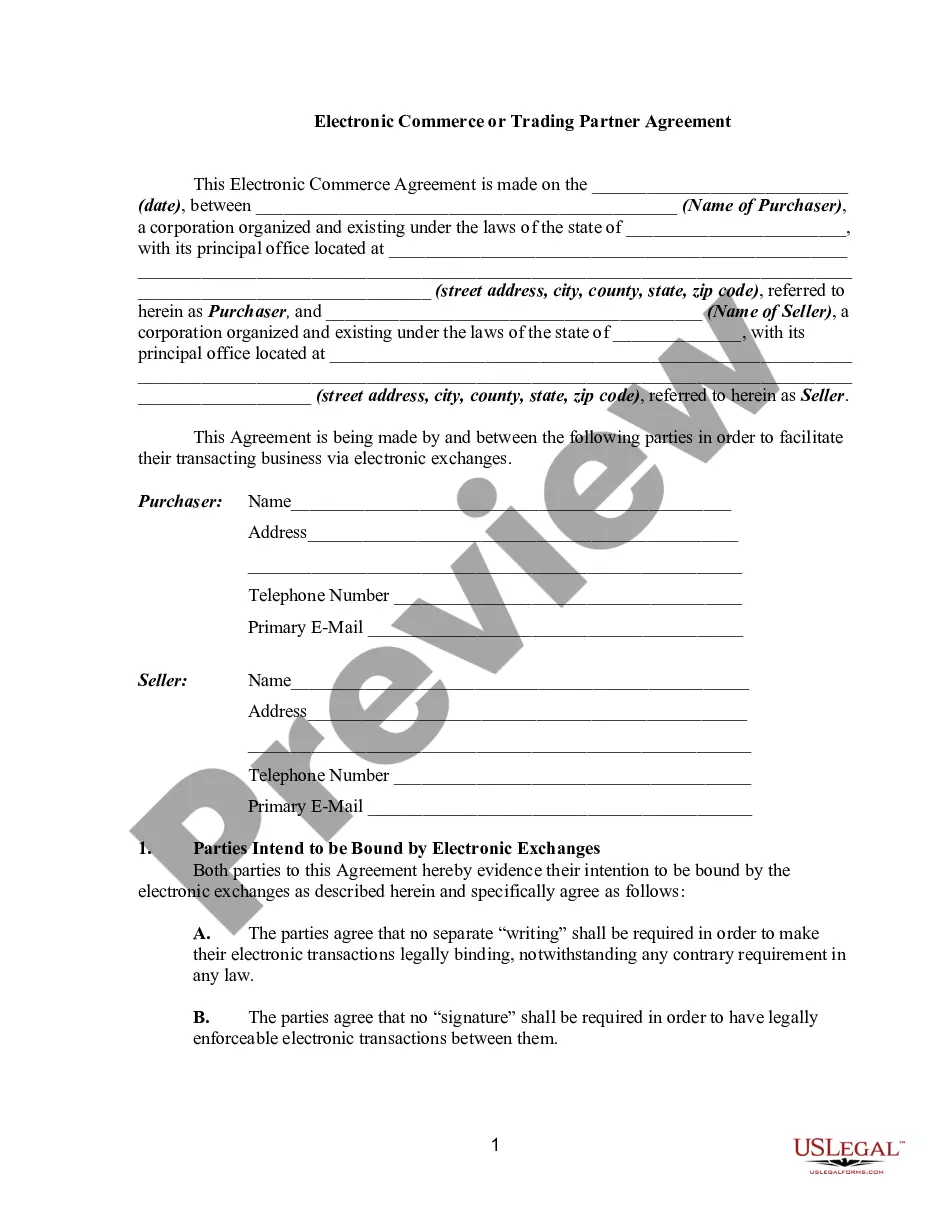
ECommerce agreements disclose the contractual relationship and obligations between a website owner and its commercial users.
However, every Terms and Conditions agreement should have, at minimum, the following clauses: A brief introduction. The effective date. Jurisdiction/governing law. Link to your Privacy Policy. Contact information. Limitation of liability and disclaimer of warranties. Rules of conduct. User restrictions.
In Utah, the Articles of Organization are filed with the Division of Corporations and Commercial Code of the Department of Commerce.
To update your California LLC's Articles of Organization—the document that legally formed your company in California—you'll file an Amendment to Articles of Organization with the California Secretary of State.