E Commerce Agreement For Students In Massachusetts
Description

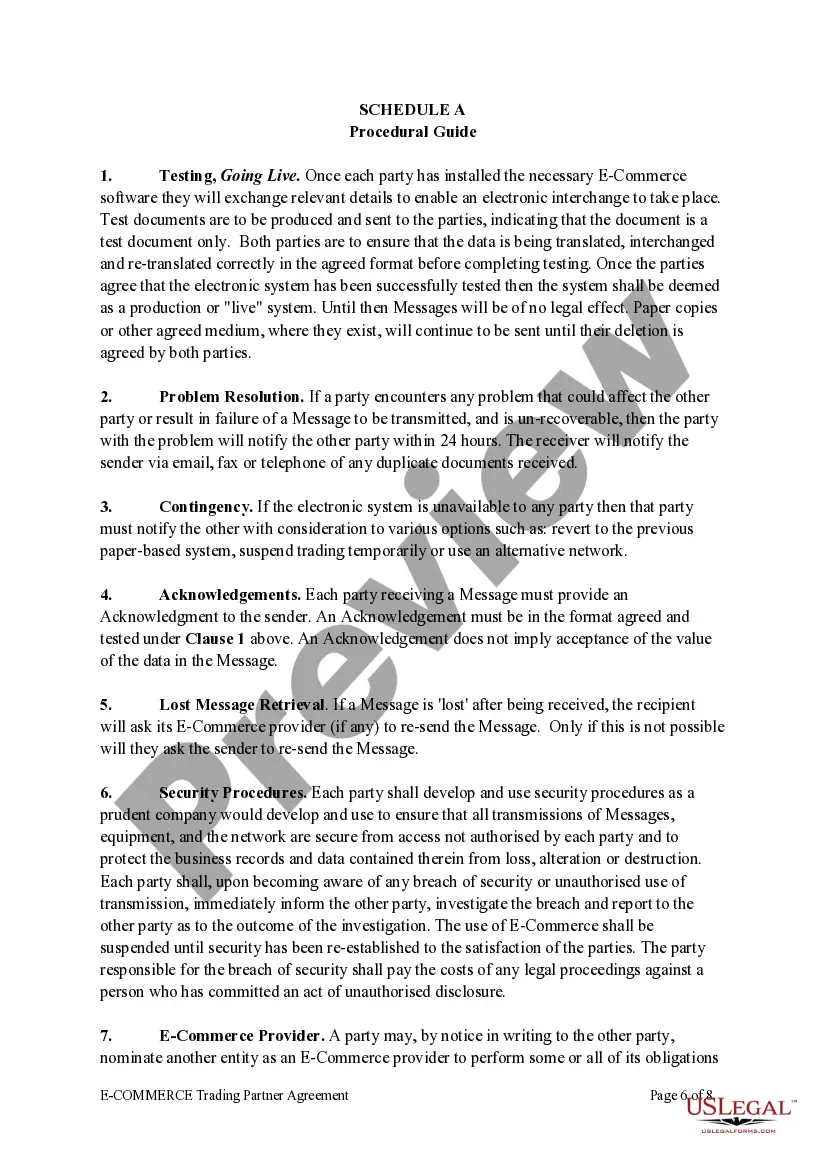
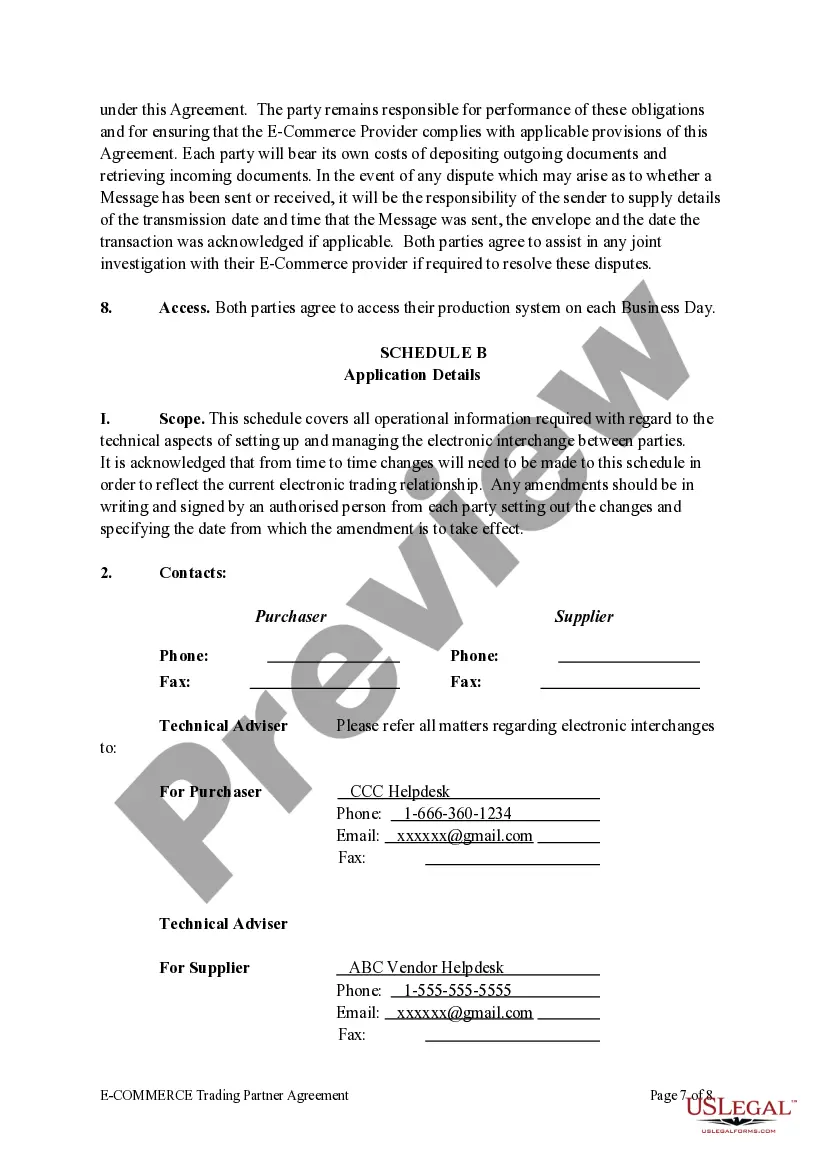


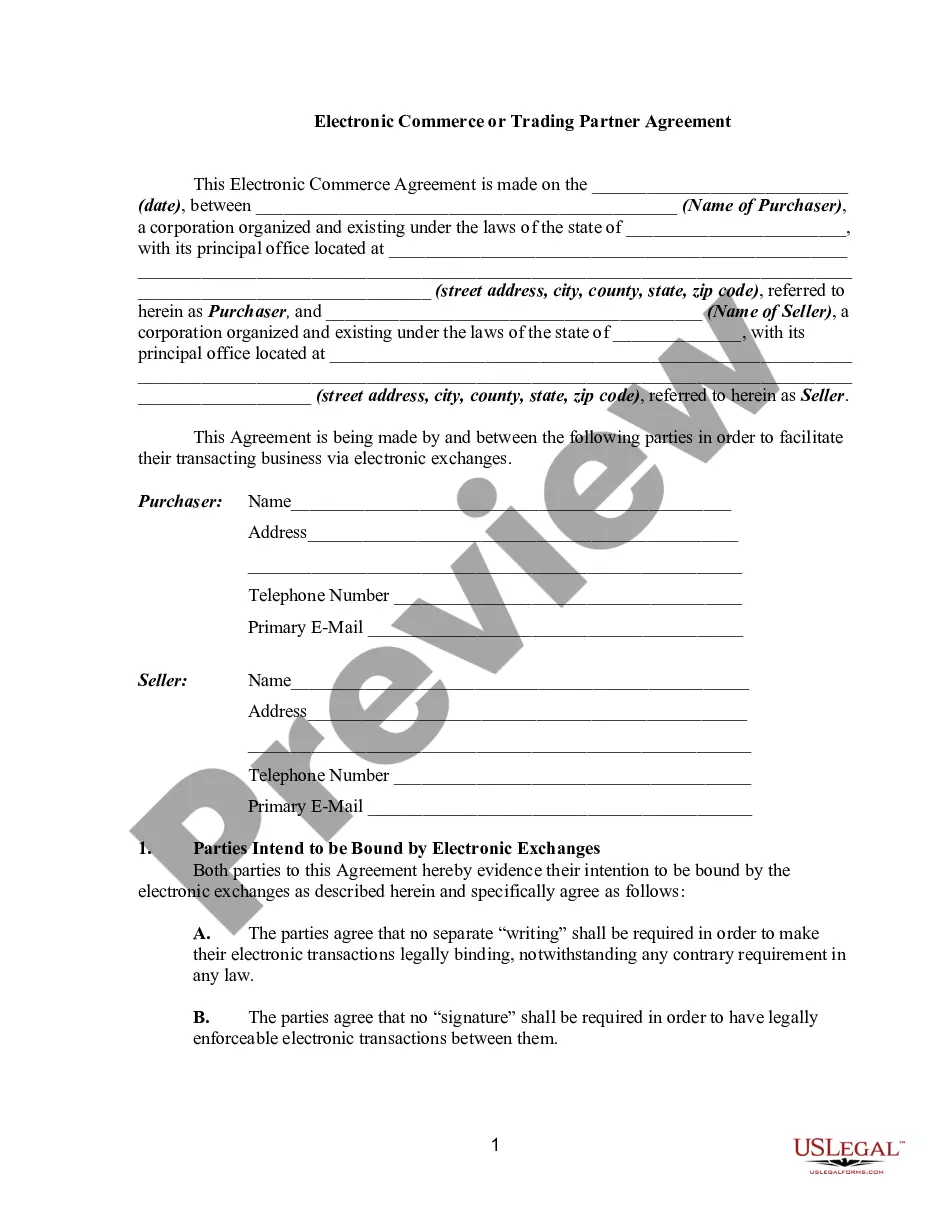
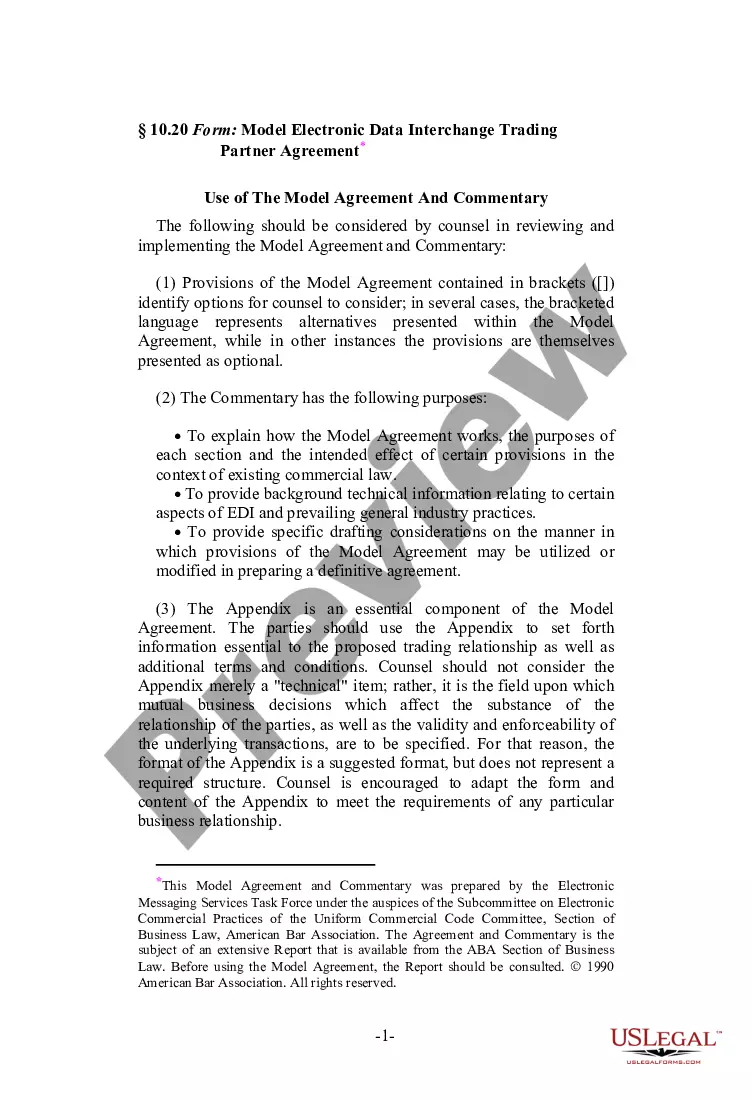
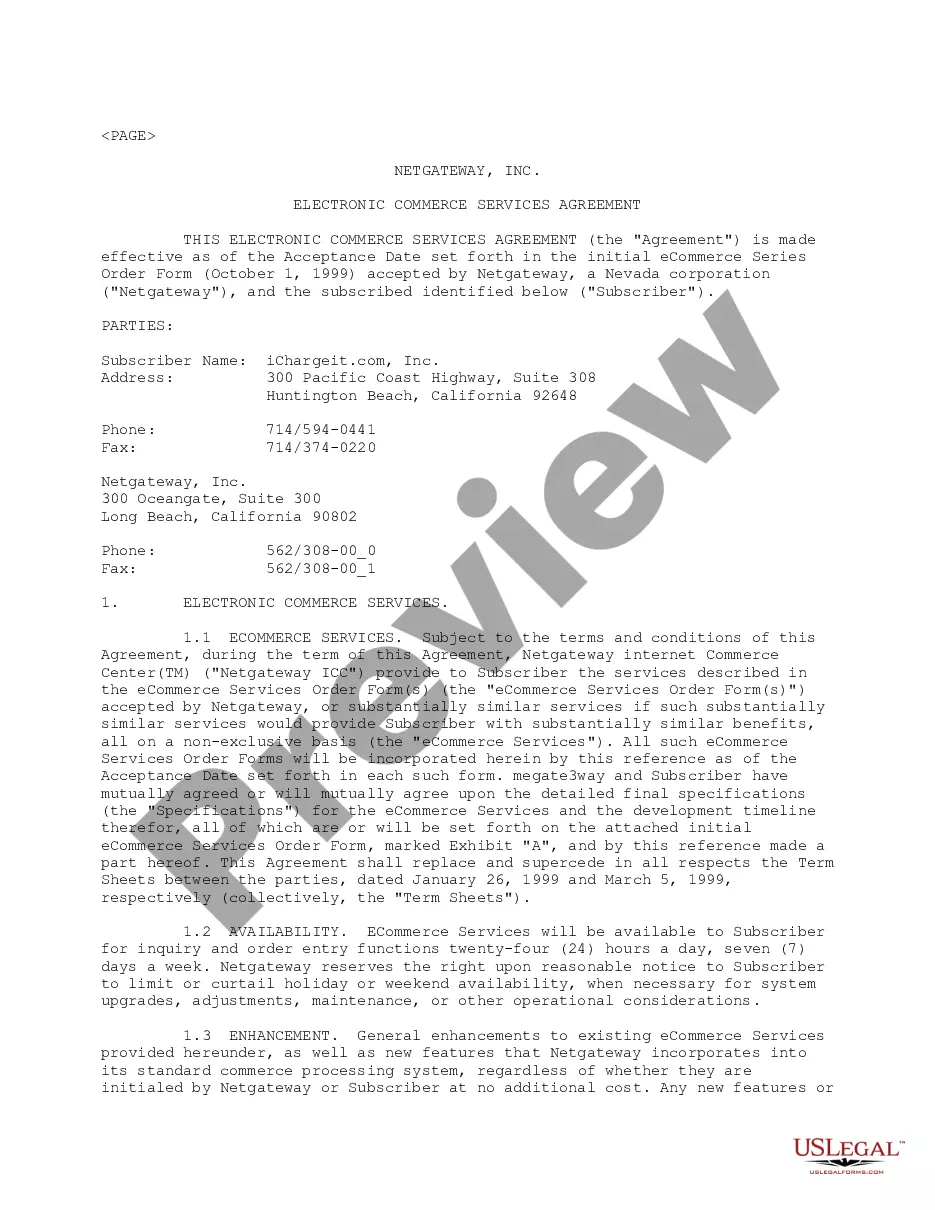
Get your form ready online
Our built-in tools help you complete, sign, share, and store your documents in one place.
Make edits, fill in missing information, and update formatting in US Legal Forms—just like you would in MS Word.
Download a copy, print it, send it by email, or mail it via USPS—whatever works best for your next step.
Sign and collect signatures with our SignNow integration. Send to multiple recipients, set reminders, and more. Go Premium to unlock E-Sign.
If this form requires notarization, complete it online through a secure video call—no need to meet a notary in person or wait for an appointment.
We protect your documents and personal data by following strict security and privacy standards.

Make edits, fill in missing information, and update formatting in US Legal Forms—just like you would in MS Word.

Download a copy, print it, send it by email, or mail it via USPS—whatever works best for your next step.

Sign and collect signatures with our SignNow integration. Send to multiple recipients, set reminders, and more. Go Premium to unlock E-Sign.

If this form requires notarization, complete it online through a secure video call—no need to meet a notary in person or wait for an appointment.

We protect your documents and personal data by following strict security and privacy standards.
Looking for another form?







Form popularity
FAQ
For an electronic signature to be legally binding under the ESIGN Act, it is recommended that all electronic signature workflows include the following five elements: Intent to sign. Consent to do business electronically. Opt-out clause. Signed copies. Record retention.
However, if you are unable to locate your vendor code, you can contact the Commonwealth agency you are currently doing business with and ask them for your VC (vendor code) number. The department will ask for your TIN number which is located on the businesses W9 form/1099 form.
A partnership must annually file a Form 3, Partnership Return, to report the partnership's income to the MA DOR if: It has a usual place of business in Massachusetts, or. Receives federal gross income of more than $100 during the taxable year.
A digital signature is always electronic, but an electronic signature is not always digital. A digital signature works with encryption technology using a cryptographic mechanism that provides additional security for the document and guarantees its integrity.
Electronic signatures hold up in court since they are legal signatures. The Electronic Signatures in Global and National Commerce Act, otherwise known as the E-Sign Act, states that electronic signatures shouldn't be considered invalid simply because they're electronic.
Generally, e-signatures are legally binding in the Commonwealth of Massachusetts. However, certain documents like wills, adoption papers, and divorce decrees are excluded from the scope of ESIGN and MUETA to safeguard consumer rights and maintain traditional legal practices.
(d) If a law requires a signature, an electronic signature satisfies the law.
The trustee of a grantor-type trust is required to file Form 2G and send a copy of it to the grantor/owner who is required to report the income, deductions and credits on his/her Massachusetts individual income tax re- turn.
General Partnership: Like sole proprietorship, this entity type does not require registration with the Massachusetts Secretary of the Commonwealth, but it also does not protect the owners from business liability, and therefore is usually not recommended.
Massachusetts recognizes economic nexus for any vendor with $100,000 or more in sales into the state in the prior or current calendar year. Once you have economic nexus established, you will be obligated to collect sales tax from buyers in the state.
