Secured Debt Any Formula In Salt Lake
Description

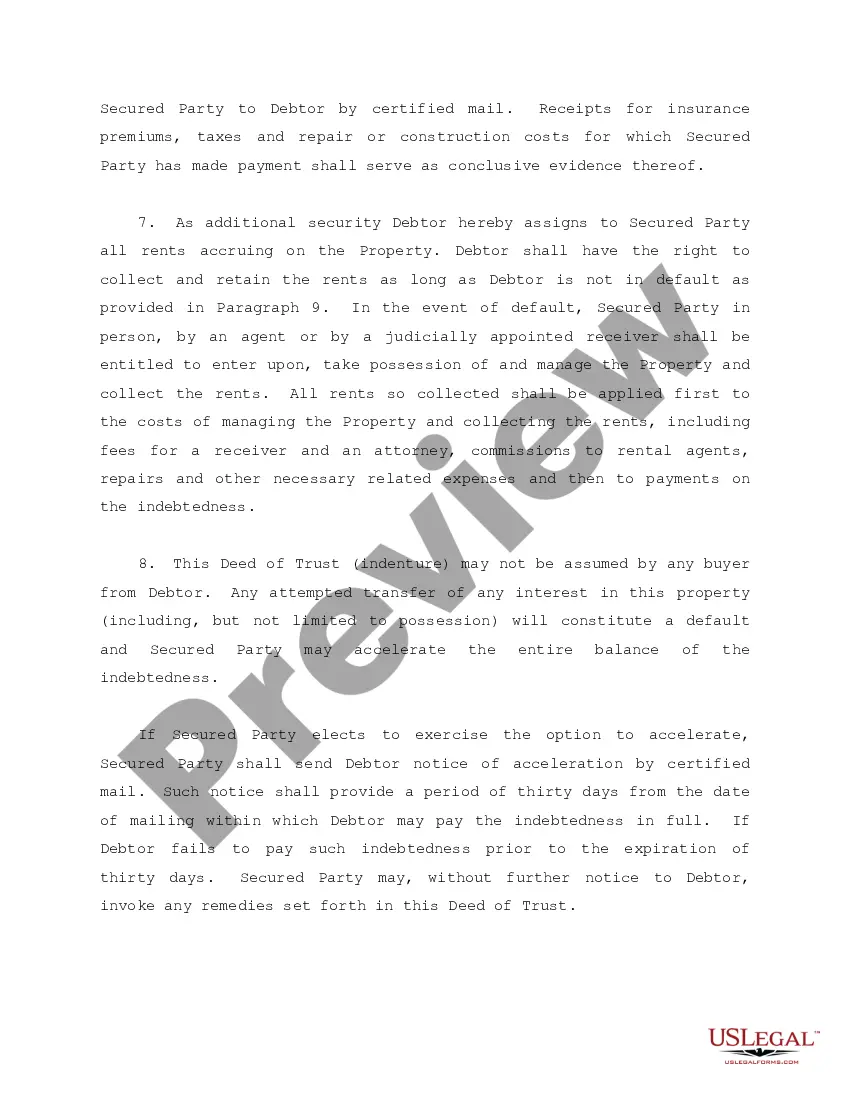
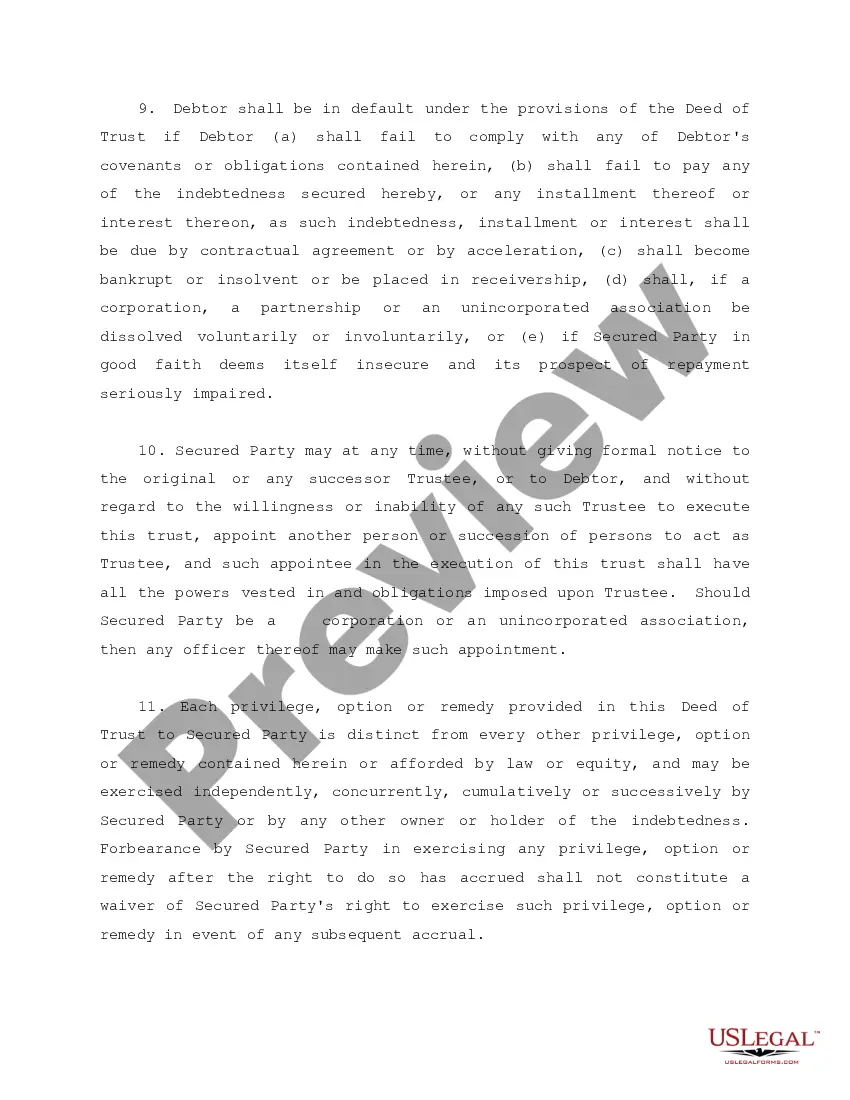
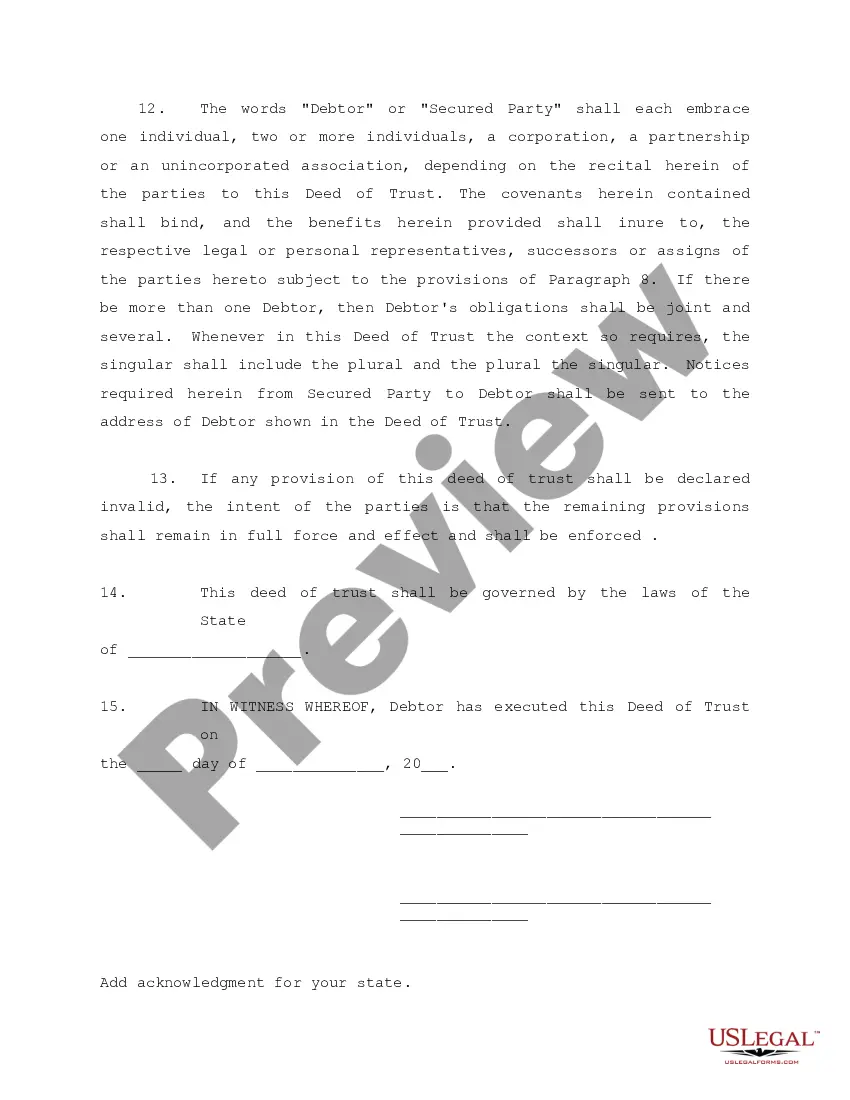
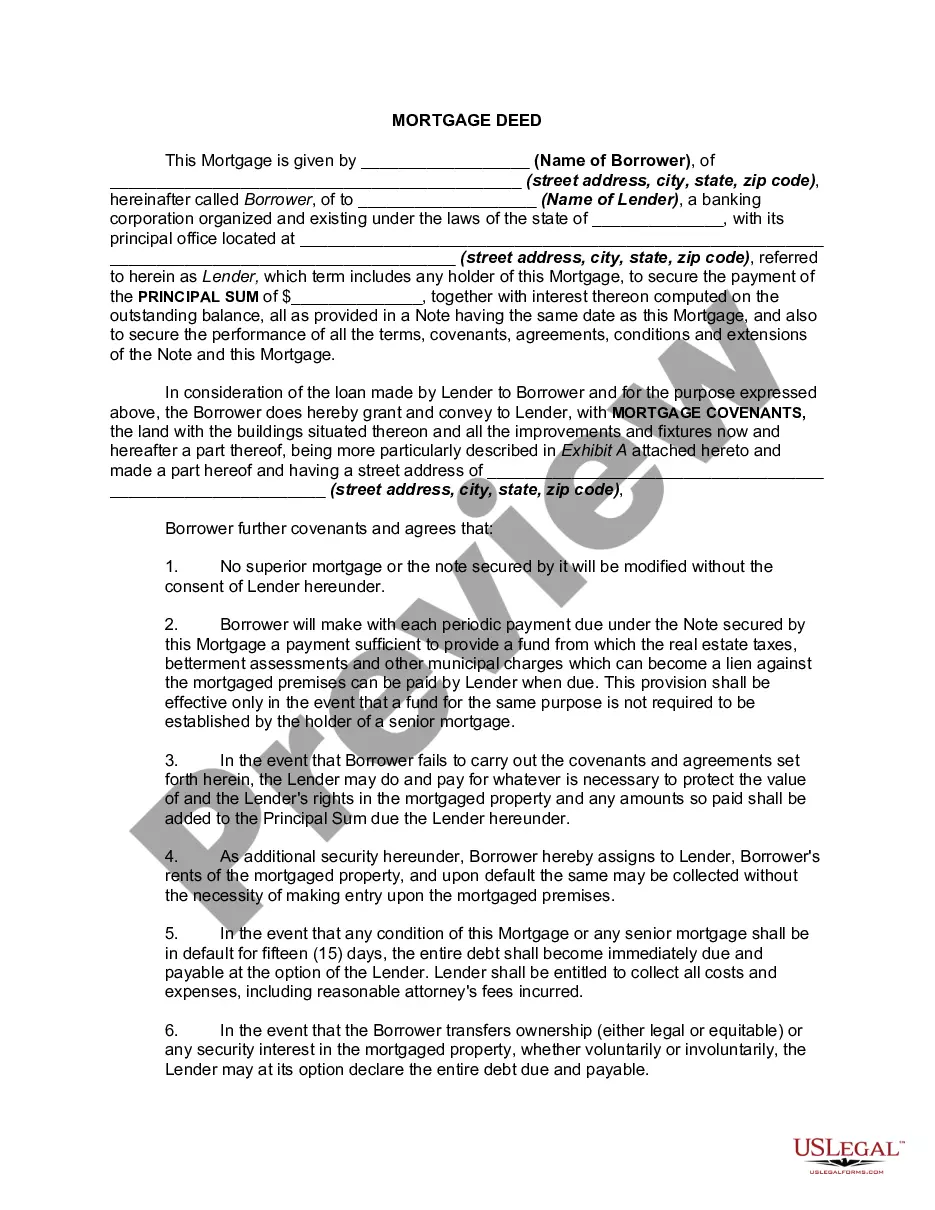

Get your form ready online
Our built-in tools help you complete, sign, share, and store your documents in one place.
Make edits, fill in missing information, and update formatting in US Legal Forms—just like you would in MS Word.
Download a copy, print it, send it by email, or mail it via USPS—whatever works best for your next step.
Sign and collect signatures with our SignNow integration. Send to multiple recipients, set reminders, and more. Go Premium to unlock E-Sign.
If this form requires notarization, complete it online through a secure video call—no need to meet a notary in person or wait for an appointment.
We protect your documents and personal data by following strict security and privacy standards.

Make edits, fill in missing information, and update formatting in US Legal Forms—just like you would in MS Word.

Download a copy, print it, send it by email, or mail it via USPS—whatever works best for your next step.

Sign and collect signatures with our SignNow integration. Send to multiple recipients, set reminders, and more. Go Premium to unlock E-Sign.

If this form requires notarization, complete it online through a secure video call—no need to meet a notary in person or wait for an appointment.

We protect your documents and personal data by following strict security and privacy standards.
Looking for another form?









Form popularity
FAQ
Ing to the bankruptcy code, unpaid credit card, medical, rent, or utility bills would likely be forgiven. Depending on the specifics of each case, personal loans from friends or family and unsecured debts, in general, could also be discharged after bankruptcy.
When you file for Chapter 13, you'll have a choice for debt secured by collateral, such as your house, car, or other property: keep the secured property and continue paying the monthly amount, plus arrearages, in your repayment plan, or. return the property to the lender.
A recipient committee is required to file a Statement of Organization (Form 410), which provides the public with information about the purpose of the committee and identifies the committee's treasurer and principal officer(s). The Form 410 is also required to be filed in order to terminate the committee.
The form must be filed in the district where the case is pending.
A proof of claim is a form used by the creditor to indicate the amount of the debt owed by the debtor on the date of the bankruptcy filing. The creditor must file the form with the clerk of the same bankruptcy court in which the bankruptcy case was filed.
Also referred to as the "Proof of Claim", this form shows the amount of debt the Debtor owed to a Creditor on the date of the bankruptcy filing.
All creditors are supposed to stop attempting to collect debts from you once a bankruptcy is filed. As soon as a bankruptcy is filed, an "automatic stay" is ordered by the court, which protects you from your creditors.
If the debt is unsecured, the creditor can: Stop doing business with you. Report your debt to a credit reporting agency. Bring a lawsuit to collect the debt.
Starting a Debt Collection Case A debt collector starts a debt collection case by filing a complaint with the court. A copy of the complaint and a document called a summons must be served on the debtor by one of the methods described in Utah Rule of Civil Procedure 4.
