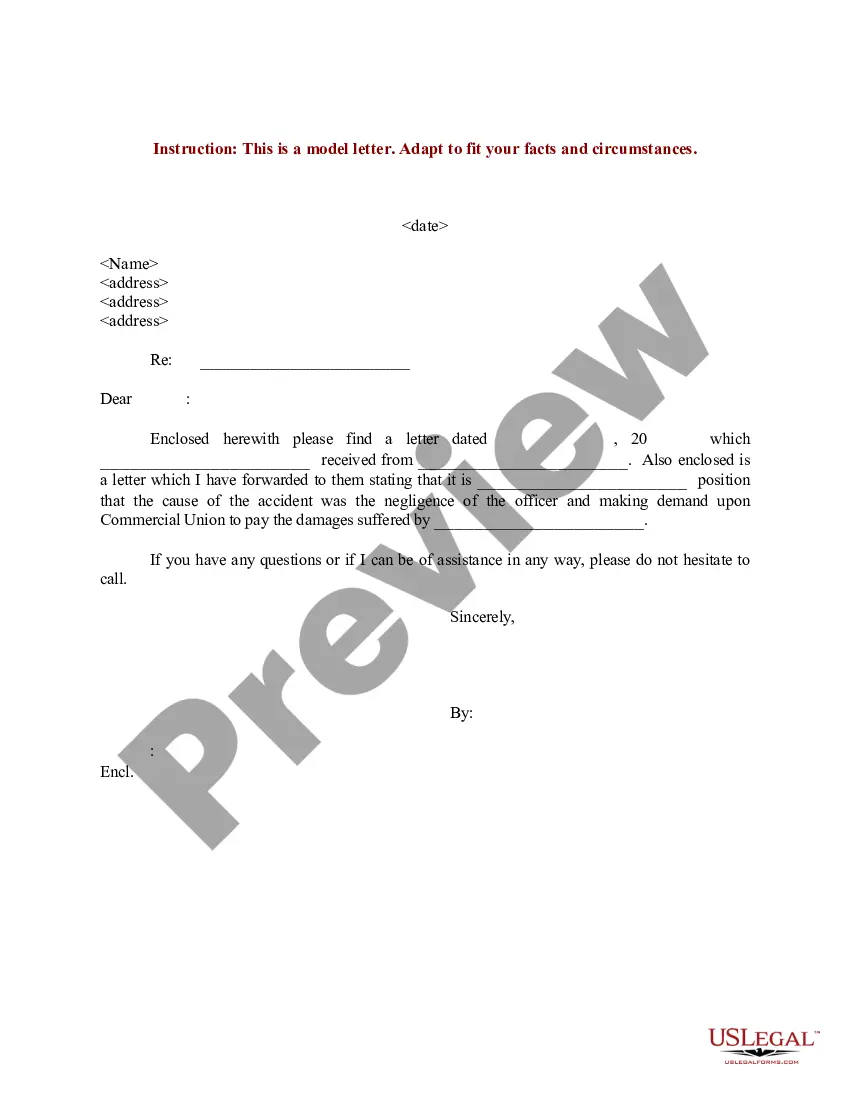
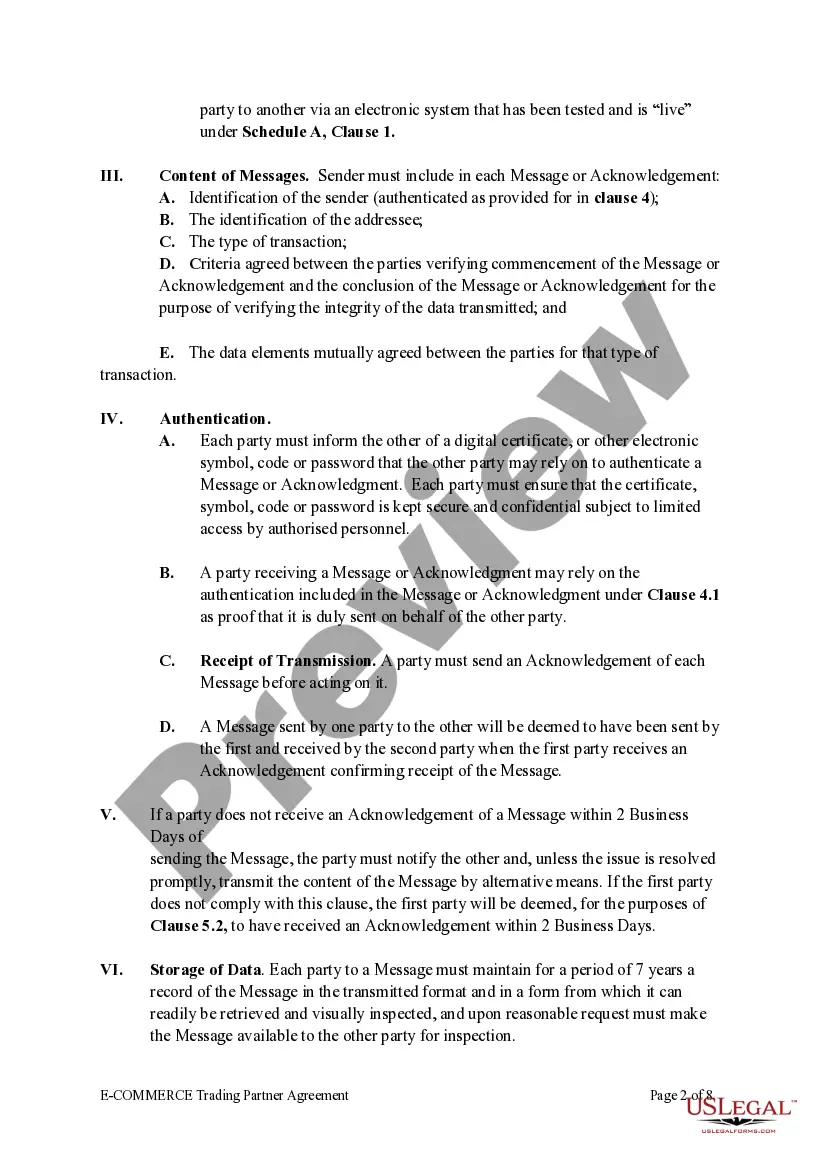
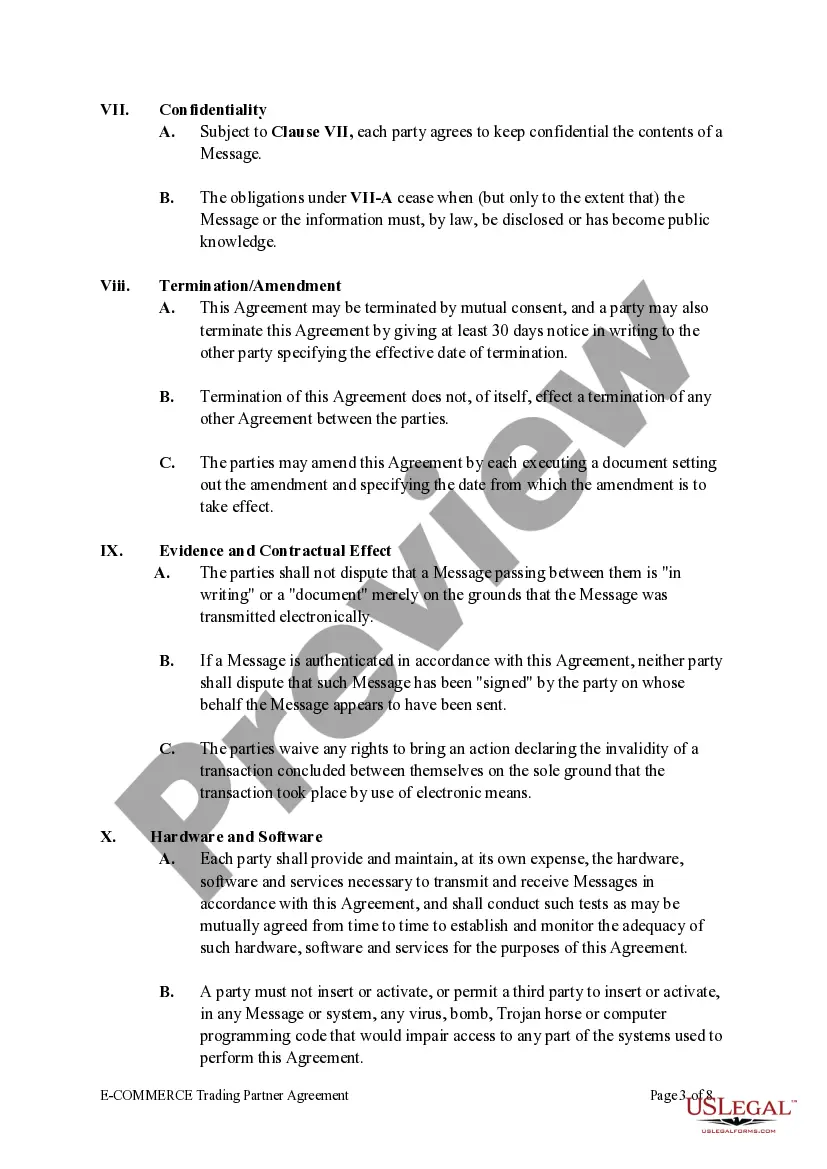
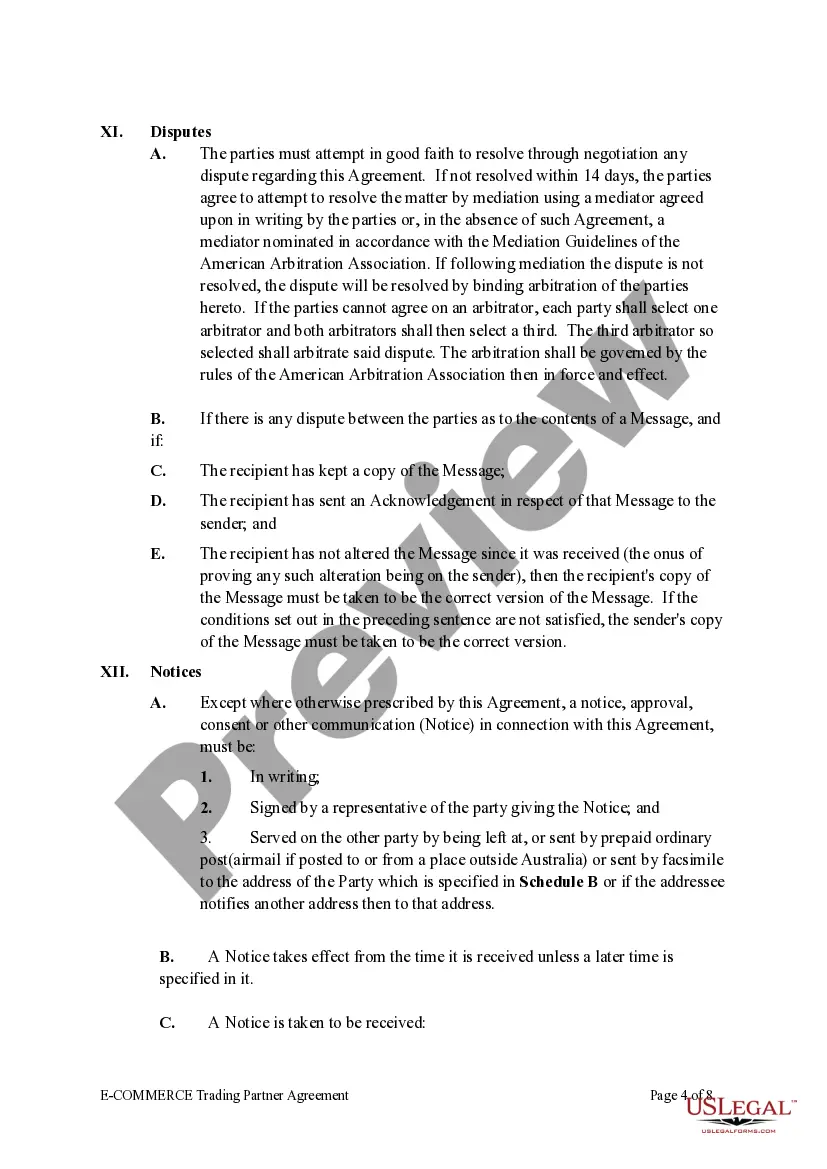
E Commerce Agreement Format In Maryland
Description

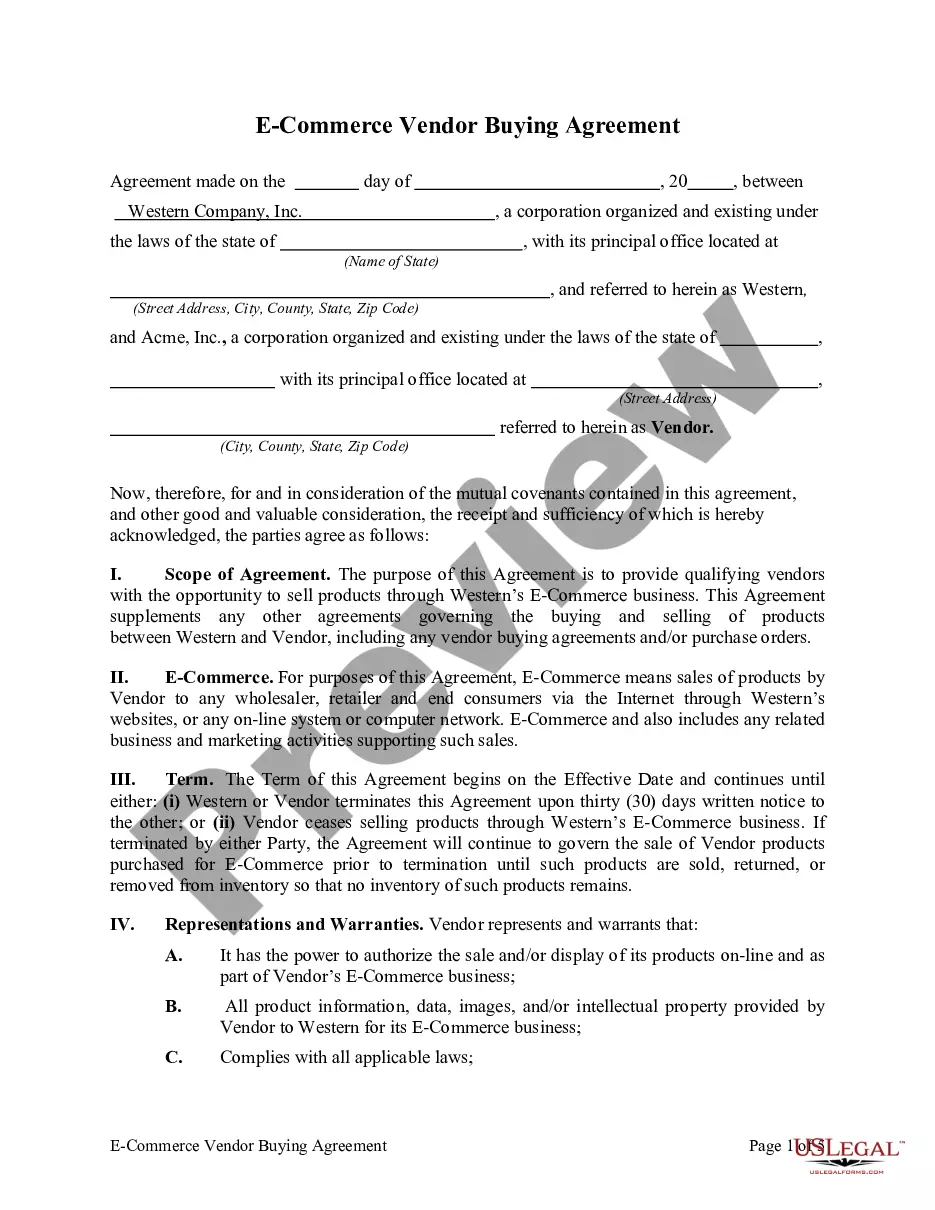
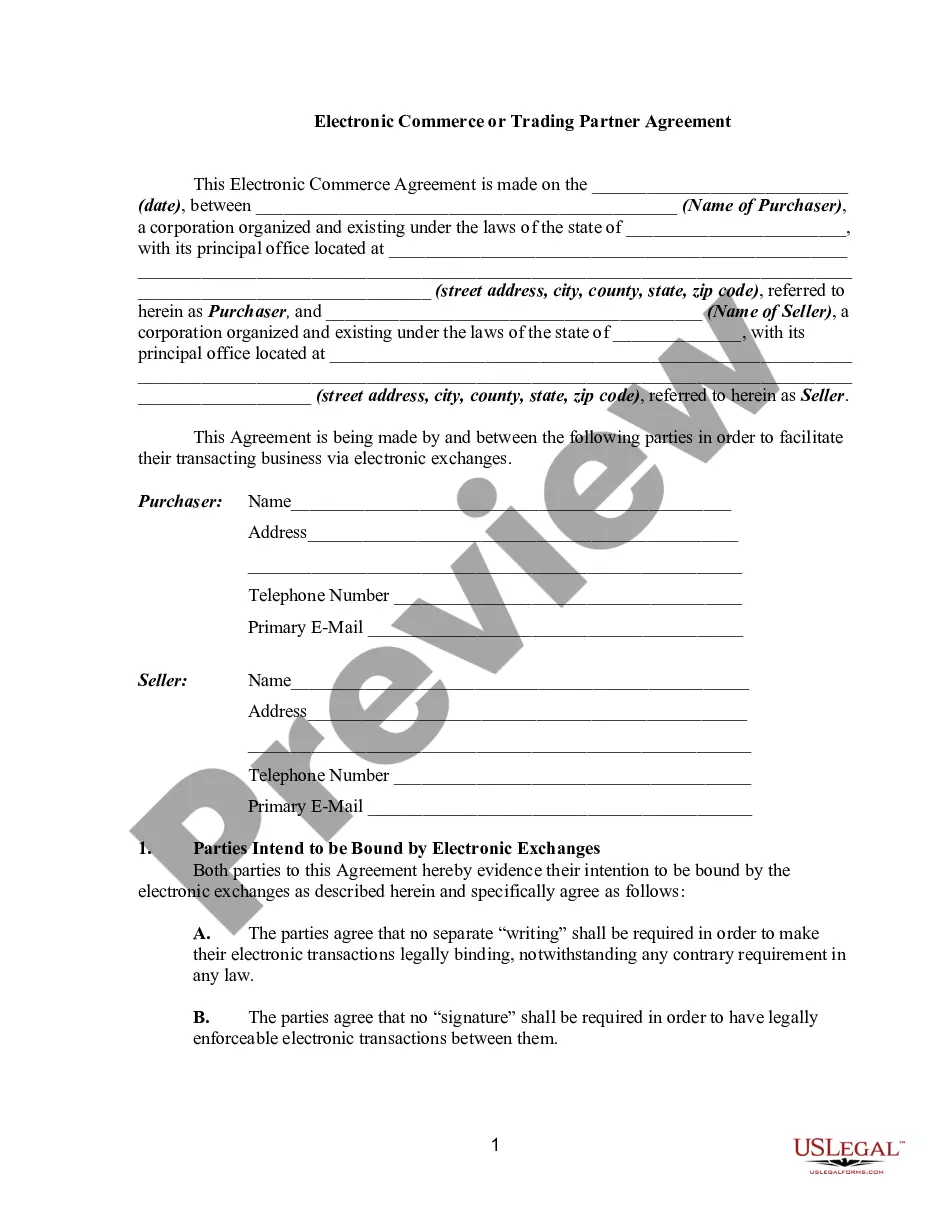
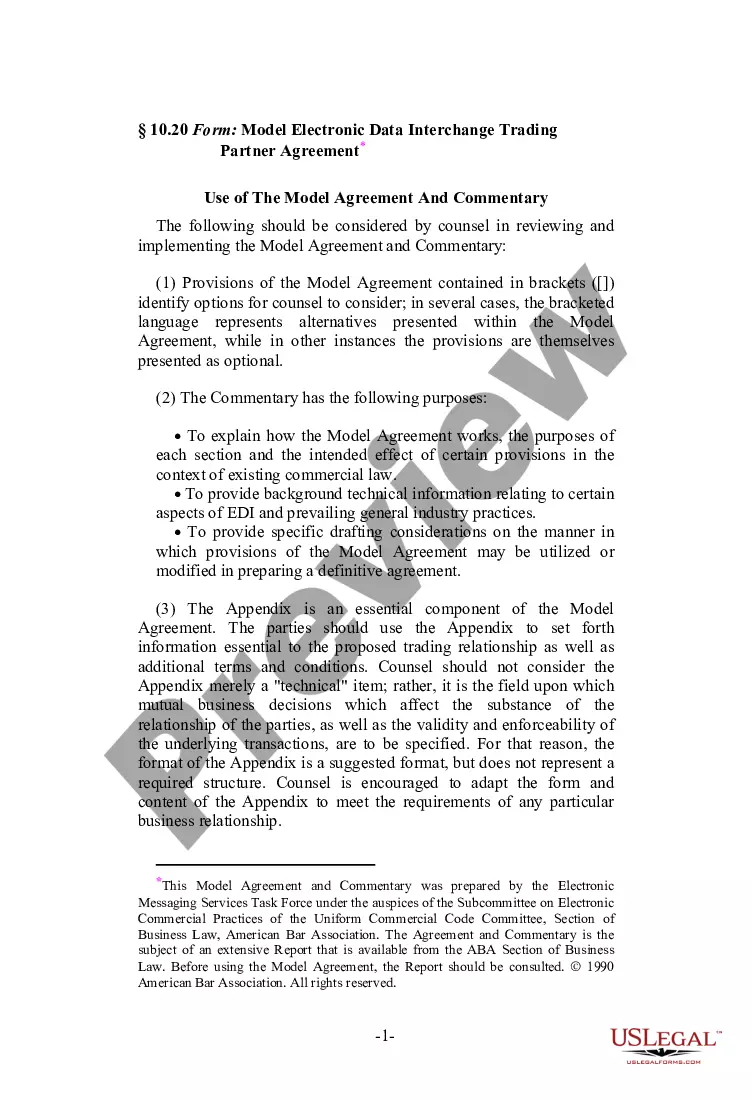
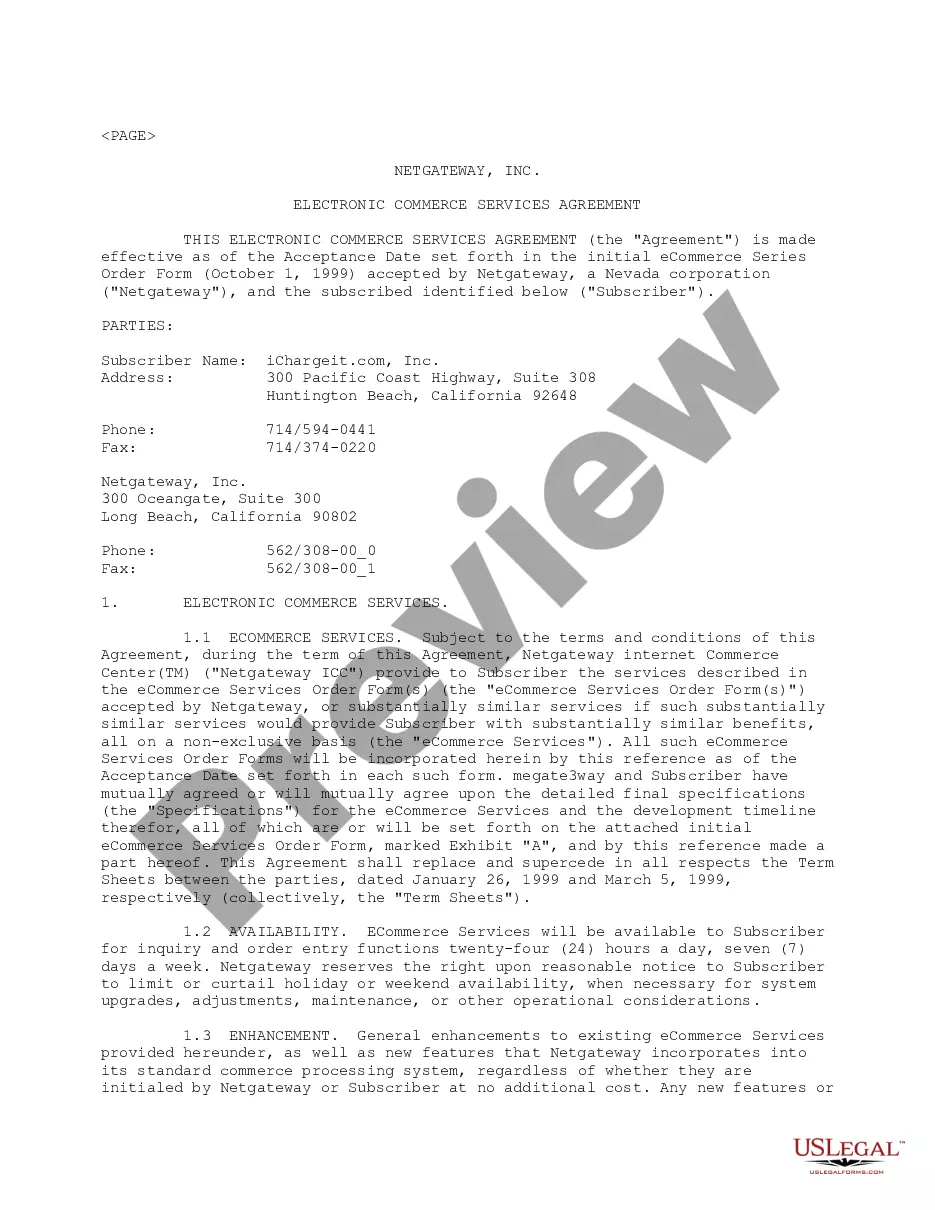
Get your form ready online
Our built-in tools help you complete, sign, share, and store your documents in one place.
Make edits, fill in missing information, and update formatting in US Legal Forms—just like you would in MS Word.
Download a copy, print it, send it by email, or mail it via USPS—whatever works best for your next step.
Sign and collect signatures with our SignNow integration. Send to multiple recipients, set reminders, and more. Go Premium to unlock E-Sign.
If this form requires notarization, complete it online through a secure video call—no need to meet a notary in person or wait for an appointment.
We protect your documents and personal data by following strict security and privacy standards.

Make edits, fill in missing information, and update formatting in US Legal Forms—just like you would in MS Word.

Download a copy, print it, send it by email, or mail it via USPS—whatever works best for your next step.

Sign and collect signatures with our SignNow integration. Send to multiple recipients, set reminders, and more. Go Premium to unlock E-Sign.

If this form requires notarization, complete it online through a secure video call—no need to meet a notary in person or wait for an appointment.

We protect your documents and personal data by following strict security and privacy standards.
Looking for another form?









Form popularity
FAQ
Section 13-109 - Small procurement (a) In this section, "small procurement" means a procurement for which: (1) a unit spends $100,000 or less; (2) a contractor provides services subject to § 11-202(3) of this article for expected annual revenues of $100,000 or less; (3) the Department of General Services or the ...
A contract is an agreement between parties, creating mutual obligations that are enforceable by law. The basic elements required for the agreement to be a legally enforceable contract are: mutual assent, expressed by a valid offer and acceptance; adequate consideration; capacity; and legality.
To be legally binding, a contract must have a valid offer, acceptance, consideration, legal capacity and the absence of factors like pressure, force or mistakes.
Generally, there's no cooling-off period after you sign a contract. (In Maryland, only a few types of transactions, such as door-to-door sales contracts, allow you a certain number of days to cancel.)
Lesson Summary. A contract is a legal agreement between two or more parties in which they agree to each other's rights and responsibilities. Offer, acceptance, awareness, consideration, and capacity are the five elements of an enforceable contract.
7 Essential Elements of A Contract Offer. For there to be a contract, there must first be an offer by one party and an acceptance by the other. Acceptance. Acceptance is the agreement to the specific conditions of an offer. Consideration. Intention to create legal relations. Authority and capacity. Certainty.
Need Help in eMMA? Email eMMA.HelpDesk@maryland!
The Management and Budget Act, Public Act 431 of 1984.
What is a Small Procurement? A Small Procurement is a procurement of products or services valued at $25,000 or less. Small Procurements do not require the use of the competitive process. An agency may award a contract for a Small Procurement in any manner deemed practical or convenient.