E Commerce Agreement For Farmers In Franklin
Description

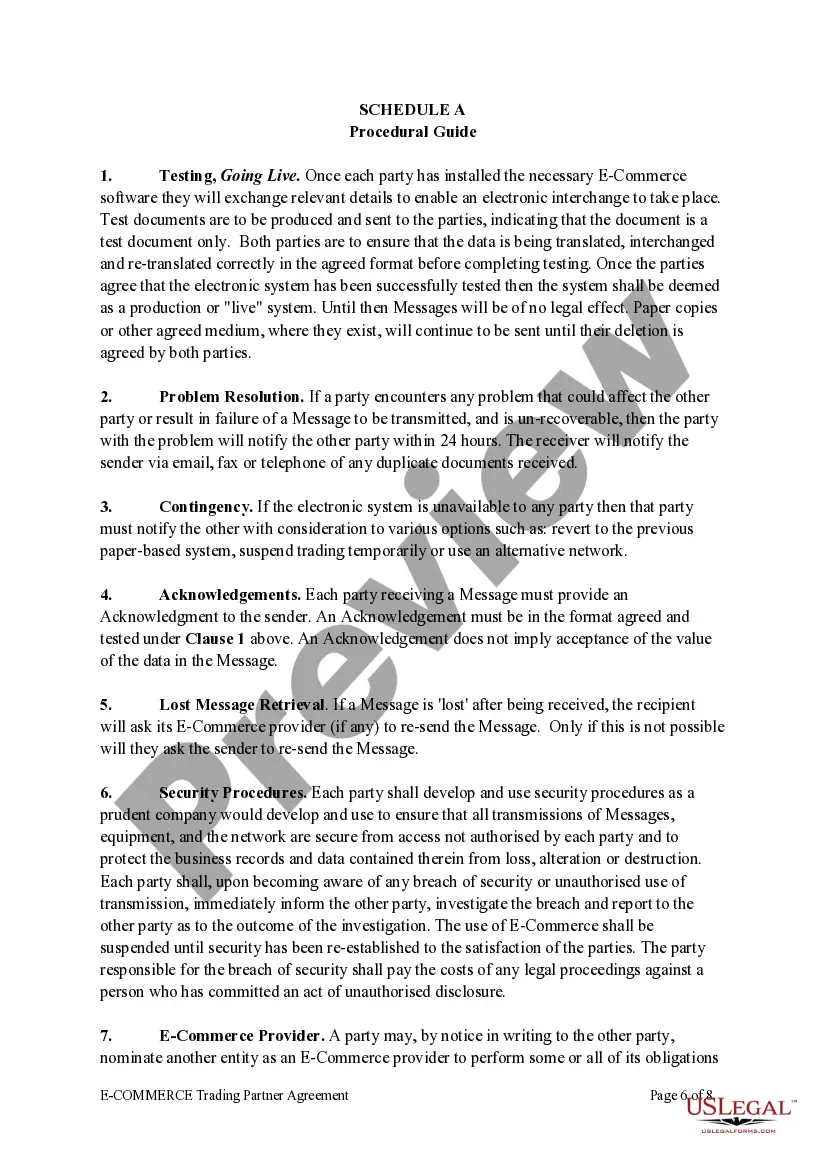
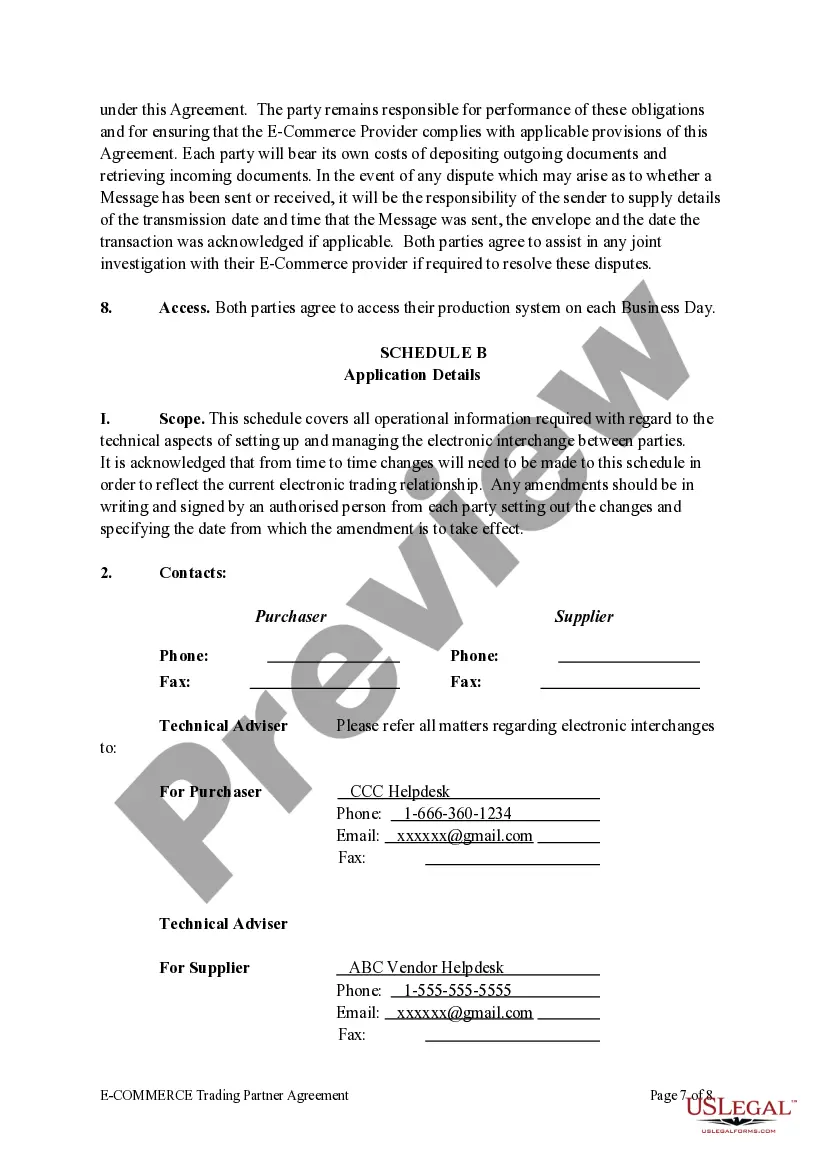

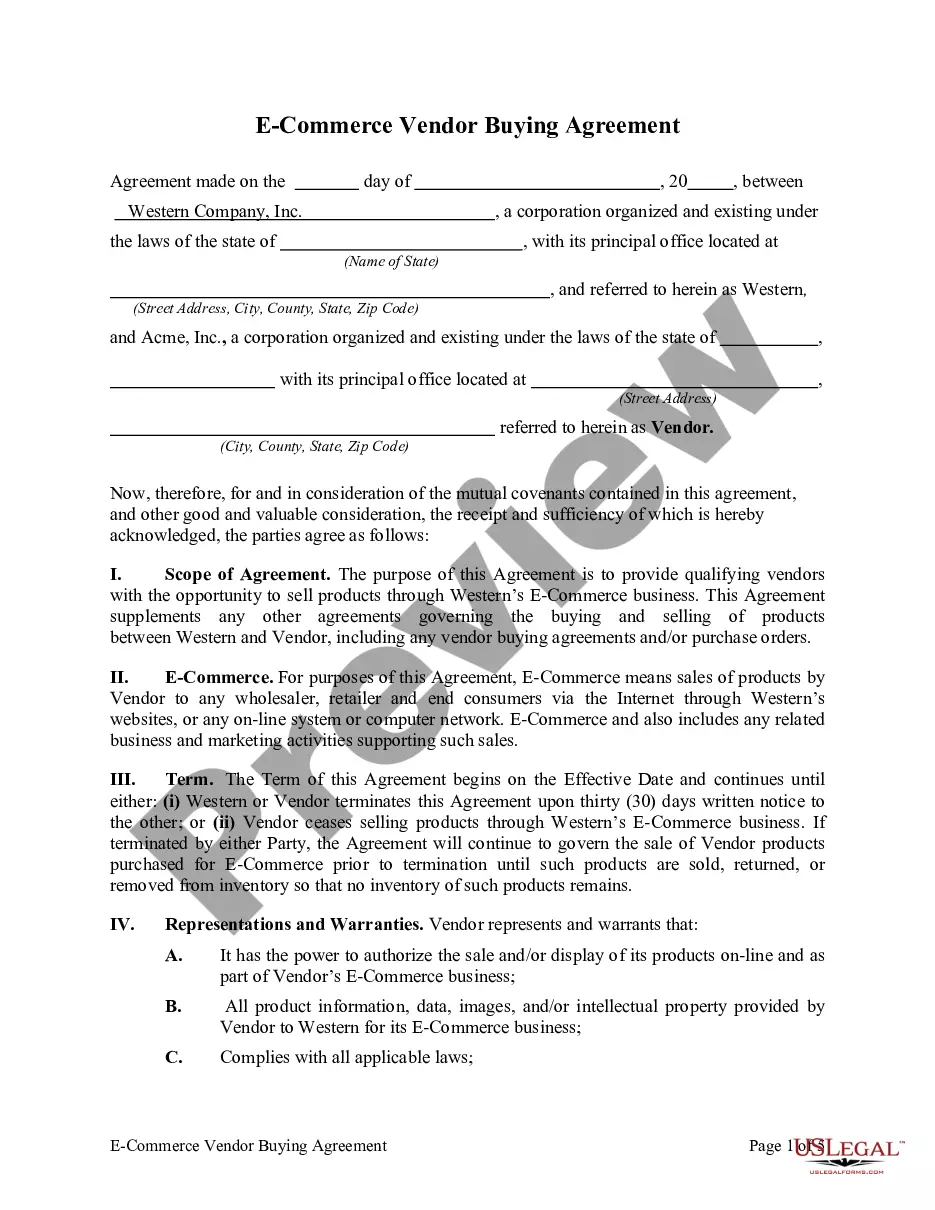
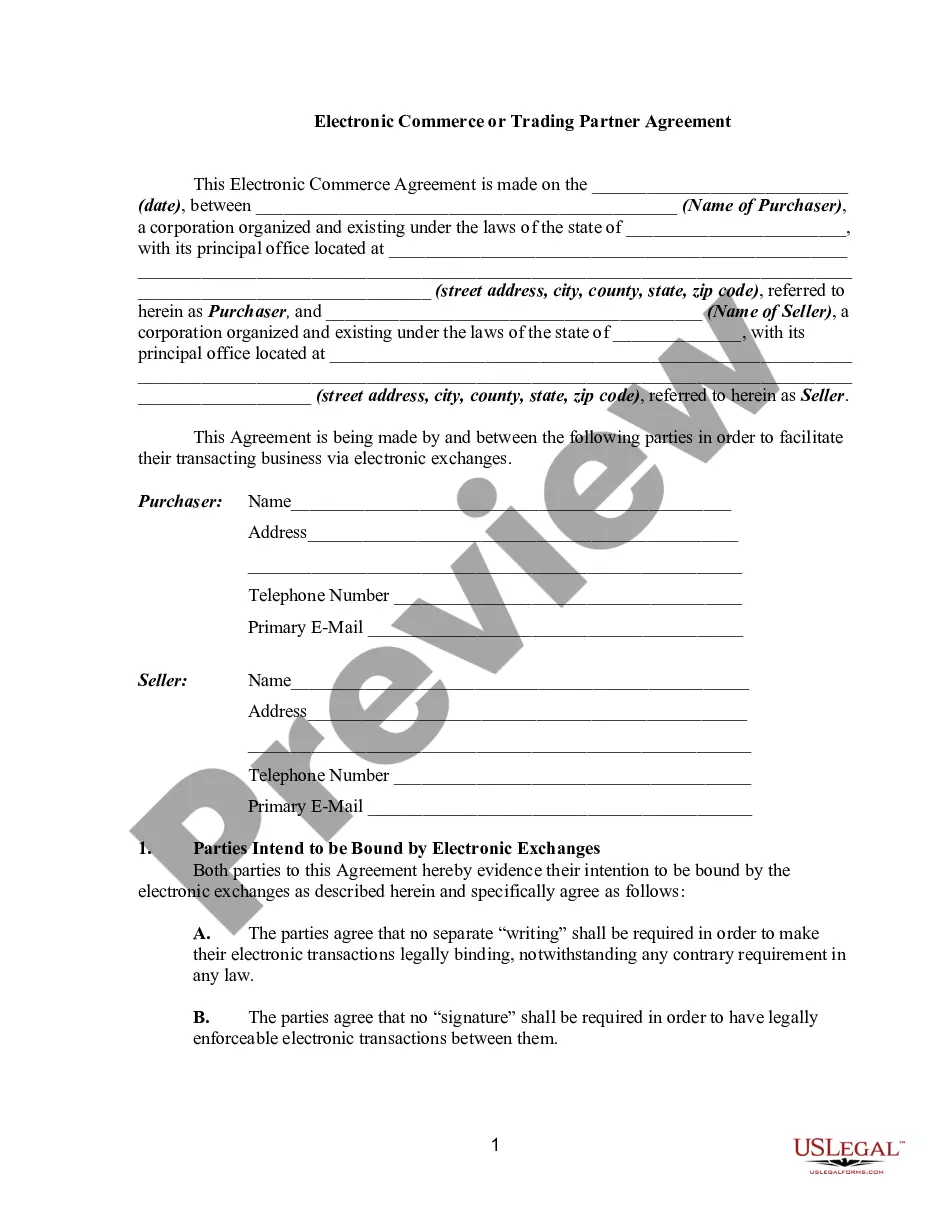

Get your form ready online
Our built-in tools help you complete, sign, share, and store your documents in one place.
Make edits, fill in missing information, and update formatting in US Legal Forms—just like you would in MS Word.
Download a copy, print it, send it by email, or mail it via USPS—whatever works best for your next step.
Sign and collect signatures with our SignNow integration. Send to multiple recipients, set reminders, and more. Go Premium to unlock E-Sign.
If this form requires notarization, complete it online through a secure video call—no need to meet a notary in person or wait for an appointment.
We protect your documents and personal data by following strict security and privacy standards.

Make edits, fill in missing information, and update formatting in US Legal Forms—just like you would in MS Word.

Download a copy, print it, send it by email, or mail it via USPS—whatever works best for your next step.

Sign and collect signatures with our SignNow integration. Send to multiple recipients, set reminders, and more. Go Premium to unlock E-Sign.

If this form requires notarization, complete it online through a secure video call—no need to meet a notary in person or wait for an appointment.

We protect your documents and personal data by following strict security and privacy standards.
Looking for another form?







Form popularity
FAQ
The American Farming Industry's Owners As of 2020, 98% of the farms in the US are family-run, meaning most of the business is owned by the operator and their relatives.
Farm to School/Institution/Retail—Farmers and ranchers can sell wholesale directly to non-commercial and commercial outlets such as schools, grocery stores, restaurants and hospitals. Producers often partner with a cooperative or food hub to provide the quantity and consistency that such institutions require.
Selling crops can be maximized through multiple channels such as restaurants, grocery stores, online platforms, and distributors.
When it comes to selling your product there are many options such as local business, markets and schools. You can also sell directly to USDA or consider exporting.
Field Corn (by far the majority of the type of corn that you see): Usually sold either to a local grain elevator/cooperative or local processor (corn syrup producers, ethanol plants, etc).
The following eight steps can guide you in creating a strong farmers' market. Find community resources. Select a location. Solicit vendors. Market the market. Develop bylaws and market rules. Apply for non-profit status. Hire a market manager. Get the right market insurance.
