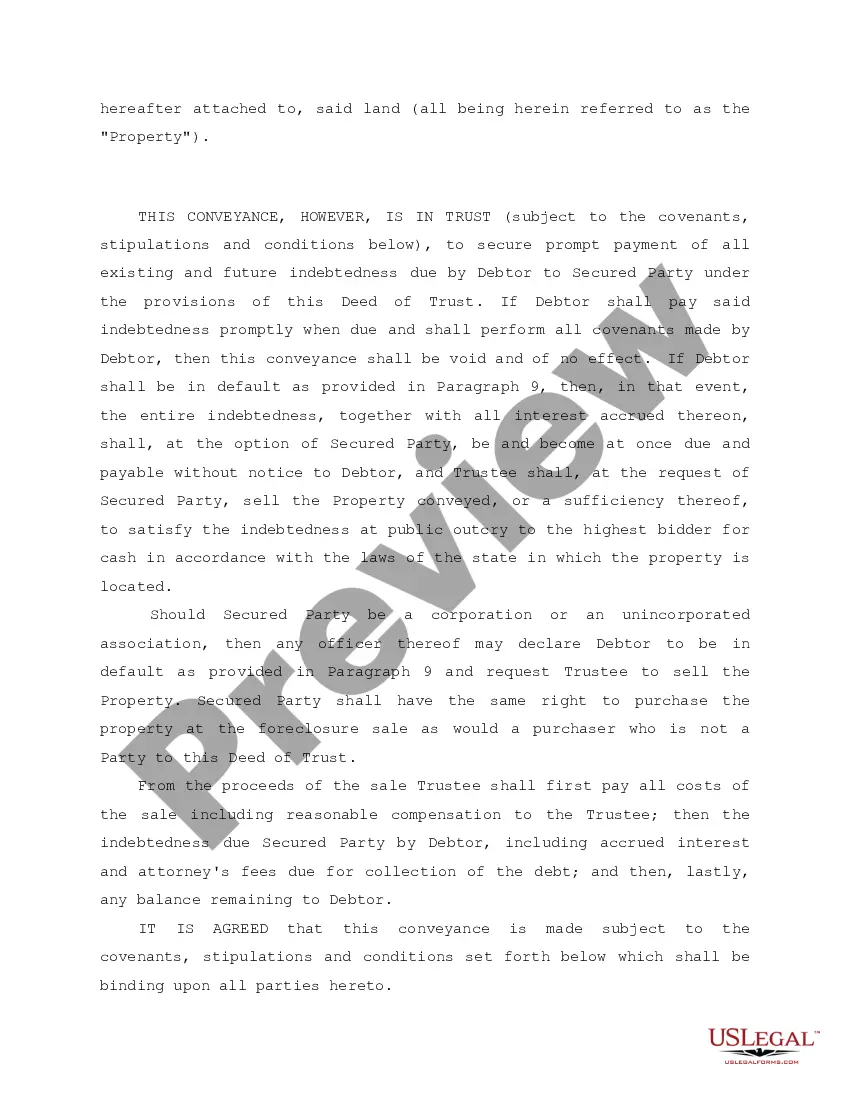
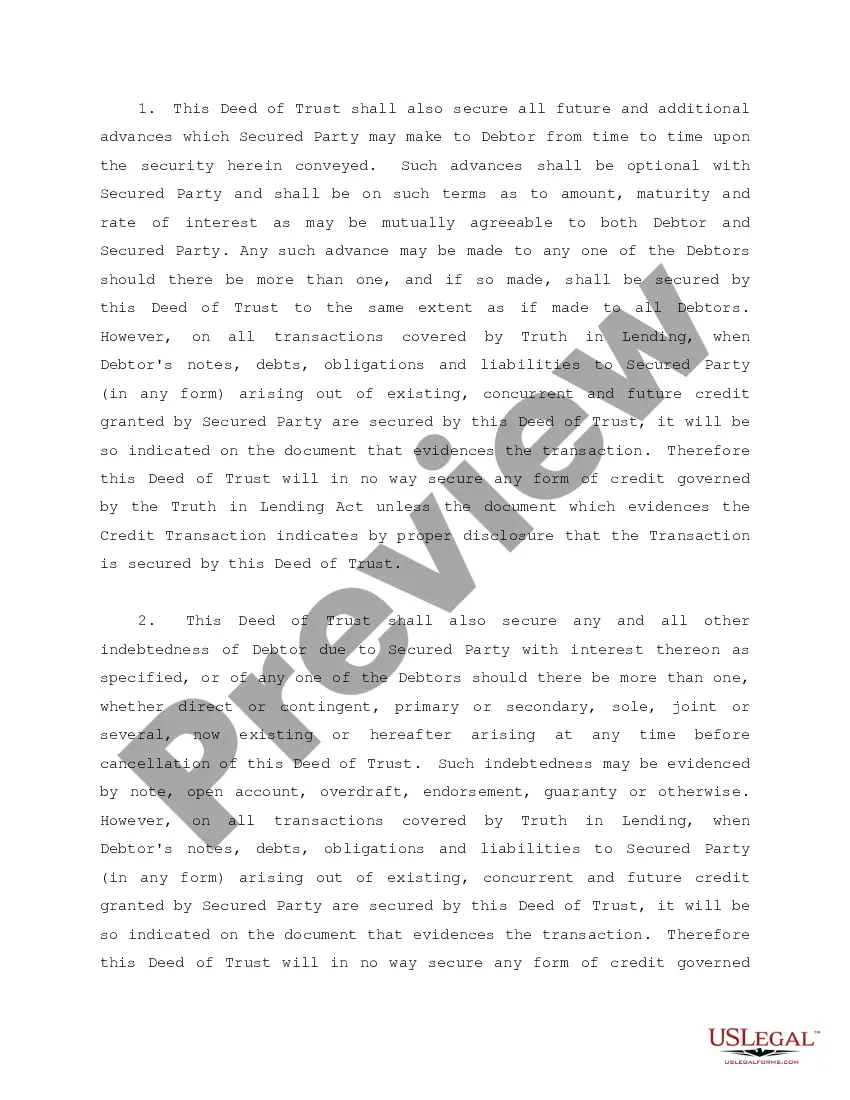
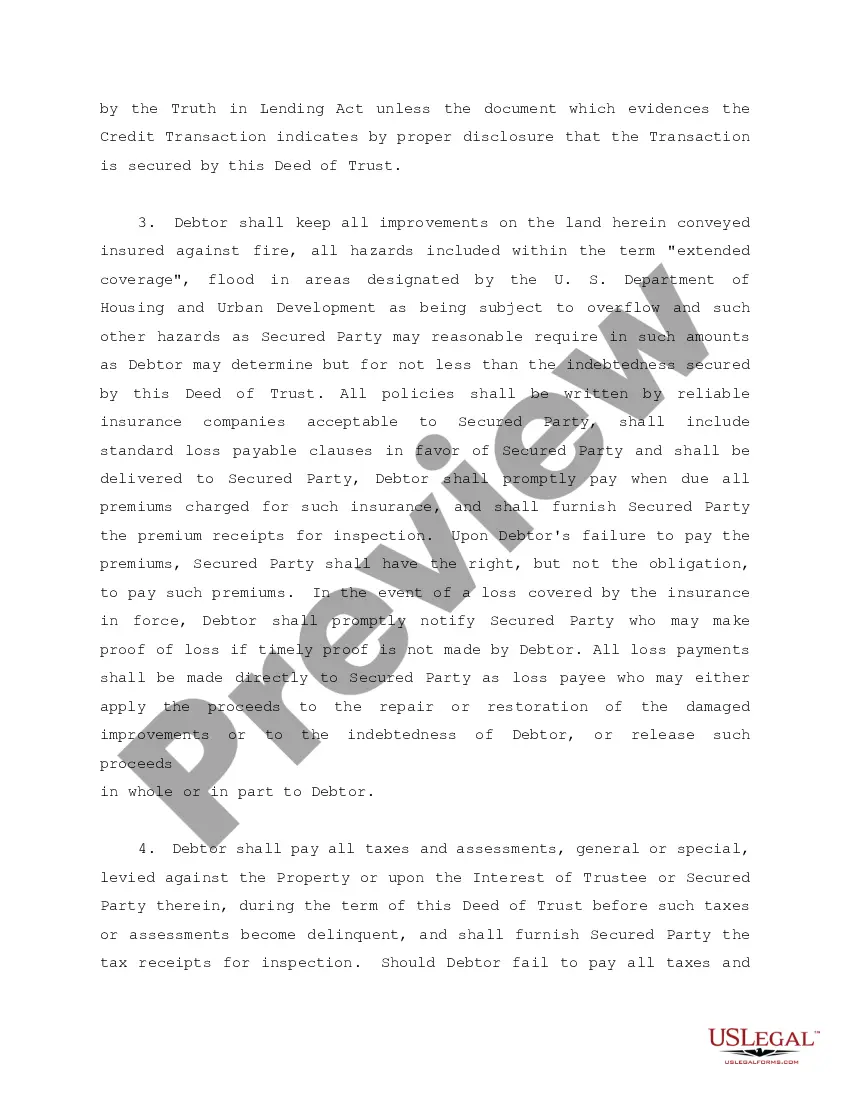
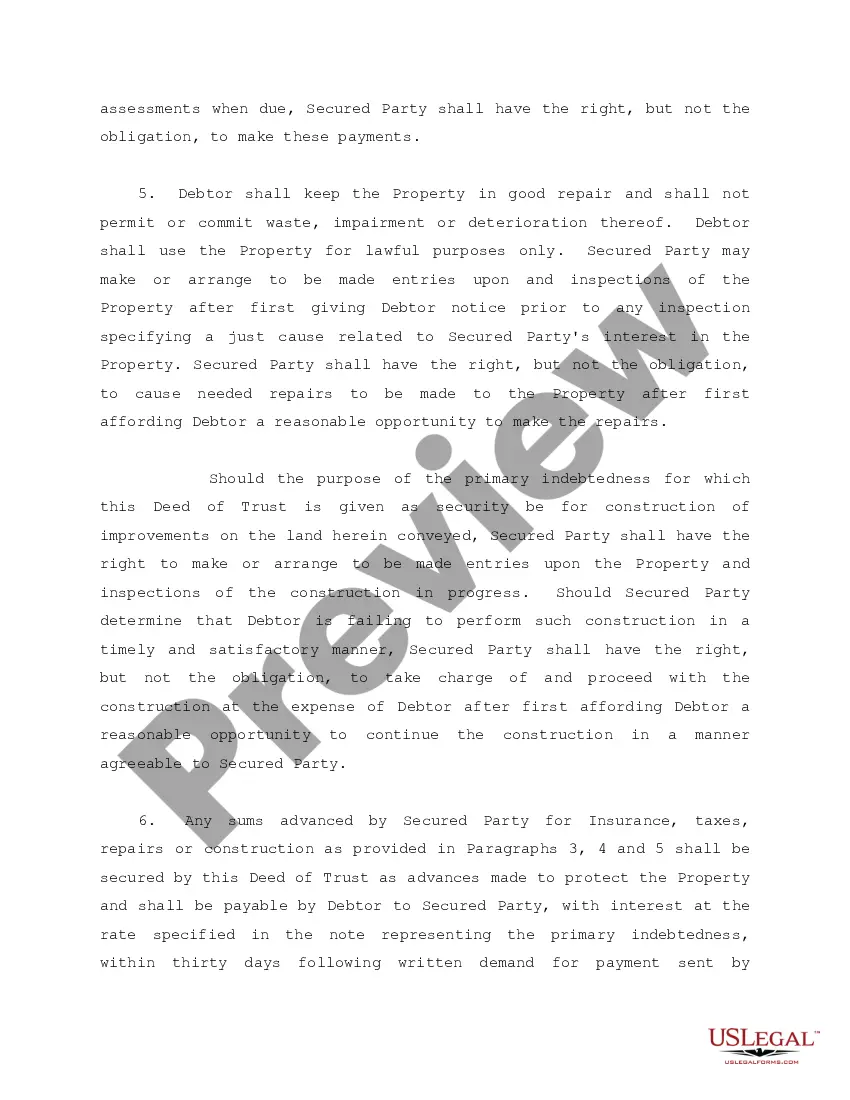
Secure Debt Shall Foreclose In Miami-Dade
Description


Get your form ready online
Our built-in tools help you complete, sign, share, and store your documents in one place.
Make edits, fill in missing information, and update formatting in US Legal Forms—just like you would in MS Word.
Download a copy, print it, send it by email, or mail it via USPS—whatever works best for your next step.
Sign and collect signatures with our SignNow integration. Send to multiple recipients, set reminders, and more. Go Premium to unlock E-Sign.
If this form requires notarization, complete it online through a secure video call—no need to meet a notary in person or wait for an appointment.
We protect your documents and personal data by following strict security and privacy standards.

Make edits, fill in missing information, and update formatting in US Legal Forms—just like you would in MS Word.

Download a copy, print it, send it by email, or mail it via USPS—whatever works best for your next step.

Sign and collect signatures with our SignNow integration. Send to multiple recipients, set reminders, and more. Go Premium to unlock E-Sign.

If this form requires notarization, complete it online through a secure video call—no need to meet a notary in person or wait for an appointment.

We protect your documents and personal data by following strict security and privacy standards.
Looking for another form?









Form popularity
FAQ
Foreclosure is when a lender uses a legal process to force the sale of a property (like a home) to cover a debt. This can happen when someone takes out a mortgage to buy a home and then stops making payments (defaults on the mortgage).
Under federal law, the servicer usually can't officially begin a foreclosure until you're more than 120 days past due on payments, subject to a few exceptions. (12 C.F.R. § 1024.41 (2024).) This 120-day period provides most homeowners ample opportunity to submit a loss mitigation application to the servicer.
Florida moved up to No. 2 with one in every 3,047 homes in foreclosure, followed by Connecticut (one in 3,210), Maryland (one in 3,535) and Indiana (one in 3,567). The city of Miami has one of the highest foreclosure rates (one in 2,551 homes), among metros with more than 1 million residents.
Foreclosure is a legal process that forces the sale of a home to cover a debt. Foreclosure is when a lender uses a legal process to force the sale of a property (like a home) to cover a debt. This can happen when someone takes out a mortgage to buy a home and then stops making payments (defaults on the mortgage).
A home can be sold during the pre-foreclosure phase, which can be a win for all parties involved.
In nonjudicial pre-foreclosure situations, the pre-foreclosure process is usually quick. For example, the pre-foreclosure process can be as short as 111 days in California. This includes a 90-day default notice period and a 21-day foreclosure sale notice.
In California, the pre-foreclosure process is governed by specific laws designed to protect homeowners. The California Homeowner Bill of Rights mandates that lenders must contact homeowners to explore options to avoid foreclosure, 30 days before filing a notice of default.
In nonjudicial pre-foreclosure situations, the pre-foreclosure process is usually quick. For example, the pre-foreclosure process can be as short as 111 days in California. This includes a 90-day default notice period and a 21-day foreclosure sale notice.
Foreclosure Litigation Timeline The Filing of the Lis Pendens. The Summons and Service of Process (10 to 20 days) ... The Answer (20 days) ... The Preliminary Hearing. The Summary Judgment Hearing (45 days) ... Foreclosure Sale Date (75 days) ... Redemption by Junior Lien Holders. Judicial Sale, Advertisement and Certificate of Title.
After you have redeemed your property, you will receive a “Clerk's Certificate of Satisfaction of Final Judgment of Foreclosure” which will be recorded in the Public Records at the County Recorder's Office – 22 NW 1st Street, Miami, Florida, 33128, phone # (305) 275-1155.
