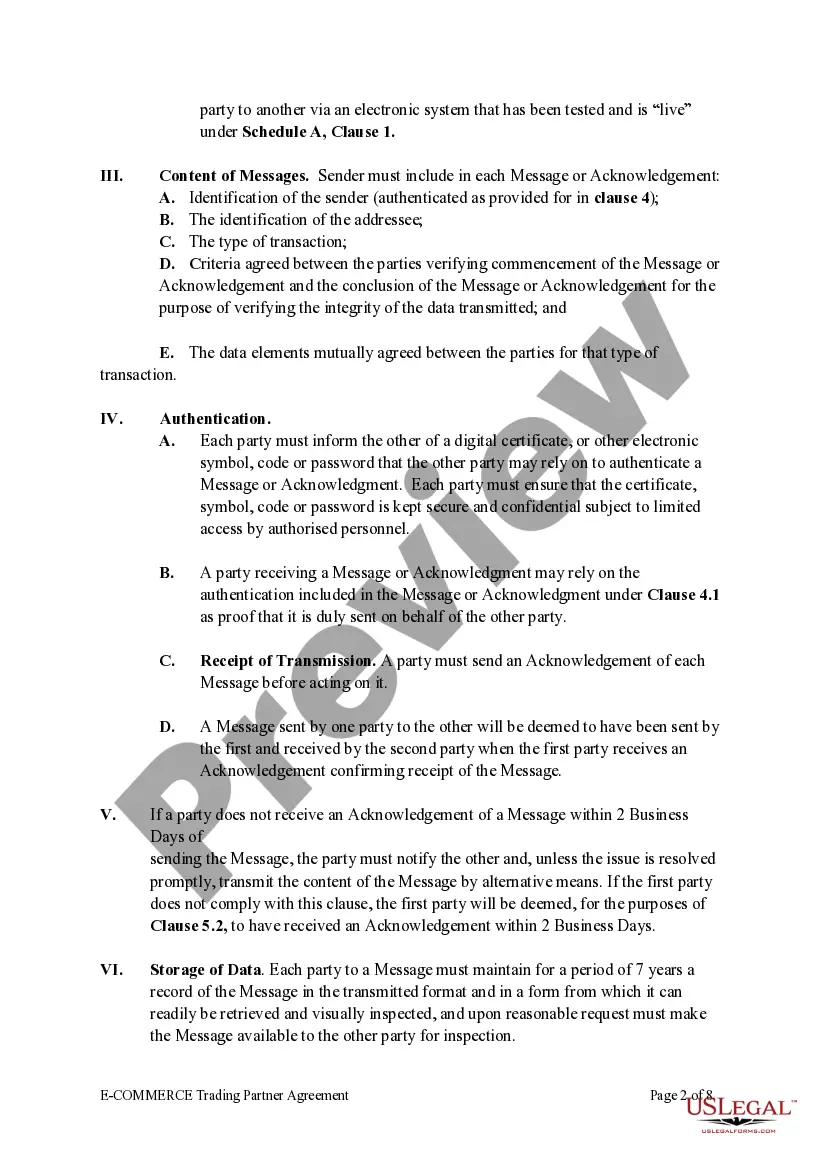
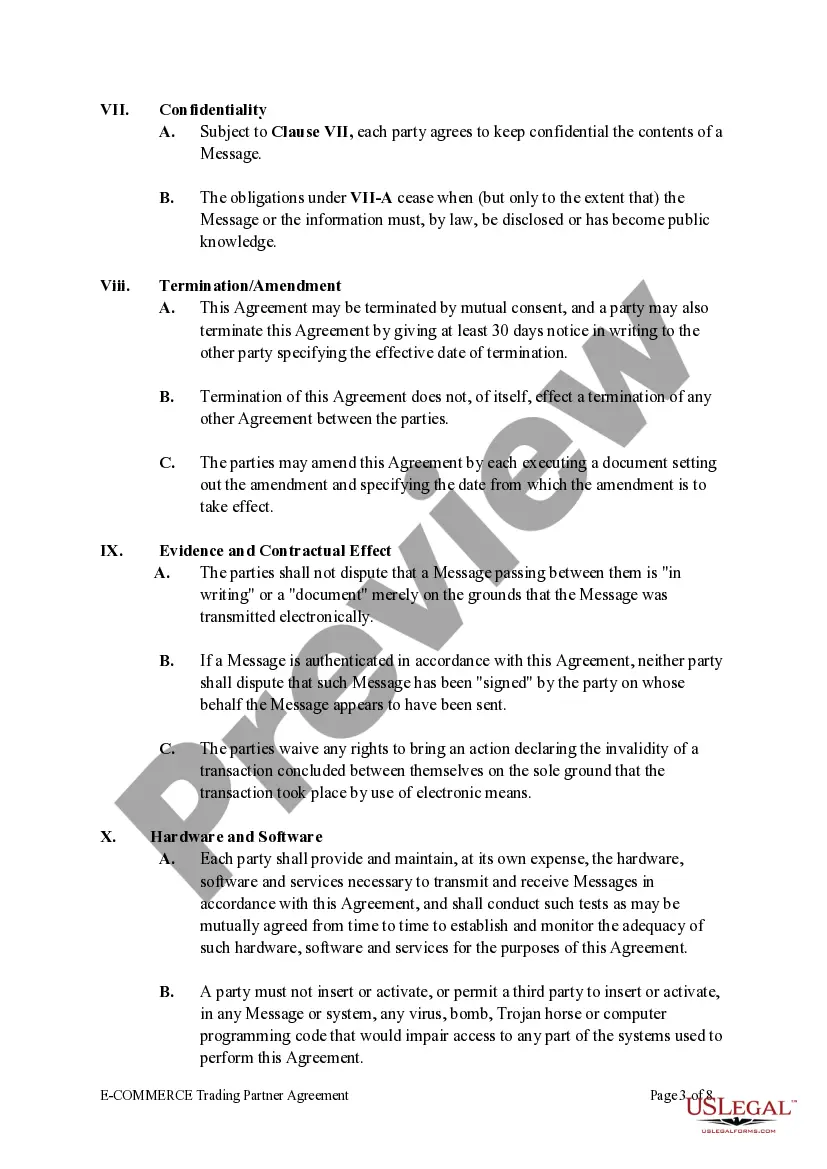
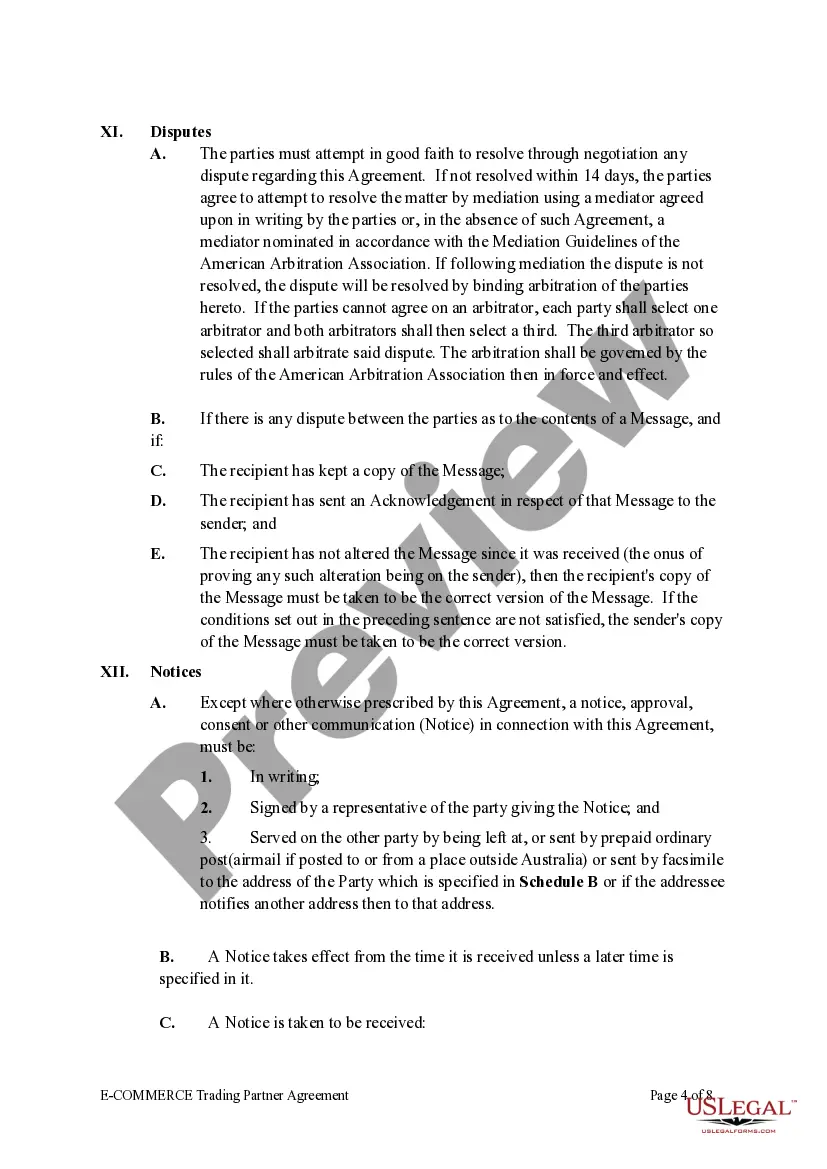
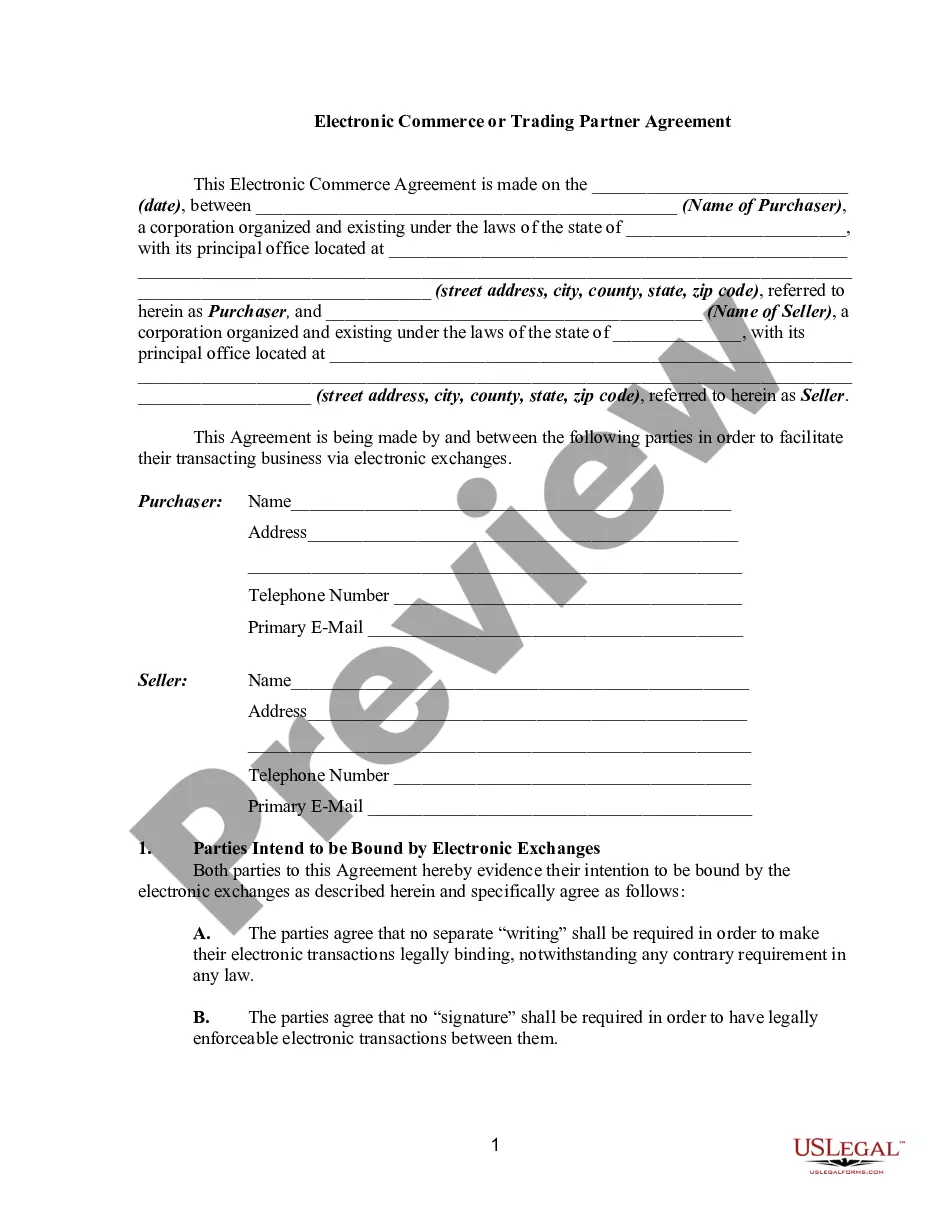
E Commerce Agreement Format In Florida
Description



Get your form ready online
Our built-in tools help you complete, sign, share, and store your documents in one place.
Make edits, fill in missing information, and update formatting in US Legal Forms—just like you would in MS Word.
Download a copy, print it, send it by email, or mail it via USPS—whatever works best for your next step.
Sign and collect signatures with our SignNow integration. Send to multiple recipients, set reminders, and more. Go Premium to unlock E-Sign.
If this form requires notarization, complete it online through a secure video call—no need to meet a notary in person or wait for an appointment.
We protect your documents and personal data by following strict security and privacy standards.

Make edits, fill in missing information, and update formatting in US Legal Forms—just like you would in MS Word.

Download a copy, print it, send it by email, or mail it via USPS—whatever works best for your next step.

Sign and collect signatures with our SignNow integration. Send to multiple recipients, set reminders, and more. Go Premium to unlock E-Sign.

If this form requires notarization, complete it online through a secure video call—no need to meet a notary in person or wait for an appointment.

We protect your documents and personal data by following strict security and privacy standards.
Looking for another form?








Form popularity
FAQ
Ecommerce (which stands for 'electronic commerce') is the process of trading online. It encompasses all the online activity involved in buying and selling products and services. This exchange could take place between two businesses (B2B) or between businesses and consumers (B2C).
An e-commerce website is any site that allows you to buy and sell products and services online. Companies like Amazon and Alibaba are examples of e-commerce websites.
Step 1: Research and validate your business idea. What problem or challenge are you seeking to solve? ... Step 2: Source products. Step 3: Choose an online selling channel. Step 4: List and optimize products. Step 5: Market and promote your ecommerce shop.
commerce (electronic commerce) is the buying and selling of goods and services, or the transmitting of funds or data, over an electronic network, primarily the internet.
How to write a business contract Determine why you need a contract. Define all applicable parties. Include all essential elements of a contract. Select the appropriate governing law and jurisdiction. Write everything in plain language. Use repeatable language and formats when possible. Use tables, lists, and other tools.
A user agreement is any contract between a website user and the site's owner or operator. These e-commerce contracts can be end-user license agreements (EULAs), terms of service/terms and conditions, or privacy policies. They outline the rights and obligations of both parties.
commerce, put simply, is the practice of buying and selling goods or services using the Internet. It has gained immense popularity as a way of doing business because it's convenient and accessible at the same time.
How to make an eCommerce website in 8 steps Pick the right eCommerce platform. Design your eCommerce website. Create and optimize your product pages. Set up payments. Set up shipping and delivery. Choose, register and connect your domain name. Test and launch your eCommerce site. Market and promote your eCommerce website.
The hierarchical structure of an ecommerce website should be no more than 3 levels deep, which means that a single homepage should be at the top of the hierarchy followed by the categories (level 1), subcategories (level 2), and then product pages (level 3).