Indenture For Land In Cuyahoga
Description

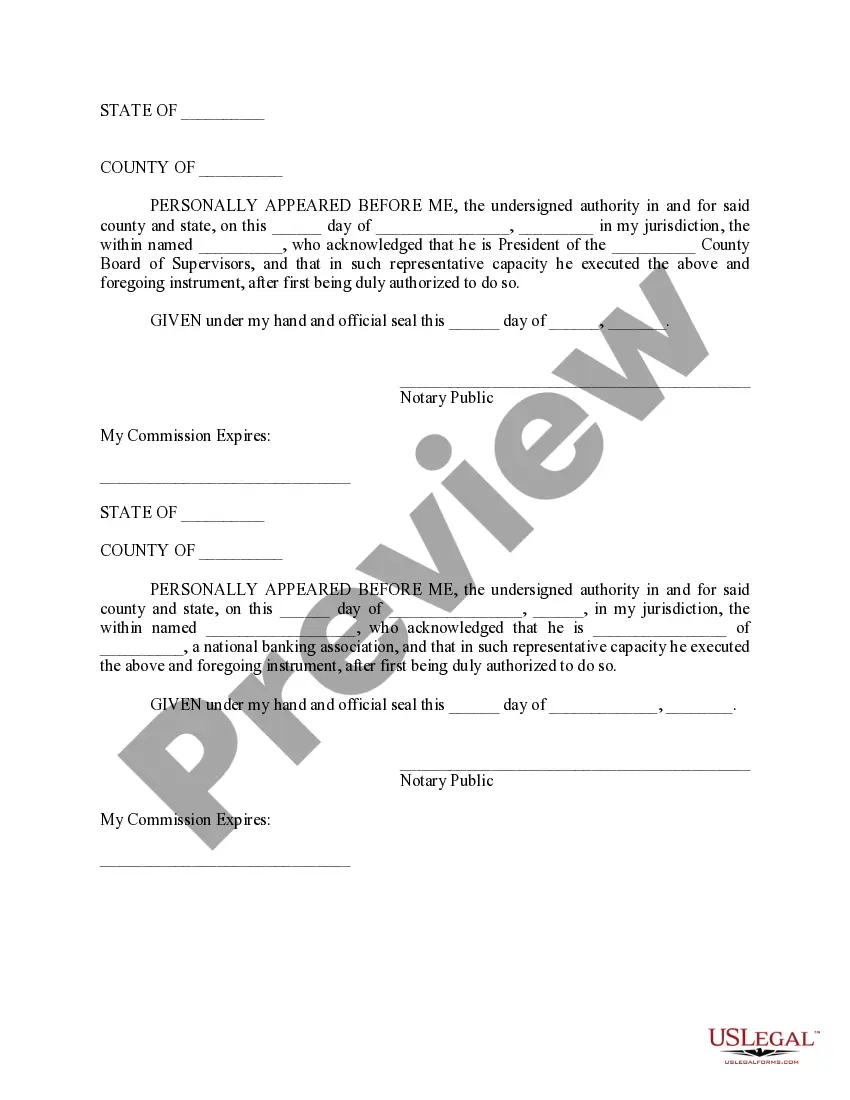
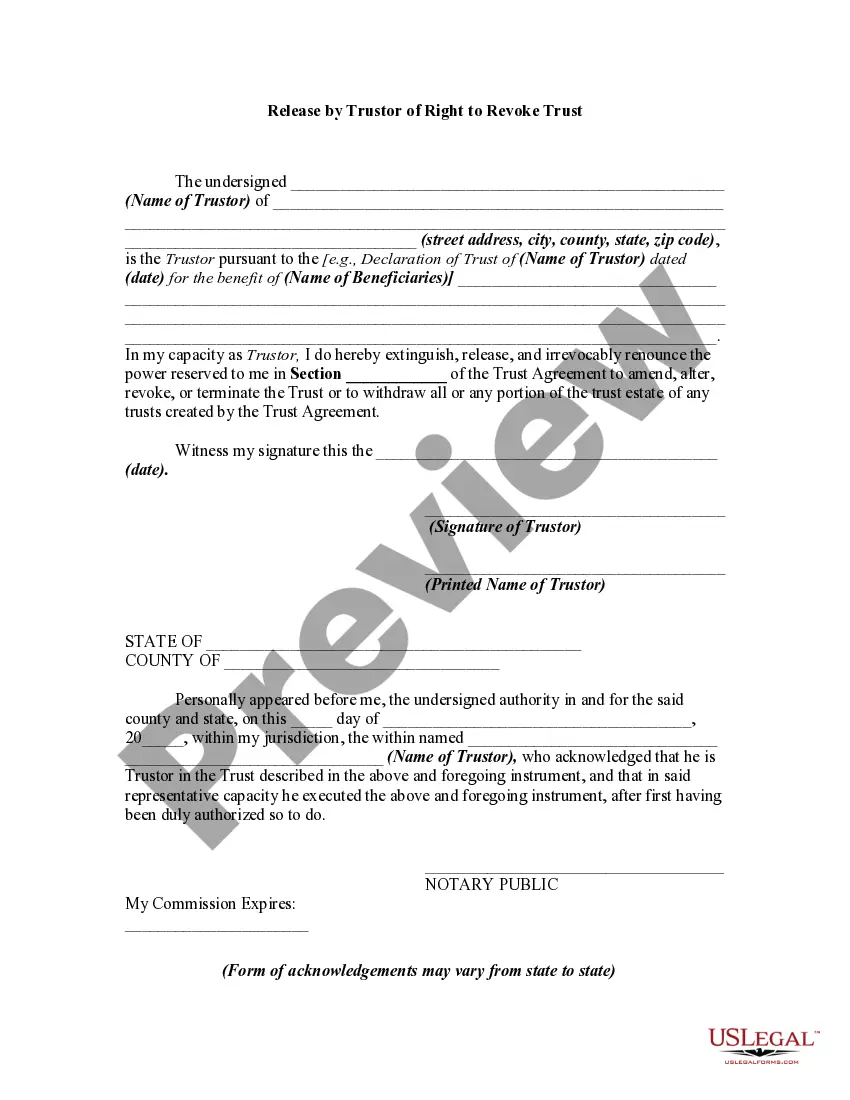
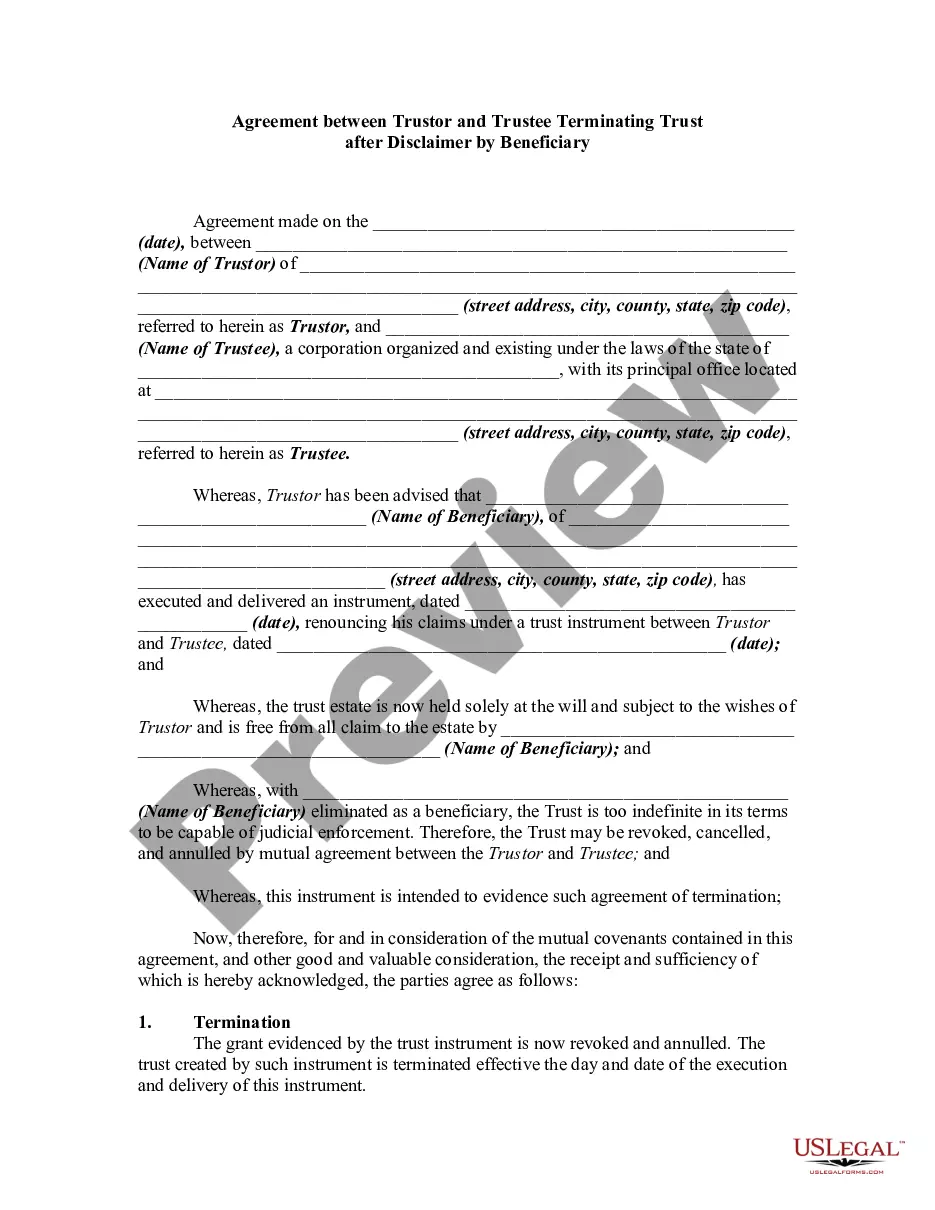
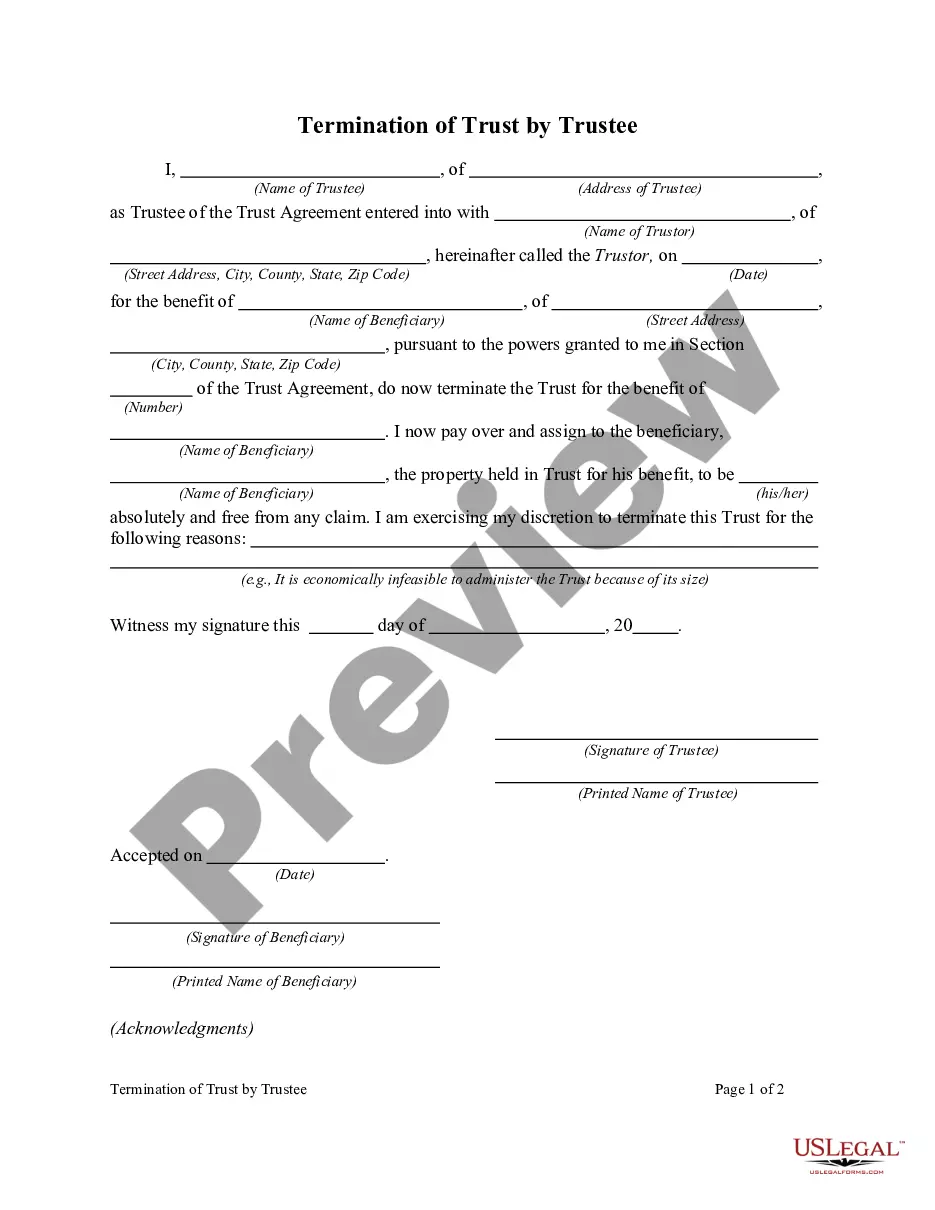
Get your form ready online
Our built-in tools help you complete, sign, share, and store your documents in one place.
Make edits, fill in missing information, and update formatting in US Legal Forms—just like you would in MS Word.
Download a copy, print it, send it by email, or mail it via USPS—whatever works best for your next step.
Sign and collect signatures with our SignNow integration. Send to multiple recipients, set reminders, and more. Go Premium to unlock E-Sign.
If this form requires notarization, complete it online through a secure video call—no need to meet a notary in person or wait for an appointment.
We protect your documents and personal data by following strict security and privacy standards.

Make edits, fill in missing information, and update formatting in US Legal Forms—just like you would in MS Word.

Download a copy, print it, send it by email, or mail it via USPS—whatever works best for your next step.

Sign and collect signatures with our SignNow integration. Send to multiple recipients, set reminders, and more. Go Premium to unlock E-Sign.

If this form requires notarization, complete it online through a secure video call—no need to meet a notary in person or wait for an appointment.

We protect your documents and personal data by following strict security and privacy standards.
Looking for another form?




Form popularity
FAQ
Deeds and additional ownership documentation (circa 1810 to present) is available online or in person at the Recorder's Office, located on the 4th floor of the Cuyahoga County Administration Building. Circa 1860-1945, available at the Cuyahoga County Archives.
In Ohio, the local county recorder is the main office that collects, files, and maintains property records. Each county has its own office, and in Ohio, that means at least 88 offices. Property records must be filed with the county recorder's office where the property is located.
If you want to obtain a copy of the deed to your home, contact your local county recorder. In Ohio, county recorders are responsible for maintaining land records and making them accessible to the public.
Deeds and additional ownership documentation (circa 1810 to present) is available online or in person at the Recorder's Office, located on the 4th floor of the Cuyahoga County Administration Building. Circa 1860-1945, available at the Cuyahoga County Archives.
Document Formatting Requirements (9) A one and one-half-inch margin of blank space across the top of each of the remaining pages of the instrument or document to accommodate any certification or endorsement of the county engineer, county auditor, or county recorder, as may be required by law.
To change a name on a Deed: Execute a new deed. Present it to the Auditor's Deed Transfer Department for either a "Transfer" or "No Transfer" stamp. Present the deed to the Recorder's Office for recordation.
Margins of at least 1 inch of each side of the page and on the bottom; 3 inch margins on the top of the first page, reserved for Recorder, Auditor and Engineer; 1 1/2 inch margin on the top of each remaining pages.
In Ohio, only an attorney can draft a deed for others. All title companies must use an attorney to draft deeds. Many clients ask why they need to engage a lawyer to draft a deed if they can download a form off the Internet.
A: Yes, a quitclaim deed can protect you by getting the deed in your own name exclusively. This is possible through a divorce proceeding or your spouse can sign a quitclaim to relinquish his rights to the property. If the mortgage is in your spouse's name, it doesn't mean he has an ownership interest.
