Escrow Seller Does For Seller In North Carolina
Description

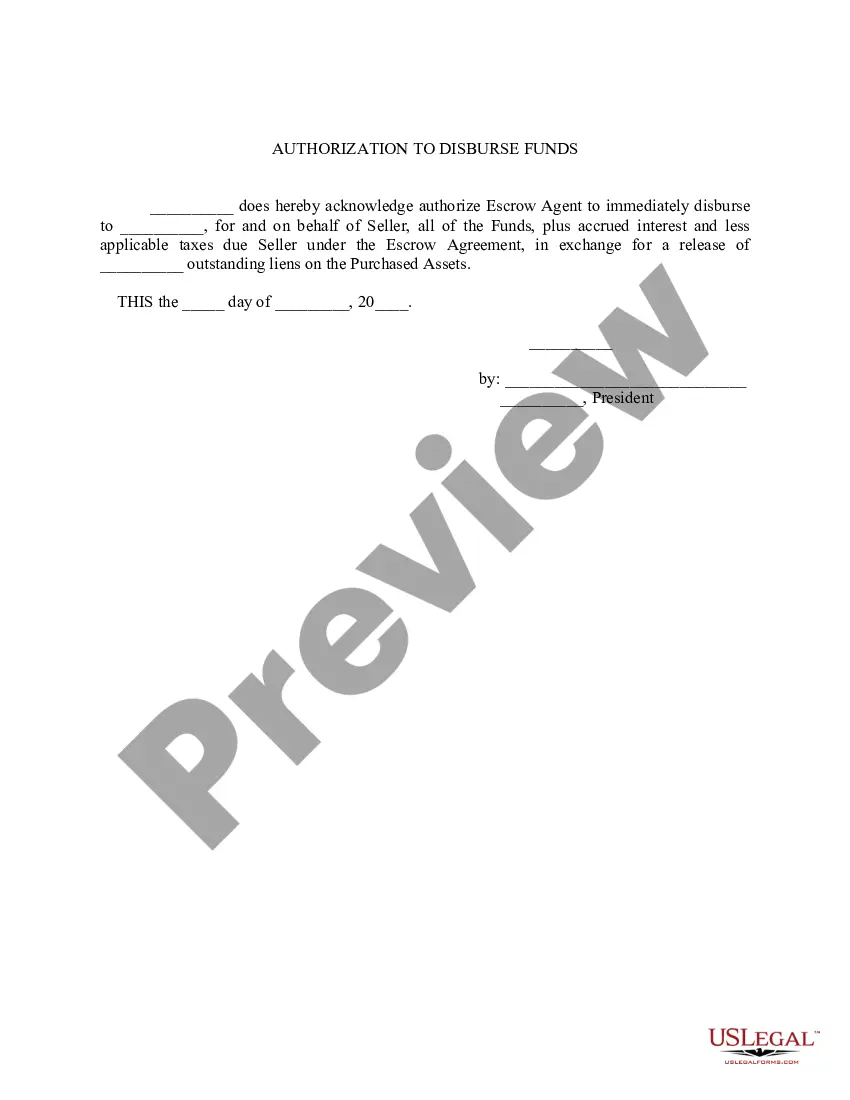
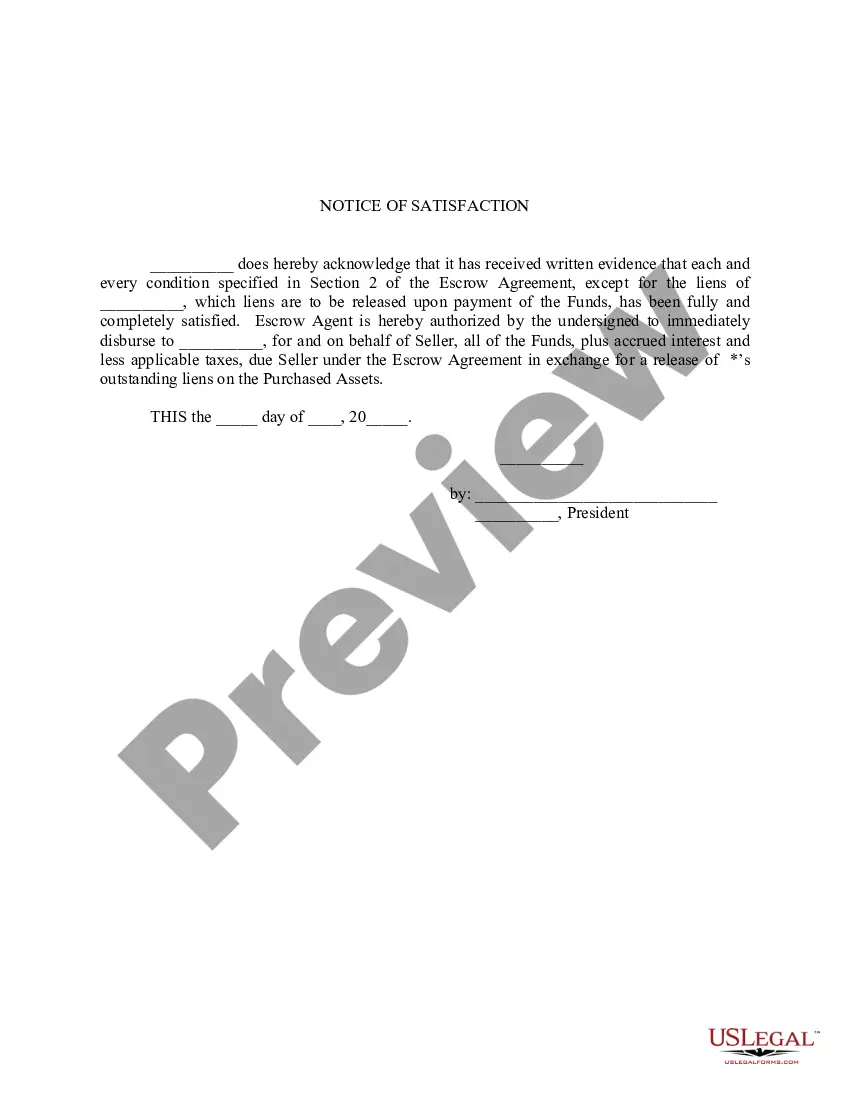
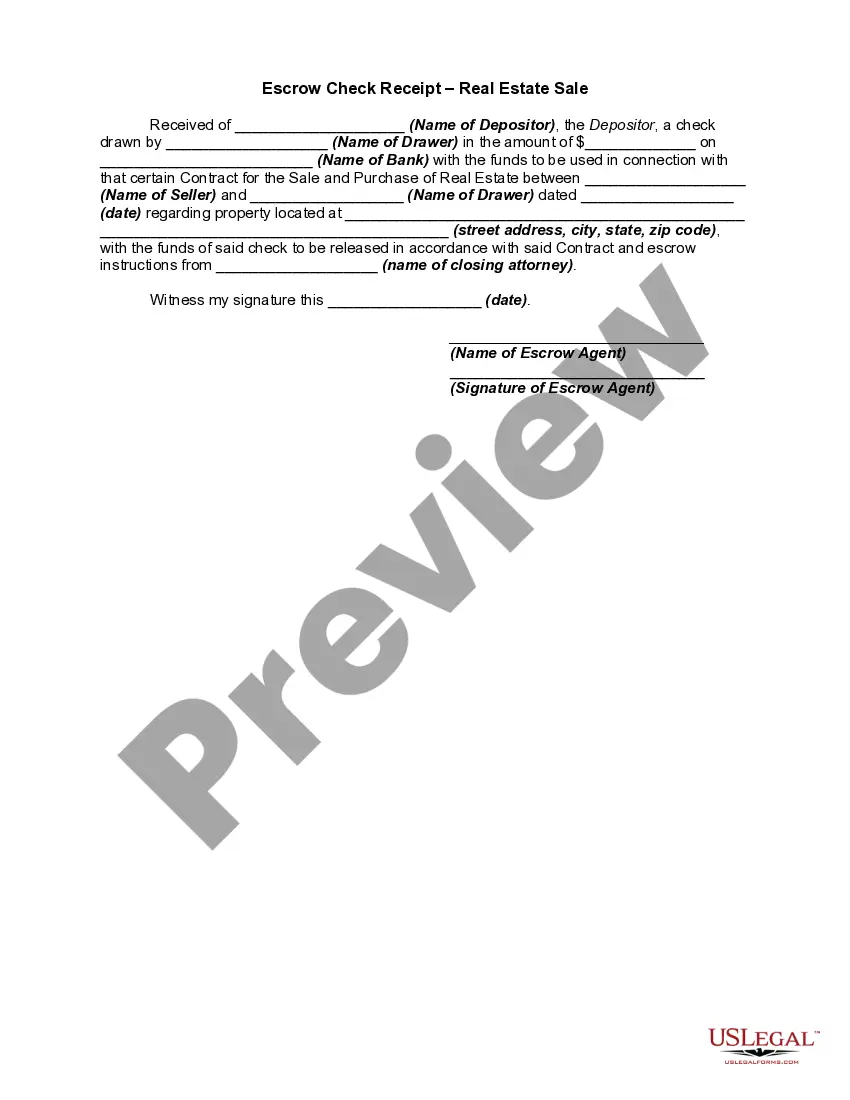
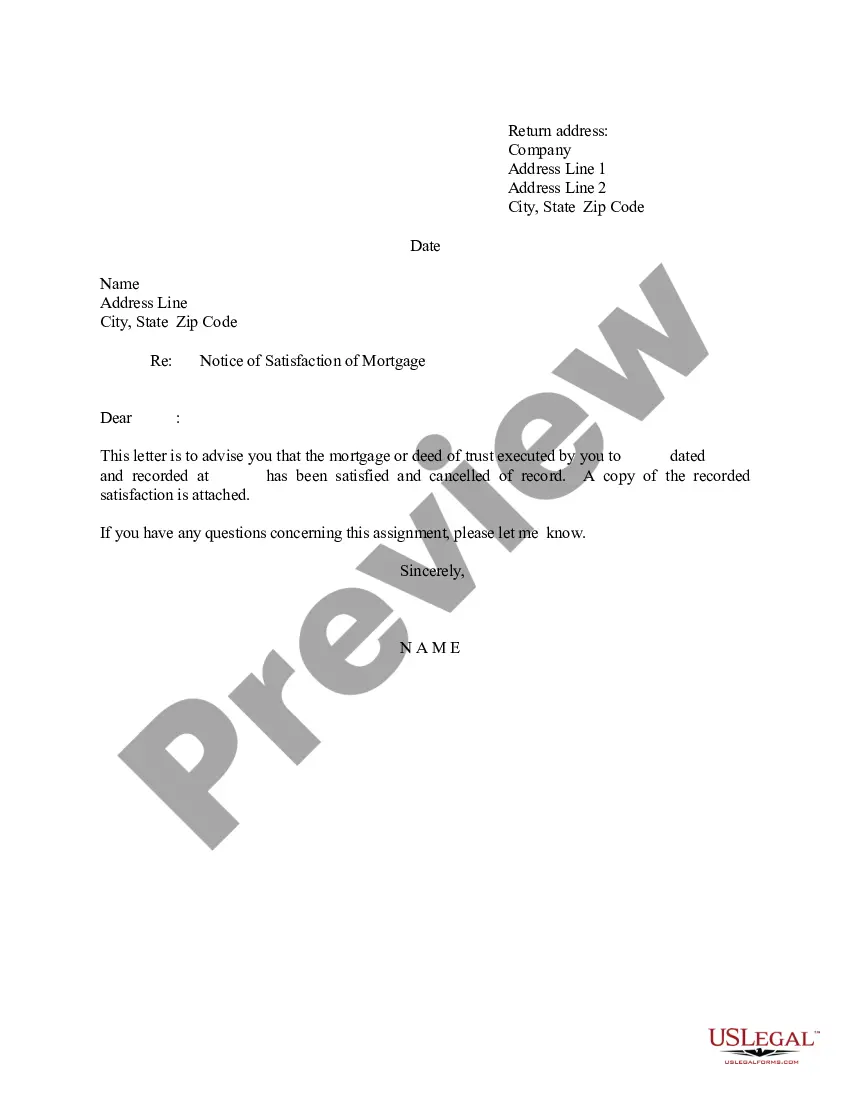
Get your form ready online
Our built-in tools help you complete, sign, share, and store your documents in one place.
Make edits, fill in missing information, and update formatting in US Legal Forms—just like you would in MS Word.
Download a copy, print it, send it by email, or mail it via USPS—whatever works best for your next step.
Sign and collect signatures with our SignNow integration. Send to multiple recipients, set reminders, and more. Go Premium to unlock E-Sign.
If this form requires notarization, complete it online through a secure video call—no need to meet a notary in person or wait for an appointment.
We protect your documents and personal data by following strict security and privacy standards.

Make edits, fill in missing information, and update formatting in US Legal Forms—just like you would in MS Word.

Download a copy, print it, send it by email, or mail it via USPS—whatever works best for your next step.

Sign and collect signatures with our SignNow integration. Send to multiple recipients, set reminders, and more. Go Premium to unlock E-Sign.

If this form requires notarization, complete it online through a secure video call—no need to meet a notary in person or wait for an appointment.

We protect your documents and personal data by following strict security and privacy standards.
Looking for another form?





Form popularity
FAQ
Unlike some states that allow title companies to facilitate home sales, residential property sales in North Carolina must be processed by a residential real estate attorney. In addition to the buyer, seller, and their attorneys, real estate agents and either an escrow or settlement agent may be involved in the closing.
An NC-licensed real estate broker or attorney act- ing as Escrow Agent may also deposit a disputed EMD with the Clerk of Court in the county where the property for which the disputed EMD is being held is located, following 90-days written notice to the disputing parties.
In California, the buyer may choose the escrow company.
While the buyer or the buyer's real estate agent usually chooses the closing or escrow company, the seller can agree to the buyer's selection or counter with another choice. Although the seller generally agrees with the buyer's suggestion, the selection of the company is negotiable.
The escrow or settlement company will hold your deposit and coordinate much of the activity that goes on during the escrow period. This deposit check may also be held by an attorney or in the broker's trust account. Make sure that there are sufficient funds in your account to cover this check.
The closing agent works for you, so don't hesitate to ask questions along the way. The closing agent is an impartial party to the transaction and is there to provide information and facilitate the transfer of the property from the seller to buyer.
Who Does The Escrow Agent Work For? Escrow agents act as neutral third parties in these types of transactions. They serve the escrow agreement, and as such, they don't work for either the buyer or the seller.
The escrow agent must act on behalf of the best interests of both parties: the buyer and the seller. A closing agent is another neutral third-party that manages the entire process of homebuying on your behalf.
In North Carolina, a licensed real estate attorney is required to handle all residential real estate closings.
