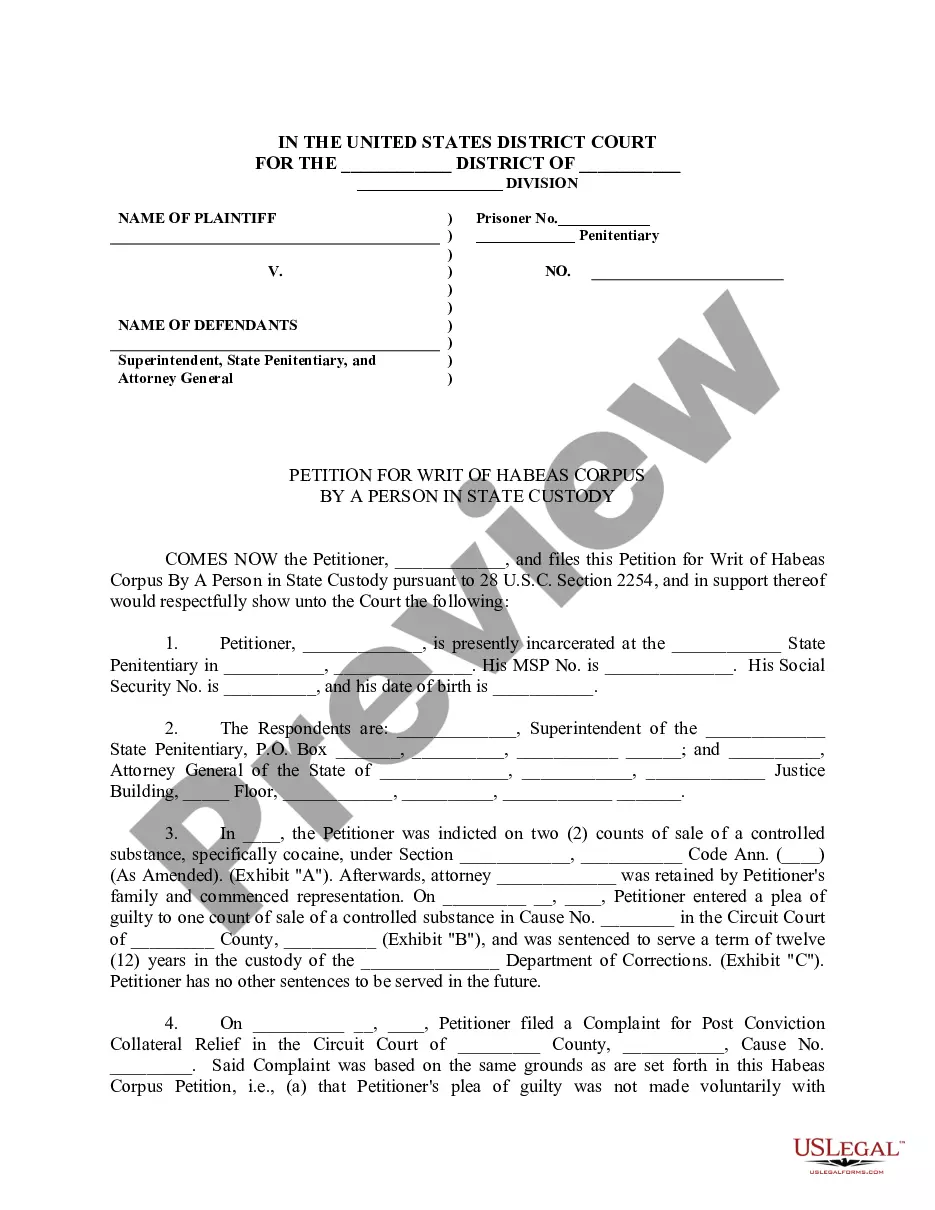
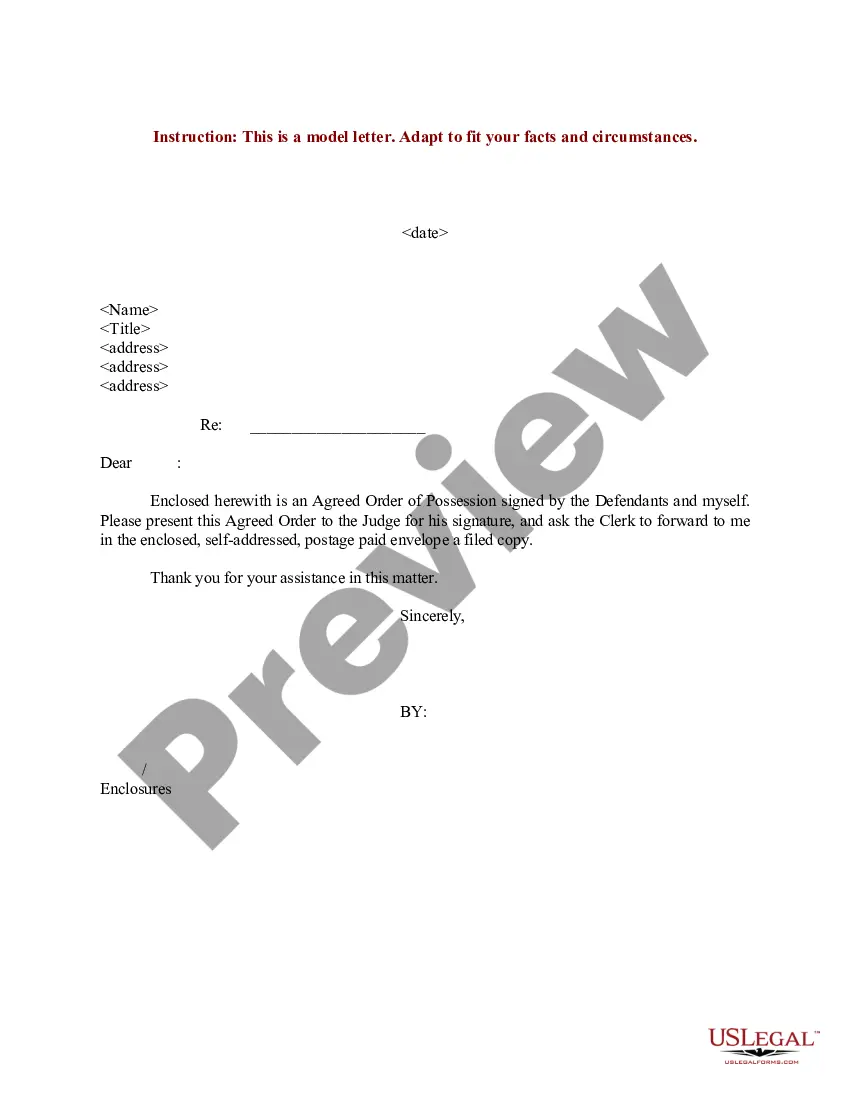
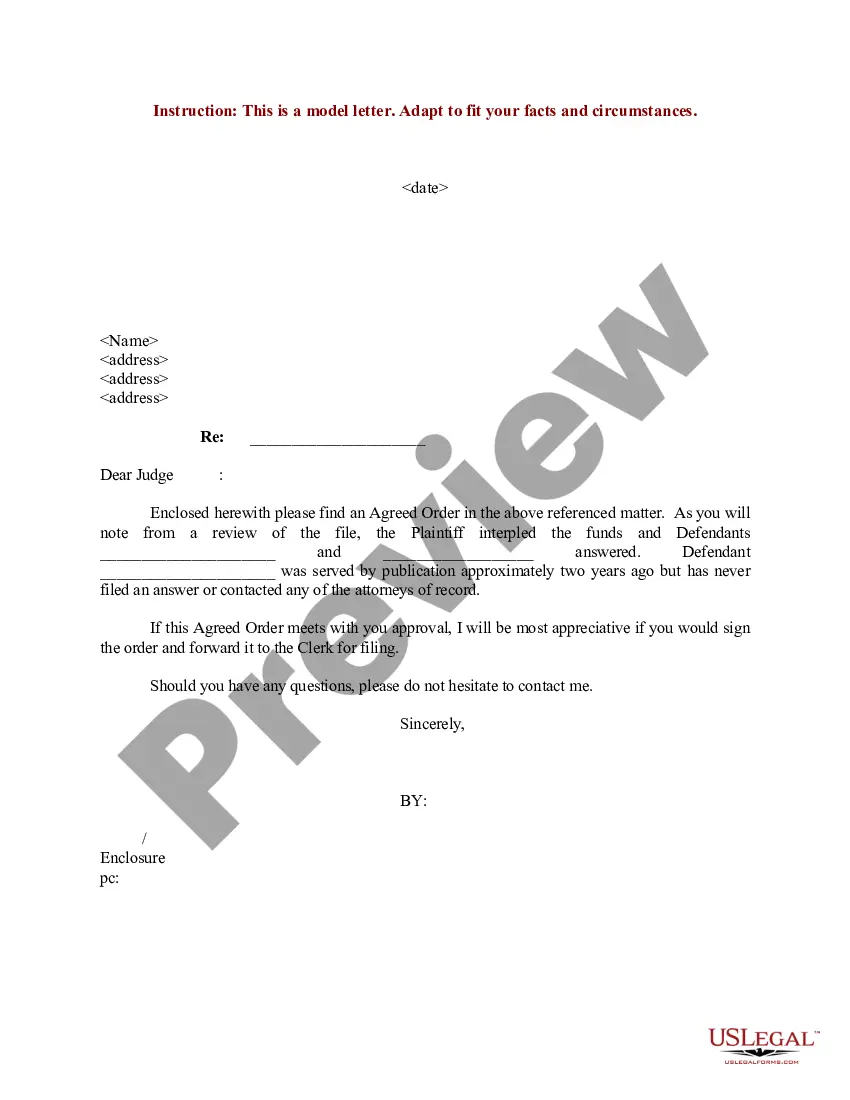
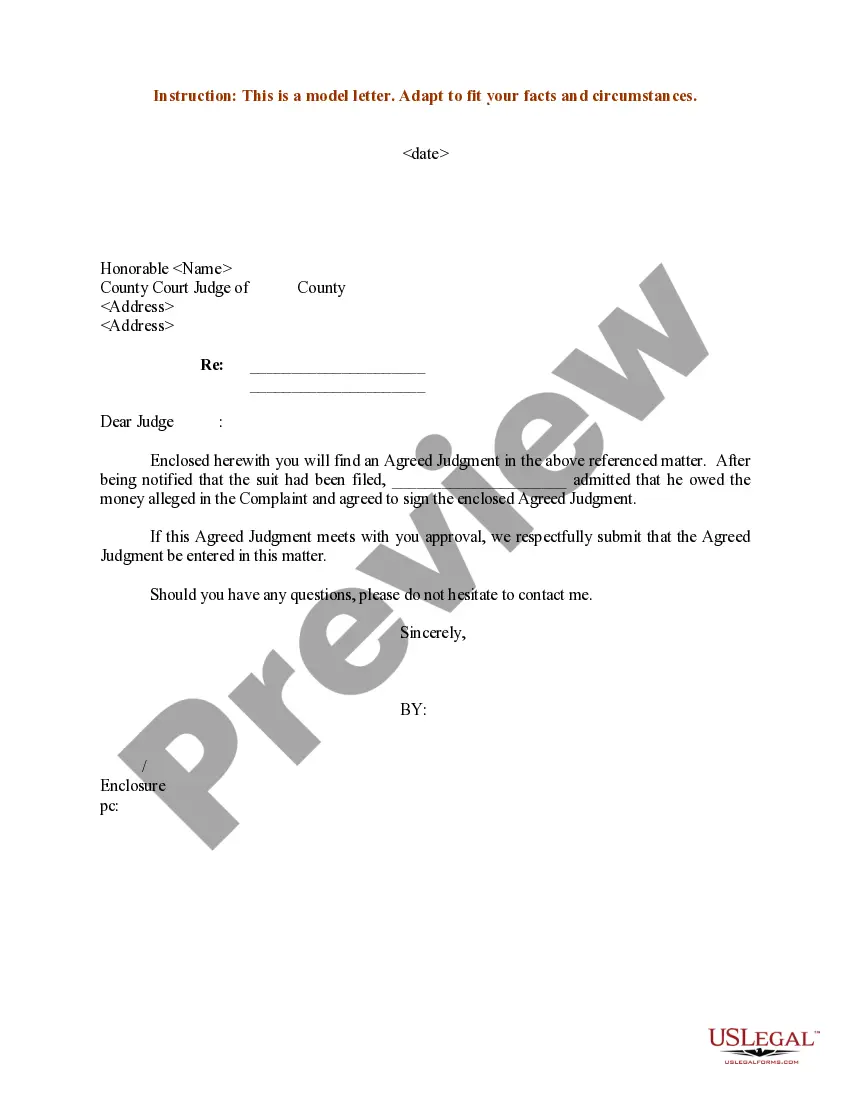
Letter To Court Template With Formulas In Maryland
Description
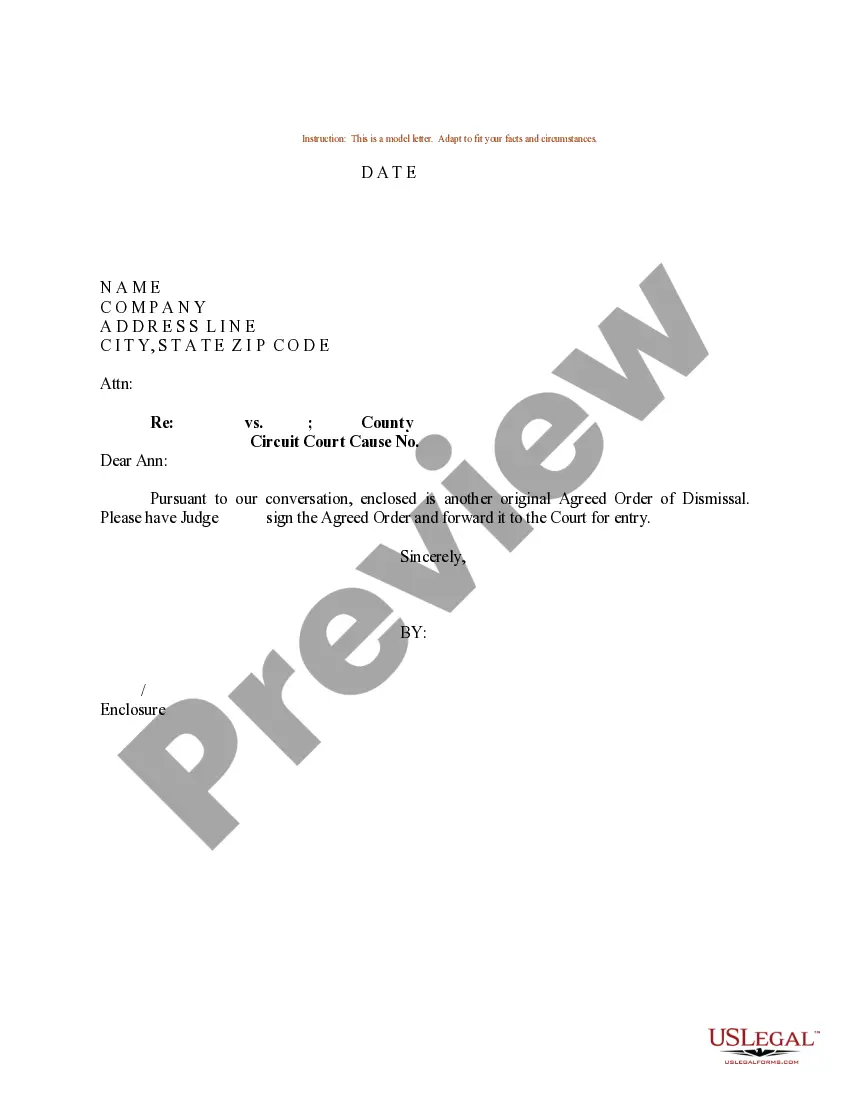
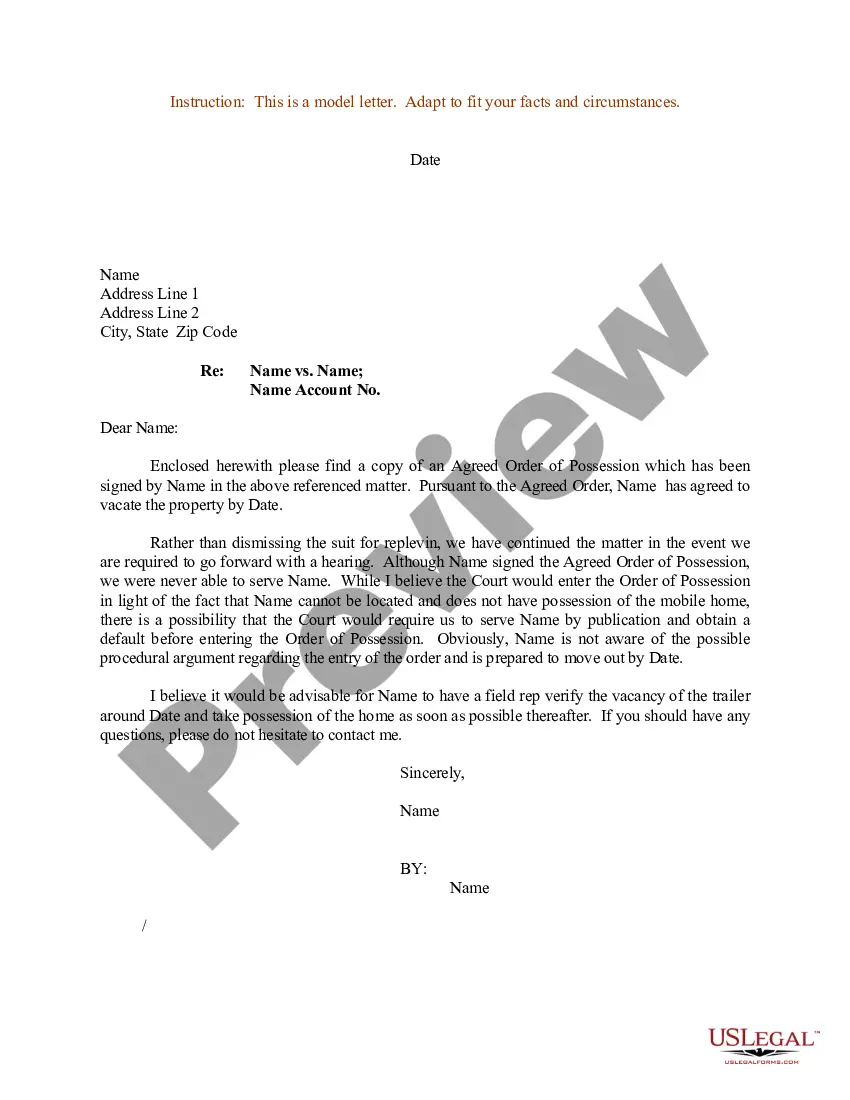
Get your form ready online
Our built-in tools help you complete, sign, share, and store your documents in one place.
Make edits, fill in missing information, and update formatting in US Legal Forms—just like you would in MS Word.
Download a copy, print it, send it by email, or mail it via USPS—whatever works best for your next step.
Sign and collect signatures with our SignNow integration. Send to multiple recipients, set reminders, and more. Go Premium to unlock E-Sign.
If this form requires notarization, complete it online through a secure video call—no need to meet a notary in person or wait for an appointment.
We protect your documents and personal data by following strict security and privacy standards.

Make edits, fill in missing information, and update formatting in US Legal Forms—just like you would in MS Word.

Download a copy, print it, send it by email, or mail it via USPS—whatever works best for your next step.

Sign and collect signatures with our SignNow integration. Send to multiple recipients, set reminders, and more. Go Premium to unlock E-Sign.

If this form requires notarization, complete it online through a secure video call—no need to meet a notary in person or wait for an appointment.

We protect your documents and personal data by following strict security and privacy standards.
Looking for another form?
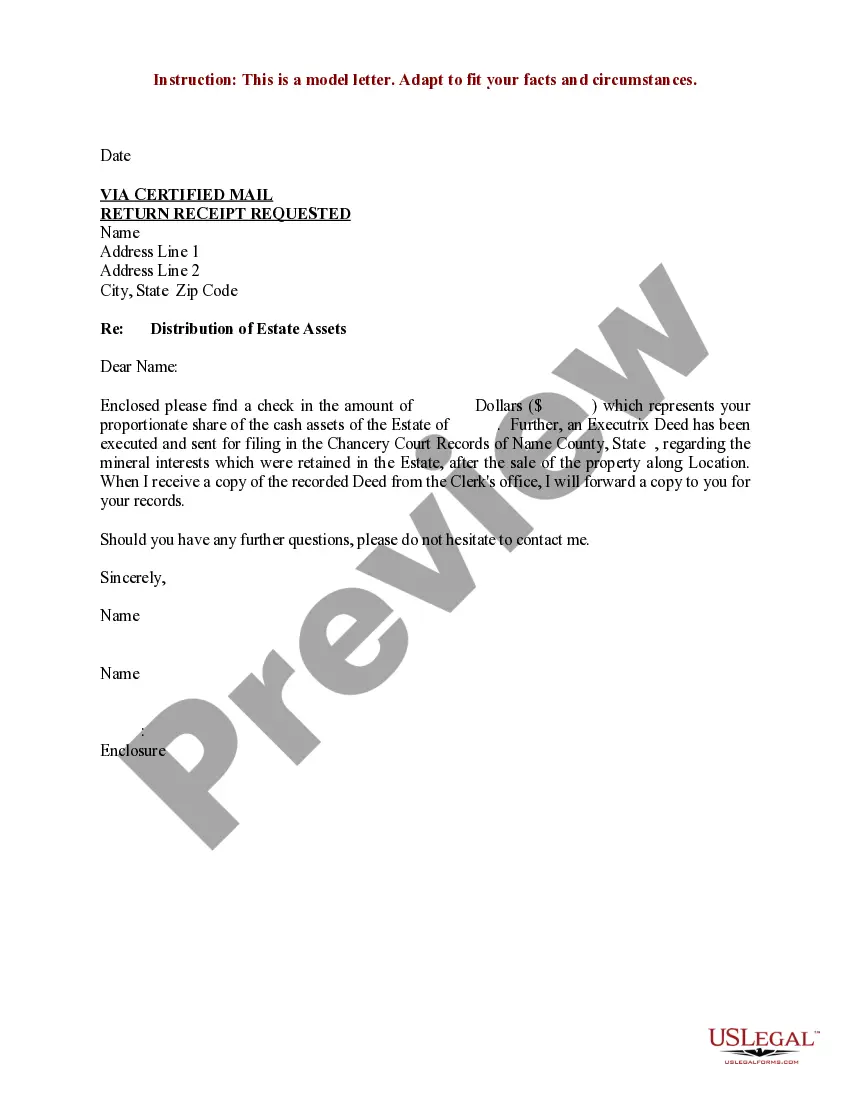
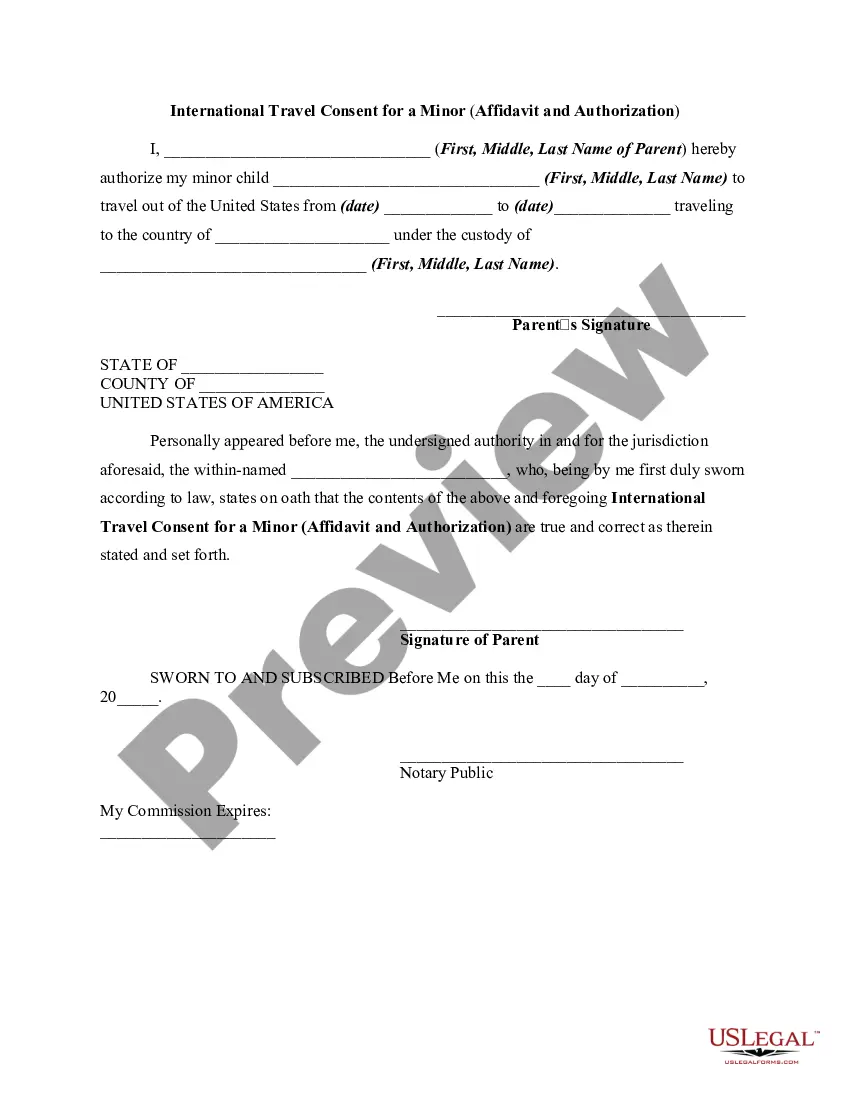
Form popularity
FAQ
Most judicial records are in the custody of a local clerk's office. To request those records, please contact the appropriate clerk's office, which is generally where the case was filed or the hearing or trial was conducted.
Notice of Intention to Defend - This is a form located on the bottom of your summons. Complete the Notice of Intention to Defend if you dispute owing all or some of what the plaintiff claims. The completed form must be returned to the Maryland District Court location listed at the top of your summons.
Interrogatories can be quicker, less costly, and less complicated than depositions, but there are downsides. Since the questions are written, the witness may have more time to think and craft answers, rather than providing more candid answers during discovery.
Definition: Written questions submitted to a party from his or her adversary to ascertain answers that are prepared in writing and signed under oath and that have relevance to the issues in a lawsuit.
Transcript requests must be in writing, via mail, fax or e-mail. No transcript requests will be accepted over the telephone. For your convenience, you may fill out a Transcript Request Form (MS Word) (PDF) and return it as instructed on the form.
Interrogatories are written questions sent by one party in a lawsuit to another party in that same suit, which the responding party must answer under penalty of perjury. Interrogatories allow the parties to ask who, what, when, where and why questions, making them a good method for obtaining new information.
Interrogatories in Aid of Execution are up to fifteen (15) written questions to the debtor about their assets and income. The debtor is required to answer these questions under oath. You may serve interrogatories on the debtor through first-class mail.
Most judicial records are in the custody of a local clerk's office. To request those records, please contact the appropriate clerk's office, which is generally where the case was filed or the hearing or trial was conducted.
Someone who is over 18 years old and is not a party to the law suit may give service. The person who is responsible for service must physically give a copy of all necessary forms to the person whom you filed a complaint against in court (the defendant).
Enter the Case Number Enter your case number using one of the following formats: 99-12345. -cv-12345.