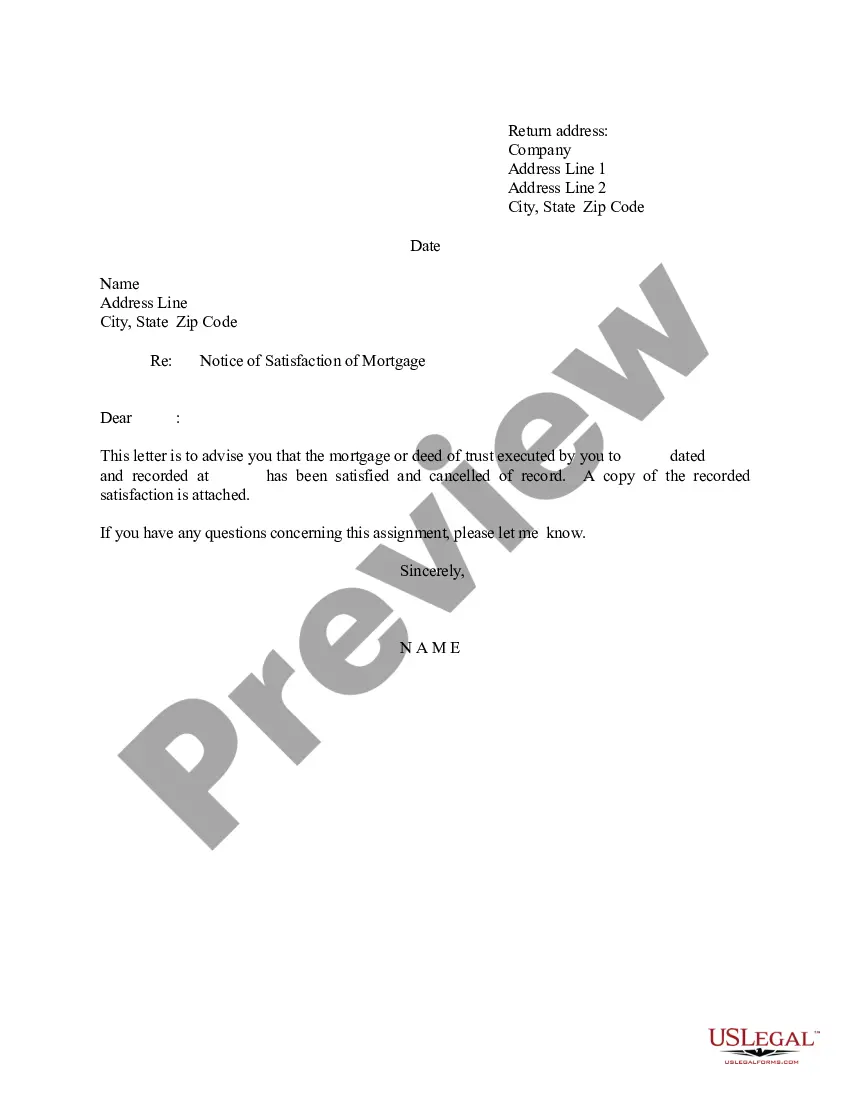
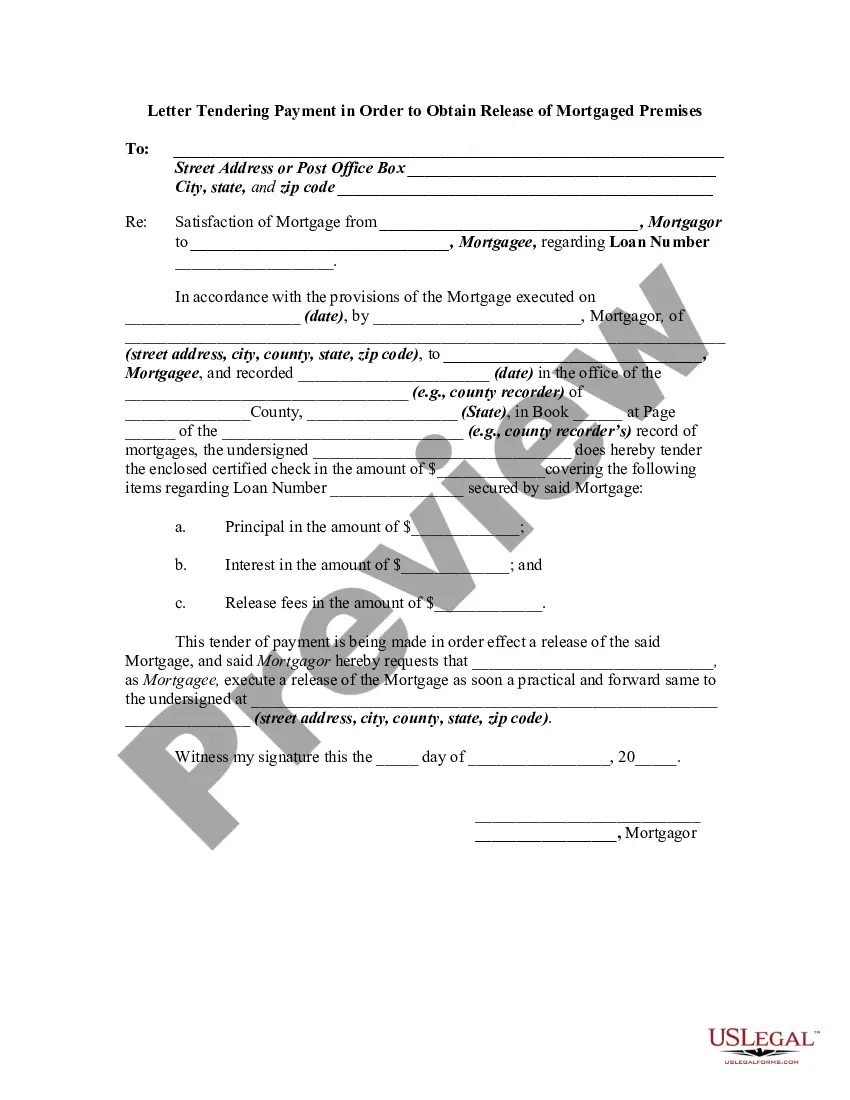
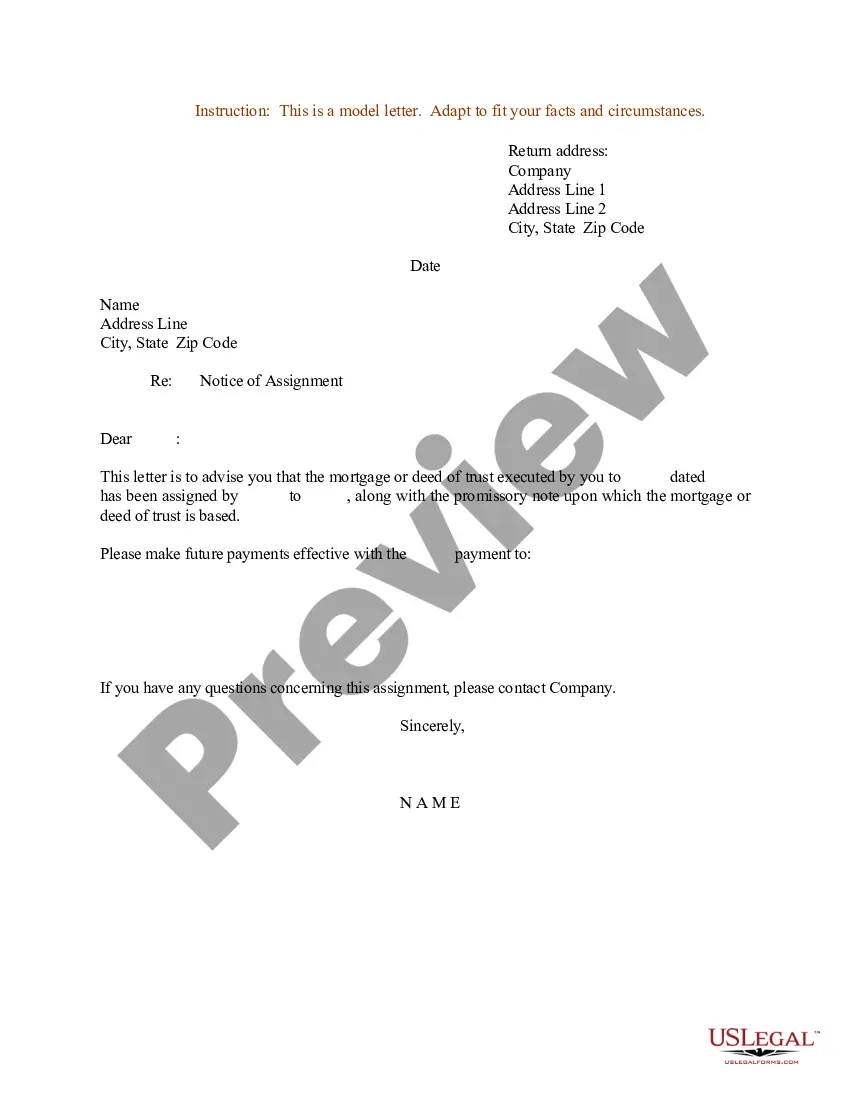
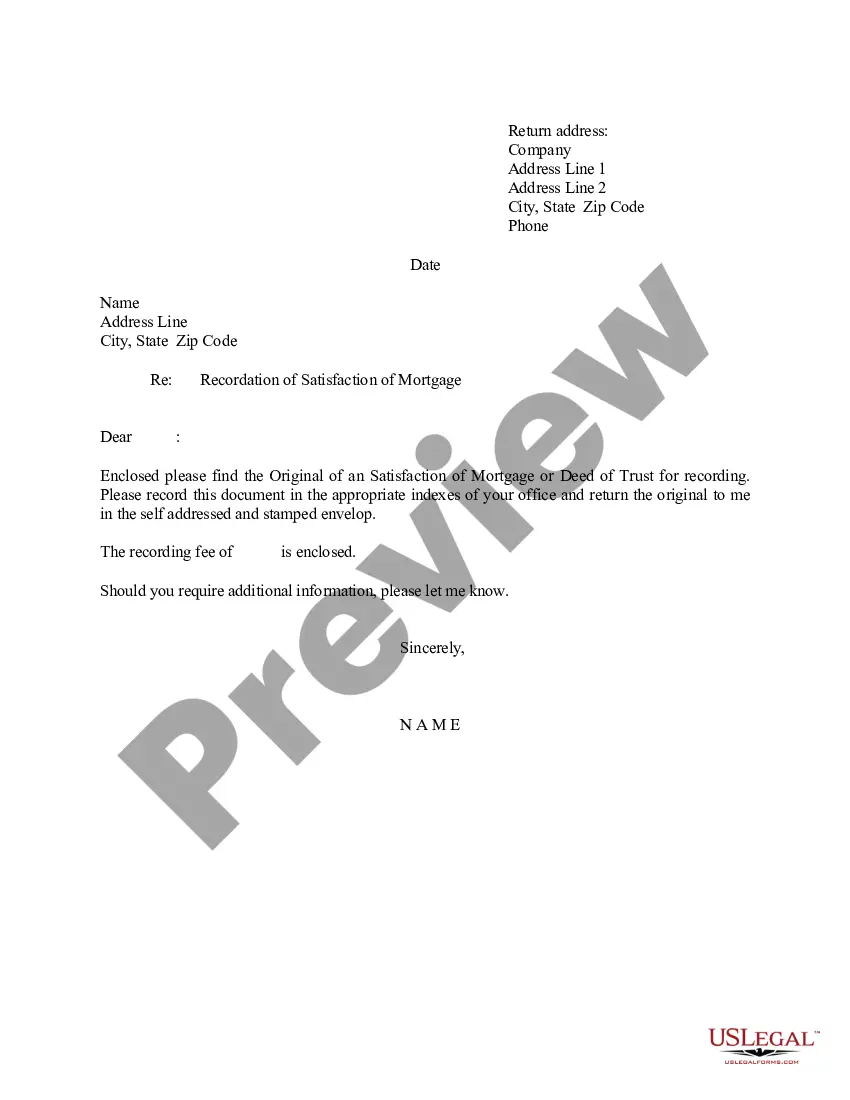
Satisfaction Code Assignment Format
Description

Get your form ready online
Our built-in tools help you complete, sign, share, and store your documents in one place.
Make edits, fill in missing information, and update formatting in US Legal Forms—just like you would in MS Word.
Download a copy, print it, send it by email, or mail it via USPS—whatever works best for your next step.
Sign and collect signatures with our SignNow integration. Send to multiple recipients, set reminders, and more. Go Premium to unlock E-Sign.
If this form requires notarization, complete it online through a secure video call—no need to meet a notary in person or wait for an appointment.
We protect your documents and personal data by following strict security and privacy standards.

Make edits, fill in missing information, and update formatting in US Legal Forms—just like you would in MS Word.

Download a copy, print it, send it by email, or mail it via USPS—whatever works best for your next step.

Sign and collect signatures with our SignNow integration. Send to multiple recipients, set reminders, and more. Go Premium to unlock E-Sign.

If this form requires notarization, complete it online through a secure video call—no need to meet a notary in person or wait for an appointment.

We protect your documents and personal data by following strict security and privacy standards.
Looking for another form?
How to fill out Letter Notice To Borrower Of Satisfaction Of Mortgage?
It’s well known that you cannot instantly transform into a legal expert, nor can you effortlessly learn how to swiftly create a Satisfaction Code Assignment Format without having a dedicated background.
Drafting legal documents is an extensive journey necessitating particular education and competence. So, why not entrust the creation of the Satisfaction Code Assignment Format to professionals.
With US Legal Forms, one of the most extensive libraries of legal templates, you can discover anything from court documents to templates for internal corporate communication.
You can revisit your documents from the My documents section anytime. If you are a returning client, simply Log In, and locate and download the template from the same area.
Regardless of the purpose of your documents—whether financial, legal, or personal—our platform is here to assist you. Give US Legal Forms a try today!
- Find the template you require using the search feature located at the top of the webpage.
- Preview it (if this feature is available) and review the accompanying description to determine if Satisfaction Code Assignment Format is what you are looking for.
- If you need another template, restart your search.
- Create a complimentary account and choose a subscription plan to acquire the template.
- Click Buy now. After completing the transaction, you can obtain the Satisfaction Code Assignment Format, fill it out, print it, and send or deliver it to the appropriate individuals or entities.
Form popularity
FAQ
To start a corporation in Utah, you'll need to do three things: appoint a registered agent, choose a name for your business, and file Articles of Incorporation with the Division of Corporations & Commercial Code. You can file this document online, by mail or fax, or in person. The articles cost $70 to file.
An Application for Certificate of Authority for Foreign Corporation ( Form FC-1 ) must be filed along with a Certificate of Good Standing, from the state or country in which the corporation was organized, dated no earlier than 60 days prior to filing.
A Utah foreign LLC needs to register with the Department of Commerce if it conducts business in Utah, which can include selling goods or services, paying employees, owning or leasing a storefront, or applying for a business license, among other activities.
To withdraw or cancel your Foreign Corporation in Utah, you must provide the completed Application for Withdrawal form, along with a Tax Clearance Certificate from the Utah State Tax Commission, to the Division of Corporations & Commercial Codes by mail, fax or in person.
State Registrations Who Should Register Their Business? All businesses in Utah are recommended to register with the Utah Department of Commerce either as a "DBA" (Doing Business As), corporation, limited liability company or limited partnership.
There is a $22 fee to complete the form, which can be done as a paper application or via the online portal. It costs $54 to file articles of organization and articles of incorporation and $70 for the other forms.
Companies are required to register with the Utah Division of Corporations and Commercial Code before doing business in Utah. Businesses that are incorporated in another state will typically apply for a Utah certificate of authority.
A Foreign Limited Liability Company is organized and chartered under the laws of another state, government, or country. You are always encouraged to consult an attorney to ensure appropriate consideration of all the legal implications of your choice of entity and filing.