Annual Meeting Do With Example In Santa Clara
Description
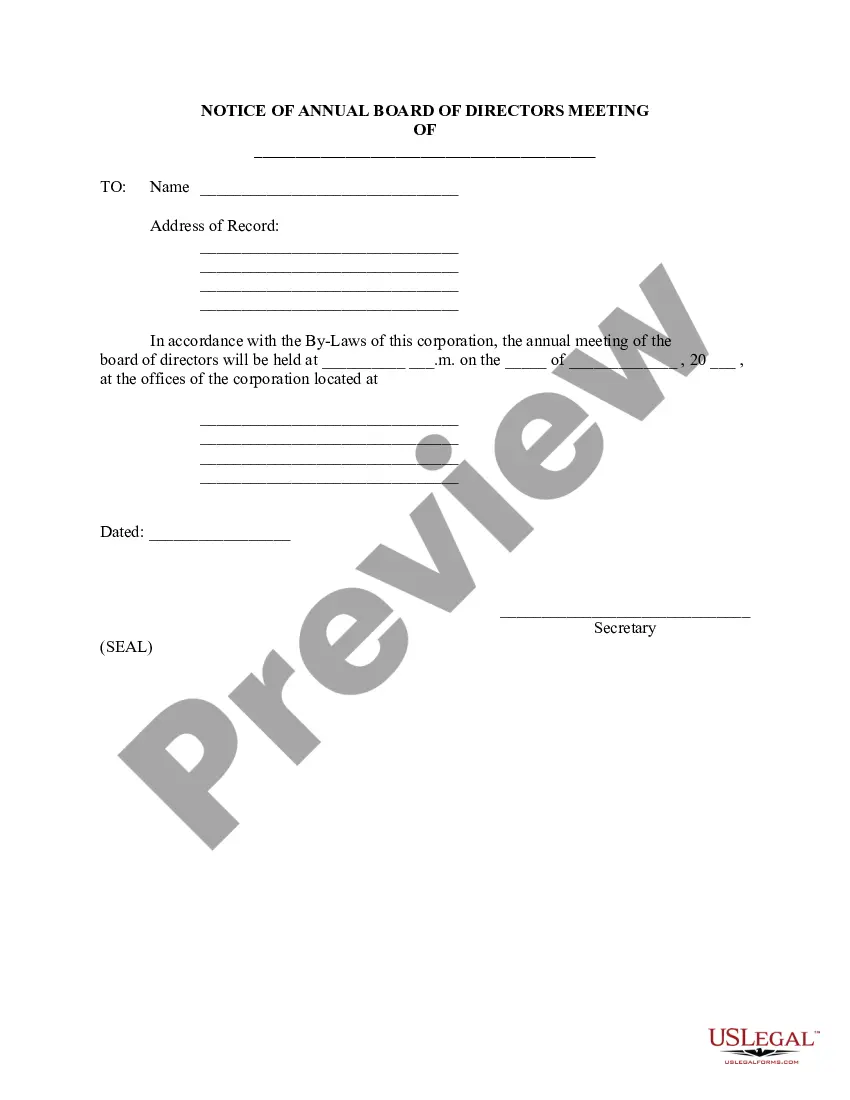


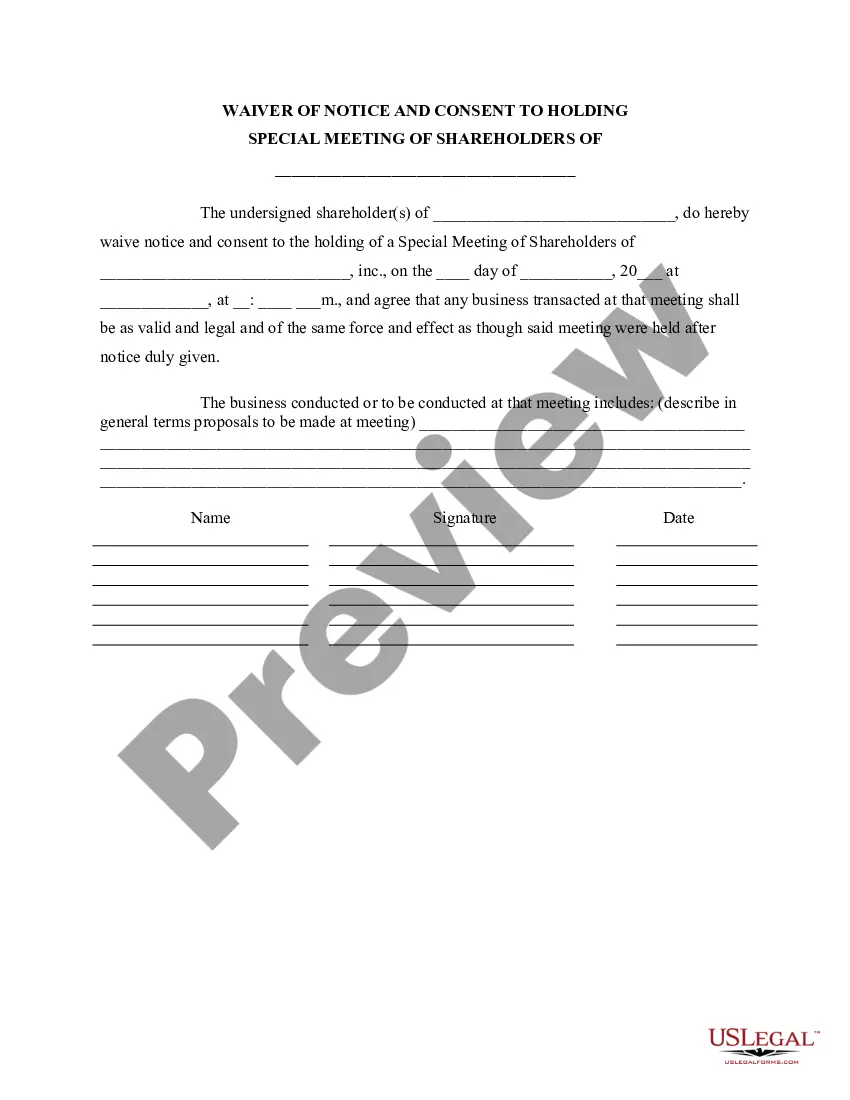
Get your form ready online
Our built-in tools help you complete, sign, share, and store your documents in one place.
Make edits, fill in missing information, and update formatting in US Legal Forms—just like you would in MS Word.
Download a copy, print it, send it by email, or mail it via USPS—whatever works best for your next step.
Sign and collect signatures with our SignNow integration. Send to multiple recipients, set reminders, and more. Go Premium to unlock E-Sign.
If this form requires notarization, complete it online through a secure video call—no need to meet a notary in person or wait for an appointment.
We protect your documents and personal data by following strict security and privacy standards.

Make edits, fill in missing information, and update formatting in US Legal Forms—just like you would in MS Word.

Download a copy, print it, send it by email, or mail it via USPS—whatever works best for your next step.

Sign and collect signatures with our SignNow integration. Send to multiple recipients, set reminders, and more. Go Premium to unlock E-Sign.

If this form requires notarization, complete it online through a secure video call—no need to meet a notary in person or wait for an appointment.

We protect your documents and personal data by following strict security and privacy standards.
Looking for another form?










Form popularity
FAQ
Key Takeaways. An annual general meeting (AGM) is the yearly gathering of a company's interested shareholders. At an annual general meeting (AGM), directors of the company present the company's financial performance and shareholders vote on the issues at hand.
Annual shareholder meetings require a notice period of at least 21 days. The notice period can be shortened with the expressed consent of all shareholders. The notice should include all the basic meeting details and other important pieces of documentation, such as the meeting agenda.
If your business is set up and registered as a Corporation, you're required by law to hold an annual shareholder meeting and to document the meeting with minutes.
Shareholders who cannot attend the meeting in person are encouraged to vote by proxy, which can be done online or by filling out and mailing a form.
(c) If there is a failure to hold the annual meeting for a period of 60 days after the date designated therefor or, if no date has been designated, for a period of 15 months after the organization of the corporation or after its last annual meeting, the superior court of the proper county may summarily order a meeting ...
Both California Corporations and California S-Corps are required to hold an annual meeting for shareholders. These meetings are pivotal for fostering transparency, discussing business strategy, and making essential corporate decisions.
Directors who fail to follow the AGM requirements can be prosecuted in court, and may also face disqualification or debarment from being a director. In addition, ACRA can impose composition fines on companies that do not hold the required AGMs.
Special meetings of the shareholders may be called for any purpose or purposes, at any time, by the Chief Executive Officer; by the Chief Financial Officer; by the Board or any two or more members thereof; or by one or more shareholders holding not less than 10% of the voting power of all shares of the corporation ...
Generally speaking, annual meetings are a formal discussion of a company's goals, strategy, financial situation, proposed changes to governance documents, or other pending decisions that require a vote by or approval of the business's owners.
The discussion helps to inform board members and shareholders of the company's latest developments. AGMs also allow shareholders to express their concerns and have their questions answered by the board. Shareholders can also vote for or against measures such as director remuneration.

