Pleading Paper Template For Pages In Santa Clara
Description
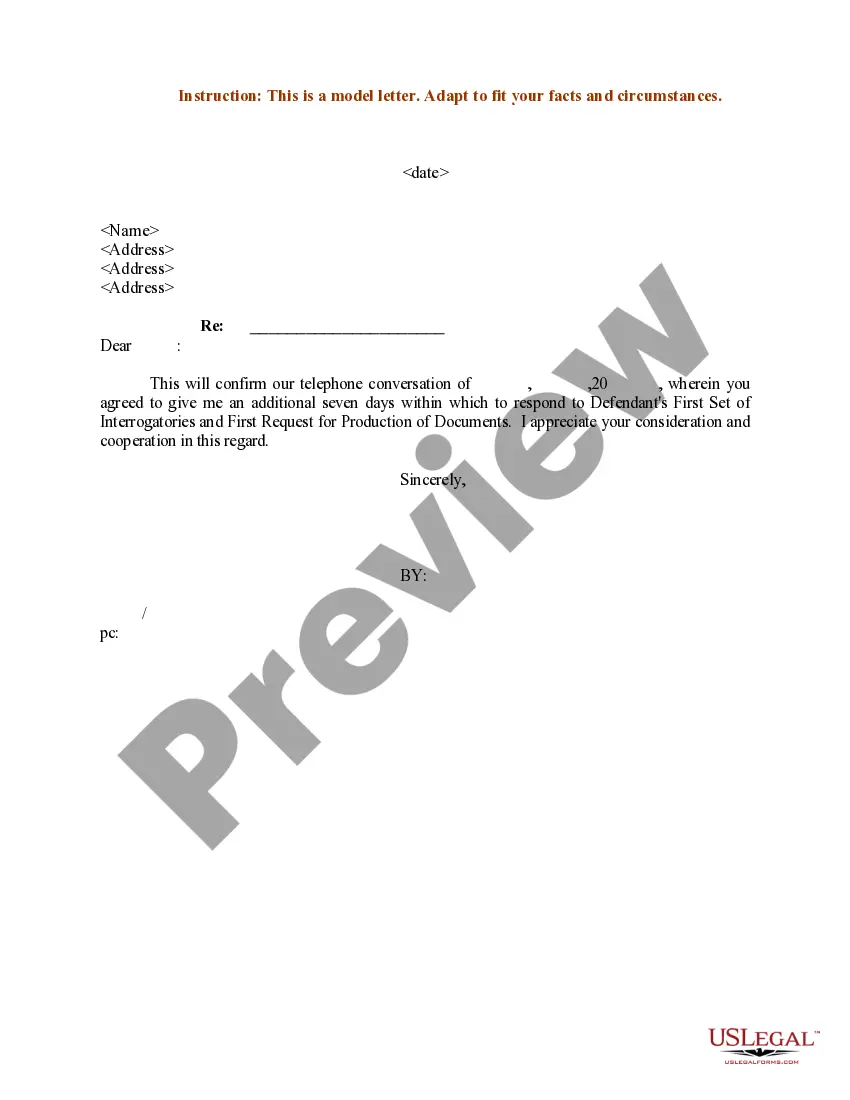
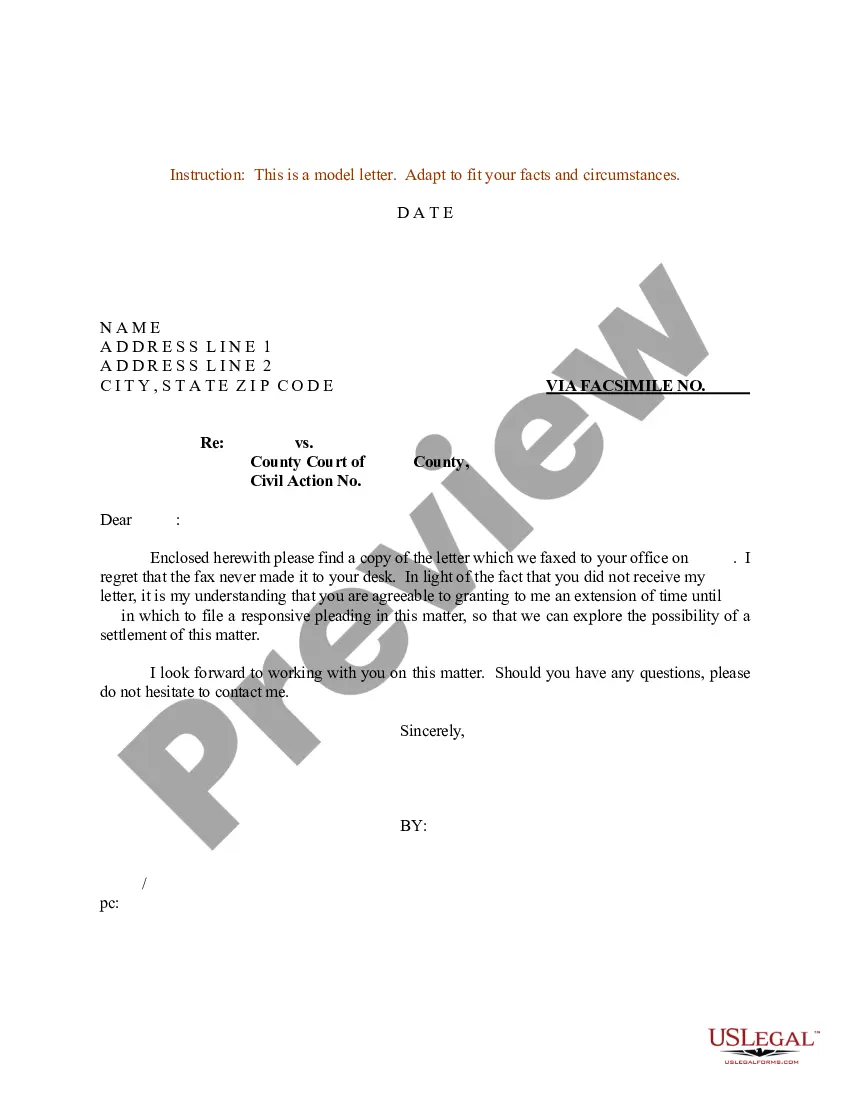
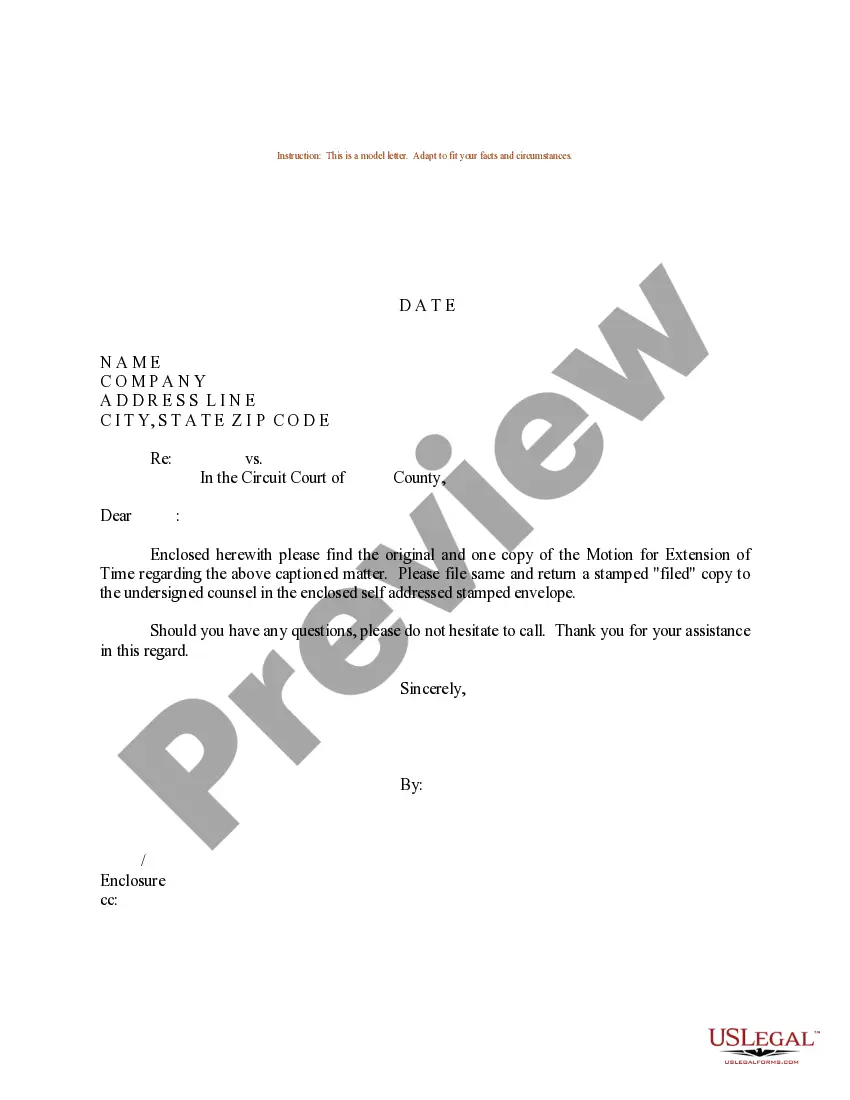
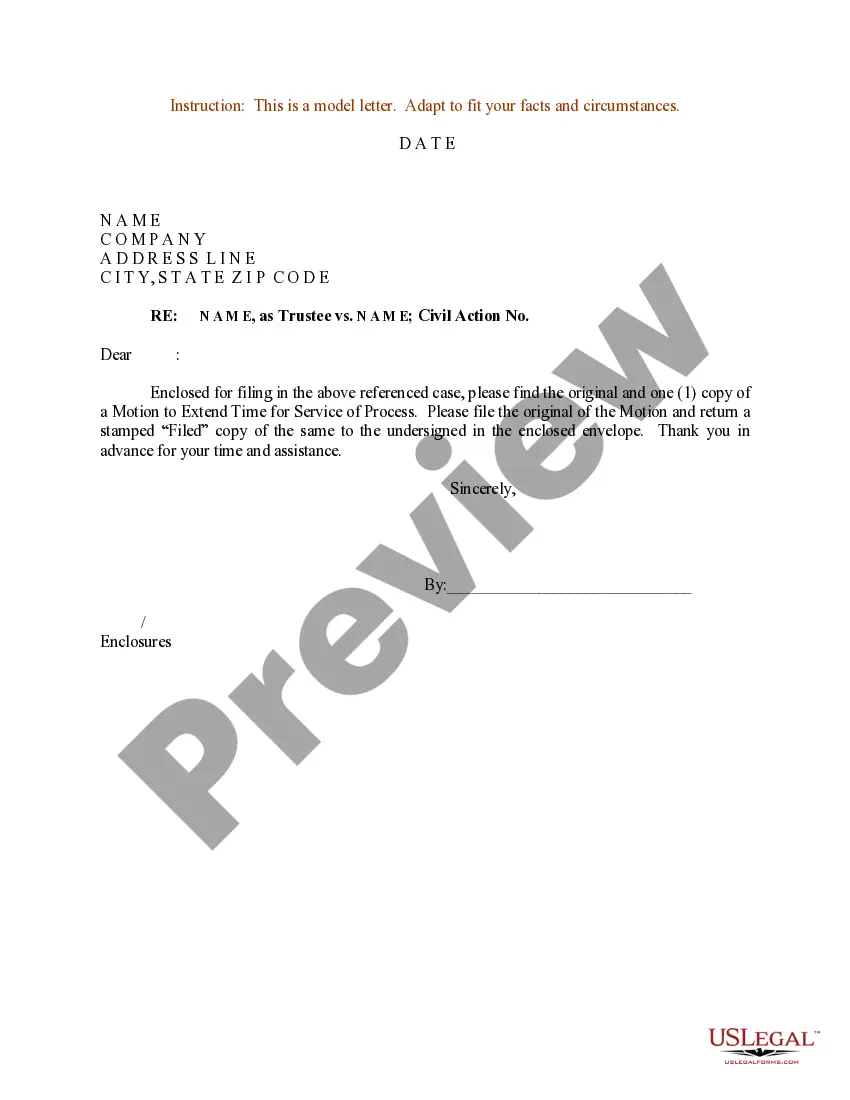
Get your form ready online
Our built-in tools help you complete, sign, share, and store your documents in one place.
Make edits, fill in missing information, and update formatting in US Legal Forms—just like you would in MS Word.
Download a copy, print it, send it by email, or mail it via USPS—whatever works best for your next step.
Sign and collect signatures with our SignNow integration. Send to multiple recipients, set reminders, and more. Go Premium to unlock E-Sign.
If this form requires notarization, complete it online through a secure video call—no need to meet a notary in person or wait for an appointment.
We protect your documents and personal data by following strict security and privacy standards.

Make edits, fill in missing information, and update formatting in US Legal Forms—just like you would in MS Word.

Download a copy, print it, send it by email, or mail it via USPS—whatever works best for your next step.

Sign and collect signatures with our SignNow integration. Send to multiple recipients, set reminders, and more. Go Premium to unlock E-Sign.

If this form requires notarization, complete it online through a secure video call—no need to meet a notary in person or wait for an appointment.

We protect your documents and personal data by following strict security and privacy standards.
Looking for another form?




Form popularity
FAQ
Microsoft Word: A go-to choice for many users, Microsoft Word offers an array of note templates that can be customized to match your needs. Canva: Although primarily a design tool, Canva also offers a wide variety of note-taking templates.
And we're going to talk about how to download and work with a pleading template that Microsoft has sort of tucked and hidden away in its templates gallery. To get to it, you're going to open Microsoft Word. Whether you're on a PC or a Mac, this will be the same.
Pleading Paper Your name must start on line 1. The Court name and location must start on line 8. The caption of the case must start on line 11. You must have a footer with the title of the document. After the caption (the box with the name of the Plaintiff/Respondent) you can use the space as needed, using double spacing.
So all you have to do is select the layout tab. And then you want to go versus line numbers clickMoreSo all you have to do is select the layout tab. And then you want to go versus line numbers click inside of here. And select continuous. And now if you go ahead and start typing random letters.
Important points to include in a legal document. Party details. List the names, numbers, addresses (email or physical), and any other relevant information of all parties involved. Background information. Motion. Roles and responsibilities. Breaches or contingencies. Dates and signatures.
You can also ask your court's Self-Help Center or public law library for a sample or blank pleading paper.
Pleading Paper Your name must start on line 1. The Court name and location must start on line 8. The caption of the case must start on line 11. You must have a footer with the title of the document. After the caption (the box with the name of the Plaintiff/Respondent) you can use the space as needed, using double spacing.
“Pleading paper” is the format required for filing documents in court when there is no pre-printed form available. This pleading paper is blank and can be used anywhere 28-line paper is accepted. Check your court's local rules for other format requirements such as fonts, font size, and line spacing.
The left margin of each page must be at least one inch from the left edge and the right margin at least 1/2 inch from the right edge. Rule 2.107 amended effective January 1, 2016; adopted effective January 1, 2007.

