Pleading With Meaning In San Antonio
Description
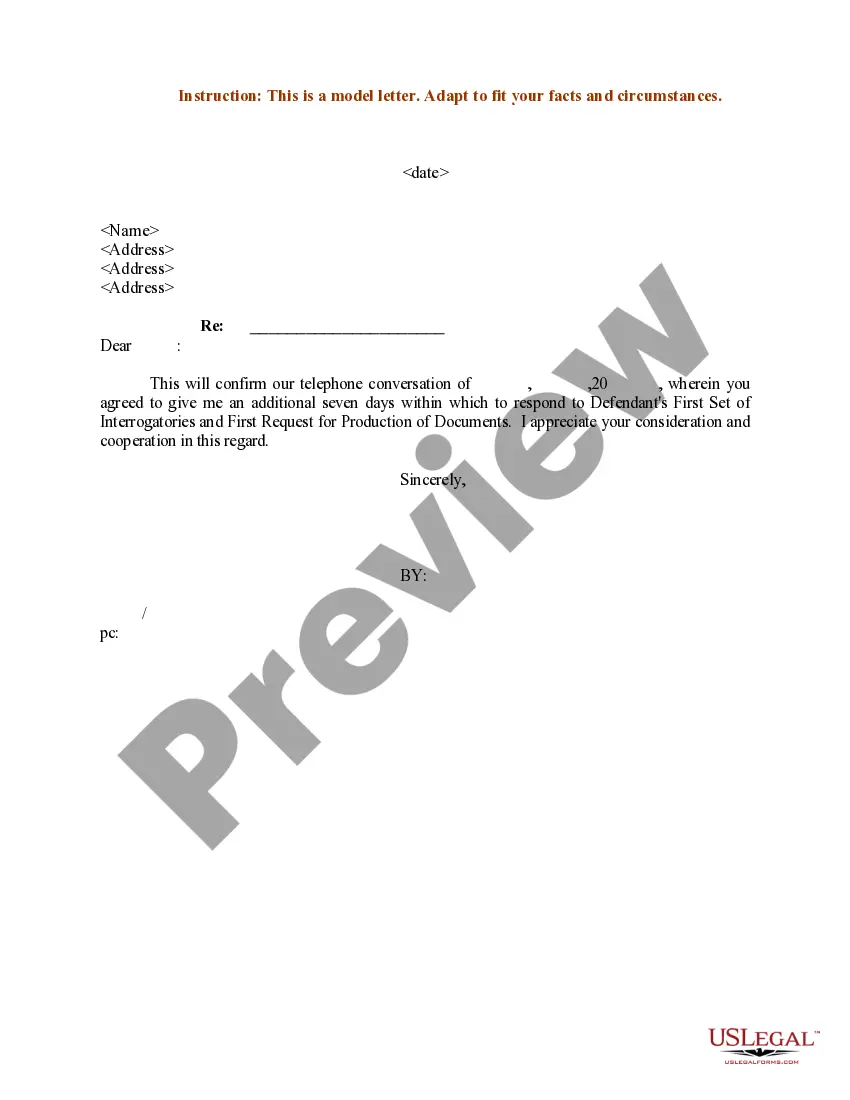
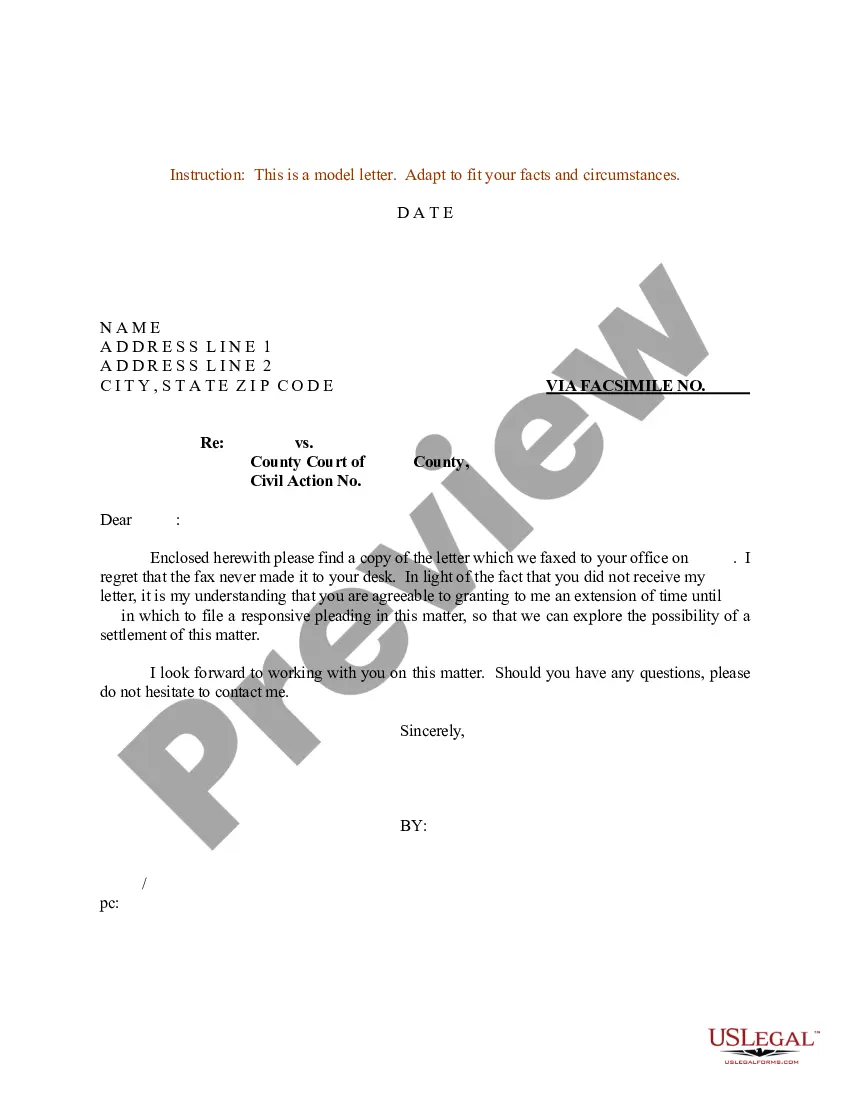
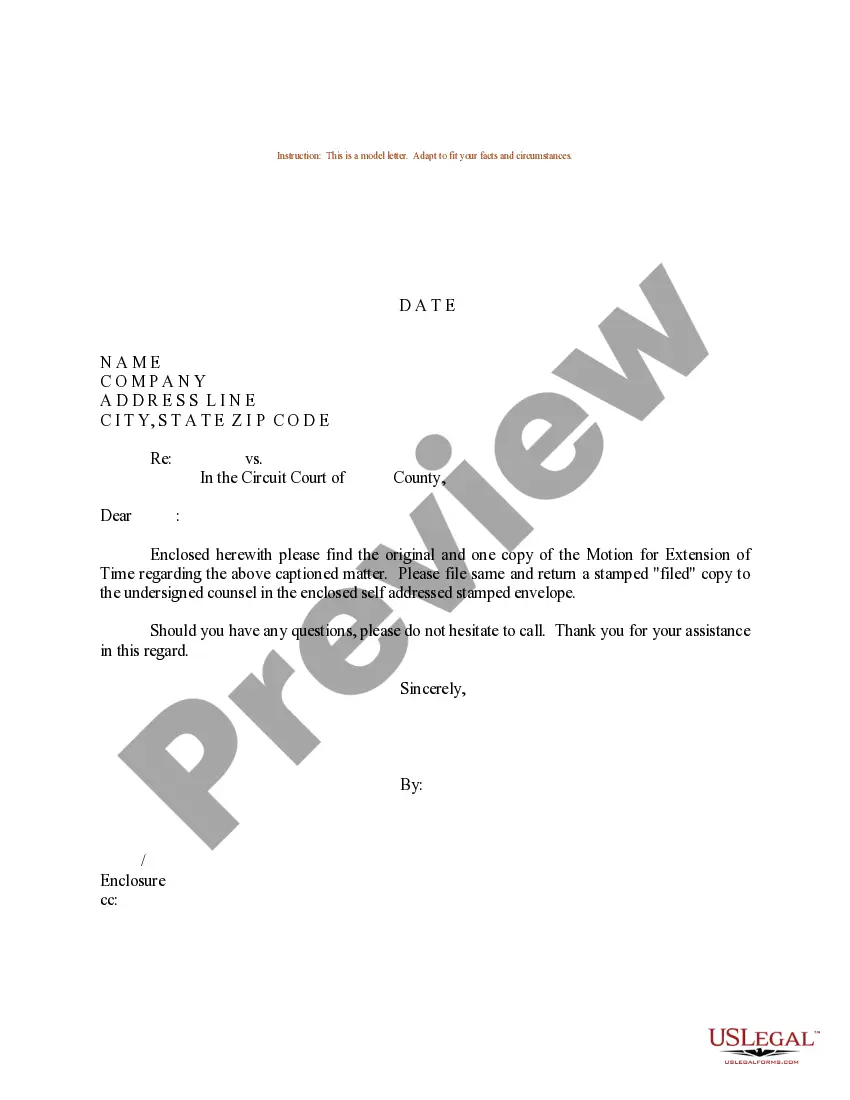
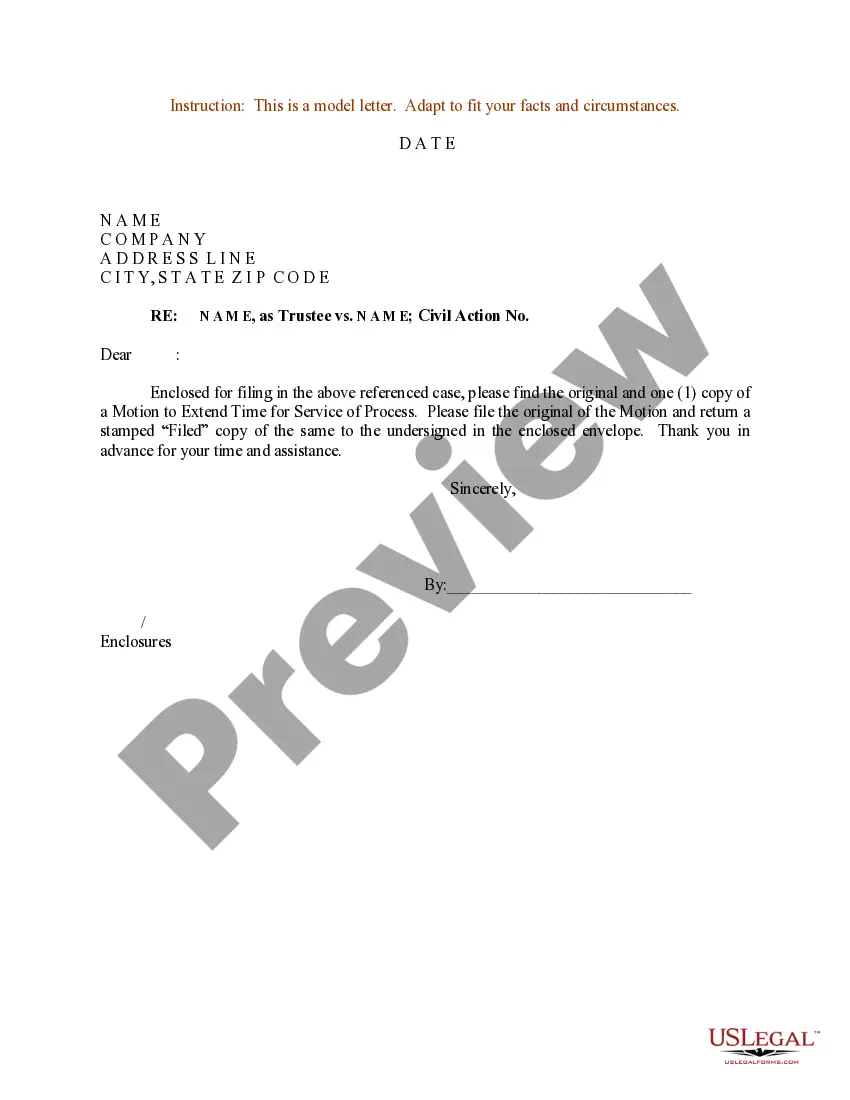
Get your form ready online
Our built-in tools help you complete, sign, share, and store your documents in one place.
Make edits, fill in missing information, and update formatting in US Legal Forms—just like you would in MS Word.
Download a copy, print it, send it by email, or mail it via USPS—whatever works best for your next step.
Sign and collect signatures with our SignNow integration. Send to multiple recipients, set reminders, and more. Go Premium to unlock E-Sign.
If this form requires notarization, complete it online through a secure video call—no need to meet a notary in person or wait for an appointment.
We protect your documents and personal data by following strict security and privacy standards.

Make edits, fill in missing information, and update formatting in US Legal Forms—just like you would in MS Word.

Download a copy, print it, send it by email, or mail it via USPS—whatever works best for your next step.

Sign and collect signatures with our SignNow integration. Send to multiple recipients, set reminders, and more. Go Premium to unlock E-Sign.

If this form requires notarization, complete it online through a secure video call—no need to meet a notary in person or wait for an appointment.

We protect your documents and personal data by following strict security and privacy standards.
Looking for another form?





Form popularity
FAQ
The Due Order of Pleading rule provides that certain defenses are waived if not presented in "due order." As a general rule, the defendant's answer may include any defenses he has, whether of law or fact, dilatory or merits-based, 2 and the trial court may take up these issues in any order it directs.
All headwear, including caps, hats, beanies, and bandanas are prohibited in the courtroom. Caps worn backward are not allowed in the building's hallway. No sagging of pants, which exposes underwear, is allowed in the building or courtroom.
Every pleading, plea, motion, or application to the court for an order, whether in the form of a motion, plea, or other form of request, unless presented during a hearing or trial, must be filed with the clerk of the court in writing, must state the grounds therefor, must set forth the relief or order sought, and at ...
No food or drinks of any kind inside the courtroom. No loud talking while the court is in session unless you are speaking to the judge. All headwear, including caps, hats, beanies, and bandanas are prohibited in the courtroom.
The use of caps, hats, and bandanas are prohibited in the courtroom. Caps worn backwards are not allowed in the building's hallway. No sagging of any kind allowed in the building or courtroom. All Officers present for trial will wait in the designated area assigned by the Justice of the Peace Courts.
Visitors should dress appropriately. No shorts, short skirts, low-cut blouses, sleeveless shirts, hats, or other inappropriate attire are allowed in the courtroom. No food or beverages are permitted in the courtroom.
Certain clothing items like jeans, shorts, sandals, and other overly casual attire are considered inappropriate for court. These items can reflect a lack of seriousness or respect for the court when individuals wear jeans or other casual clothing.
Pleadings usually are presented via a written delivery of the parties. Pleadings may include briefs, attachments, responses and motions. State procedural rules (for instance, see Chapter 7 of California's Code of Civil Procedure) govern the pleading stages within state courts.
How long does the name change process take in Texas? The time required to complete a name change in Texas varies but generally takes a few weeks to several months, depending on the court schedule and your promptness in submitting documents.
The Bexar County District Clerk's Office is located at 101 W. Nueva, Suite 217, San Antonio, Texas 78205. They can be reached at (210) 335-2113.

