Time Extension For In Sacramento
Description
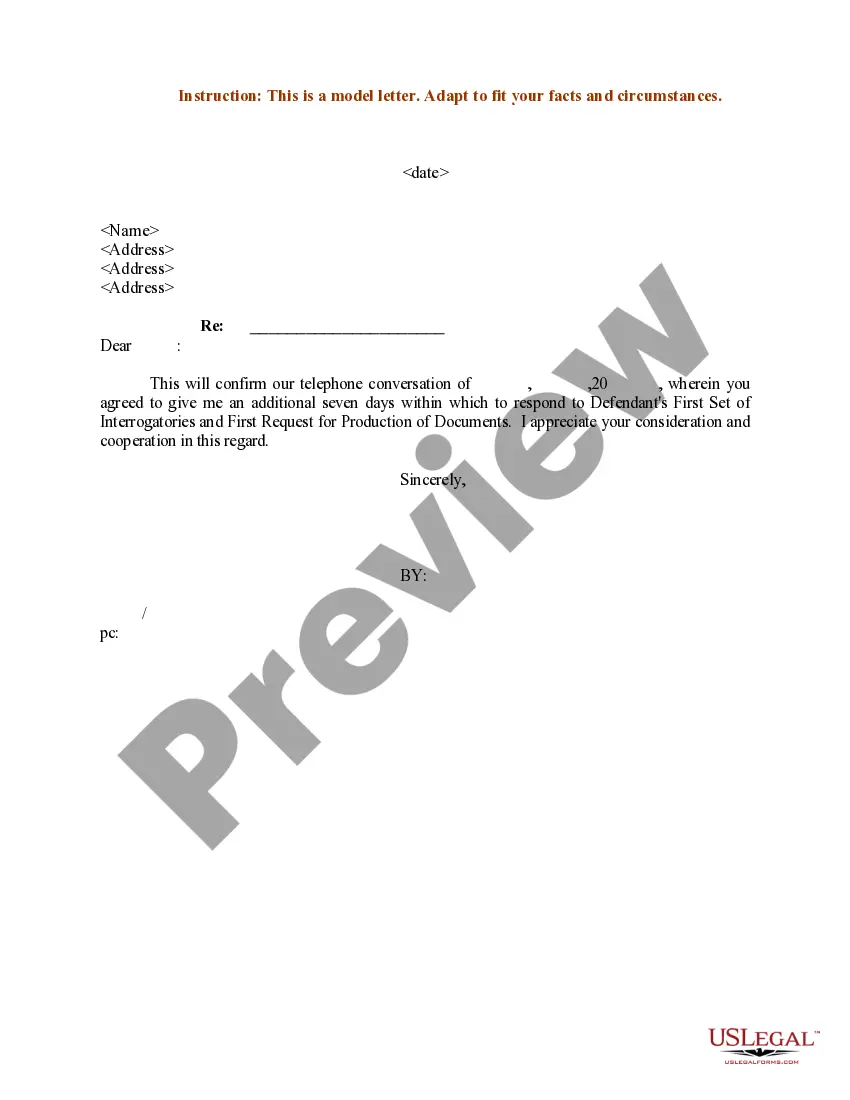
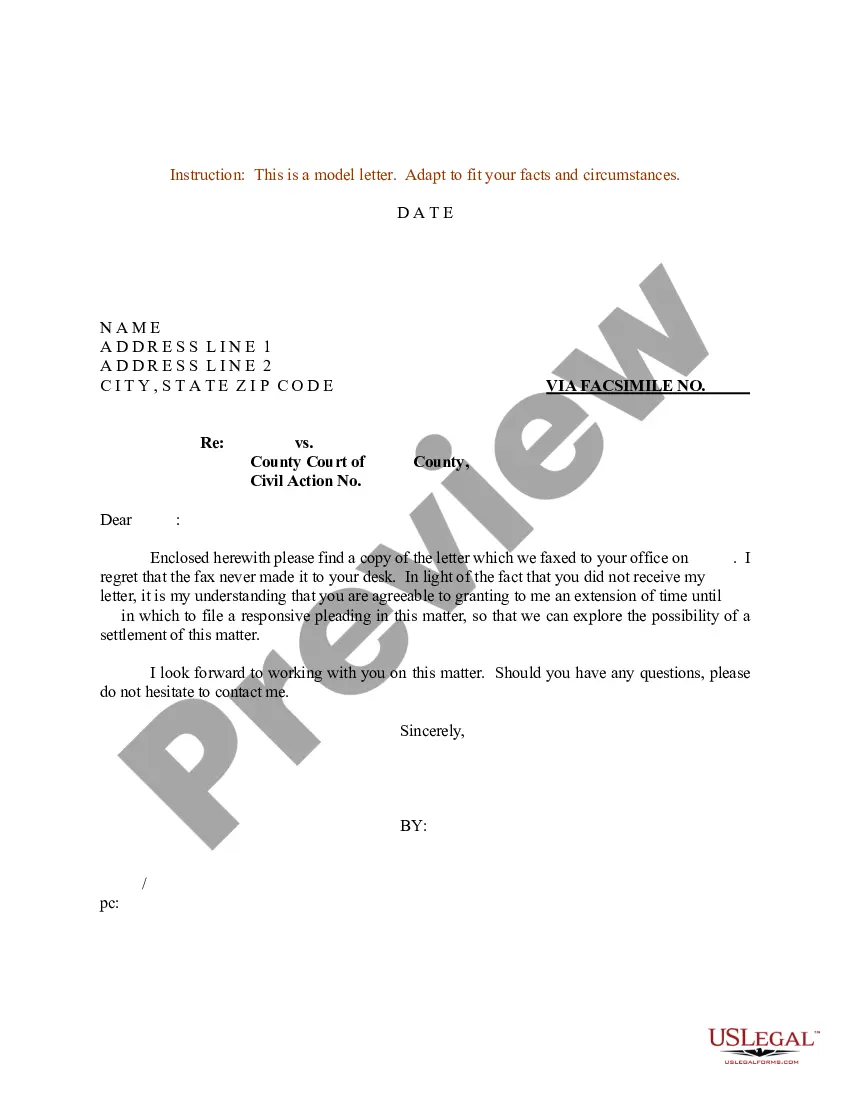
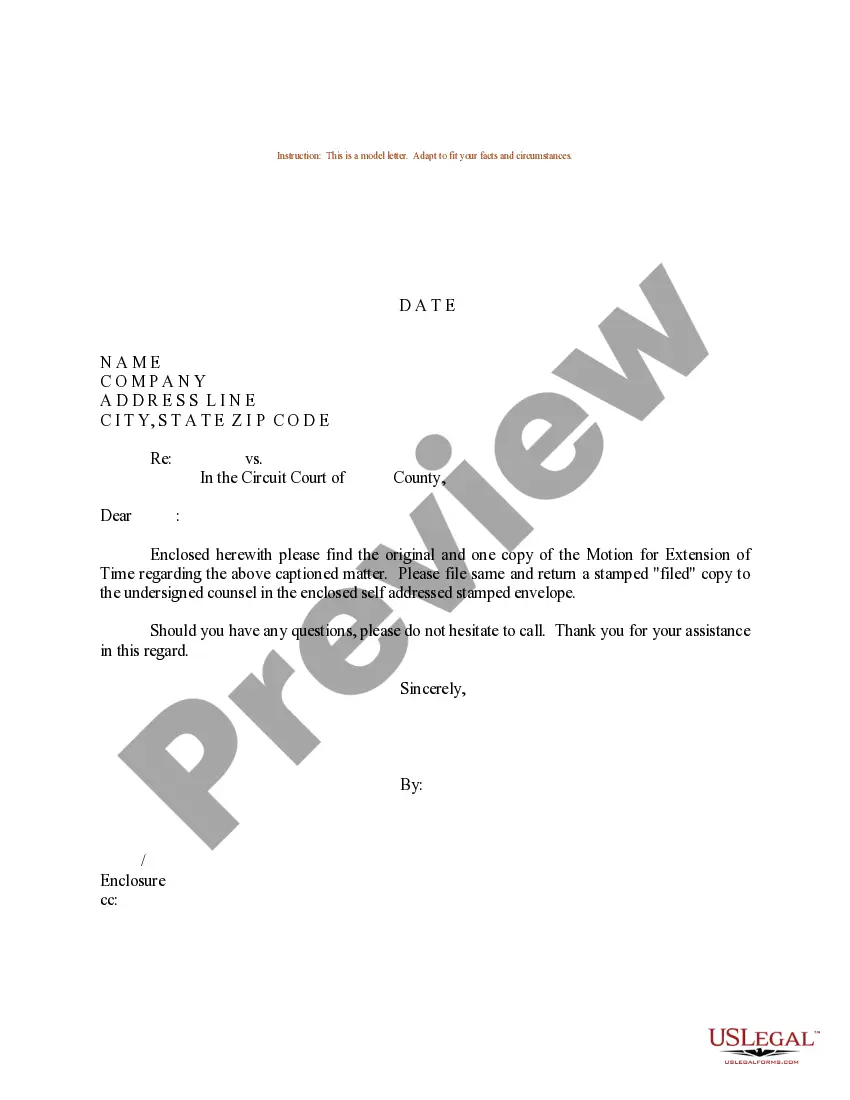
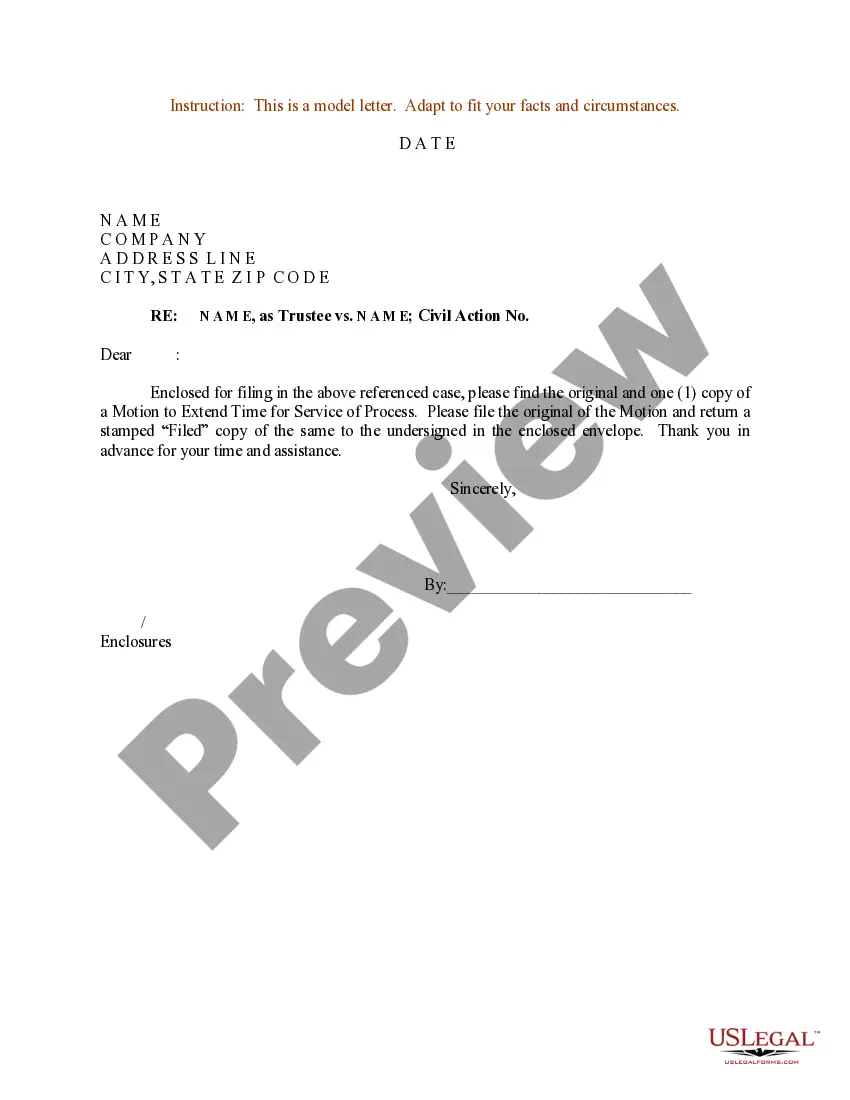
Get your form ready online
Our built-in tools help you complete, sign, share, and store your documents in one place.
Make edits, fill in missing information, and update formatting in US Legal Forms—just like you would in MS Word.
Download a copy, print it, send it by email, or mail it via USPS—whatever works best for your next step.
Sign and collect signatures with our SignNow integration. Send to multiple recipients, set reminders, and more. Go Premium to unlock E-Sign.
If this form requires notarization, complete it online through a secure video call—no need to meet a notary in person or wait for an appointment.
We protect your documents and personal data by following strict security and privacy standards.

Make edits, fill in missing information, and update formatting in US Legal Forms—just like you would in MS Word.

Download a copy, print it, send it by email, or mail it via USPS—whatever works best for your next step.

Sign and collect signatures with our SignNow integration. Send to multiple recipients, set reminders, and more. Go Premium to unlock E-Sign.

If this form requires notarization, complete it online through a secure video call—no need to meet a notary in person or wait for an appointment.

We protect your documents and personal data by following strict security and privacy standards.
Looking for another form?







Form popularity
FAQ
Ex Parte Application for Extension of Time to Serve Pleading and Orders (CM-020) Asks the court for additional time to serve the other side with a petition, complaint, cross-complaint, answer, or other document.
If your server used substituted service, the defendant has 40 days from when the papers were mailed to file a response if your server used substituted service.
Policies and factors governing extensions of time. (1) The time limits prescribed by these rules should generally be met to ensure expeditious conduct of appellate business and public confidence in the efficient administration of appellate justice.
(b) Service of complaint The complaint must be served on all named defendants and proofs of service on those defendants must be filed with the court within 60 days after the filing of the complaint.
Requests for extensions of time or to shorten time. The assigned judge, on terms that are just, may shorten or extend the time within which any act is permitted or required to be done by a party.
The parties may stipulate without leave of court to one 15-day extension beyond the 30-day time period prescribed for the response after service of the initial complaint. The court, on its own motion or on the application of a party, may extend or otherwise modify the times provided in (b)-(d).
The 30-day extension shall commence from the date the responsive pleading was previously due, and the demurring party shall not be subject to default during the period of the extension. Any further extensions shall be obtained by court order upon a showing of good cause.
With Ex Parte applications often judges will deny them unless they deem it something that requires immediate attention. Sometimes the Judge thinks that the relief requested is to harsh at the time.
Strategies to Win an Ex Parte Hearing Crafting a clear and compelling argument involves summarizing your points succinctly while making sure they're rooted in fact. Demonstrating immediate risk or harm necessitates concrete evidence—this could range from text messages showing threats to photographs of physical injuries.

