Pleading Paper For Court In Queens
Description
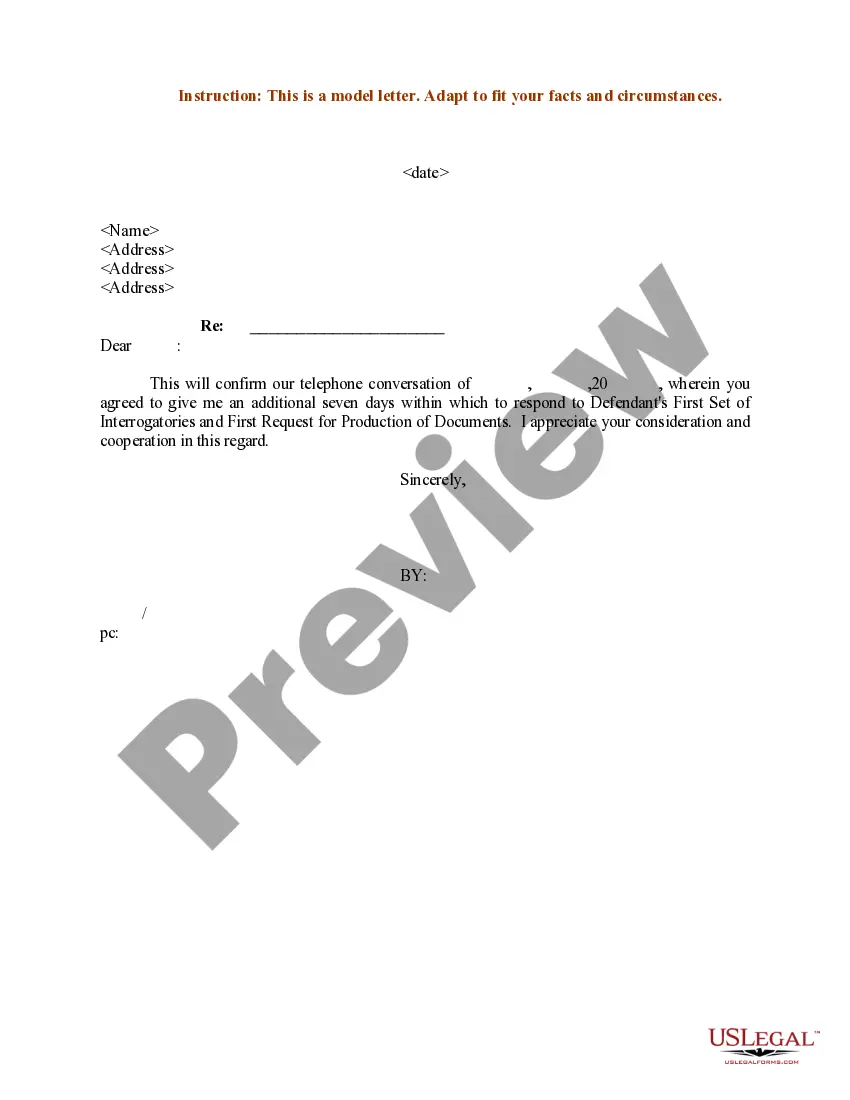
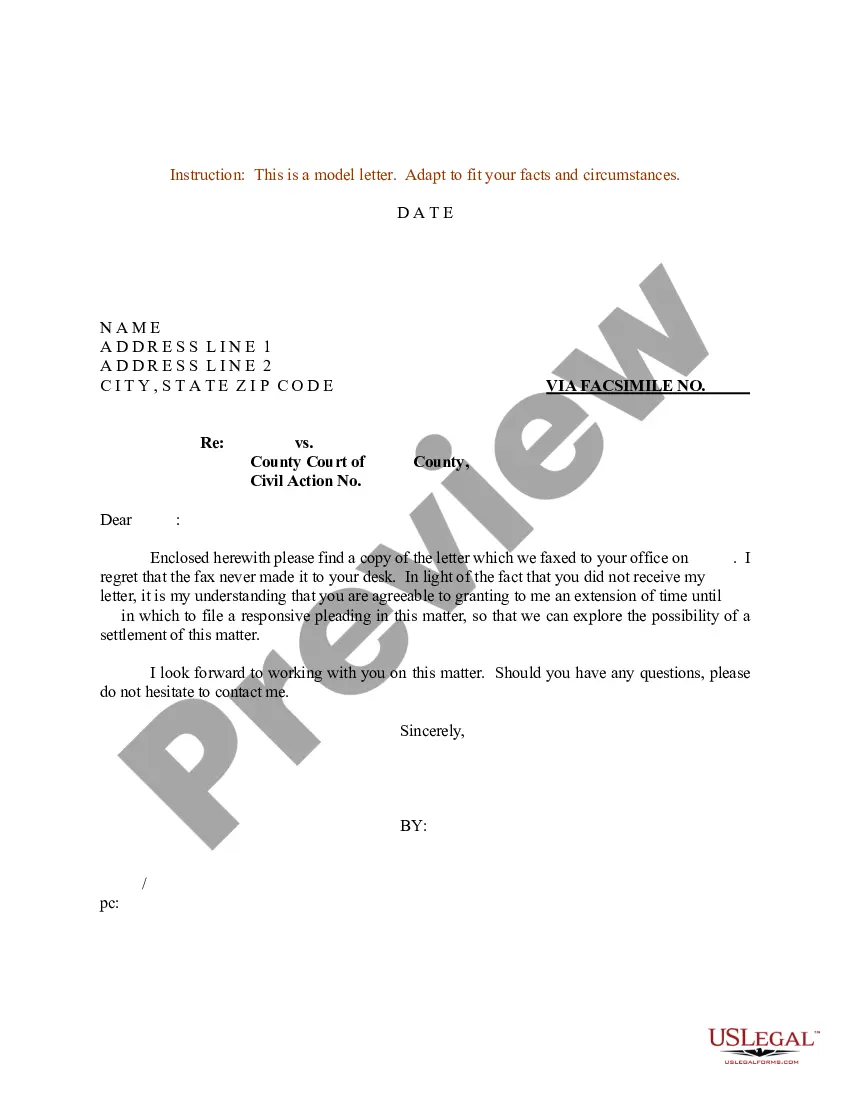
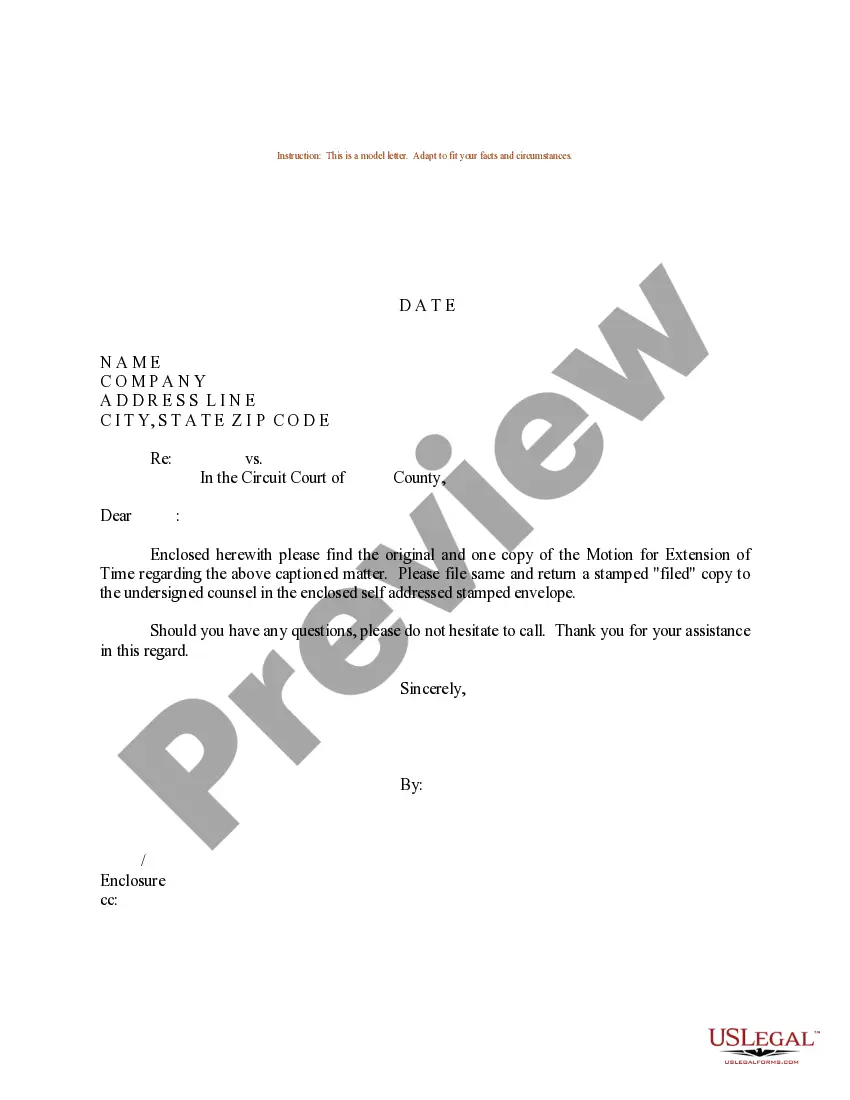
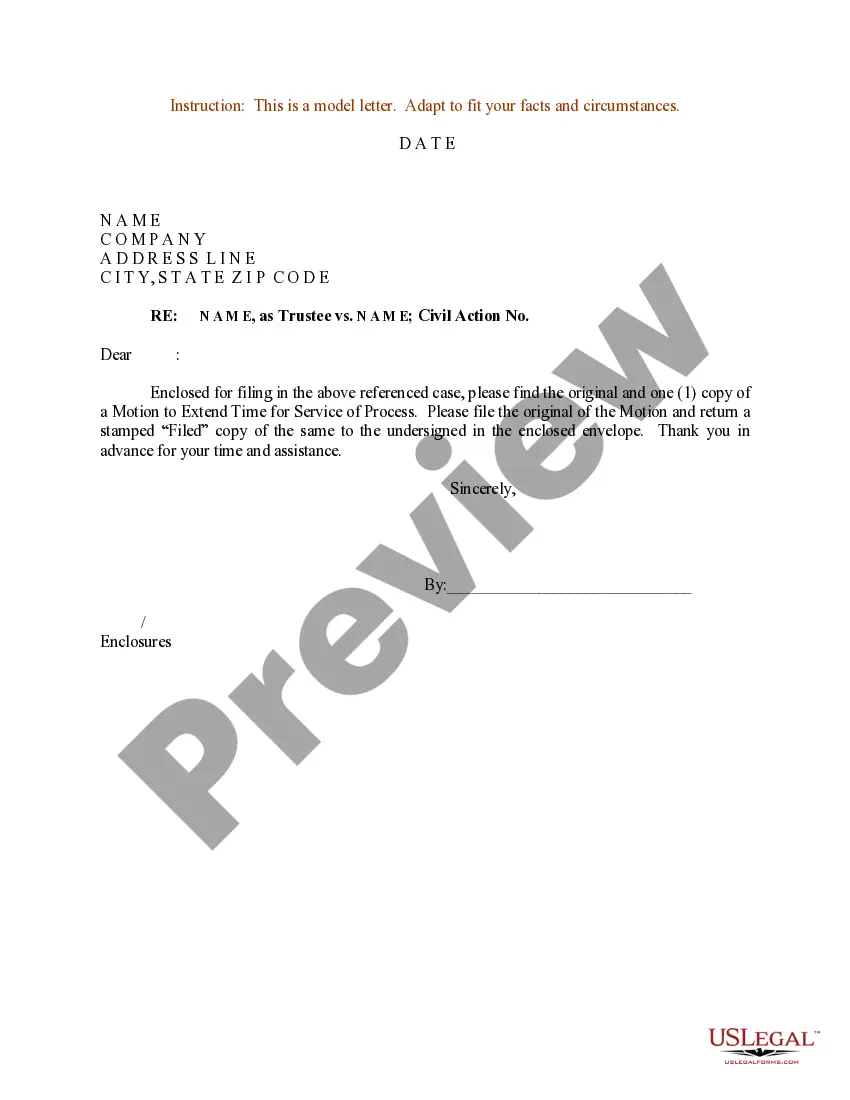
Get your form ready online
Our built-in tools help you complete, sign, share, and store your documents in one place.
Make edits, fill in missing information, and update formatting in US Legal Forms—just like you would in MS Word.
Download a copy, print it, send it by email, or mail it via USPS—whatever works best for your next step.
Sign and collect signatures with our SignNow integration. Send to multiple recipients, set reminders, and more. Go Premium to unlock E-Sign.
If this form requires notarization, complete it online through a secure video call—no need to meet a notary in person or wait for an appointment.
We protect your documents and personal data by following strict security and privacy standards.

Make edits, fill in missing information, and update formatting in US Legal Forms—just like you would in MS Word.

Download a copy, print it, send it by email, or mail it via USPS—whatever works best for your next step.

Sign and collect signatures with our SignNow integration. Send to multiple recipients, set reminders, and more. Go Premium to unlock E-Sign.

If this form requires notarization, complete it online through a secure video call—no need to meet a notary in person or wait for an appointment.

We protect your documents and personal data by following strict security and privacy standards.
Looking for another form?







Form popularity
FAQ
You can also ask your court's Self-Help Center or public law library for a sample or blank pleading paper.
Small claims court is worth it when you know you are deterring someone from potentially harming others the same way they harmed you. You may also want to help others determine whether to do business with that person or corporation in the future, as court decisions are part of the public record.
To begin an action in Small Claims Court, a person, or someone acting on his or her behalf, must come to the Small Claims Court Clerk's office in the proper county and fill out a statement of claim. To find out where the clerk's office is located in your county, click on Locations.
1) Understand the prompt/question. 2) Restate the Question in your answer. 3) Provide a general answer to prompt/question. 4) Go back into the text to find evidence of your answer. 5) Provide text evidence to support your answer. 6) Wrap up your response with the final piece of information to support your answer.
You may be able to respond to your summons by submitting your defense online or by mail. Please visit the Hearing Online page and the Hearing by Mail pages to learn if your summons is eligible. If so, OATH must receive your written defense submission prior to the scheduled hearing date.
A party may file a motion for judgment on the pleadings on the basis that no answer has been filed, or that the pleadings disclose that there are no material issues of fact to be resolved and that party is entitled to judgment as a matter of law.
An Answer must be in writing and the entire caption, including the index number and an original signature is required. The Answer can be mailed to the County Clerk's office. If it is an E-Filed case, the Answer needs to be uploaded to the New York State Court Electronic Filing website.
The written response must be made within 20 days of personal service, or within 30 days of the time when service by any other means is complete. If the defendant fails to respond he or she is in default and plaintiff may be able to obtain a default judgment against the defendant.
Conclusion: Going to small claims court may be worth it for $500, but it will determine how you weigh your costs versus benefits. At a minimum, it is worth it to send a demand letter.
In some courts, the pleading is called a petition. Every case starts with someone filing papers with a court. The person starting the case is called the plaintiff or petitioner. The person filing the pleading asks the other side to submit an answer.

