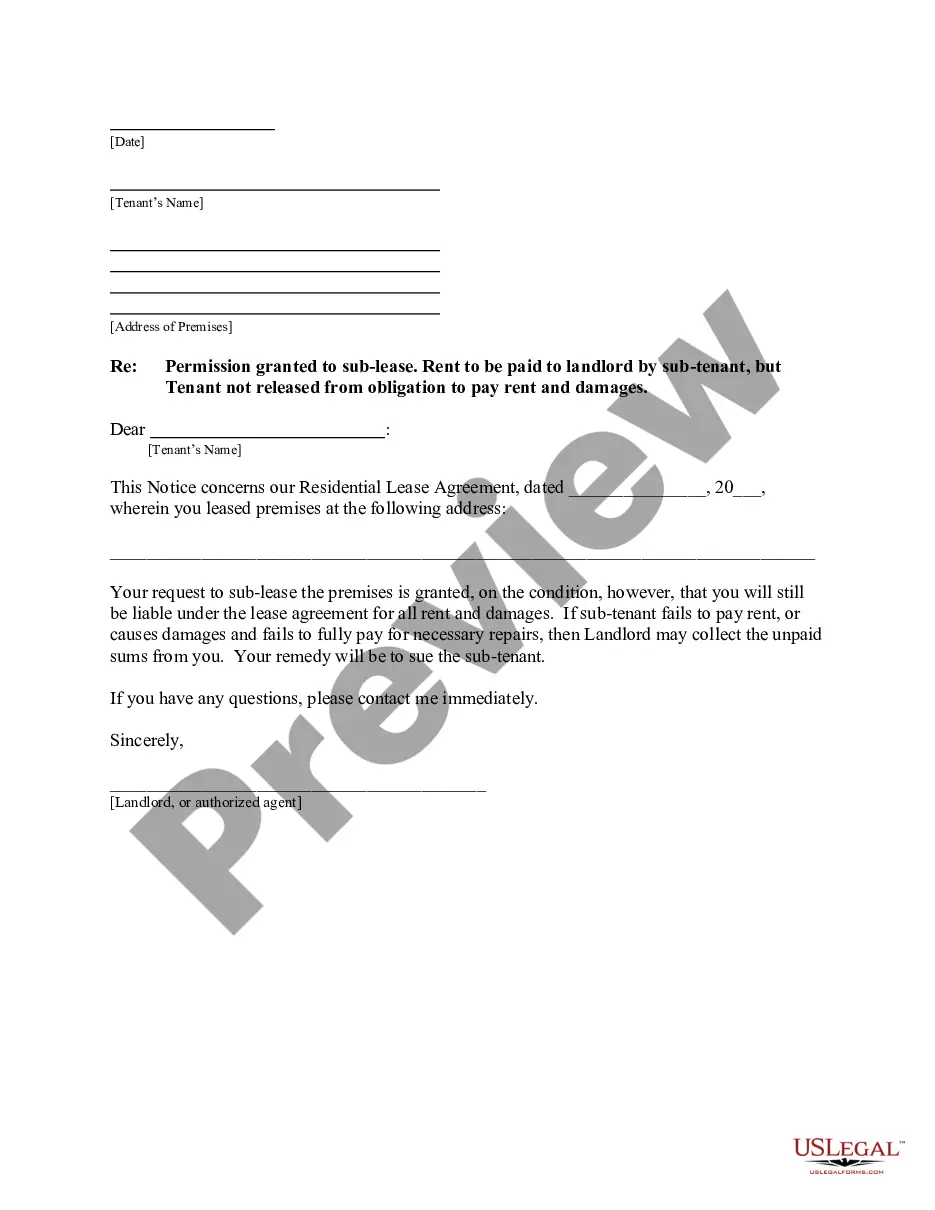
Arbitration Case Sample For Web Developer In Travis
Description



Get your form ready online
Our built-in tools help you complete, sign, share, and store your documents in one place.
Make edits, fill in missing information, and update formatting in US Legal Forms—just like you would in MS Word.
Download a copy, print it, send it by email, or mail it via USPS—whatever works best for your next step.
Sign and collect signatures with our SignNow integration. Send to multiple recipients, set reminders, and more. Go Premium to unlock E-Sign.
If this form requires notarization, complete it online through a secure video call—no need to meet a notary in person or wait for an appointment.
We protect your documents and personal data by following strict security and privacy standards.

Make edits, fill in missing information, and update formatting in US Legal Forms—just like you would in MS Word.

Download a copy, print it, send it by email, or mail it via USPS—whatever works best for your next step.

Sign and collect signatures with our SignNow integration. Send to multiple recipients, set reminders, and more. Go Premium to unlock E-Sign.

If this form requires notarization, complete it online through a secure video call—no need to meet a notary in person or wait for an appointment.

We protect your documents and personal data by following strict security and privacy standards.
Looking for another form?







Form popularity
FAQ
Cases that are $50,000 or less must go into arbitration. Examples include a personal injury case from an automobile accident, a disagreement about a contract, or some other type of case that doesn't involve criminal charges.
Arguments should flow easily from the relevant facts and applicable law. Avoid exaggerating the strengths of your case as well as disparaging the opposing side. Remember that professionalism and credibility are critical to persuasiveness.
If your case involves factors like privacy concerns, the need for a quicker resolution, or the desire to avoid a public jury trial, arbitration might be an ideal solution. However, if you're worried about the finality of the arbitrator's decision or the potential for bias, you might prefer the traditional court route.
Arbitration is often used to resolve disputes in labor and employment matters. For example, an employee might file a grievance with his or her employer, alleging that the employer has violated the terms of the employment agreement.
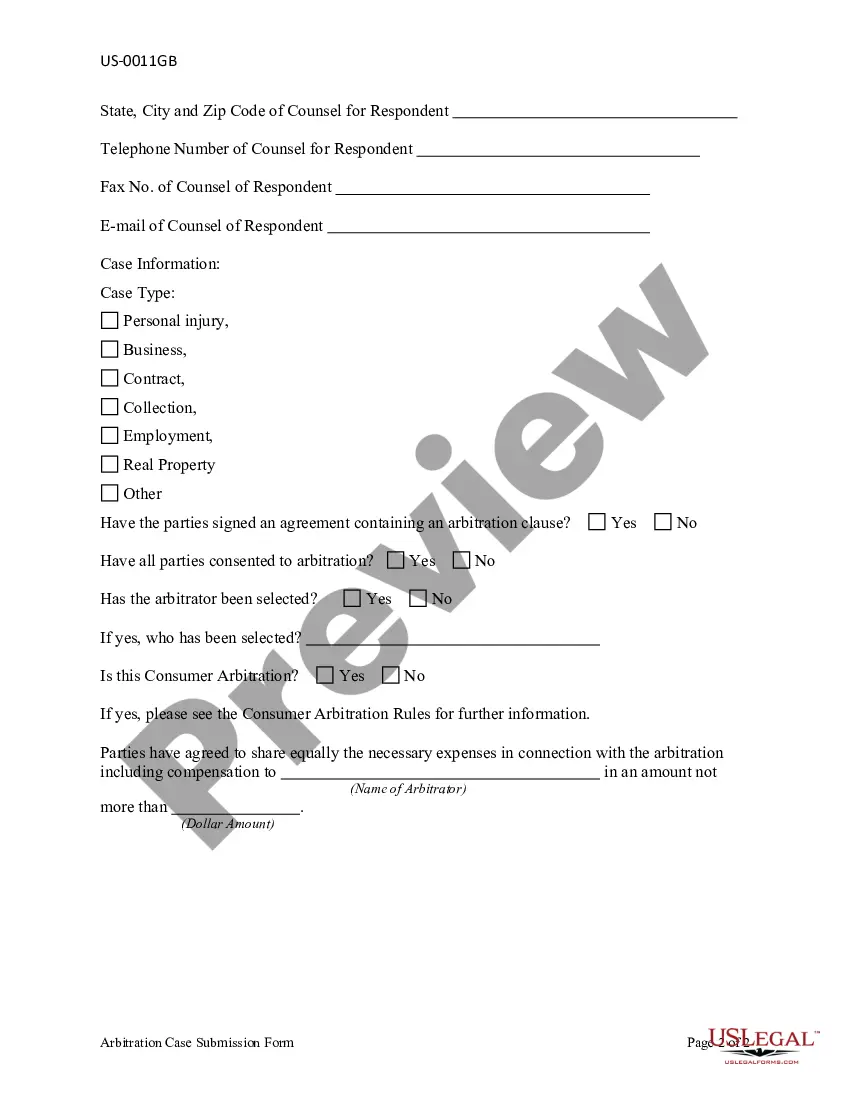
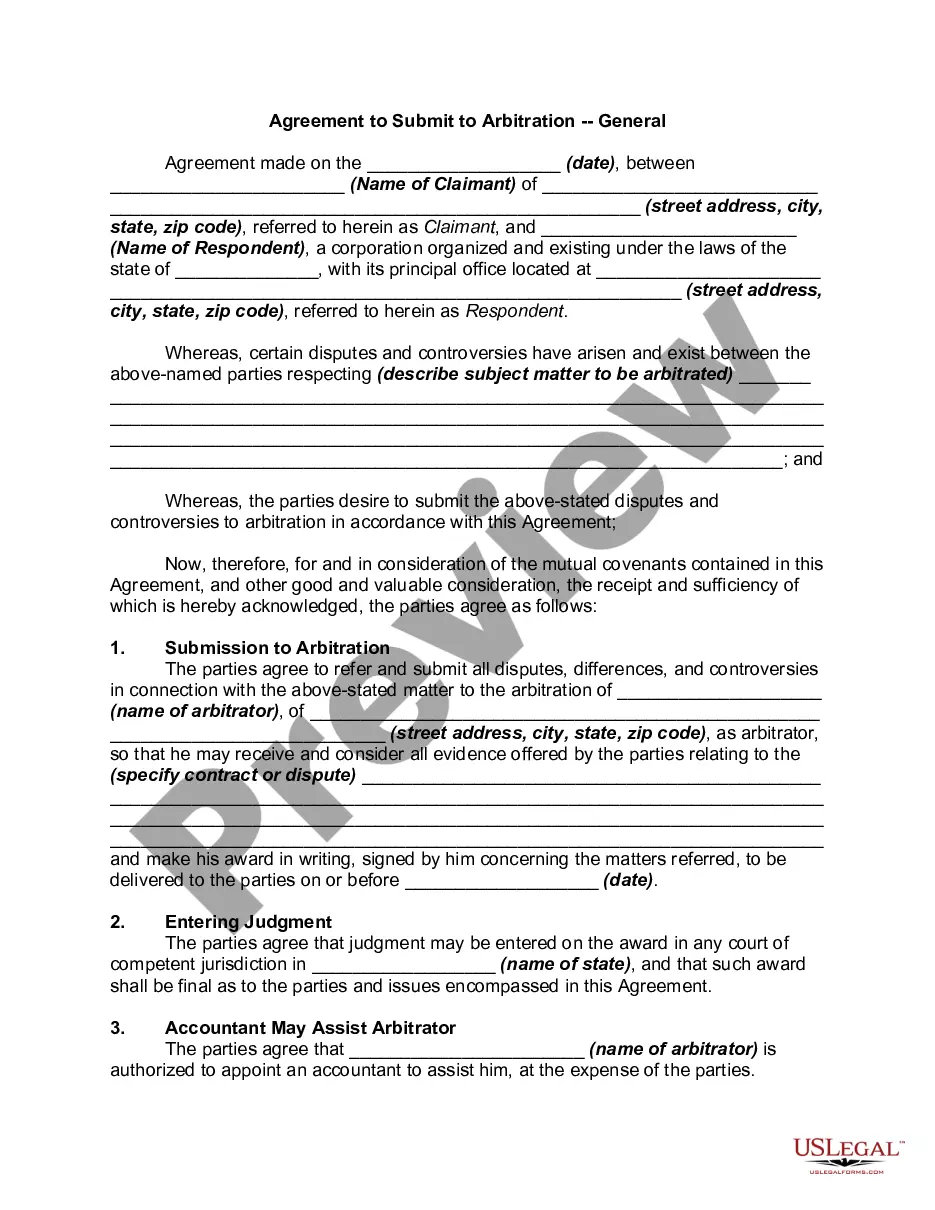
In general, a Request for Arbitration or a Notice of Arbitration must contain the names of each of the parties, the names of the parties' representatives, a description of the dispute giving rise to claims, a statement of the relief sought, a description of the agreement containing the arbitration clause, the choice of ...
Parties are encouraged to file their Requests electronically using ICC Case Connect. Via the Request form, claimant(s) will be invited to supply key information in relation to their Request, and to upload their Request and any relevant annexes.
The Request must: be written in English, French or Spanish (the official languages of the Centre) include the name and contact details of all parties (including e-mail, street address and telephone number) be signed and dated by the requesting party or its representative.
Arbitration is a procedure in which a dispute is submitted, by agreement of the parties, to one or more arbitrators who make a binding decision on the dispute. In choosing arbitration, the parties opt for a private dispute resolution procedure instead of going to court.
Necessary Elements Details of the Parties. Details of the relationship between the parties. Demand for Arbitration. The mention of agreement/contract (if any). The mention of already existing arbitration agreement between the parties pursuant to which the concerned notice of arbitration has been sent (if any).
A claimant will typically start arbitration by sending a document known as a “request for arbitration” or a “notice to arbitrate” to its opponent.