Pleading For Insanity In New York
Description
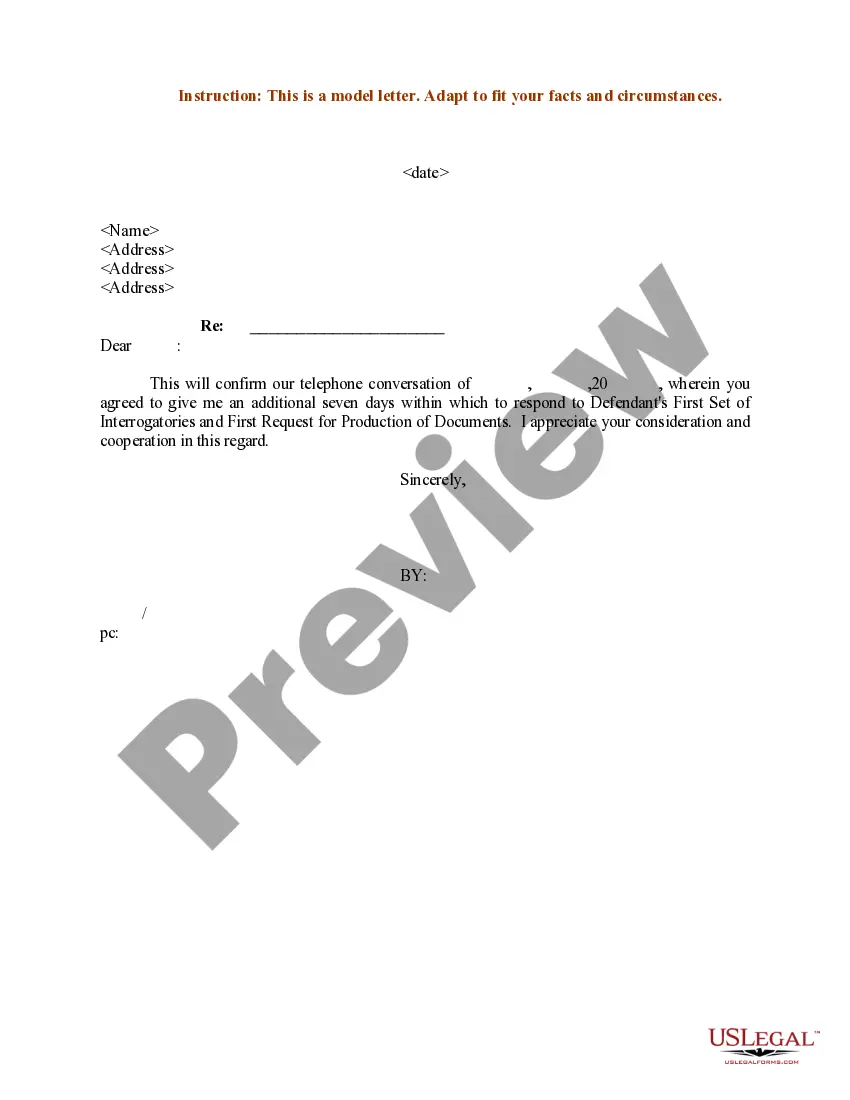
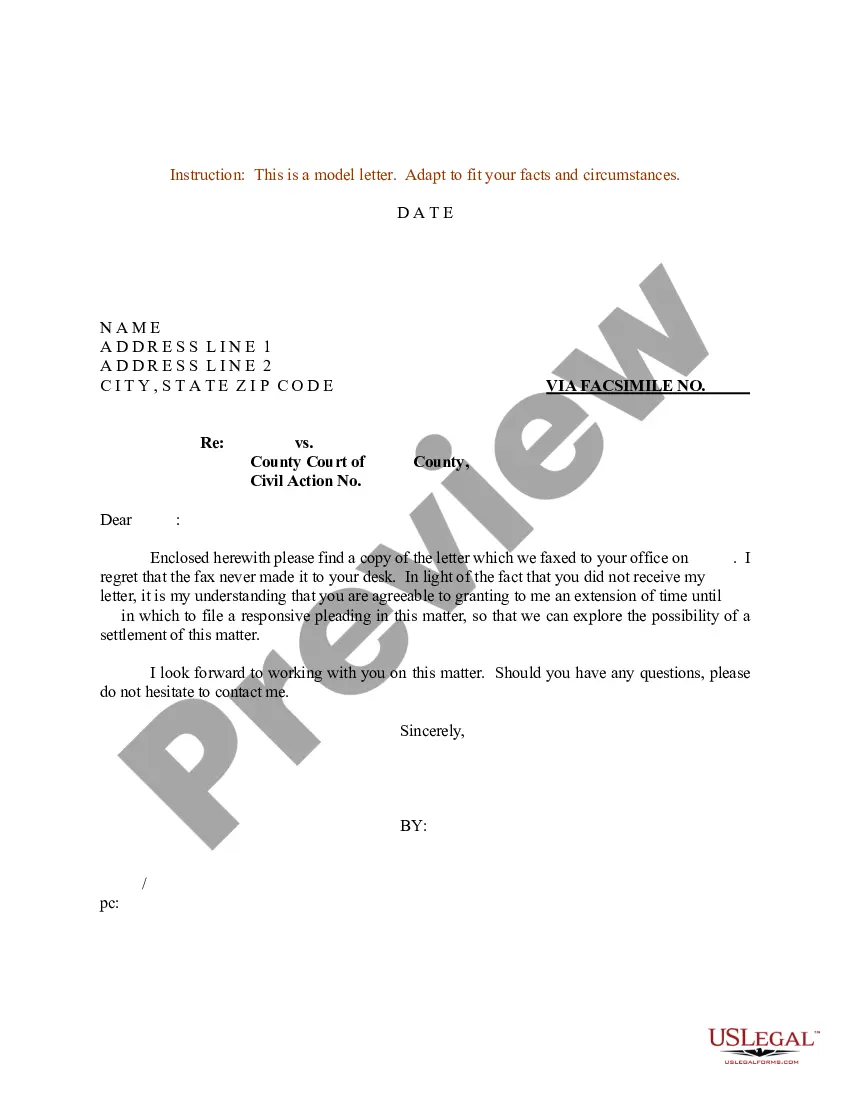


Get your form ready online
Our built-in tools help you complete, sign, share, and store your documents in one place.
Make edits, fill in missing information, and update formatting in US Legal Forms—just like you would in MS Word.
Download a copy, print it, send it by email, or mail it via USPS—whatever works best for your next step.
Sign and collect signatures with our SignNow integration. Send to multiple recipients, set reminders, and more. Go Premium to unlock E-Sign.
If this form requires notarization, complete it online through a secure video call—no need to meet a notary in person or wait for an appointment.
We protect your documents and personal data by following strict security and privacy standards.

Make edits, fill in missing information, and update formatting in US Legal Forms—just like you would in MS Word.

Download a copy, print it, send it by email, or mail it via USPS—whatever works best for your next step.

Sign and collect signatures with our SignNow integration. Send to multiple recipients, set reminders, and more. Go Premium to unlock E-Sign.

If this form requires notarization, complete it online through a secure video call—no need to meet a notary in person or wait for an appointment.

We protect your documents and personal data by following strict security and privacy standards.
Looking for another form?










Form popularity
FAQ
To establish a claim of mental disorder the party raising the issue must show on a balance of probabilities first that the person who committed the act was suffering from a "disease of the mind", and second, that at the time of the offence they were either 1) unable to appreciate the "nature and quality" of the act, or ...
The four prominent insanity standards– the M'Naghten Rule, the Irresistible Impulse (II) Test, the Durham Rule, and the Model Penal Code– vary from state to state depending on a state's criminal laws and respective criminal justice system 3.
Insanity is no longer considered a medical diagnosis but is a legal term in the United States, stemming from its original use in common law.
Penal Law § 40.15 If you find that the defendant has proven that affirmative defense, then you must return a verdict of not responsible by reason of mental disease or defect. Under our law, the defendant has the burden of proving an Page 2 affirmative defense by a preponderance of the evidence.
Mental illness of such a severe nature that a person cannot distinguish fantasy from reality, cannot conduct her/his affairs due to psychosis, or is subject to uncontrollable impulsive behavior. Insanity is distinguished from low intelligence or mental deficiency due to age or injury.
Insanity as a Legal Concept To be found legally insane during a criminal trial, a defendant must prove that they were suffering from a mental illness at the time of the crime and, as a result, were unable to appreciate the wrongfulness of their conduct.
ISIS in Afghanistan Insanity TestVerdict(s) New Jersey M'N NGBI New Mexico M'N or Irresistible Impulse NGBI New York A.L.I. Not responsible by reason of mental defect North Carolina M'N NGBI49 more rows
Altered sense of reality. Trouble distinguishing what's real and what's not. Perceptual disturbances like hallucinations. Delusions, fixed false beliefs. Extremely disorganized thinking. Thoughts that are hard for others to understand. Thoughts that are completely derailed.
The defense is found in MPC §4.01, which states: A person is not responsible for criminal conduct if at the time of such conduct as a result of mental disease or defect he lacks substantial capacity either to appreciate the criminality wrongfulness of his conduct or to conform his conduct to the requirements of law.

