Pleading With Meaning In Maryland
Description
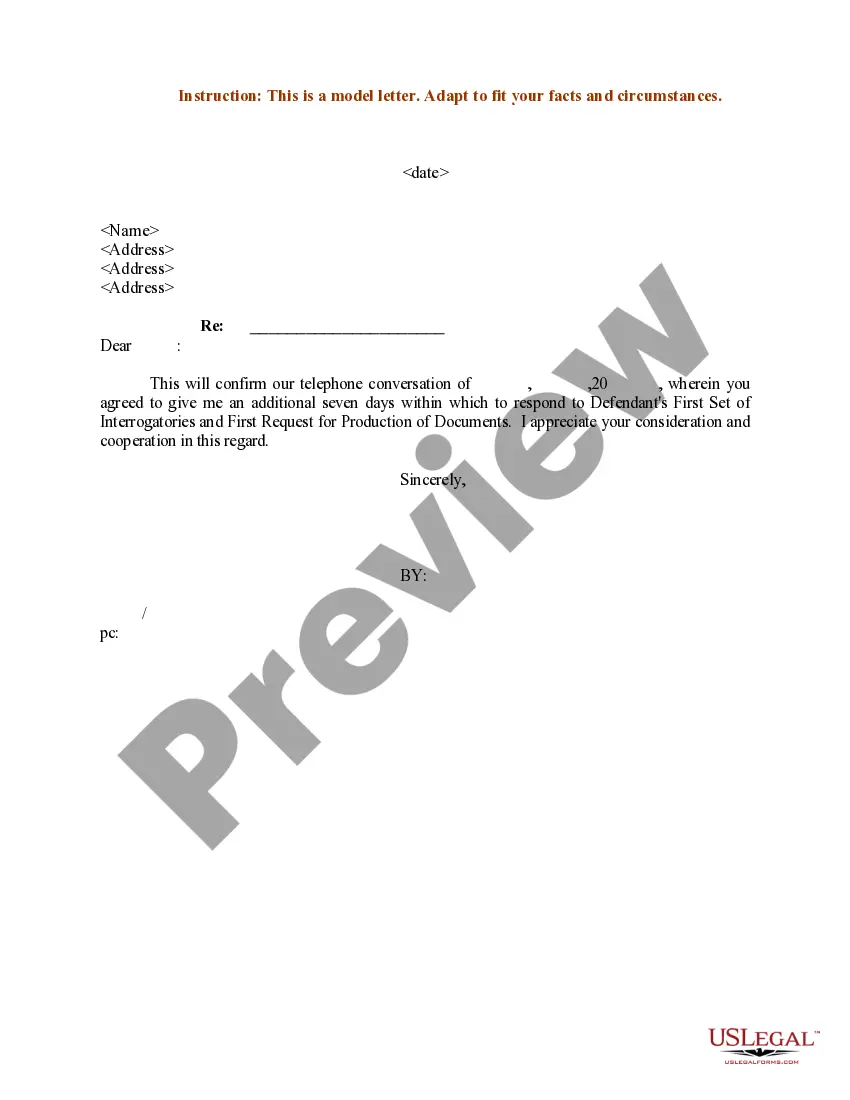
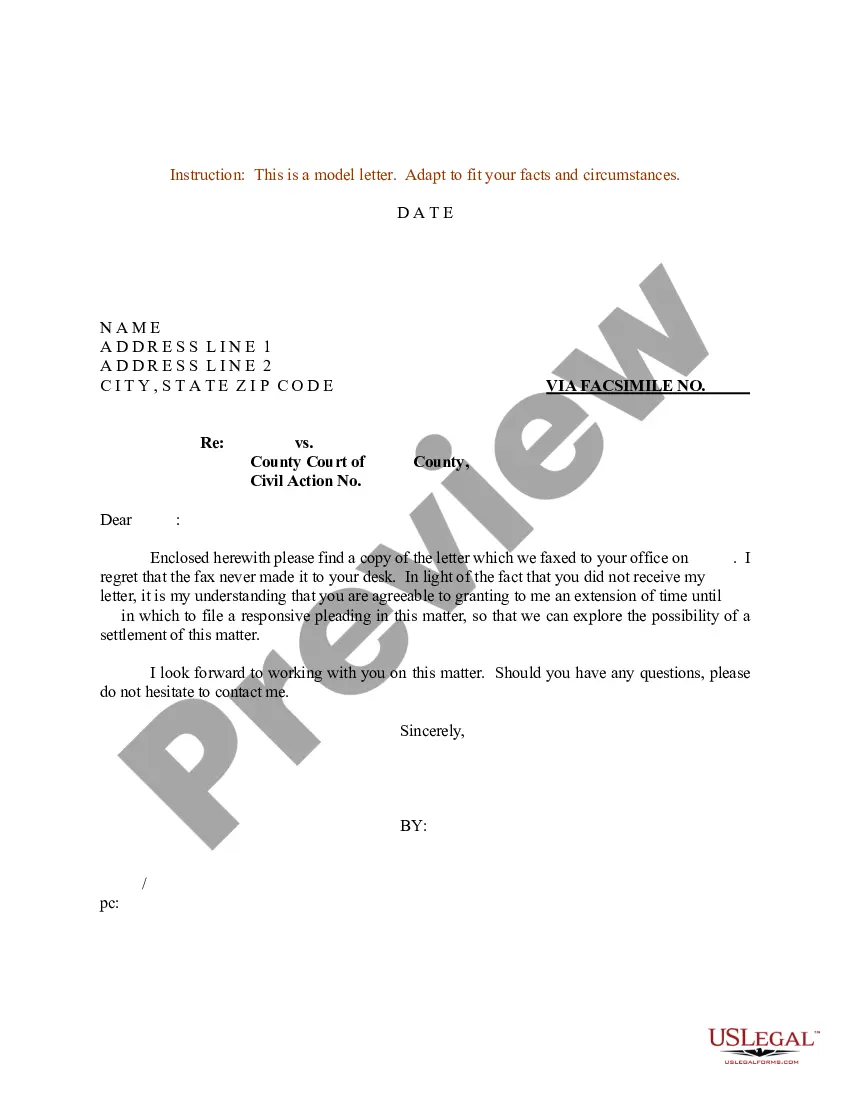


Get your form ready online
Our built-in tools help you complete, sign, share, and store your documents in one place.
Make edits, fill in missing information, and update formatting in US Legal Forms—just like you would in MS Word.
Download a copy, print it, send it by email, or mail it via USPS—whatever works best for your next step.
Sign and collect signatures with our SignNow integration. Send to multiple recipients, set reminders, and more. Go Premium to unlock E-Sign.
If this form requires notarization, complete it online through a secure video call—no need to meet a notary in person or wait for an appointment.
We protect your documents and personal data by following strict security and privacy standards.

Make edits, fill in missing information, and update formatting in US Legal Forms—just like you would in MS Word.

Download a copy, print it, send it by email, or mail it via USPS—whatever works best for your next step.

Sign and collect signatures with our SignNow integration. Send to multiple recipients, set reminders, and more. Go Premium to unlock E-Sign.

If this form requires notarization, complete it online through a secure video call—no need to meet a notary in person or wait for an appointment.

We protect your documents and personal data by following strict security and privacy standards.
Looking for another form?





Form popularity
FAQ
Not Guilty Plea The defendant is informing the court that he or she denies guilt or has a defense in the case and that the state must prove what it has charged in the complaint. If you choose to plea "Not Guilty", you have a right to a jury trial, unless you waive that right and request a trial by judge.
You can plead guilty and face sentencing. If you want to fight the charges, you can plead not guilty, and your case will go to trial. If you accept a plea agreement, a judge will sentence you without a trial. The prosecutor may offer a deal for a reduced sentence or no jail time if you agree to plead guilty.
There could be possible further pleadings after the initial pleadings of both parties, including a reply, a rejoinder, or a surrejoinder. The pleading serves to provide notice to the defendant that there will be a lawsuit against the defendant regarding a specific controversy or controversies.
Most plea offers come with an established expiration date, typically set within a few months of the offer's issuance. Once the original plea offer expires, the prosecutor can choose to either extend the same offer or present a new plea deal with potentially less favorable terms.
When the court says "writ/summons/pleading" it just means that the court has notified both the defense and prosecution of the order, and this is how they code it.
Pleading guilty to a crime is a legal admission of guilt and an acceptance of responsibility for the alleged offense. It removes the possibility of a criminal trial, and a plea bargain often gives a defendant the chance to receive a lesser sentence or have certain charges reduced or dismissed.
A pleading shall contain only such statements of fact as may be necessary to show the pleader's entitlement to relief or ground of defense. It shall not include argument, unnecessary recitals of law, evidence, or documents, or any immaterial, impertinent, or scandalous matter.
In the event that some form of the deal is accepted, the judge will hear the plea in open court and sentence the defendant. This may happen at a special hearing if the defendant is in custody, but otherwise the plea probably will go on the record at the next scheduled hearing.
Comply With the Relevant Federal, State, and Local Rules. Research Before Writing. Allege Subject Matter Jurisdiction, Personal Jurisdiction, and Venue. Jurisdiction. Draft Concise and Plain Statement of the Facts. Factual Allegations. Draft Separate Counts for Each Legal Claim. Plead Facts With Particularity Where Necessary.
Pleadings usually are presented via a written delivery of the parties. Pleadings may include briefs, attachments, responses and motions. State procedural rules (for instance, see Chapter 7 of California's Code of Civil Procedure) govern the pleading stages within state courts.

