Complaint or Petition for Judgment Declaring a Nonconforming Use
About this form
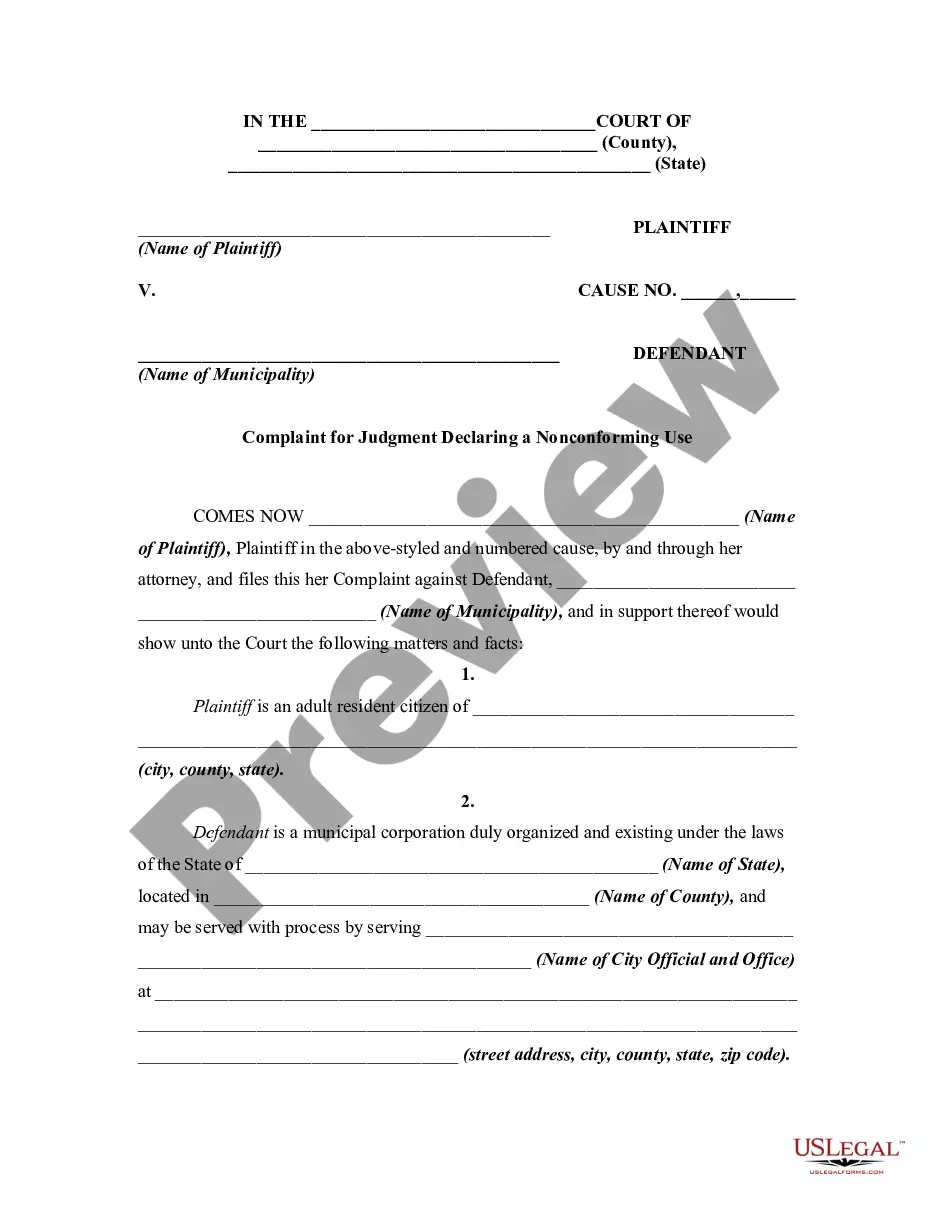
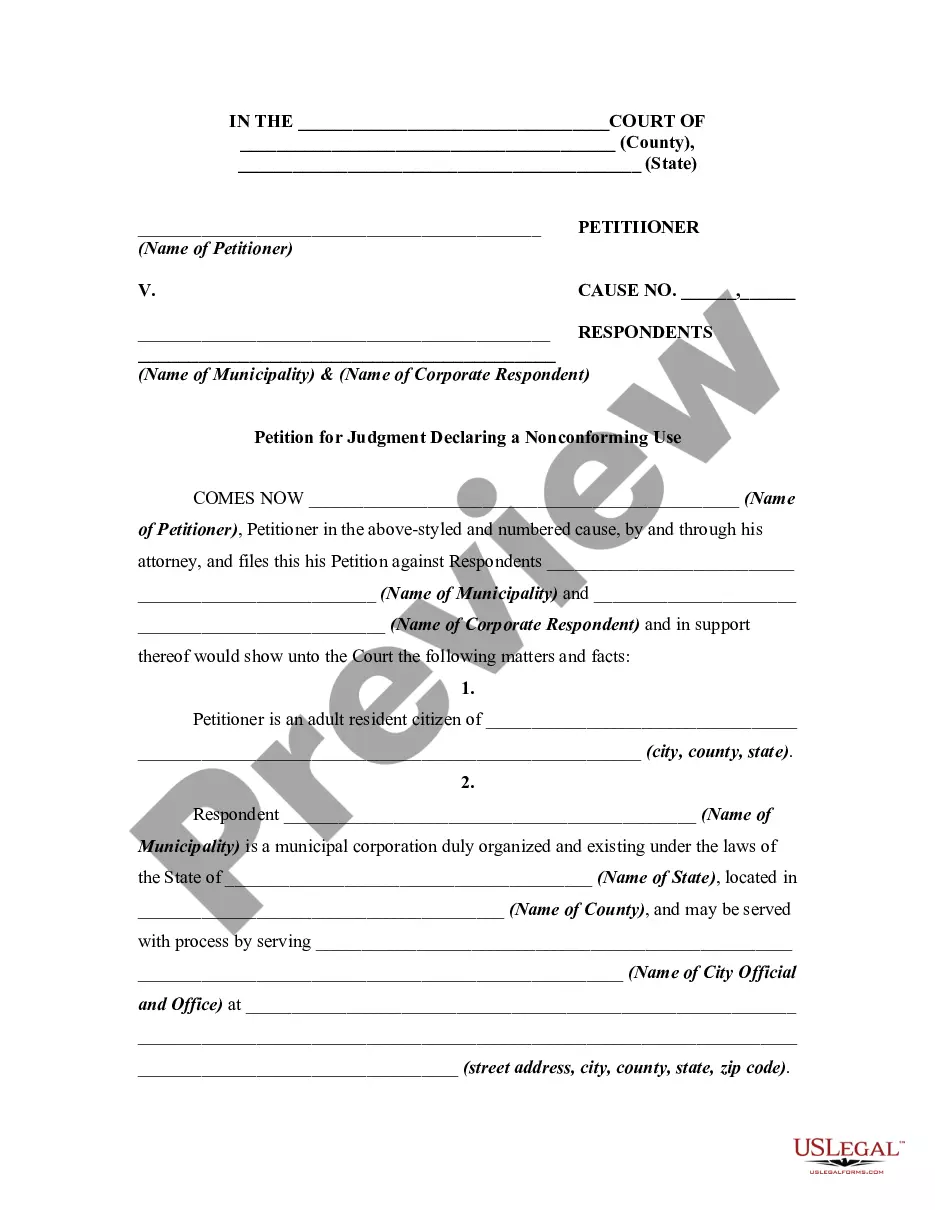
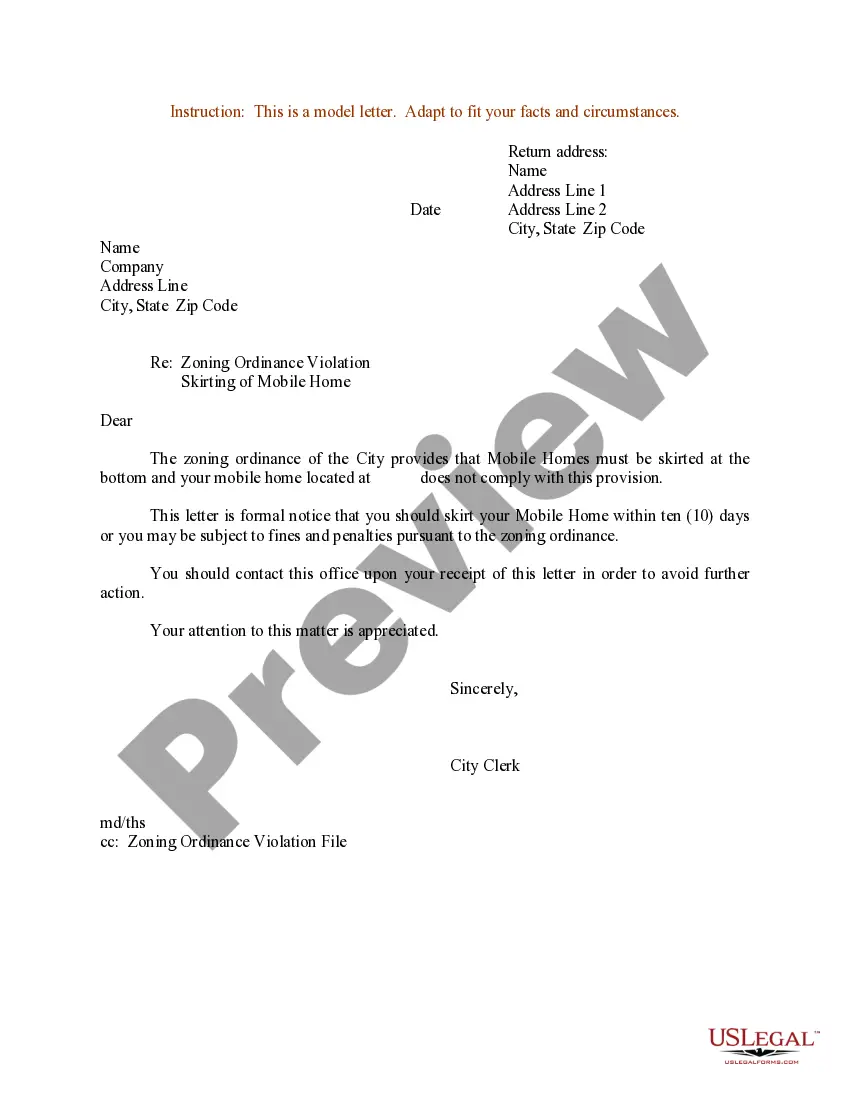
The Complaint or Petition for Judgment Declaring a Nonconforming Use is a legal document used by property owners to assert their right to continue a property's existing use despite conflicting zoning ordinances. This form supports property owners in declaring their nonconforming use status, distinguishing it from other petitions by specifically addressing zoning conflicts and the rights associated with them. It is essential for individuals facing challenges regarding the legality of continued property use under new zoning laws.
Key components of this form
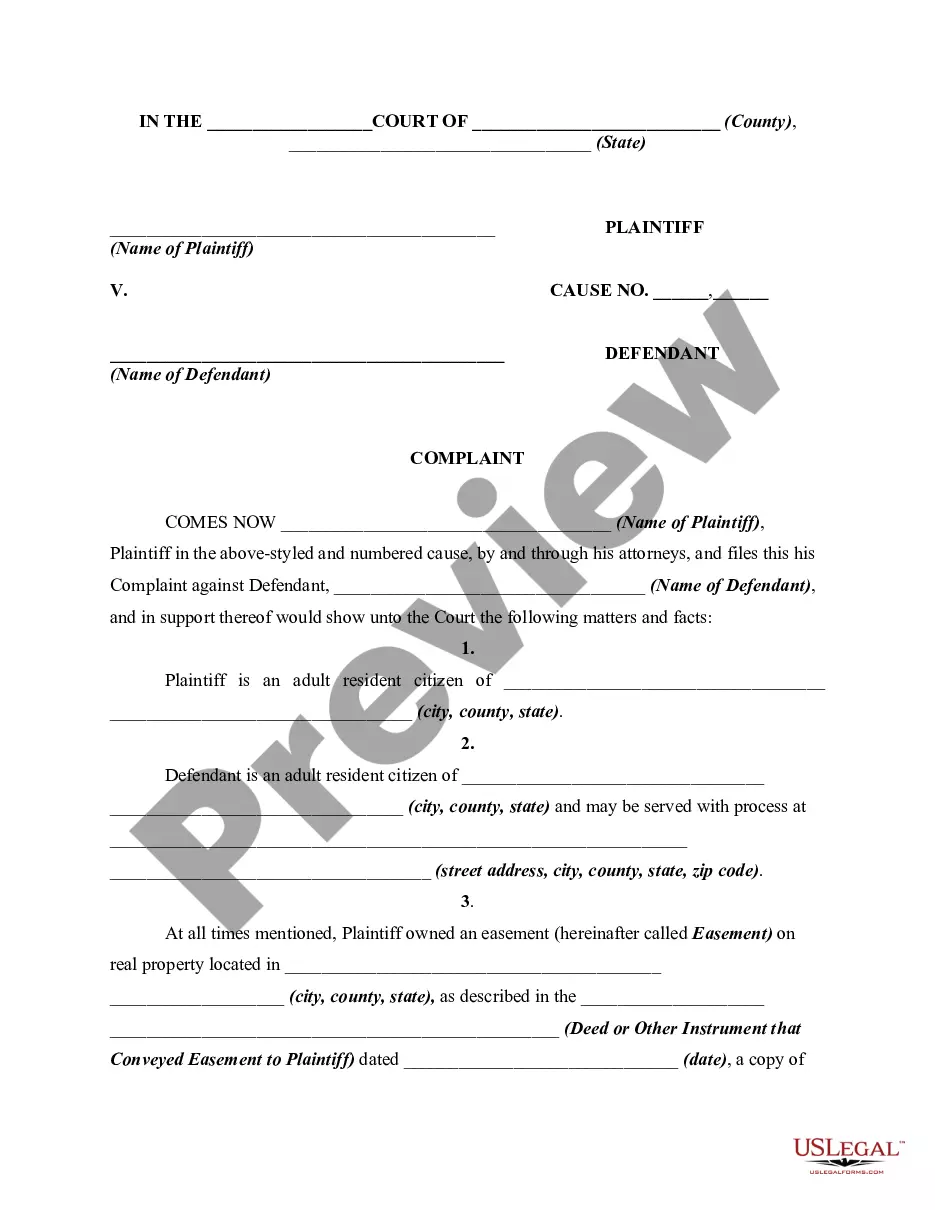
- Plaintiff and defendant identification: Details about who is filing the complaint and the municipality involved.
- Description of Nonconforming Use: A declaration of the property use that conflicts with current zoning ordinances.
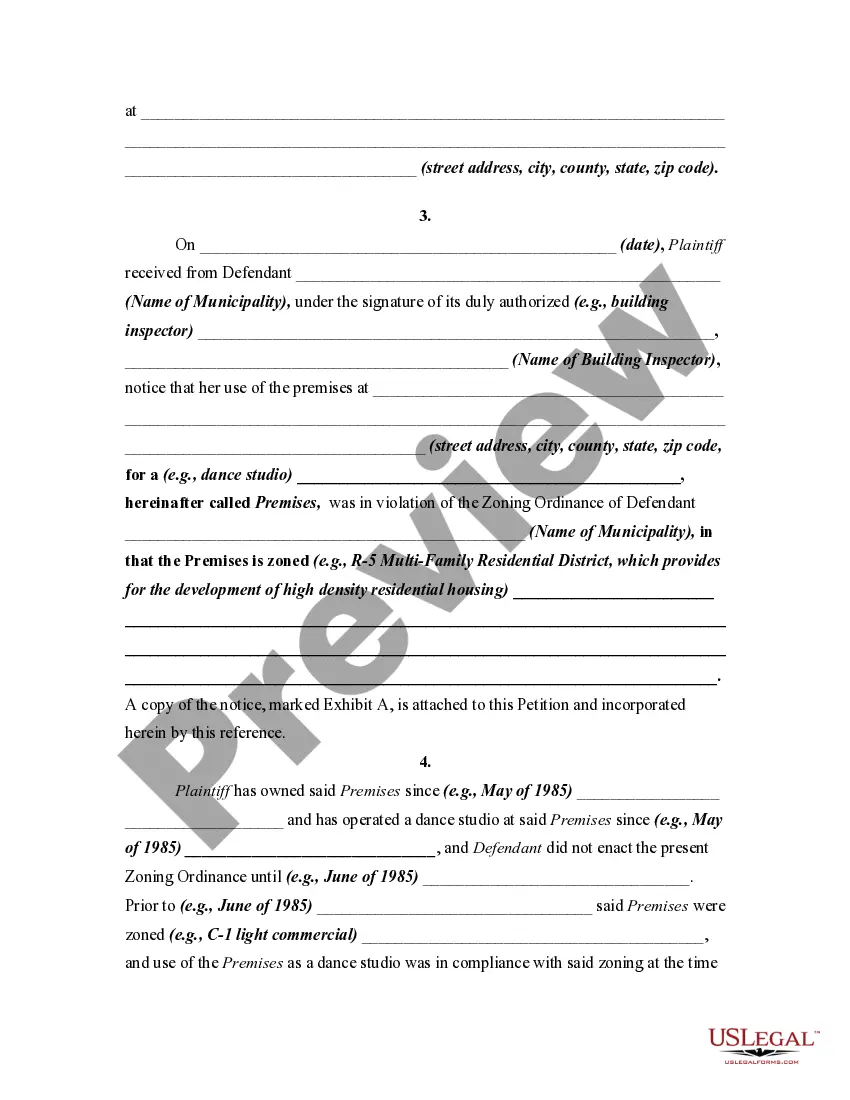
- History of property use: Background information on how long the property has been used in its current capacity.
- Notice details: Information on any notices received from the municipality regarding zoning violations.
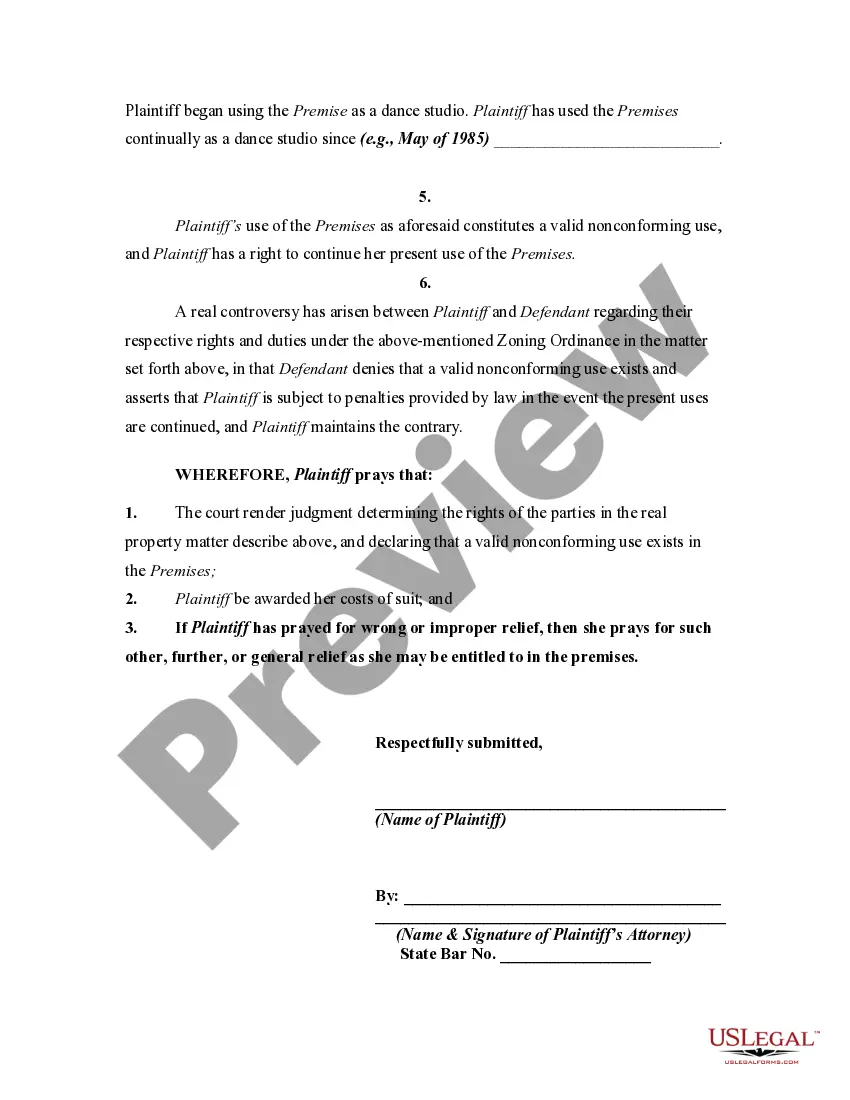
- Request for court judgment: A clear statement of what the plaintiff seeks from the court regarding their nonconforming use.
When to use this document
This form is necessary when a property owner receives a notification from their local municipality stating that their current use of the property violates new zoning laws. It is typically used when the property owner believes their use is protected as a nonconforming use and wants the court to officially recognize that right.
Who needs this form
- Property owners who have received notice of a zoning violation from a municipality.
- Individuals seeking legal recognition of their property's existing use as nonconforming.
- Residents in areas where zoning regulations have recently changed, impacting their property usage.
Instructions for completing this form
- Identify the parties involved: Fill in the names of the plaintiff and the municipality.
- Specify the property details: Provide the address and details of the nonconforming use.
- Enter the date received: Include the date of the notice you received regarding the zoning violation.
- Detail your use history: Explain how long you have been using the property in its current capacity.
- State your request: Clearly articulate what you are seeking from the court regarding your nonconforming use claim.
Does this form need to be notarized?
This form does not typically require notarization unless specified by local law. Always check local regulations to ensure compliance.
Get your form ready online
Our built-in tools help you complete, sign, share, and store your documents in one place.
Make edits, fill in missing information, and update formatting in US Legal Forms—just like you would in MS Word.
Download a copy, print it, send it by email, or mail it via USPS—whatever works best for your next step.
Sign and collect signatures with our SignNow integration. Send to multiple recipients, set reminders, and more. Go Premium to unlock E-Sign.
If this form requires notarization, complete it online through a secure video call—no need to meet a notary in person or wait for an appointment.
We protect your documents and personal data by following strict security and privacy standards.

Make edits, fill in missing information, and update formatting in US Legal Forms—just like you would in MS Word.

Download a copy, print it, send it by email, or mail it via USPS—whatever works best for your next step.

Sign and collect signatures with our SignNow integration. Send to multiple recipients, set reminders, and more. Go Premium to unlock E-Sign.

If this form requires notarization, complete it online through a secure video call—no need to meet a notary in person or wait for an appointment.

We protect your documents and personal data by following strict security and privacy standards.
Typical mistakes to avoid
- Failing to provide adequate details about the property use history.
- Neglecting to include the date of the notice from the municipality.
- Not stating the request clearly in the court petition.
- Missing signatures or not including the attorneyâs information when applicable.
Benefits of using this form online
- Convenience of accessing and completing the form from anywhere.
- Editable format allows for easy customization to meet individual circumstances.
- Reliable templates created by licensed attorneys ensure legal accuracy.
Legal use & context
- The form serves to establish a legal claim for nonconforming use in a court of law.
- It is important to file this document in a timely manner after receiving notice to avoid penalties.
- The outcome can vary based on local zoning regulations and existing case law.
What to keep in mind
- This form is essential for asserting property rights against zoning changes.
- Proper completion is crucial to ensure the court recognizes the nonconforming use.
- Consult local laws to address any specific requirements unique to your jurisdiction.
Looking for another form?
Form popularity
FAQ
After your petition is filed, it will be forwarded to one of four USCIS Service Centers. Each Service Center has jurisdiction over a specific area of the country and specific cases. Your receipt number contains three letters identifying which Service Center is processing your petition.
1 : a formal written request made to an official person or body (as a court or board) a petition for equitable relief the creditor filed a petition for involuntary bankruptcy. 2 : a document embodying a formal written request. petition. transitive verb.
A petition is a request to do something, most commonly addressed to a government official or public entity. Petitions to a deity are a form of prayer called supplication. In the colloquial sense, a petition is a document addressed to some official and signed by numerous individuals.
A motion is a request to a court for a desired ruling.A petition is a formal application in writing made to a court or other official body requesting judicial action of some character.
A petition for certiorari before judgment, in the Supreme Court of the United States, is a petition for a writ of certiorari in which the Supreme Court is asked to immediately review the decision of a United States District Court, without an appeal having been decided by a United States Court of Appeals, for the
The petitioner is the party who presents a petition to the court. On appeal, the petitioner is usually the party who lost in the lower court. This can be either the plaintiff or defendant from the court below, as either of the parties can present the case to a higher court for further proceedings. See also respondent.
A petition is a request to do something, most commonly addressed to a government official or public entity. Petitions to a deity are a form of prayer called supplication. In the colloquial sense, a petition is a document addressed to some official and signed by numerous individuals.
If a petition for review is granted, when must briefs on the merits be filed? Within 30 days after the court grants the petition and files its order of review, the party may file a new brief on the merits or may file the brief he or she filed in the Court of Appeal, as provided in California Rules of Court, rule 8.520.
A motion is a request to a court for a desired ruling.A petition is a formal application in writing made to a court or other official body requesting judicial action of some character.