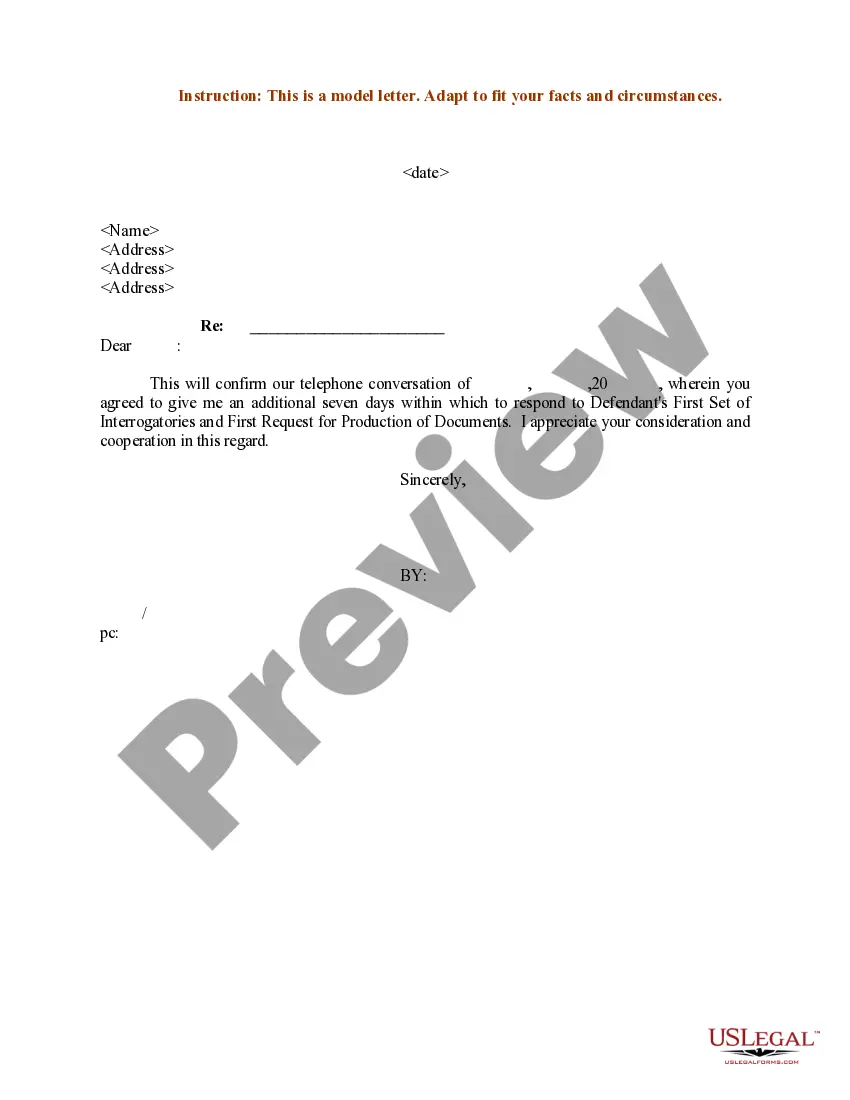
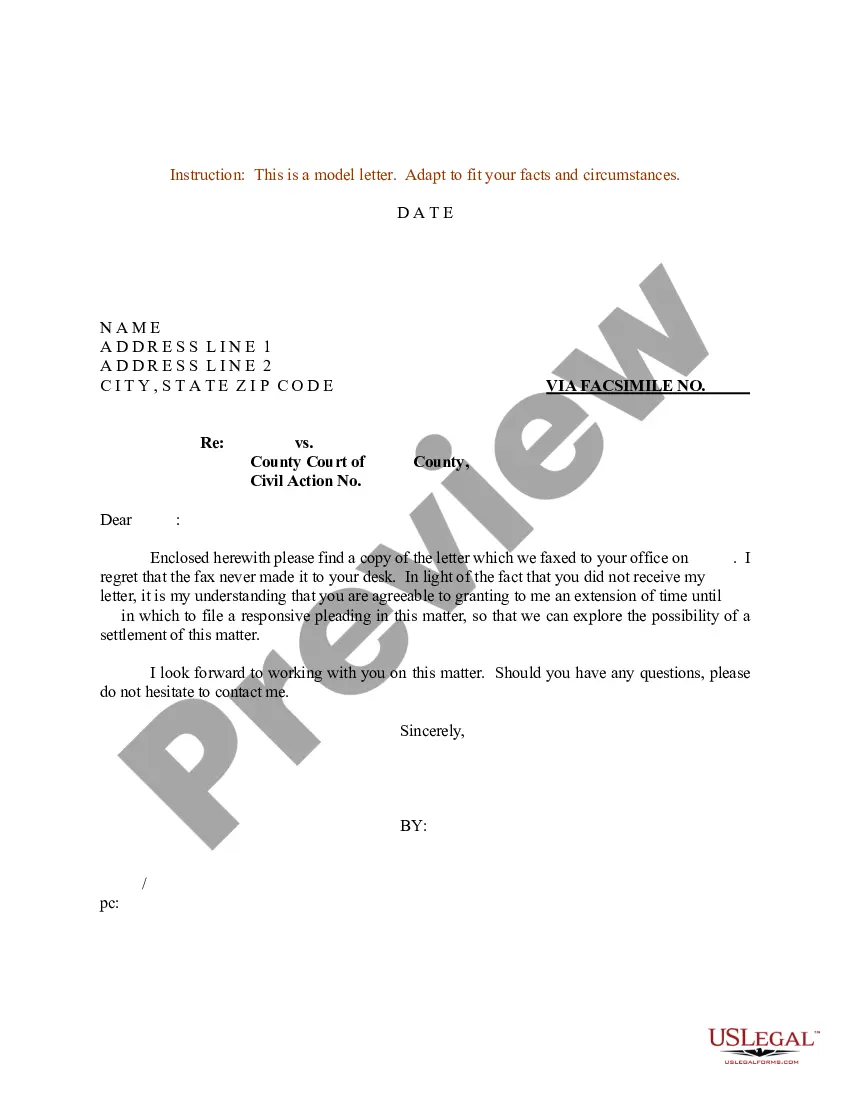
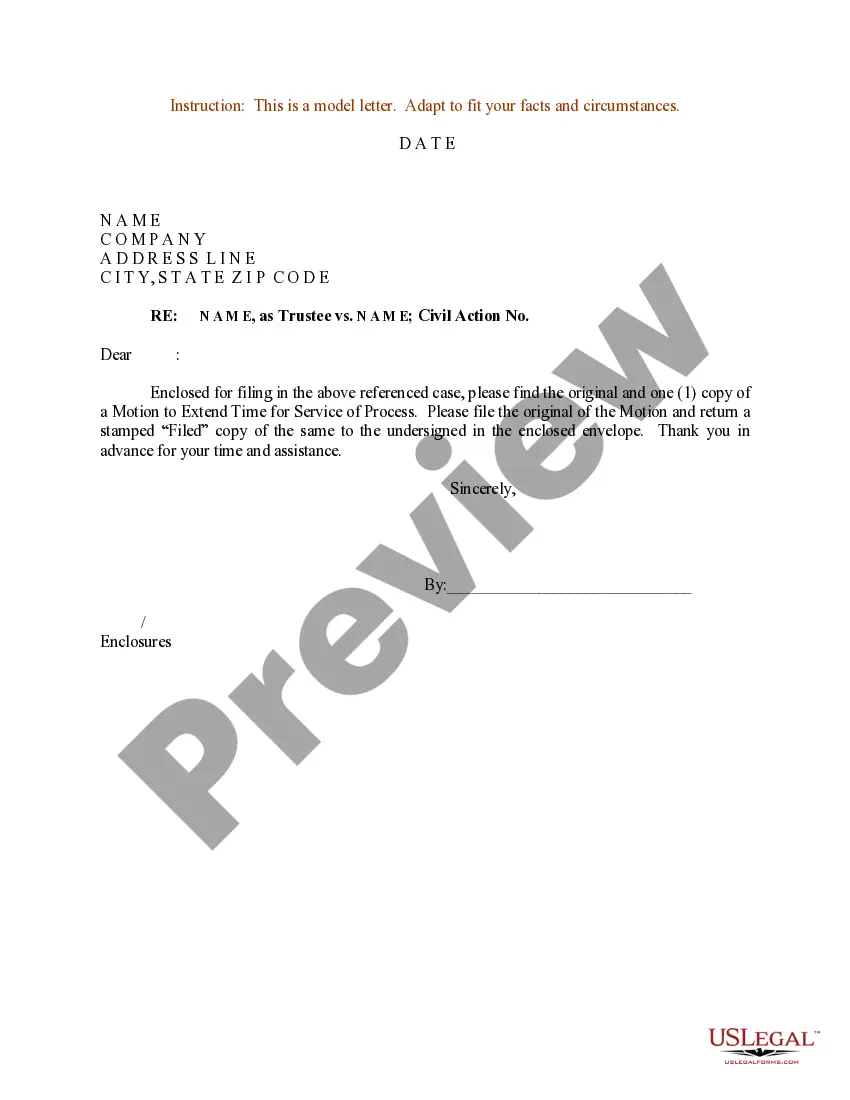
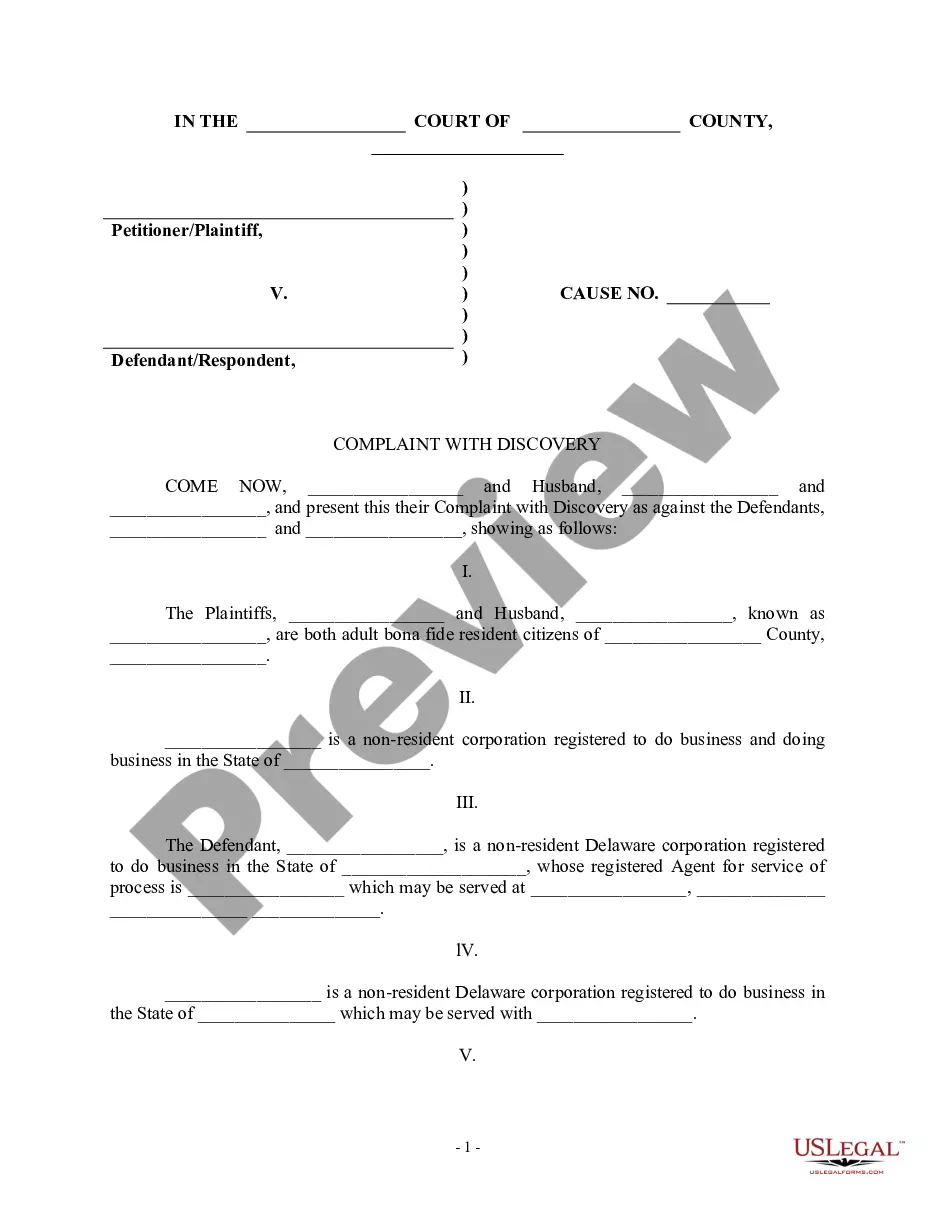
Confirmation Letter Example With Dear In Maricopa
Description

Get your form ready online
Our built-in tools help you complete, sign, share, and store your documents in one place.
Make edits, fill in missing information, and update formatting in US Legal Forms—just like you would in MS Word.
Download a copy, print it, send it by email, or mail it via USPS—whatever works best for your next step.
Sign and collect signatures with our SignNow integration. Send to multiple recipients, set reminders, and more. Go Premium to unlock E-Sign.
If this form requires notarization, complete it online through a secure video call—no need to meet a notary in person or wait for an appointment.
We protect your documents and personal data by following strict security and privacy standards.

Make edits, fill in missing information, and update formatting in US Legal Forms—just like you would in MS Word.

Download a copy, print it, send it by email, or mail it via USPS—whatever works best for your next step.

Sign and collect signatures with our SignNow integration. Send to multiple recipients, set reminders, and more. Go Premium to unlock E-Sign.

If this form requires notarization, complete it online through a secure video call—no need to meet a notary in person or wait for an appointment.

We protect your documents and personal data by following strict security and privacy standards.
Looking for another form?









Form popularity
FAQ
If the defendant tries to evade service by staying away from their home, you can serve them at their workplace or another public place. If that does not work, you may need to locate another address to serve them at.
It's not illegal to avoid being served with a process, but it is rarely advantageous.
Unless Rule 4.1(c), (e), (f), or (g) applies, an individual may be served by: (1) delivering a copy of the summons and the pleading being served to that individual personally; (2) leaving a copy of each at that individual's dwelling or usual place of abode with someone of suitable age and discretion who resides there; ...
The meaning of “personally served” is set forth in Rule 113(a). The person who completed service must promptly prepare an affidavit as proof that a defendant was served, and the proof of service must be filed with the court.
Newspaper Notice In some jurisdictions, if the person cannot be found it is admissible to place a notice in the newspaper. For this to be considered acceptable, it must be demonstrated that all other options have been used, and that every attempt has been made to serve the legal papers personally.
Rule 4.2(f) allows service by publication when the following circumstances exist: The last known address of the person to be served is outside Arizona, but, (1) despite diligent efforts, the serving party is unable to find the opposing party's current address; or, (2) the opposing party has intentionally avoided ...
You can send the court papers by giving the post office copies of the court papers in an envelope, postage prepaid, to be sent to the other party by any form of mail requiring a signed and returned receipt. This is often called Certified Mail, Restricted Delivery by the post office.
Generally, your Summons and Complaint must be served within 90 days after you file the Complaint. (ARCP 4(i)) If you fail to serve the Defendants within 90 days, your Complaint will be dismissed.
You can also reach out to local legal entities. This could be the court's clerk office. Simply ask if there are any legal documents with your name on them that haven't been delivered yet. This is like calling customer service to check if they've dispatched that order you forgot you made.
Unless Rule 4.1(c), (e), (f), or (g) applies, an individual may be served by: (1) delivering a copy of the summons and the pleading being served to that individual personally; (2) leaving a copy of each at that individual's dwelling or usual place of abode with someone of suitable age and discretion who resides there; ...

