Confirmation Letter Example With Cc In Dallas
Description
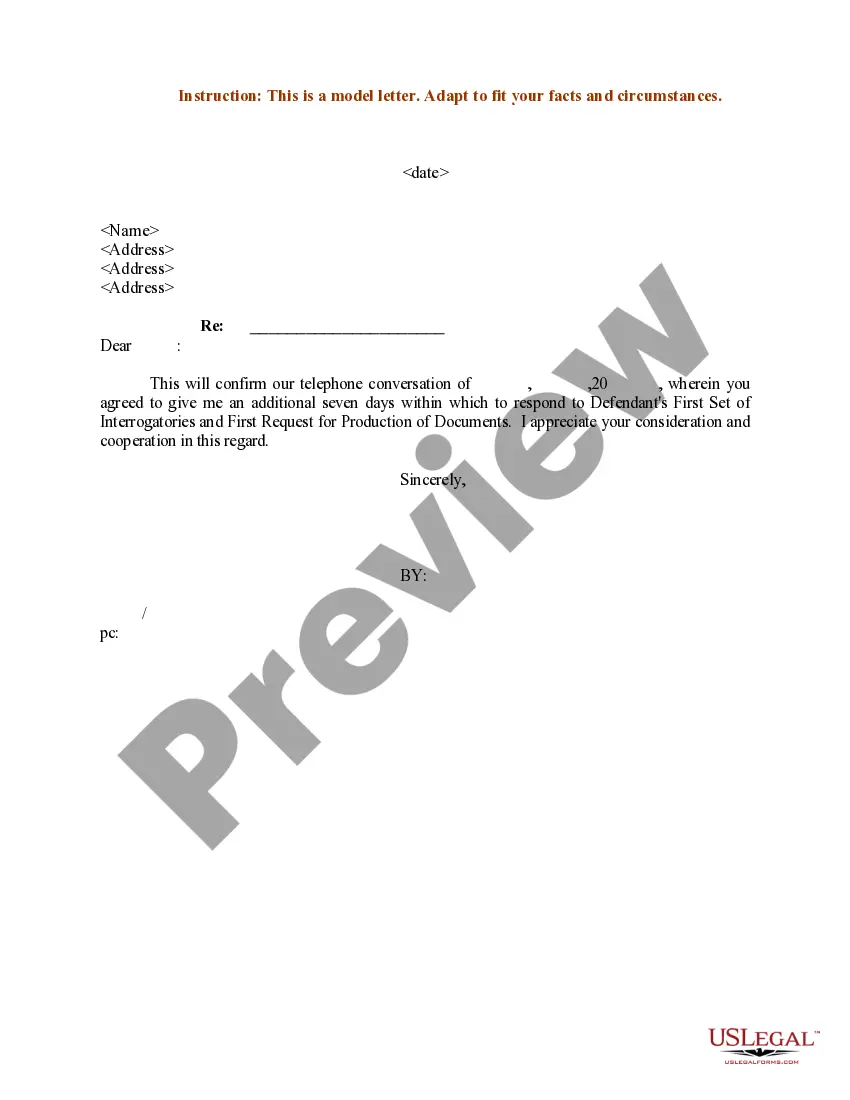
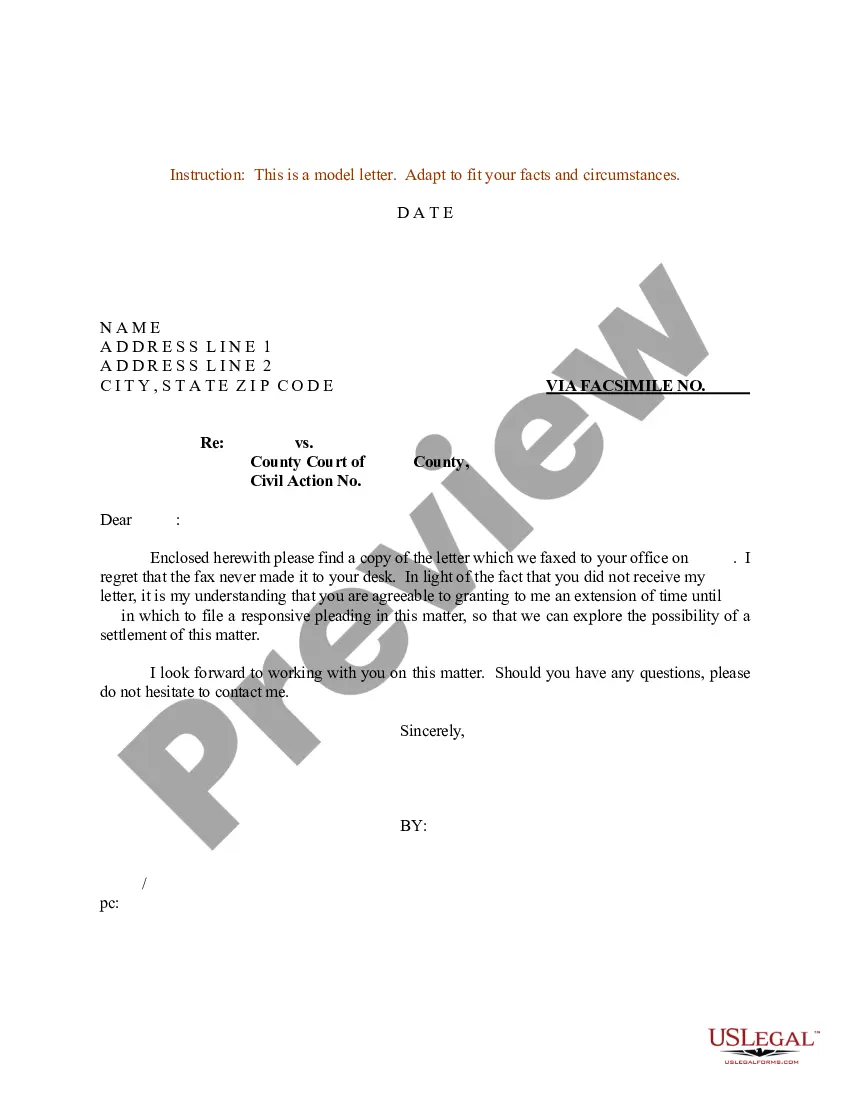


Get your form ready online
Our built-in tools help you complete, sign, share, and store your documents in one place.
Make edits, fill in missing information, and update formatting in US Legal Forms—just like you would in MS Word.
Download a copy, print it, send it by email, or mail it via USPS—whatever works best for your next step.
Sign and collect signatures with our SignNow integration. Send to multiple recipients, set reminders, and more. Go Premium to unlock E-Sign.
If this form requires notarization, complete it online through a secure video call—no need to meet a notary in person or wait for an appointment.
We protect your documents and personal data by following strict security and privacy standards.

Make edits, fill in missing information, and update formatting in US Legal Forms—just like you would in MS Word.

Download a copy, print it, send it by email, or mail it via USPS—whatever works best for your next step.

Sign and collect signatures with our SignNow integration. Send to multiple recipients, set reminders, and more. Go Premium to unlock E-Sign.

If this form requires notarization, complete it online through a secure video call—no need to meet a notary in person or wait for an appointment.

We protect your documents and personal data by following strict security and privacy standards.
Looking for another form?








Form popularity
FAQ
Although carbon is no longer used for copies, the convenient initials c.c. : (or cc :) followed by a colon and the names of the recipients of copies of the letter is still the preferred copy notation. An alternative is Copy to:.
CC stands for carbon copy, allowing someone apart from the primary recipient to receive a copy of the email. When you CC an email to someone, the recipients in both the To field and the CC field are able to see the email addresses of each other. The CC field in email lets you keep additional recipients in the loop.
Under your signature, type "CC" and place two to four spaces between your signature and the CC line. Now enter the names of everyone who will be CC'd on this letter.
At the end of the letter, after the signature, type CC: and then the list of the names of the other people to whom you're going to send the letter. Print the letter with as many copies as you have on your CC list plus the one for the direct recipient. Address envelopes for all recipients.
Now peel and place the return receipt on the back side of the envelope. And. That's. It for properMoreNow peel and place the return receipt on the back side of the envelope. And. That's. It for proper placement on large envelopes or packages fill out the forms. And place the labels.
At the end of the letter, after the signature, type CC: and then the list of the names of the other people to whom you're going to send the letter. Print the letter with as many copies as you have on your CC list plus the one for the direct recipient. Address envelopes for all recipients.
Although carbon is no longer used for copies, the convenient initials c.c. : (or cc :) followed by a colon and the names of the recipients of copies of the letter is still the preferred copy notation. An alternative is Copy to:.
CC stands for “Carbon copy”. Those email addresses are also visible to the main recipient (whose address is in the “To” field) and they can decide whether to reply to the sender only (by choosing “Reply”) or to also include the cc'ed addresses (by clicking “Reply all”).
Both applicants must be able to visit the County Clerk's office in person within 3 days of submitting your application in order to obtain your marriage license.
If you would like to file for a zoning change, it is recommended that you make an appointment with a planner before coming into the office. Call (214) 670-4209 to make an appointment or for more information regarding the rezoning process. To find out the zoning for property, please call (214) 948-4480.

