Pleading Format In Chicago
Description
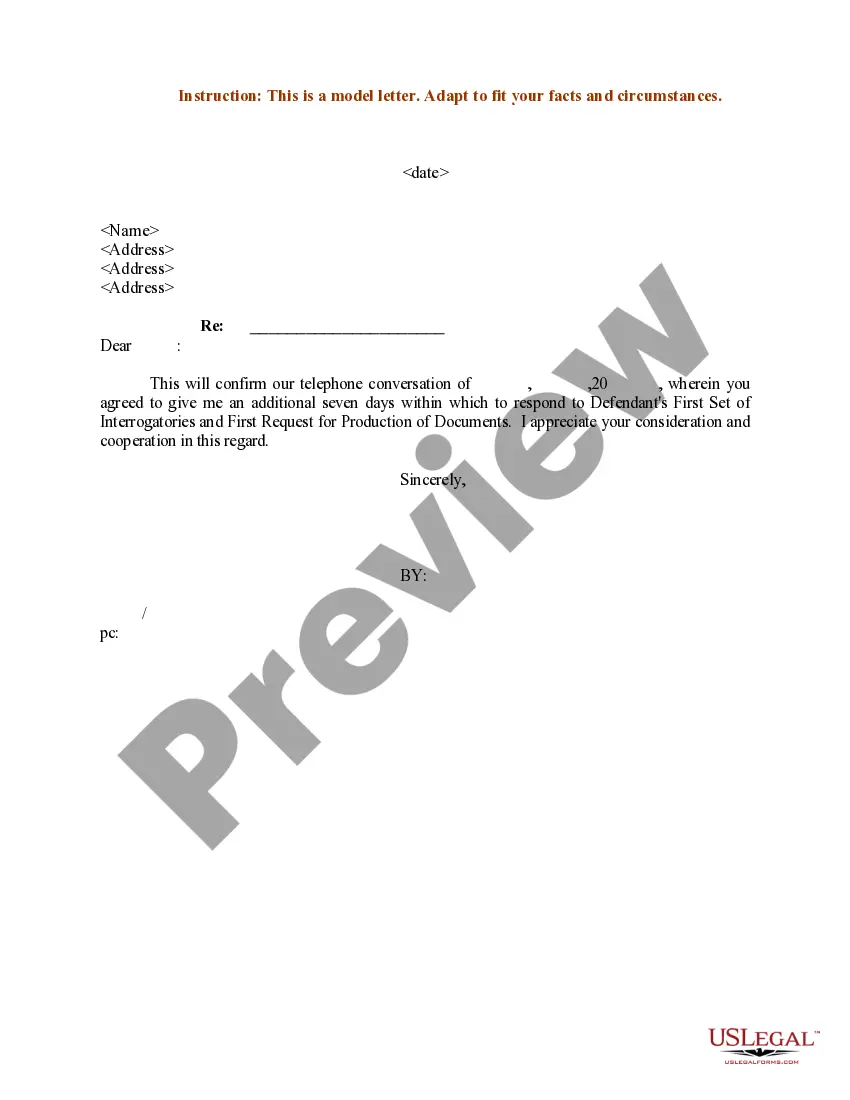
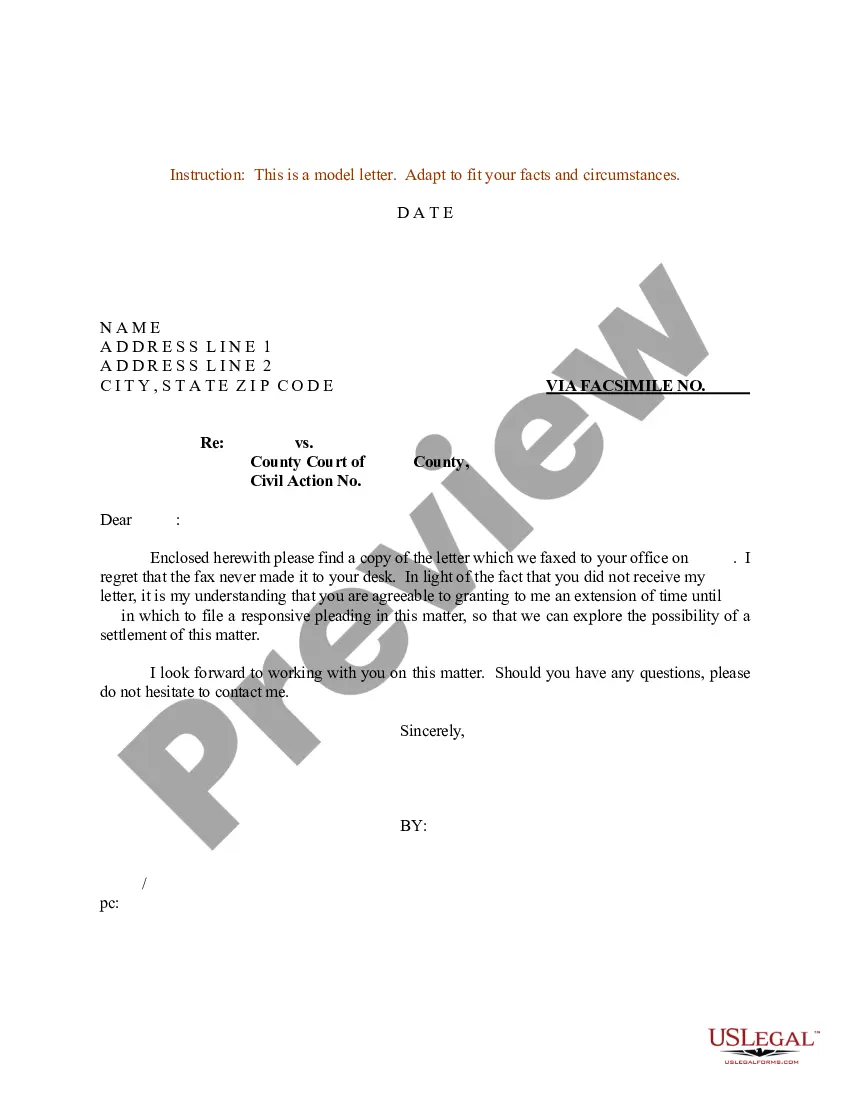
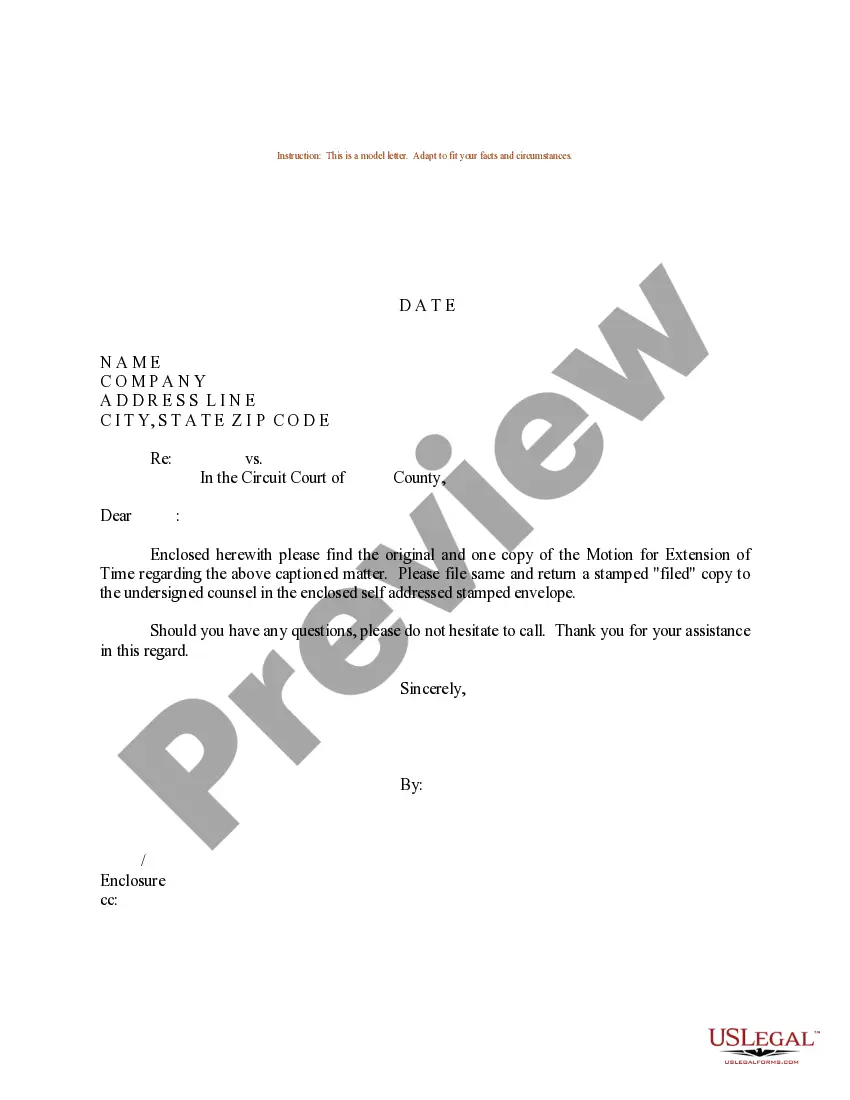
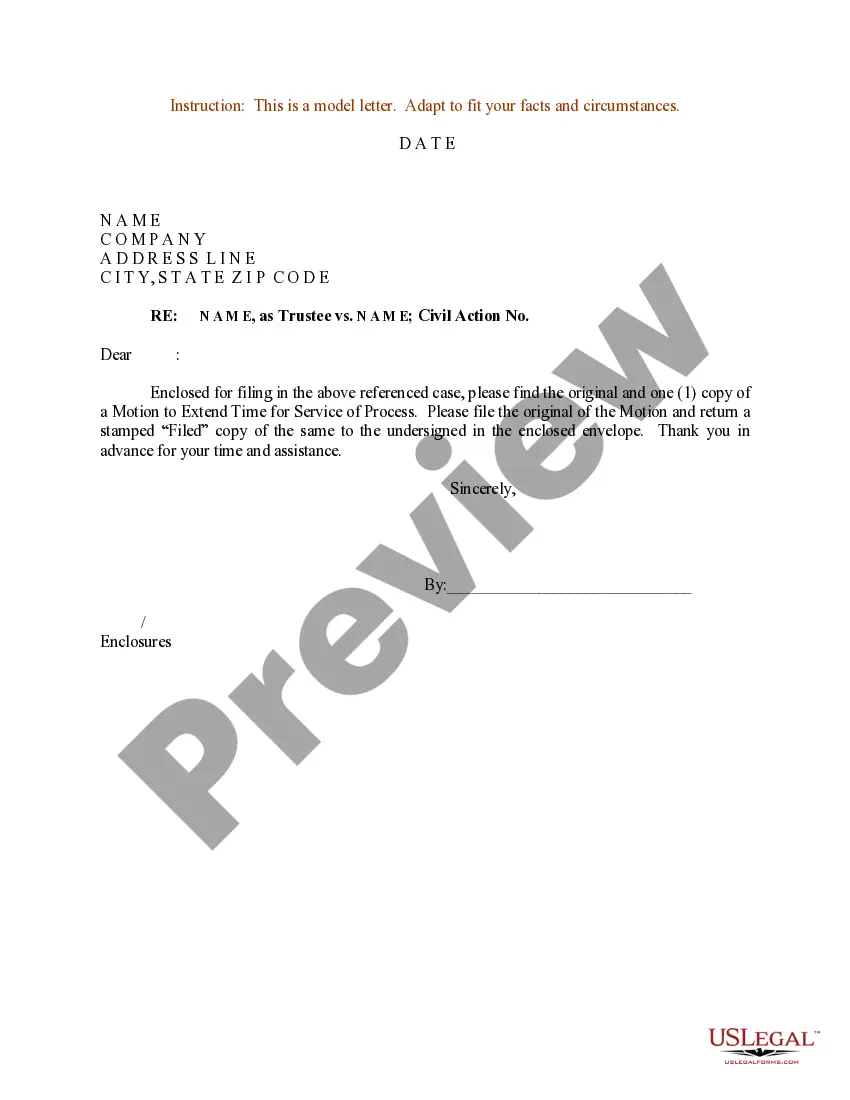
Get your form ready online
Our built-in tools help you complete, sign, share, and store your documents in one place.
Make edits, fill in missing information, and update formatting in US Legal Forms—just like you would in MS Word.
Download a copy, print it, send it by email, or mail it via USPS—whatever works best for your next step.
Sign and collect signatures with our SignNow integration. Send to multiple recipients, set reminders, and more. Go Premium to unlock E-Sign.
If this form requires notarization, complete it online through a secure video call—no need to meet a notary in person or wait for an appointment.
We protect your documents and personal data by following strict security and privacy standards.

Make edits, fill in missing information, and update formatting in US Legal Forms—just like you would in MS Word.

Download a copy, print it, send it by email, or mail it via USPS—whatever works best for your next step.

Sign and collect signatures with our SignNow integration. Send to multiple recipients, set reminders, and more. Go Premium to unlock E-Sign.

If this form requires notarization, complete it online through a secure video call—no need to meet a notary in person or wait for an appointment.

We protect your documents and personal data by following strict security and privacy standards.
Looking for another form?
Form popularity
FAQ
Shortening titles: Shorten a book or article title that is 5 or more words in a note, but do not shorten journal titles. Acceptable ways of shortening titles: Omit the initial article (A, The). Include only key words from the title.
Ensure that each level of hierarchy is clear and consistent. Levels of subheads can be differentiated by type style, use of boldface or italics, and placement on the page, usually either centered or flush left. Use no more than three levels of hierarchy. Avoid ending subheadings with periods.
The basic format for a Long Caption to go in a List of Illustrations is: Fig 1. Description of image/figure as it relates to your work. Format by Creator Name, "Original Title," in/from Author, Title of Source (publication details), page number, original figure/table number.
Overall page layout One inch margins on sides, top and bottom. Use Times or Times New Roman 12 pt font. Double-space the text of the paper. Use left-justified text, which will have a ragged right edge. Use a 1/2" indent for paragraph beginnings, block quotes and hanging (bibliography) indents.
Short form information should include the author's last name, a shortened version of the title (if longer than four words), and any other directing information, such as page numbers.
Short notes After you have provided full information about a source in the first note, subsequent notes that reference the same source need only include the author's last name, a shortened version of the title (a short phrase, not more than four words if possible), and the page number.
Here are the basic guidelines for Chicago Style: Include your name, your instructor's name, the course, and the date in the upper left-hand corner of the first page. Double-space the text. 12 point font, Times New Roman is recommended. Page numbers in the header of the first page (not title page, first page of paper)
Short form information should include the author's last name, a shortened version of the title (if longer than four words), and any other directing information, such as page numbers.
Generally, Chicago citations require: Author. Title of book/article. Title of newspaper/journal. Publication year. Publication month and date. Publisher. City of publication. Date of access.
So when we now have one inch margins uh next we just need to change the font and font. Size. I haveMoreSo when we now have one inch margins uh next we just need to change the font and font. Size. I have times the Roman under recent. But more than likely you're just going to have to scroll. Down.

