Resignation Letter Sample With Buyout In Sacramento
Description
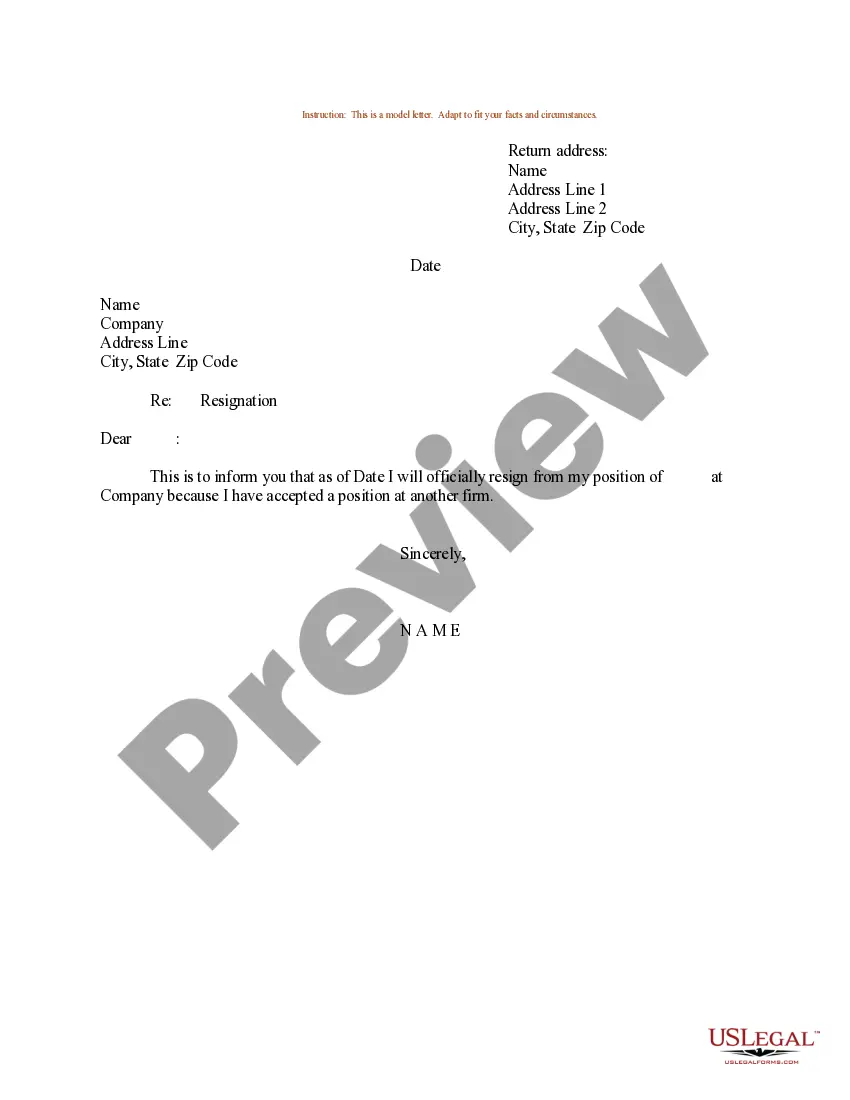
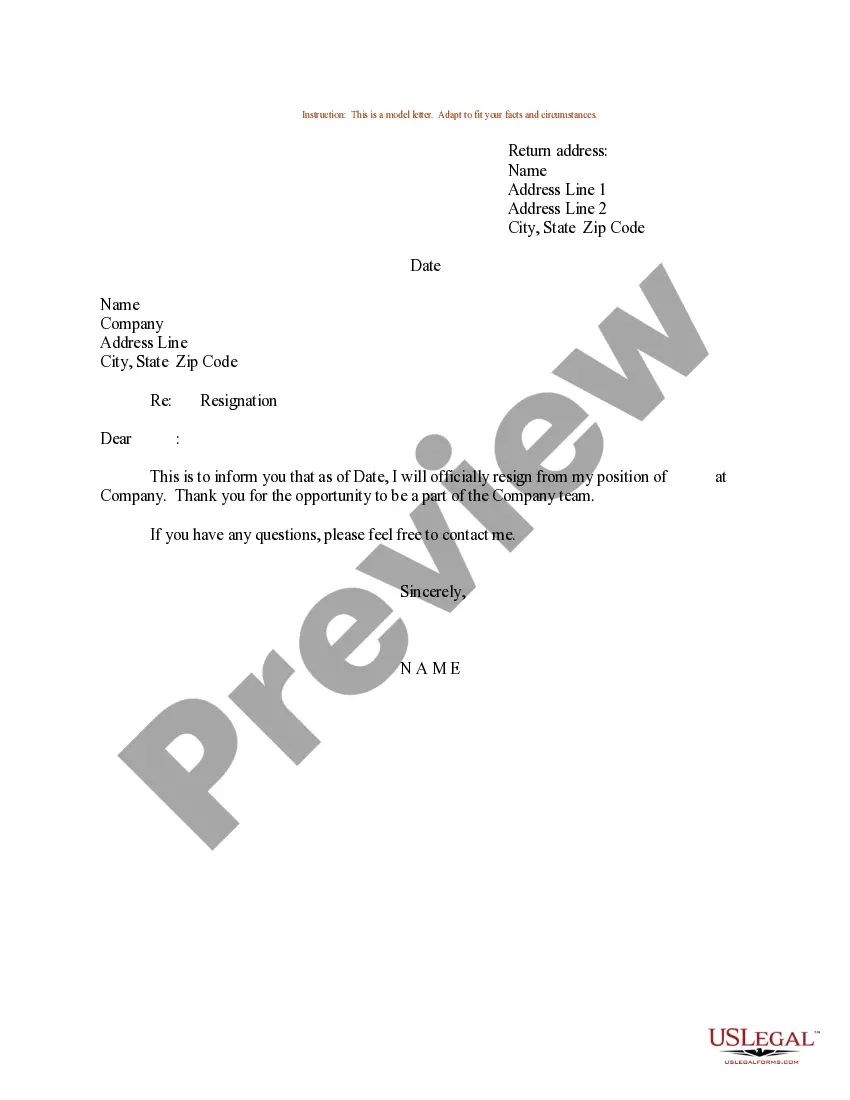
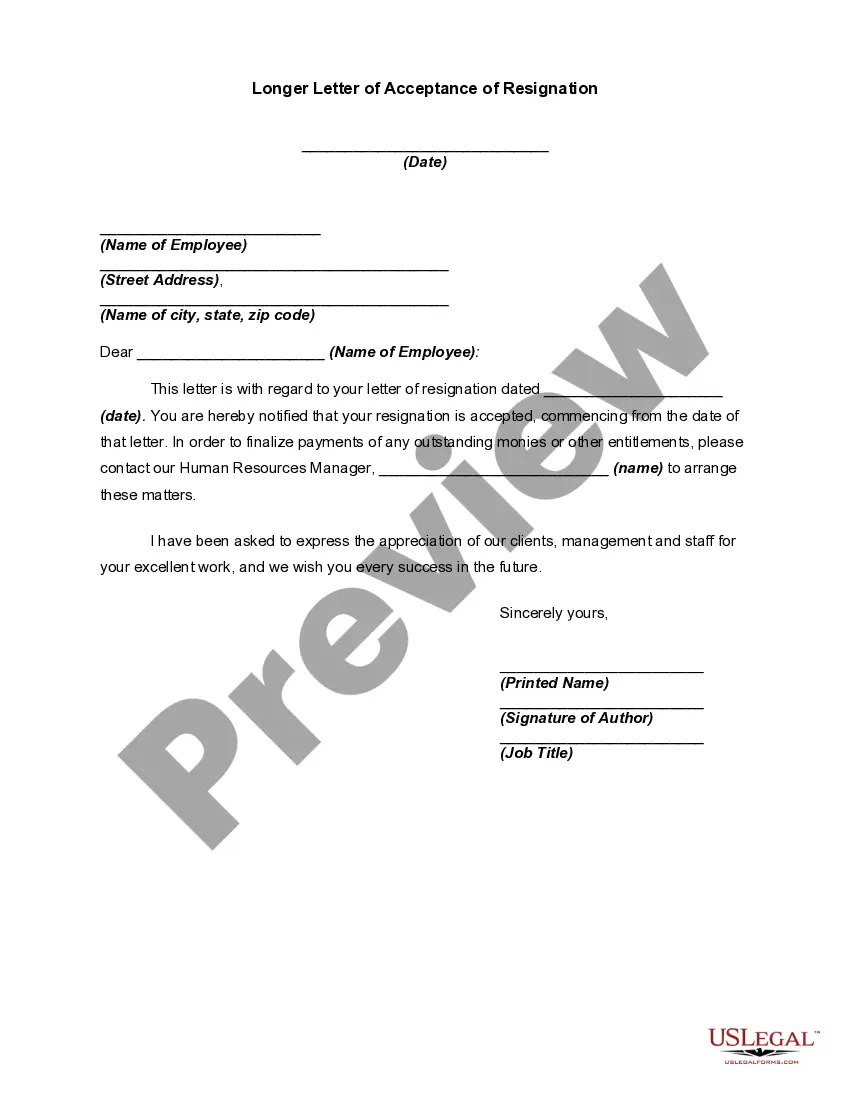

Get your form ready online
Our built-in tools help you complete, sign, share, and store your documents in one place.
Make edits, fill in missing information, and update formatting in US Legal Forms—just like you would in MS Word.
Download a copy, print it, send it by email, or mail it via USPS—whatever works best for your next step.
Sign and collect signatures with our SignNow integration. Send to multiple recipients, set reminders, and more. Go Premium to unlock E-Sign.
If this form requires notarization, complete it online through a secure video call—no need to meet a notary in person or wait for an appointment.
We protect your documents and personal data by following strict security and privacy standards.

Make edits, fill in missing information, and update formatting in US Legal Forms—just like you would in MS Word.

Download a copy, print it, send it by email, or mail it via USPS—whatever works best for your next step.

Sign and collect signatures with our SignNow integration. Send to multiple recipients, set reminders, and more. Go Premium to unlock E-Sign.

If this form requires notarization, complete it online through a secure video call—no need to meet a notary in person or wait for an appointment.

We protect your documents and personal data by following strict security and privacy standards.
Looking for another form?










Form popularity
FAQ
How to Write a Resignation Letter A greeting: Start formal. A statement of resignation. Offer help with transitioning. Thank your employer for giving you a chance to be a part of their company, and for their time. Leave your contact information for your employer. Sign off with “Sincerely” or “Thank you”
As per my employment contract, I am entitled to receive my final paycheck, including any outstanding wages, unused vacation days, and any other dues that are owed to me. Therefore, I request you to clear all my dues before my last working day.
The scandal provoked demonstrations demanding his resignation. She wrote to him on the day she announced her resignation. Genuine and obvious policy errors rarely force a resignation. This time my resignation has been accepted.
Emphasize how grateful you are for your experience at the company. Share how you plan to help the team during your transition out of the company. Talk about specific projects, opportunities, or support you received from the company and your teammates. The more specific you are, the more genuine you come across.
To write a resignation letter with a notice period, address it to your direct manager. State that you are resigning and when your last day will be. Thank the company for all its support during your tenure there and offer to help with the transition. Ensure it is in a formal letter format.
Dear Manager's name, I am writing to inform you that I will be leaving my current role as job title at company name in two -weeks / a month. After a thoughtful consideration, I've decided to resign from my position at company name to pursue my career goals with another firm.
I am writing to formally resign from my position as (Job Title) at (Company Name). My last day of work will be (Date). I have greatly appreciated the opportunities and experiences I have had during my time here. However, after careful consideration, I have decided to move on and pursue other professional goals.
How to write a resignation letter for a better opportunity Speak to your supervisor. State your intention clearly. Explain why you're leaving. Provide the date of your last day. Express your appreciation. Discuss a potential transition plan. Offer to help with a transition. Keep the tone positive.
Many people assume buyouts are for older workers or those near retirement. But taking a voluntary buyout can also be a good option for younger or more junior employees to consider, says Gagan, especially if they have in-demand skills and are considering a career change.
The safe way to approach your boss about a buyout is to make it clear that you would be willing to consider one, but that you like your job and you are not resigning, nor saying that you will accept a package, but are open to a conversation.

