Donation Receipt For Services Rendered In Sacramento
Description



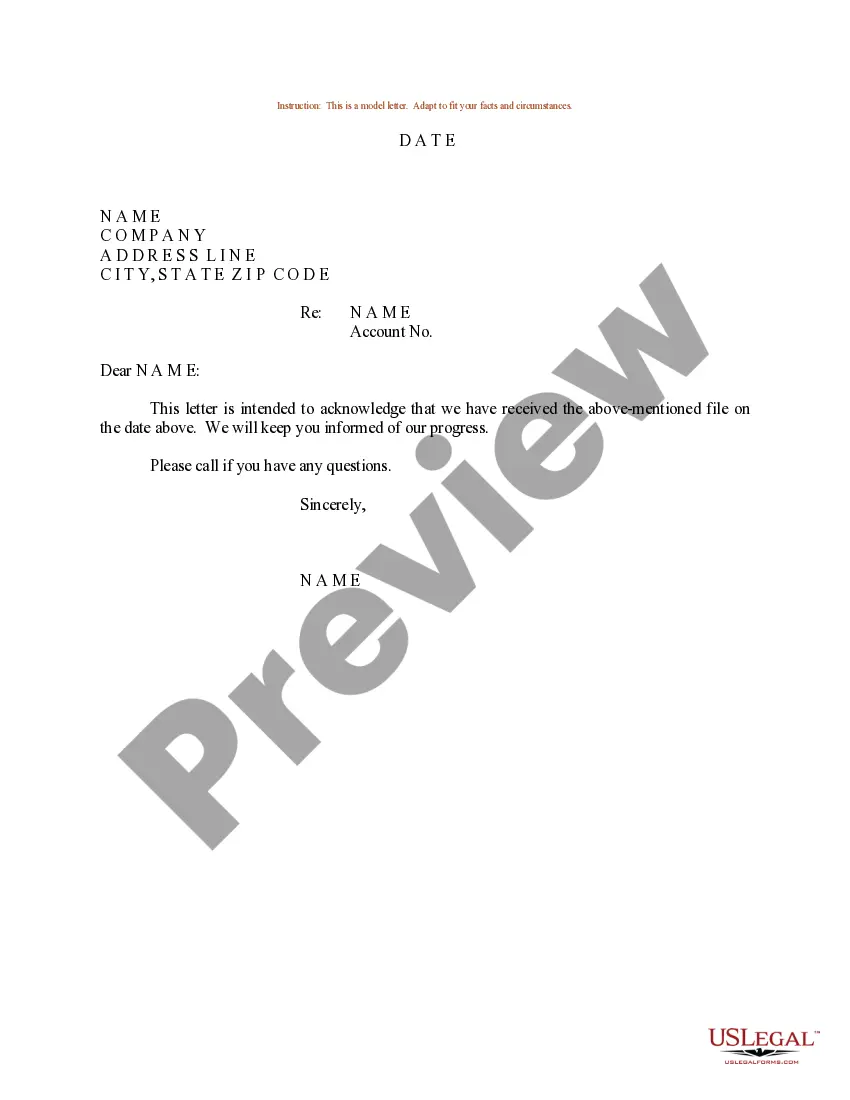
Get your form ready online
Our built-in tools help you complete, sign, share, and store your documents in one place.
Make edits, fill in missing information, and update formatting in US Legal Forms—just like you would in MS Word.
Download a copy, print it, send it by email, or mail it via USPS—whatever works best for your next step.
Sign and collect signatures with our SignNow integration. Send to multiple recipients, set reminders, and more. Go Premium to unlock E-Sign.
If this form requires notarization, complete it online through a secure video call—no need to meet a notary in person or wait for an appointment.
We protect your documents and personal data by following strict security and privacy standards.

Make edits, fill in missing information, and update formatting in US Legal Forms—just like you would in MS Word.

Download a copy, print it, send it by email, or mail it via USPS—whatever works best for your next step.

Sign and collect signatures with our SignNow integration. Send to multiple recipients, set reminders, and more. Go Premium to unlock E-Sign.

If this form requires notarization, complete it online through a secure video call—no need to meet a notary in person or wait for an appointment.

We protect your documents and personal data by following strict security and privacy standards.
Looking for another form?

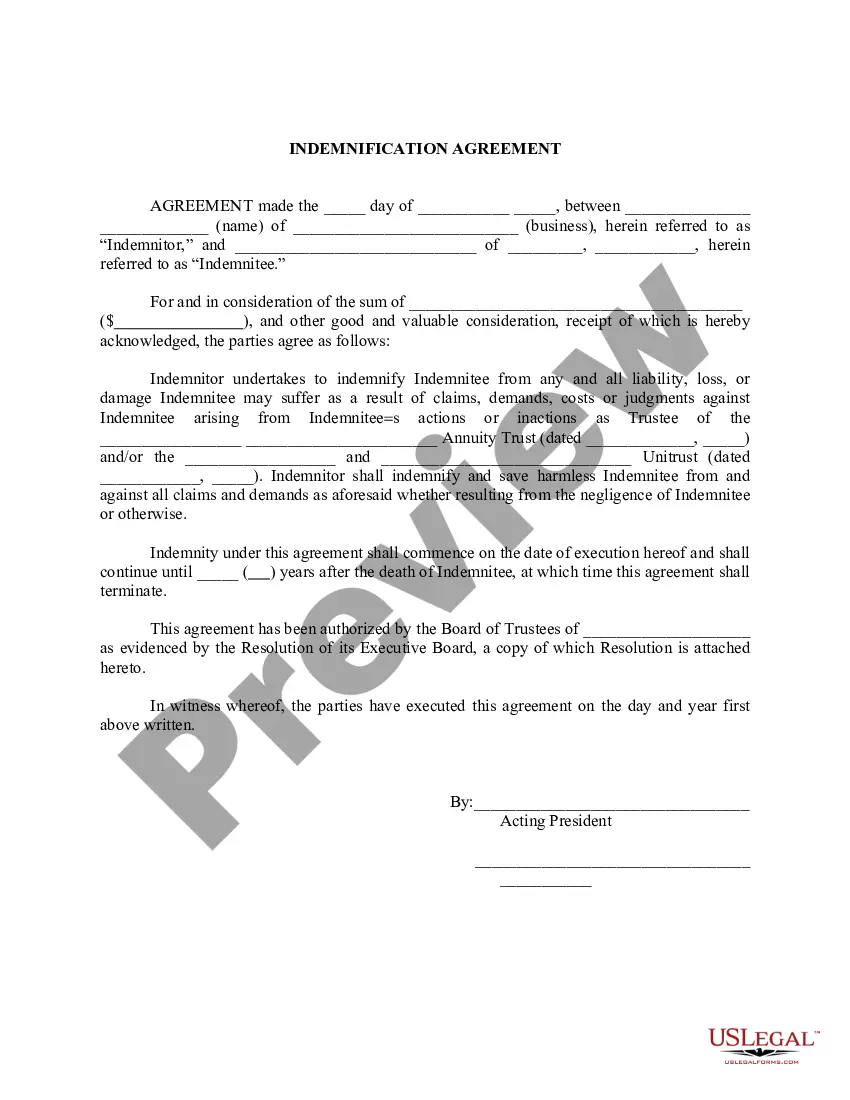
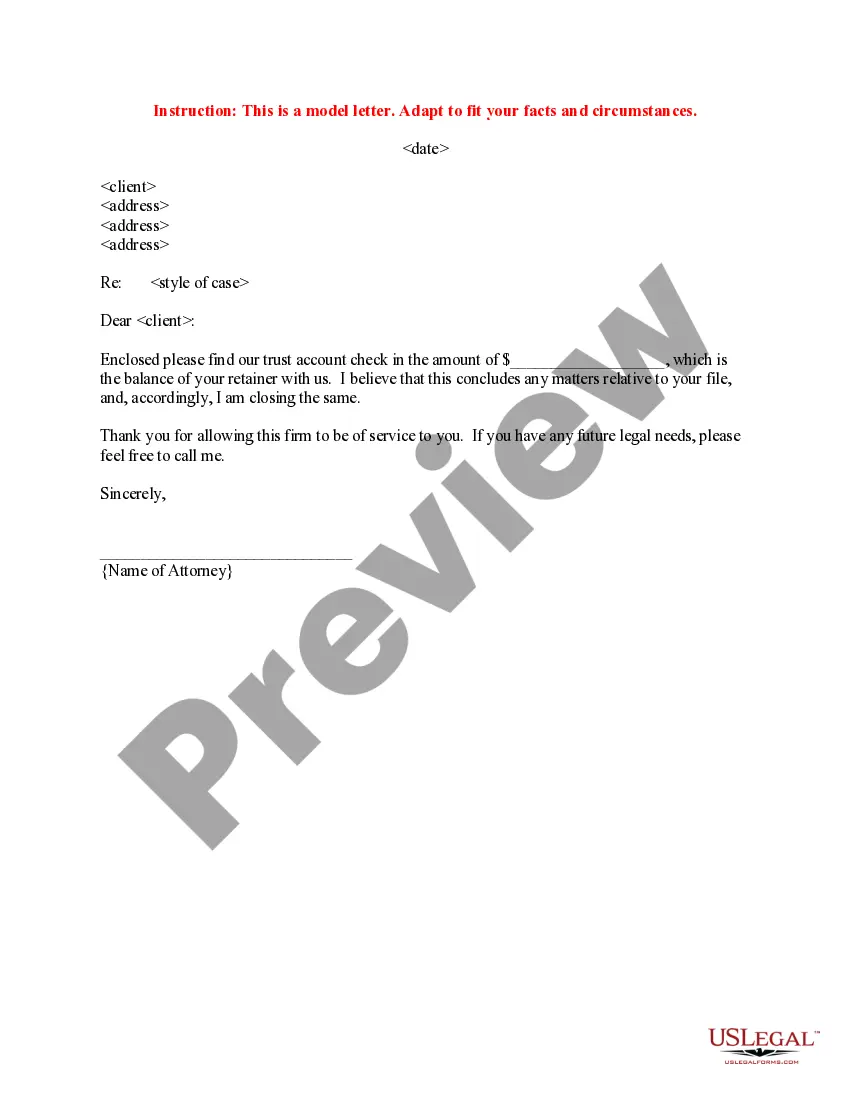


Form popularity
FAQ
The accepted way to record in-kind donations is to set up a separate revenue account but the expense side of the transaction should be recorded in its functional expense account. For example, revenue would be recorded as Gifts In-Kind – Services, and the expense would be recorded as Professional Services.
Here are a few effective methods: Verbal Acknowledgment. Sometimes, a simple spoken acknowledgment carries the most weight. Written Acknowledgment. Written acknowledgment works just as well, especially for contributions that might otherwise go unnoticed. Tangible s. Digital Badges and Signifiers.
Use simple, direct words like "Donate now," "Give today," or "Join us in helping." Place your CTA where people can see it right away, so they know how to help. Also, tell them why their action is important.
Example 2: Individual Acknowledgment Letter Hi donor name, We're super grateful for your contribution of $250 to nonprofit's name on date received. As a thank you, we sent you a T-shirt with an estimated fair market value of $25 in exchange for your contribution.
Disclosure Requirements for Goods and Services Received When a contributor receives goods or services in return for a contribution, a deduction is allowed only for the portion of the contribution that exceeds the fair market value of what is received.
The short answer is no. You cannot claim the value of donated services as a tax deduction (generally because the “donor” never included the income from those services as taxable income). Remember that unpaid “workers” essentially become volunteers, so there can be some legal considerations also.
Ing to the IRS, any kind of donation above $250 should require a donation receipt. The same applies to stock gifts/donations.
If the donee provides goods or services to the donor in exchange for the contribution (a quid pro quo contribution), the written acknowledgment must include a good faith estimate of the value of the goods or services. The donee is not required to record or report this information to the IRS on behalf of a donor.
Even if your deduction for work expenses is more than $300, you can still claim a deduction for laundry expenses up to $150 without written evidence. However, the $300 limit for work expenses still applies, this exception doesn't increase the $300 limit for work expenses to $450.
