Warranty Deed Vs Gift Deed In Suffolk
Description
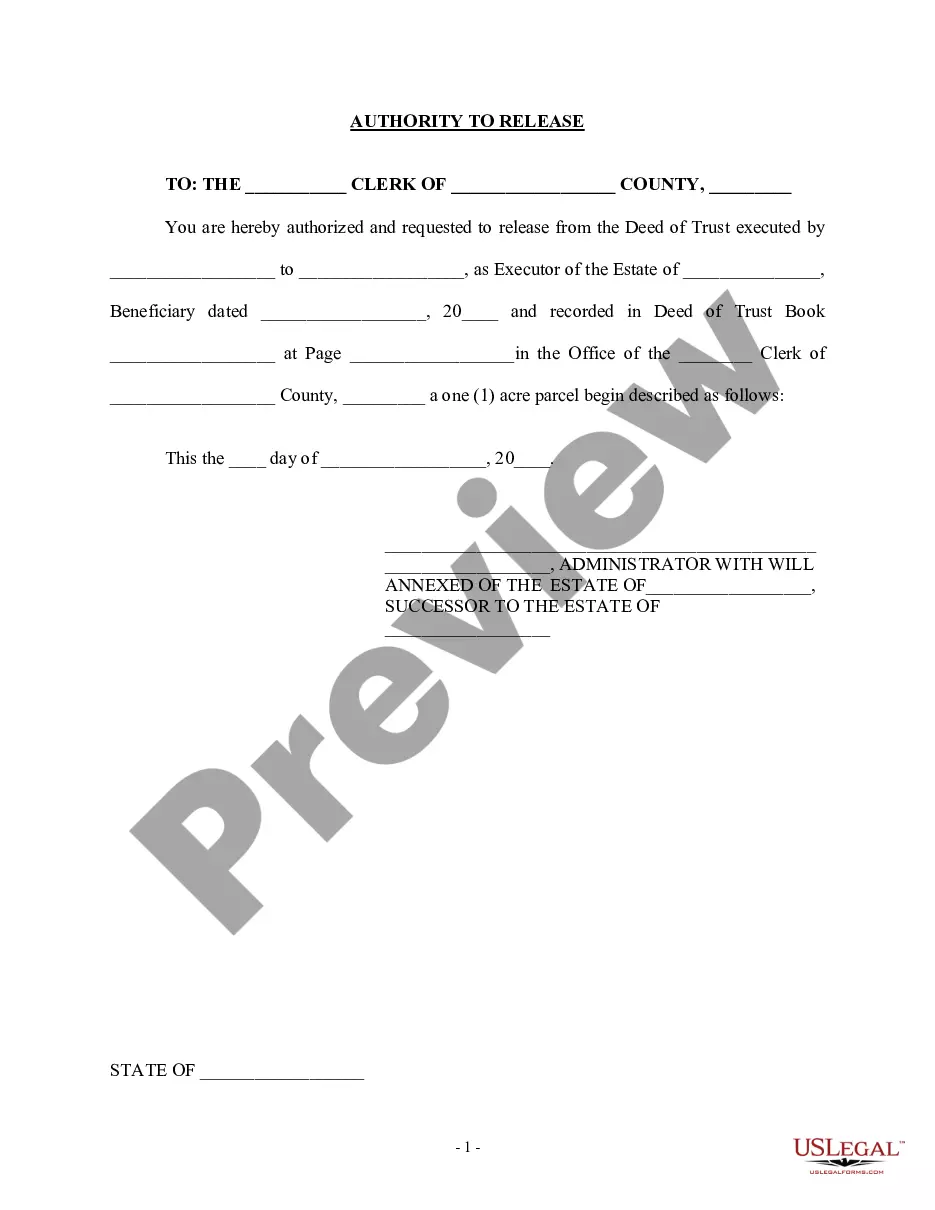
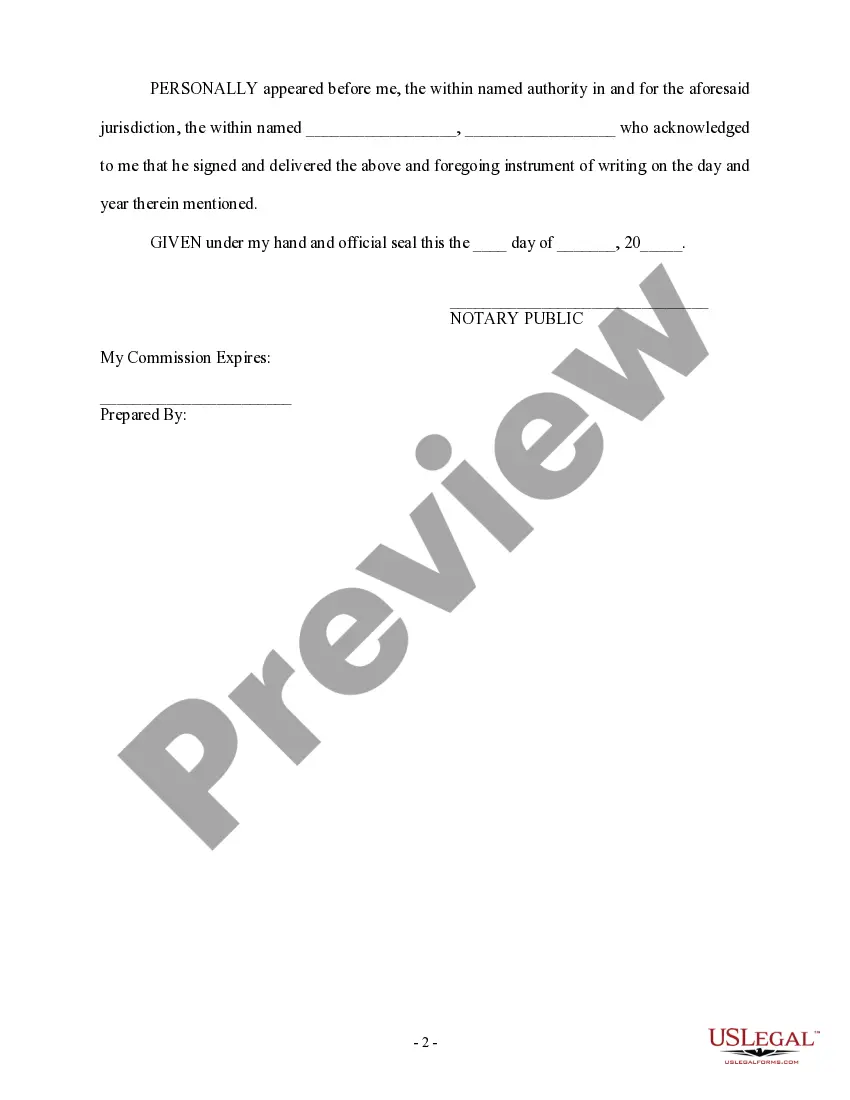
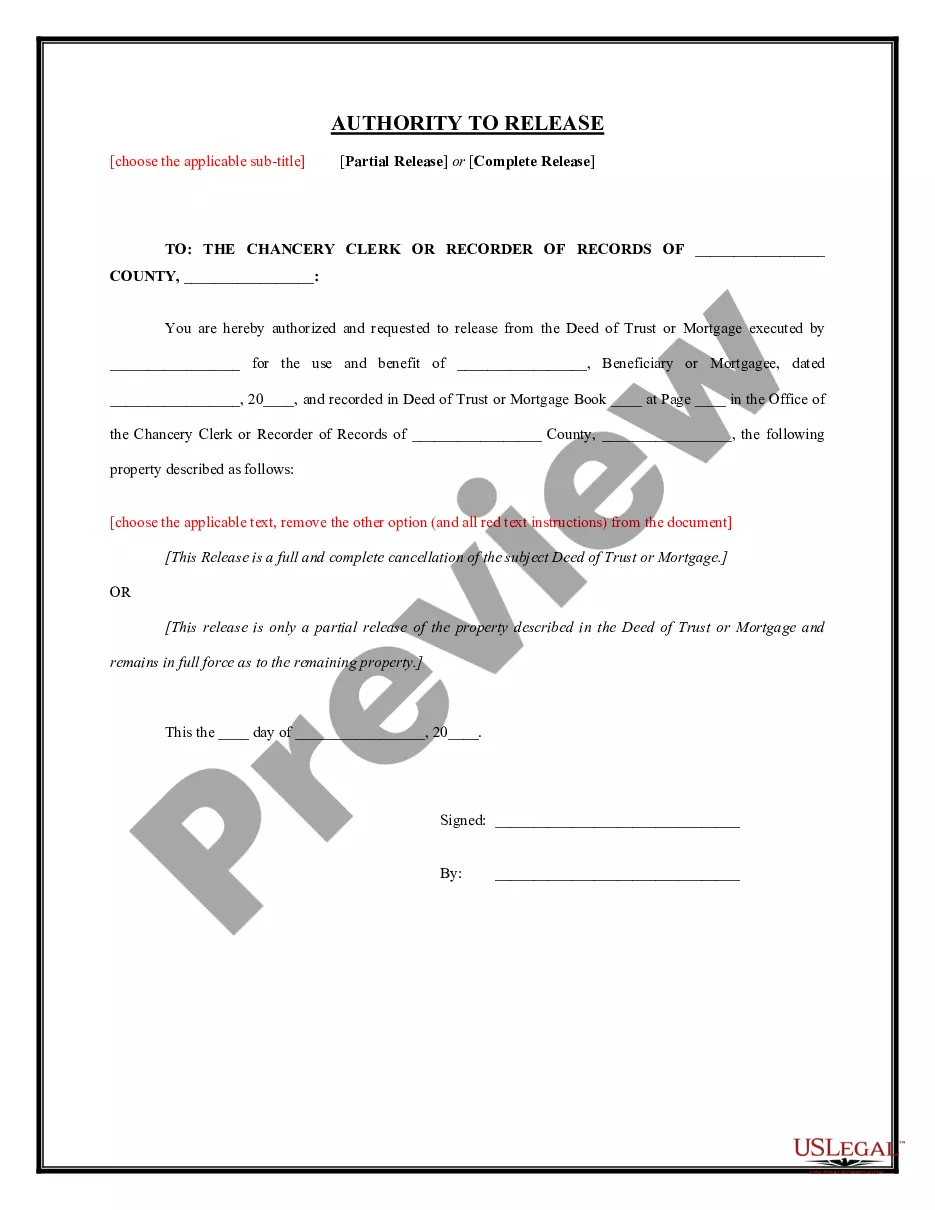
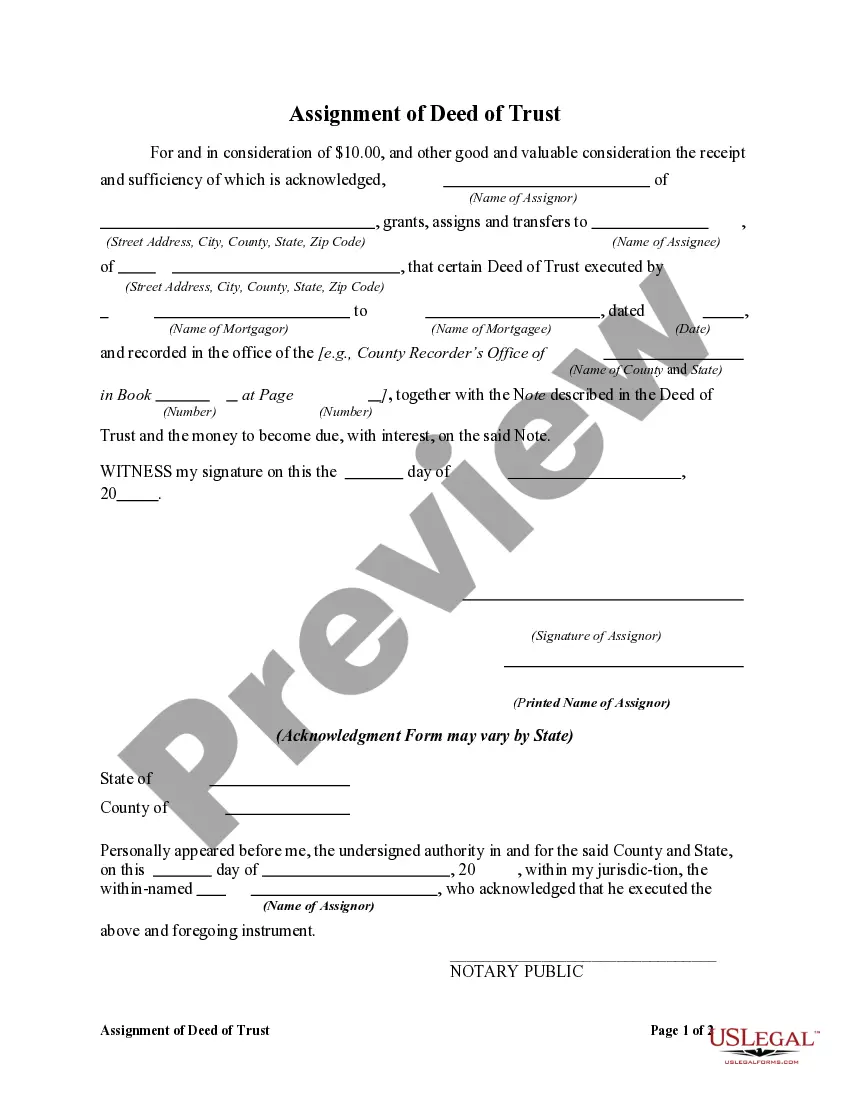

Get your form ready online
Our built-in tools help you complete, sign, share, and store your documents in one place.
Make edits, fill in missing information, and update formatting in US Legal Forms—just like you would in MS Word.
Download a copy, print it, send it by email, or mail it via USPS—whatever works best for your next step.
Sign and collect signatures with our SignNow integration. Send to multiple recipients, set reminders, and more. Go Premium to unlock E-Sign.
If this form requires notarization, complete it online through a secure video call—no need to meet a notary in person or wait for an appointment.
We protect your documents and personal data by following strict security and privacy standards.

Make edits, fill in missing information, and update formatting in US Legal Forms—just like you would in MS Word.

Download a copy, print it, send it by email, or mail it via USPS—whatever works best for your next step.

Sign and collect signatures with our SignNow integration. Send to multiple recipients, set reminders, and more. Go Premium to unlock E-Sign.

If this form requires notarization, complete it online through a secure video call—no need to meet a notary in person or wait for an appointment.

We protect your documents and personal data by following strict security and privacy standards.
Looking for another form?







Form popularity
FAQ
If the deed has been recorded then you can get a copy of the deed from the county recorder of deeds. If it has not yet been recorded and it has been lost then there is no way of replacing a lost deed. A new deed would have to be prepared and signed by the grantor. Another possibility is a suit to quiet title.
Once you obtain the correct form, you must fill it in completely. Both the grantor and the grantee must sign it, usually in the presence of a notary. Then the deed must be filed in the county registrar's office to be legally enforceable. Once filed, the legal transfer of the property is complete.
General warranty deeds give the grantee the most legal protection, while special warranty deeds give the grantee more limited protection. A quitclaim deed gives the grantee the least protection under the law.
To change a deed in New York City, you will need a deed signed and notarized by the grantor. The deed must also be filed and recorded with the Office of the City Register. Transfer documents identifying if any taxes are due must also be filed and recorded with the City Register.
Types of Warranty Deeds These deeds offer different levels of protection and are used ing to the nature of the transaction: General Warranty Deeds: A General Warranty Deed, also known as a 'full warranty deed,' offers the highest level of buyer protection.
In order to make a valid inter vivos gift: 1) The donor must actually intend to give a gift to the recipient; 2) The donor must actually deliver the gift, or a deed of gift, to the recipient; and, 3) The recipient must accept the gift.
General warranty deeds: A general warranty deed provides the most protection to the buyer but gives the grantor the highest degree of liability. The grantor of a general warranty deed fully warrants good, clear title to the property.
General warranty deeds give the grantee the most legal protection, while special warranty deeds give the grantee more limited protection. A quitclaim deed gives the grantee the least protection under the law.
The most preferred deed from the seller's point of view is the General warranty deed. This type of deed provides the highest level of protection for the seller. It guarantees that the seller has good title to the property and ensures that the seller will defend against any claims made by other parties.
General warranty deed It's the type of deed that offers the most buyer protection. When committing to a general warranty deed, the seller is promising there are no liens against the property, and if there were, the seller would compensate the buyer for those claims.
