Warranty Deed Vs Grant Deed In Georgia
Description

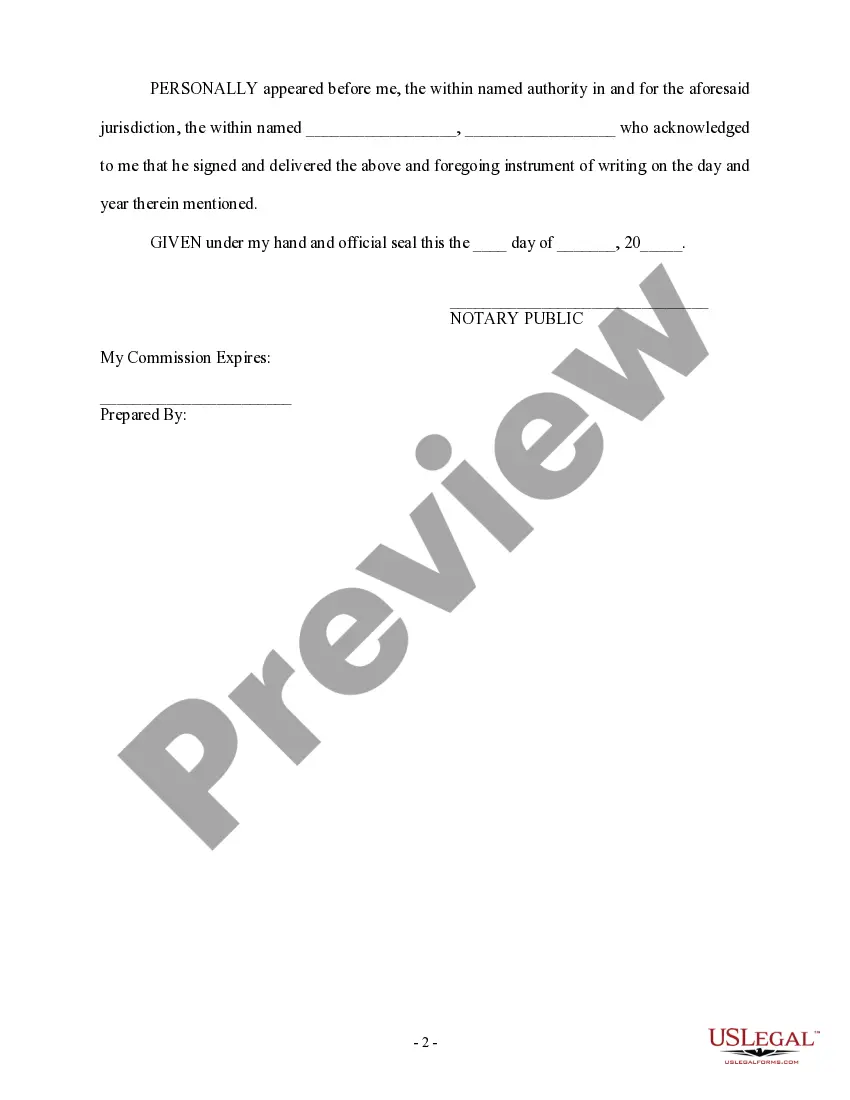
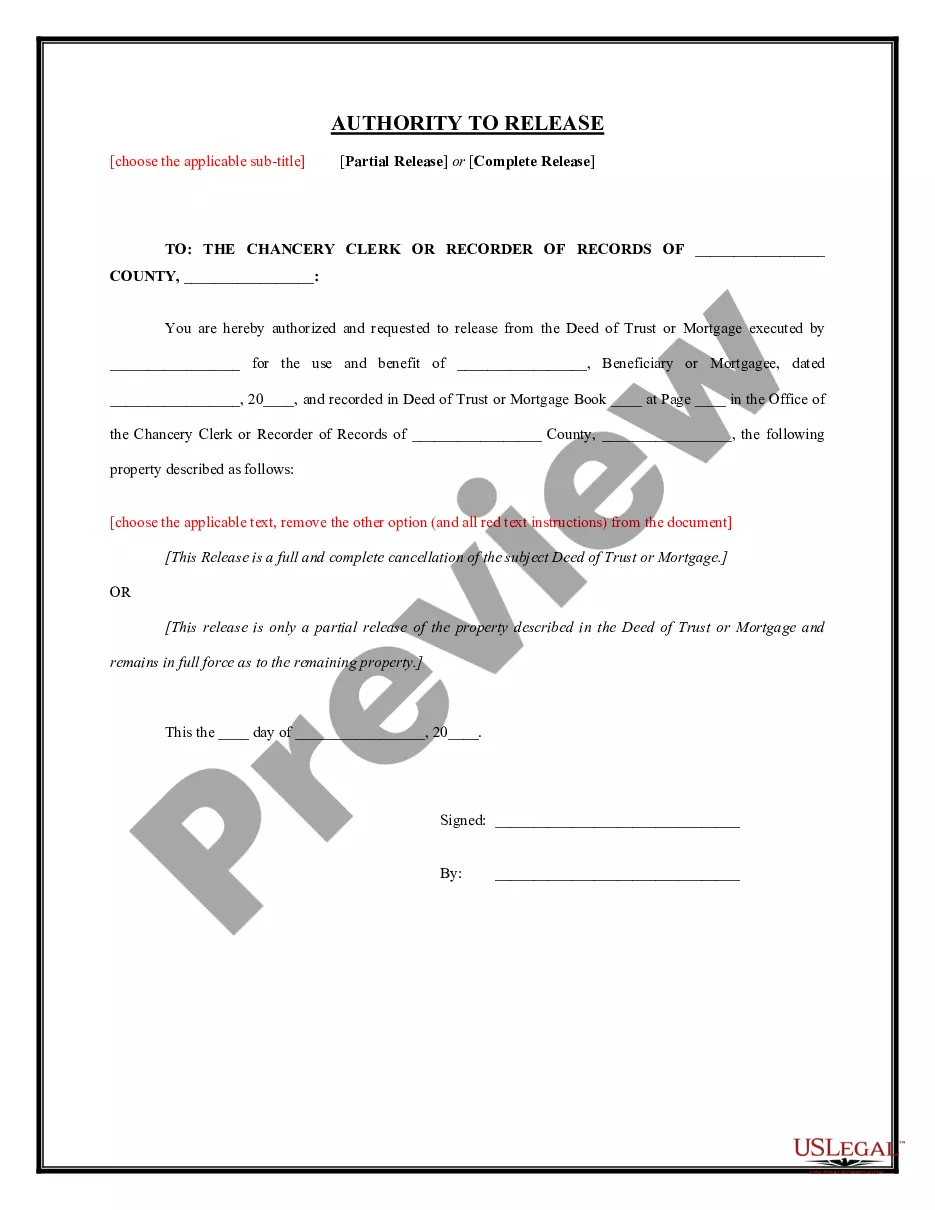
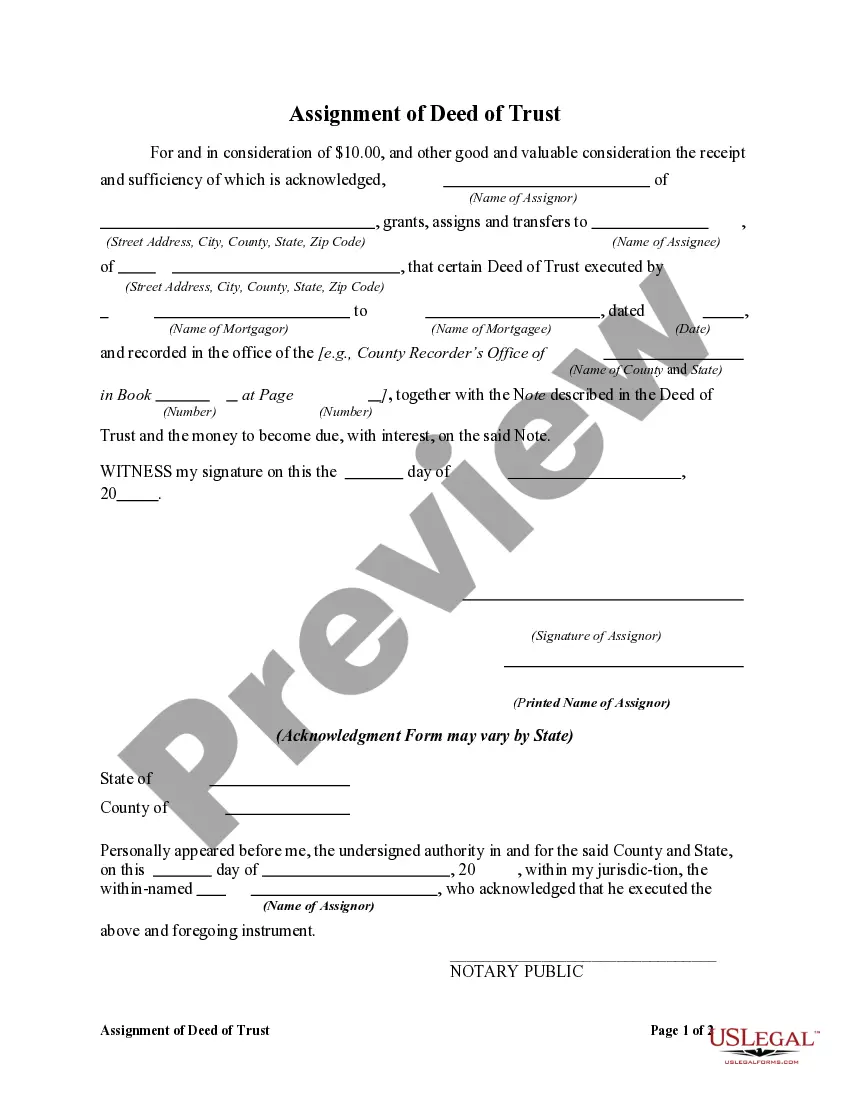

Get your form ready online
Our built-in tools help you complete, sign, share, and store your documents in one place.
Make edits, fill in missing information, and update formatting in US Legal Forms—just like you would in MS Word.
Download a copy, print it, send it by email, or mail it via USPS—whatever works best for your next step.
Sign and collect signatures with our SignNow integration. Send to multiple recipients, set reminders, and more. Go Premium to unlock E-Sign.
If this form requires notarization, complete it online through a secure video call—no need to meet a notary in person or wait for an appointment.
We protect your documents and personal data by following strict security and privacy standards.

Make edits, fill in missing information, and update formatting in US Legal Forms—just like you would in MS Word.

Download a copy, print it, send it by email, or mail it via USPS—whatever works best for your next step.

Sign and collect signatures with our SignNow integration. Send to multiple recipients, set reminders, and more. Go Premium to unlock E-Sign.

If this form requires notarization, complete it online through a secure video call—no need to meet a notary in person or wait for an appointment.

We protect your documents and personal data by following strict security and privacy standards.
Looking for another form?





Form popularity
FAQ
Once you obtain the correct form, you must fill it in completely. Both the grantor and the grantee must sign it, usually in the presence of a notary. Then the deed must be filed in the county registrar's office to be legally enforceable.
To make a change on the deed of a property a new deed must be prepared. Additionally, PT-61 forms are required and available online at .gsccca/file. The form must be completed online, printed and submitted with new deed at time of recording. An attorney or business can prepare the new deed.
Title issues: Special warranty deeds do not cover any defects or issues with the title that existed before the grantor owned the property. This means that if there are any issues with the title, the grantee will be responsible for resolving them.
The main difference between a grant deed vs. warranty deed is the level of protection offered. A warranty deed offers a higher level of protection than a grant deed. With a grant deed, the grantor is guaranteeing that they haven't sold the property to anyone else, and that it is clear of any liens or restrictions.
General warranty deeds: A general warranty deed provides the most protection to the buyer but gives the grantor the highest degree of liability. The grantor of a general warranty deed fully warrants good, clear title to the property.
A general warranty deed is the most common type of deed used for transferring real estate. It basically promises that: not only does the seller have good and proper title to sell the property, but all the prior owners also had good title, thus making a complete “chain of ownership”; and.
A general warranty deed is the most common type of warranty deed in the United States. It offers the highest level of protection to the buyer because it guarantees that there are absolutely no problems with the home – even dating back to prior property owners.
How can I get a copy of my recorded deed (or any document)? You can access all recorded deeds, liens, plats and UCC's online at gsccca or visit our office at 75 Langley Drive, Lawrenceville GA 30046.
A general warranty deed is used to transfer real property from one person to another. This type of deed offers the greatest protection for the buyer and has specific requirements for what must be included in the document.
