Deed Without Warranty Vs Quitclaim Deed In Arizona
Description

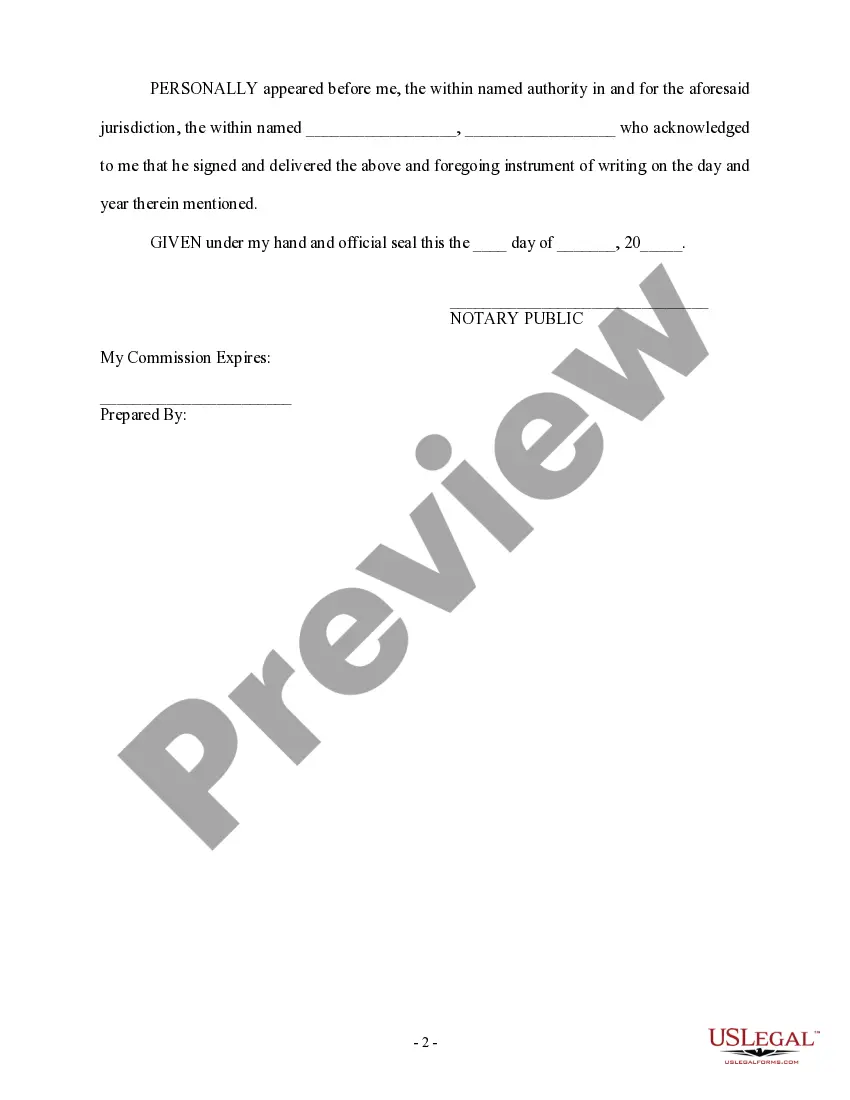
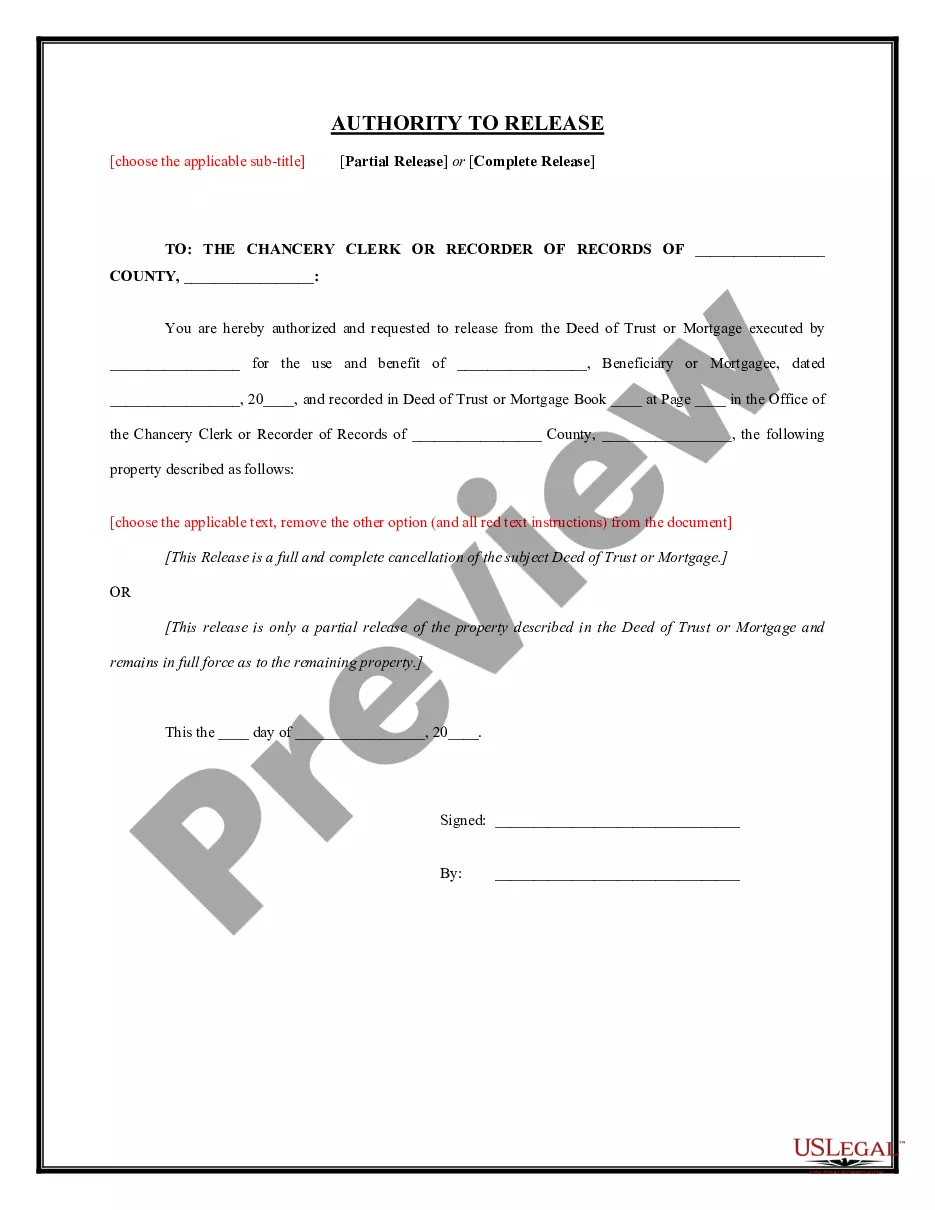
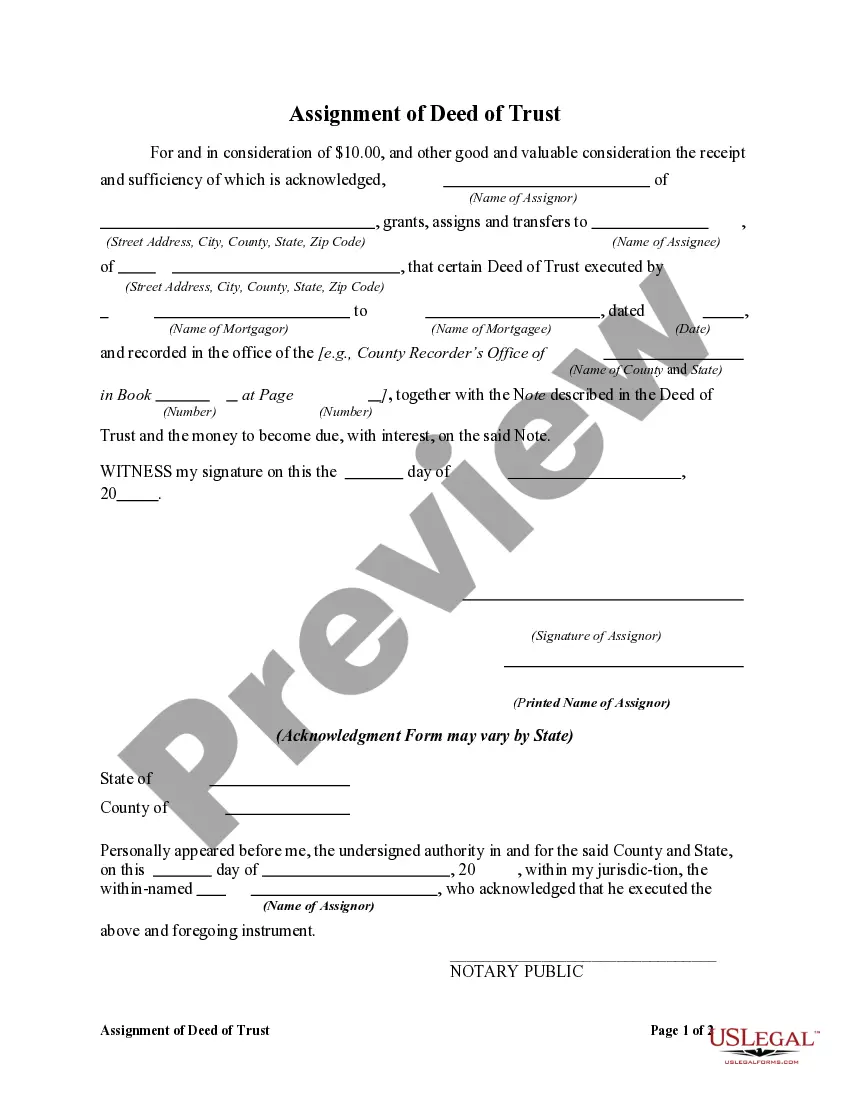

Get your form ready online
Our built-in tools help you complete, sign, share, and store your documents in one place.
Make edits, fill in missing information, and update formatting in US Legal Forms—just like you would in MS Word.
Download a copy, print it, send it by email, or mail it via USPS—whatever works best for your next step.
Sign and collect signatures with our SignNow integration. Send to multiple recipients, set reminders, and more. Go Premium to unlock E-Sign.
If this form requires notarization, complete it online through a secure video call—no need to meet a notary in person or wait for an appointment.
We protect your documents and personal data by following strict security and privacy standards.

Make edits, fill in missing information, and update formatting in US Legal Forms—just like you would in MS Word.

Download a copy, print it, send it by email, or mail it via USPS—whatever works best for your next step.

Sign and collect signatures with our SignNow integration. Send to multiple recipients, set reminders, and more. Go Premium to unlock E-Sign.

If this form requires notarization, complete it online through a secure video call—no need to meet a notary in person or wait for an appointment.

We protect your documents and personal data by following strict security and privacy standards.
Looking for another form?

Form popularity
FAQ
Using a quitclaim deed could trigger unwanted tax consequences, such as gift taxes or capital gains taxes. Additionally, a quitclaim deed can introduce confusion about who truly owns a property after a transfer, which could lead to disputes later.
Transferring property between spouses during a divorce Many people use quitclaim deeds because it's a quick, affordable solution to settling divorce obligations. A quitclaim deed can be a simple way for one person (referred to as the grantor) to give up their interest in a property to another person (the grantee).
A quit claim deed is used to release personal interest in a property so that it can be transferred to another party. It does not make any guarantees about the validity of the title, or whether or not there are outstanding claims. A warranty deed is used when the grantor promises that the title is clear of any claims.
Common uses – Typically, quitclaim deeds are used for lower-risk transfers between related parties. In contrast, warranty deeds are used for real estate sales and high-value transactions involving unrelated grantees. Grantee risks – With a quitclaim deed, all risks remain with the grantee.
The most common deed form in Arizona is the warranty deed. Warranty deeds provide protection to the buyer in the form of a warranty by the seller that guarantees no issues with the title. Quitclaim deeds are available in Arizona, but often not insurable.
Quitclaim deeds themselves are not directly reported to the IRS. However, the transfer of property using a quitclaim deed can have tax implications that may need to be reported, depending on the specifics of the transaction.
What Is a Quitclaim Deed? Quitclaim deeds are most often for transferring property between family members or to cure a defect on the title, such as a misspelling of a name.
No, the warranty deed alone does not prove ownership. Ownership is confirmed once the deed is recorded with the county recorder's office, making it part of the public record.
A warranty deed offers the strongest protection. It protects the party receiving the property title in case there turns out to be any issues with the title.
