Deeds Of Trust In Va In Suffolk
Description

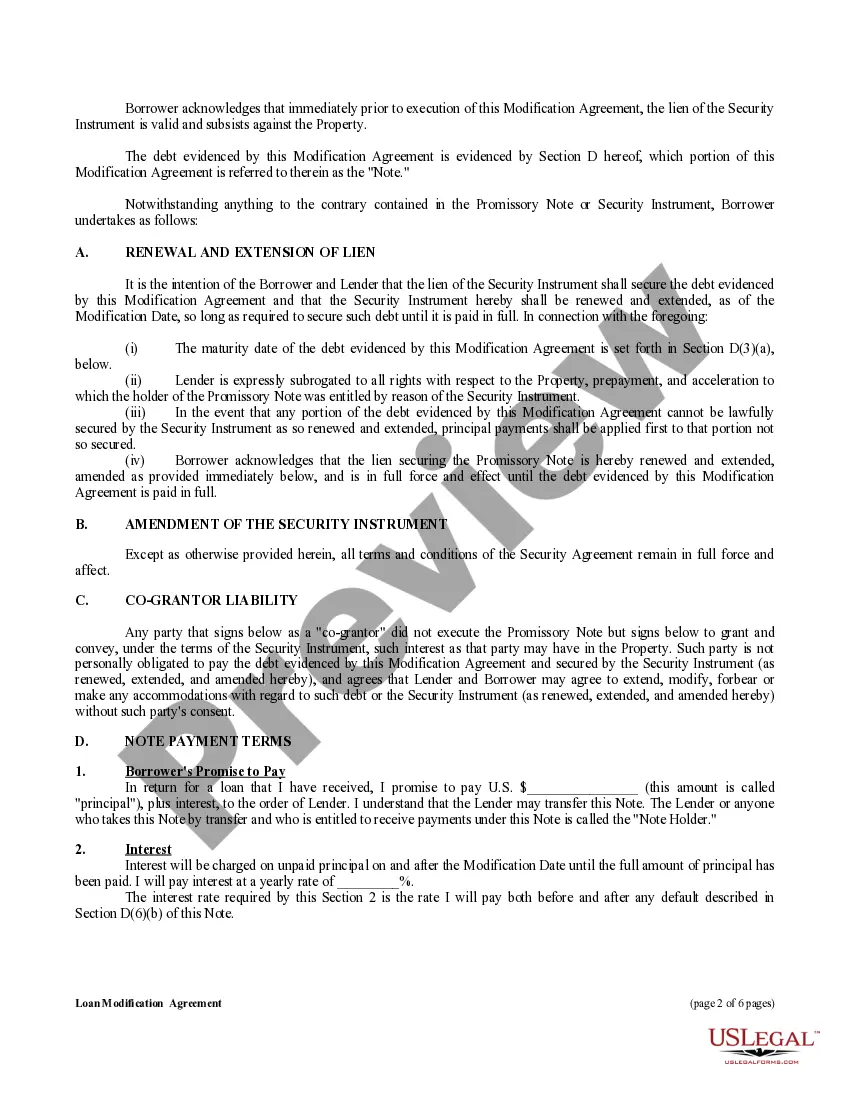
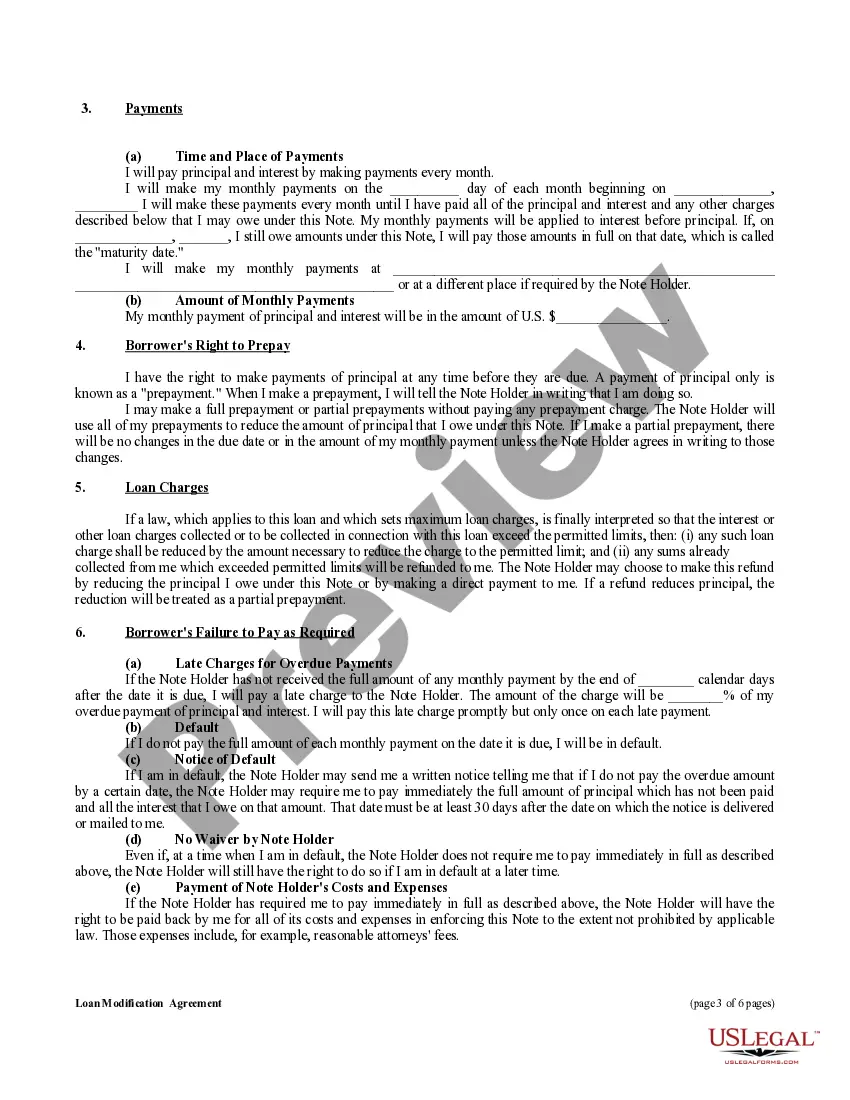
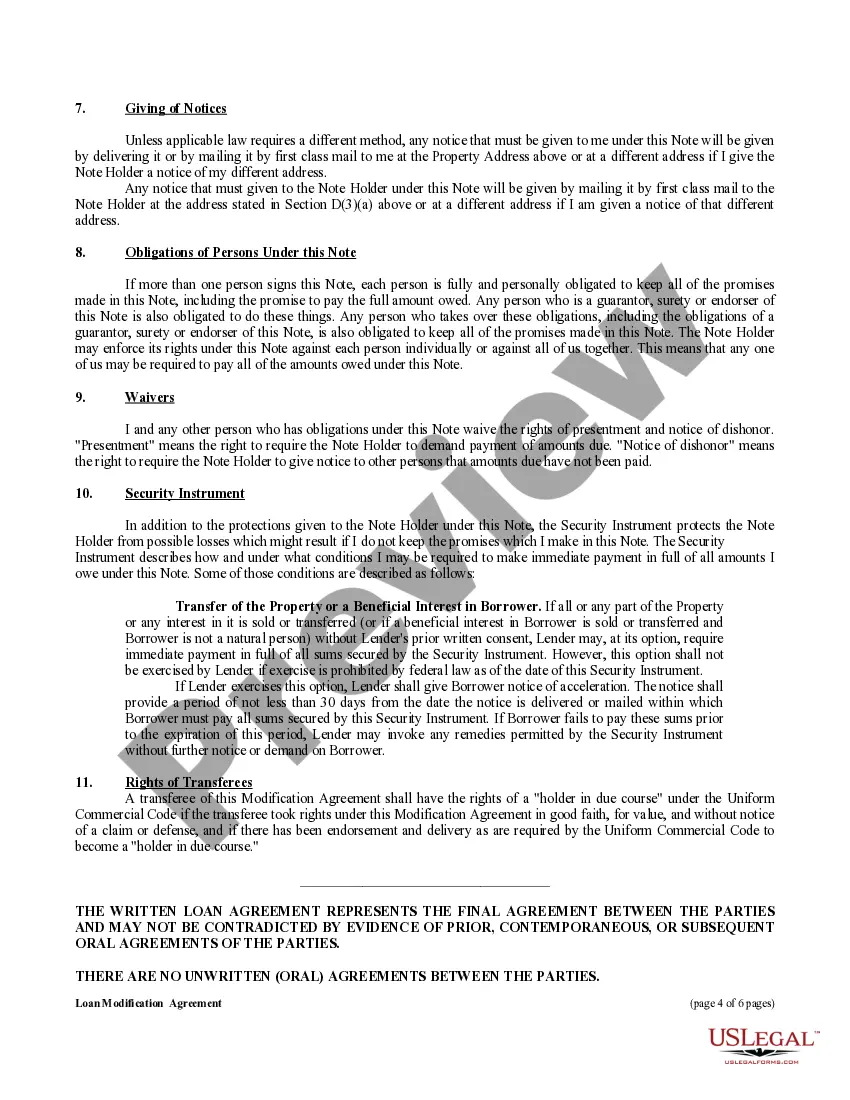
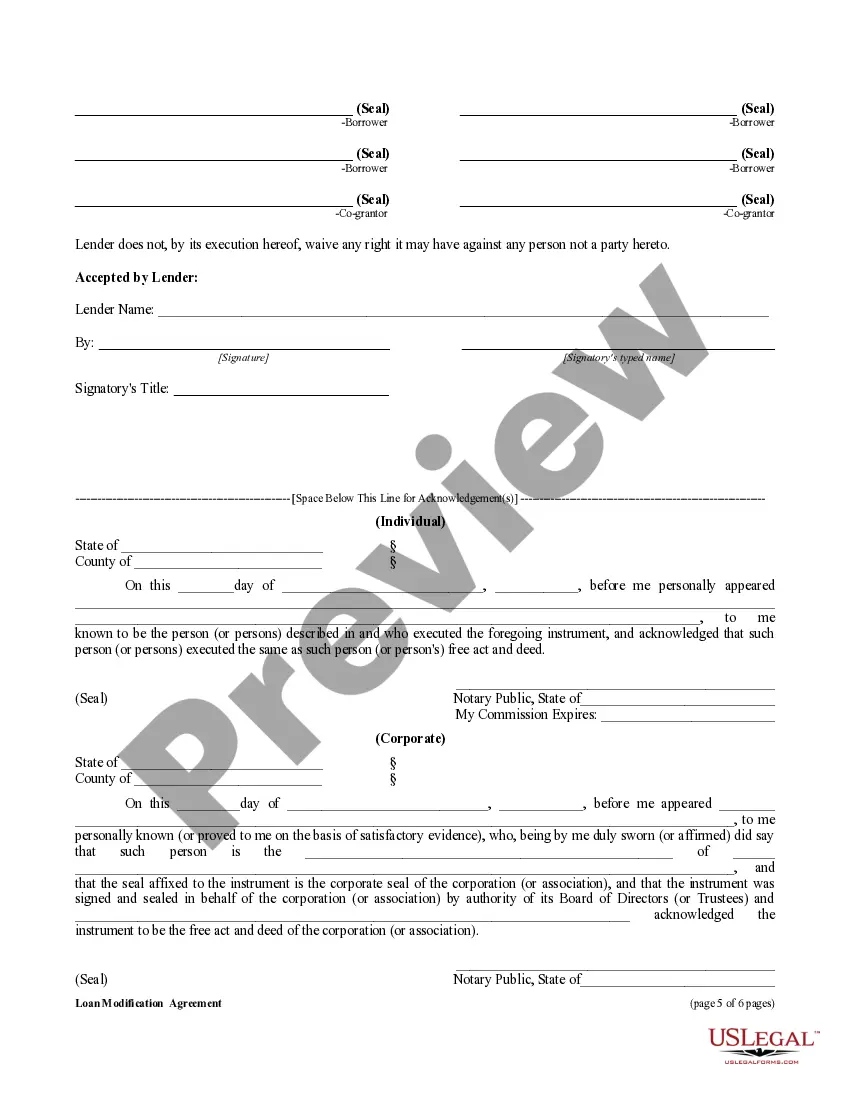
Get your form ready online
Our built-in tools help you complete, sign, share, and store your documents in one place.
Make edits, fill in missing information, and update formatting in US Legal Forms—just like you would in MS Word.
Download a copy, print it, send it by email, or mail it via USPS—whatever works best for your next step.
Sign and collect signatures with our SignNow integration. Send to multiple recipients, set reminders, and more. Go Premium to unlock E-Sign.
If this form requires notarization, complete it online through a secure video call—no need to meet a notary in person or wait for an appointment.
We protect your documents and personal data by following strict security and privacy standards.

Make edits, fill in missing information, and update formatting in US Legal Forms—just like you would in MS Word.

Download a copy, print it, send it by email, or mail it via USPS—whatever works best for your next step.

Sign and collect signatures with our SignNow integration. Send to multiple recipients, set reminders, and more. Go Premium to unlock E-Sign.

If this form requires notarization, complete it online through a secure video call—no need to meet a notary in person or wait for an appointment.

We protect your documents and personal data by following strict security and privacy standards.
Looking for another form?








Form popularity
FAQ
Yes, you can sell a home with a Deed of Trust. However, just like a mortgage, if you're selling the home for less than you owe on it, you'll need approval from the lender.
The settlor decides how the assets in a trust should be used – this is usually set out in a document called the 'trust deed'. Sometimes the settlor can also benefit from the assets in a trust – this is called a 'settlor-interested' trust and has special tax rules.
You may obtain the deed book and page number by searching for the document in the Court Public Access Network (“CPAN”) on one of the public computers in the Land Records Research Room or through a subscription. Subscribers to CPAN are able to make non-certified copies from their own computer.
State Tax Rate Virginia levies a recordation tax on bonds or other obligations secured by the deeds of trust or mortgages at a rate of $0.25 per $100 (or portion of $100).
Under a deed of trust, the grantor agrees to the trustee's power of sale; that is, the right to a “non-judicial foreclosure” if they default on payments. This type of foreclosure process exempts the beneficiary from requiring the court's approval to sell the property. Statutes: § 55.1-316 to § 55.1-345.
Under a deed of trust, the grantor agrees to the trustee's power of sale; that is, the right to a “non-judicial foreclosure” if they default on payments. This type of foreclosure process exempts the beneficiary from requiring the court's approval to sell the property.
A properly recorded deed can take anywhere from 14 days to 90 days. That may seem like a long time, but your local government office goes over every little detail on the deed to make sure the property is correct and there are no errors.
Virginia levies a recordation tax on bonds or other obligations secured by the deeds of trust or mortgages at a rate of $0.25 per $100 (or portion of $100).
The deed of trust must then be recorded with the county where the property is located, and each of the parties (the trustor, trustee, and lender) should keep a copy of the recorded document.
