Deed Of Trust Example In Philadelphia
Description


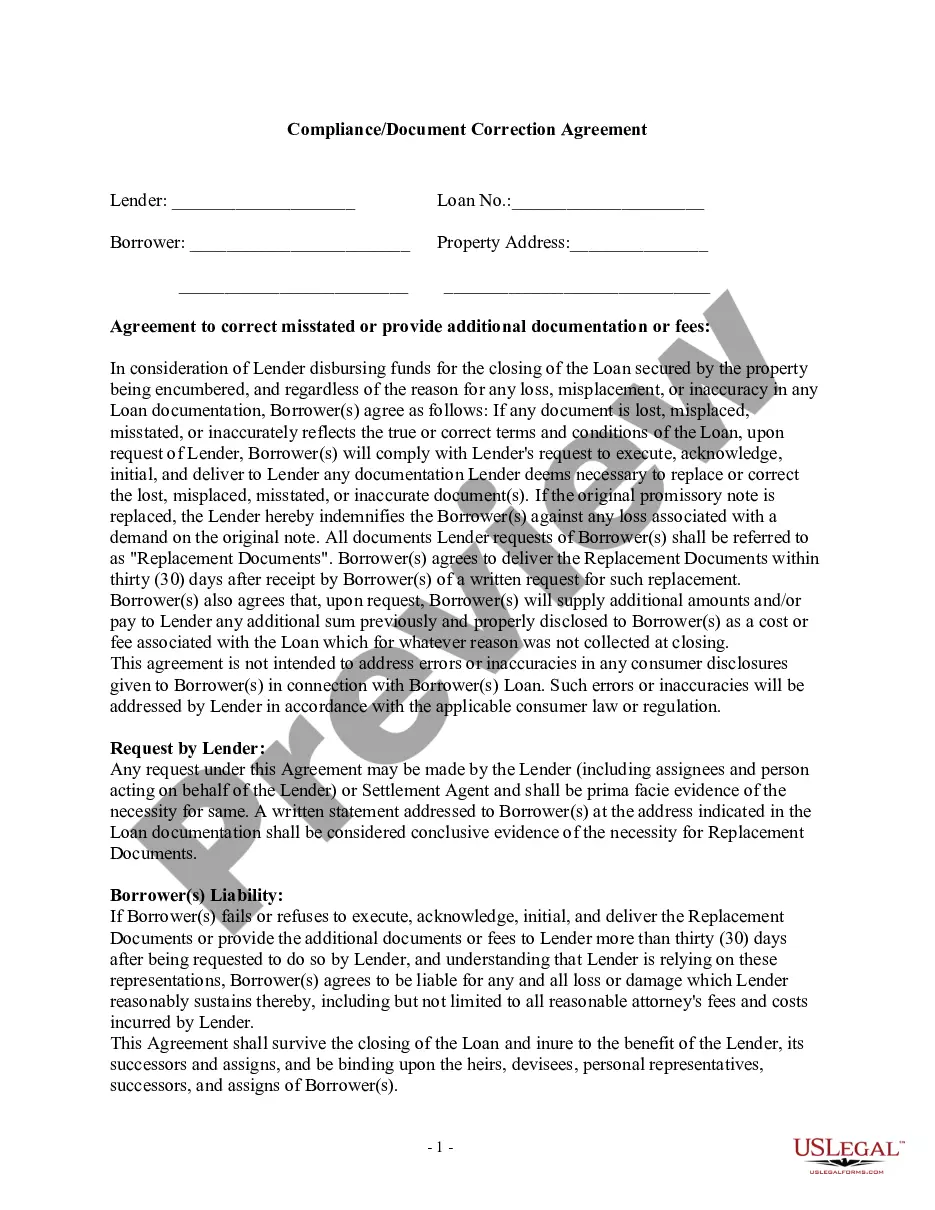

Get your form ready online
Our built-in tools help you complete, sign, share, and store your documents in one place.
Make edits, fill in missing information, and update formatting in US Legal Forms—just like you would in MS Word.
Download a copy, print it, send it by email, or mail it via USPS—whatever works best for your next step.
Sign and collect signatures with our SignNow integration. Send to multiple recipients, set reminders, and more. Go Premium to unlock E-Sign.
If this form requires notarization, complete it online through a secure video call—no need to meet a notary in person or wait for an appointment.
We protect your documents and personal data by following strict security and privacy standards.

Make edits, fill in missing information, and update formatting in US Legal Forms—just like you would in MS Word.

Download a copy, print it, send it by email, or mail it via USPS—whatever works best for your next step.

Sign and collect signatures with our SignNow integration. Send to multiple recipients, set reminders, and more. Go Premium to unlock E-Sign.

If this form requires notarization, complete it online through a secure video call—no need to meet a notary in person or wait for an appointment.

We protect your documents and personal data by following strict security and privacy standards.
Looking for another form?

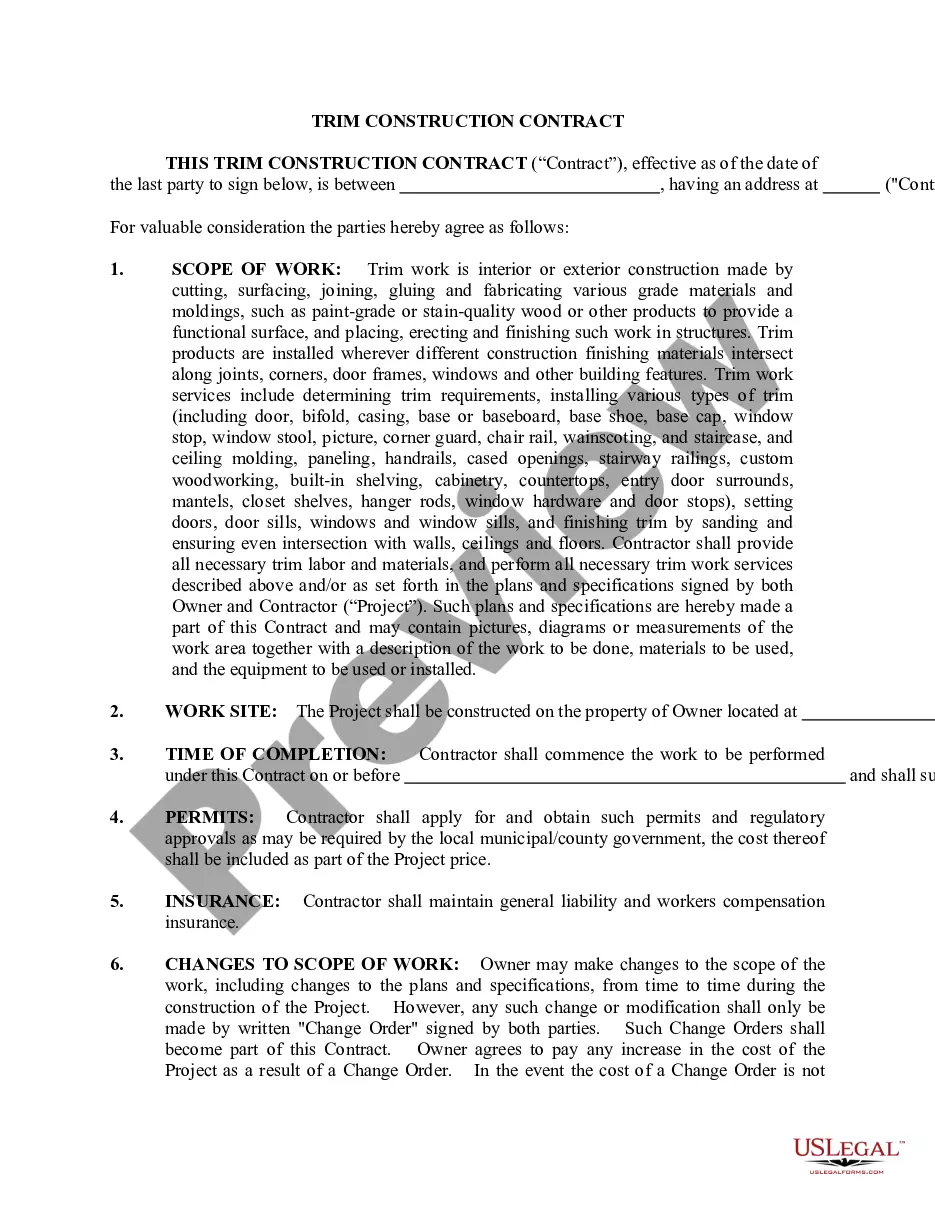
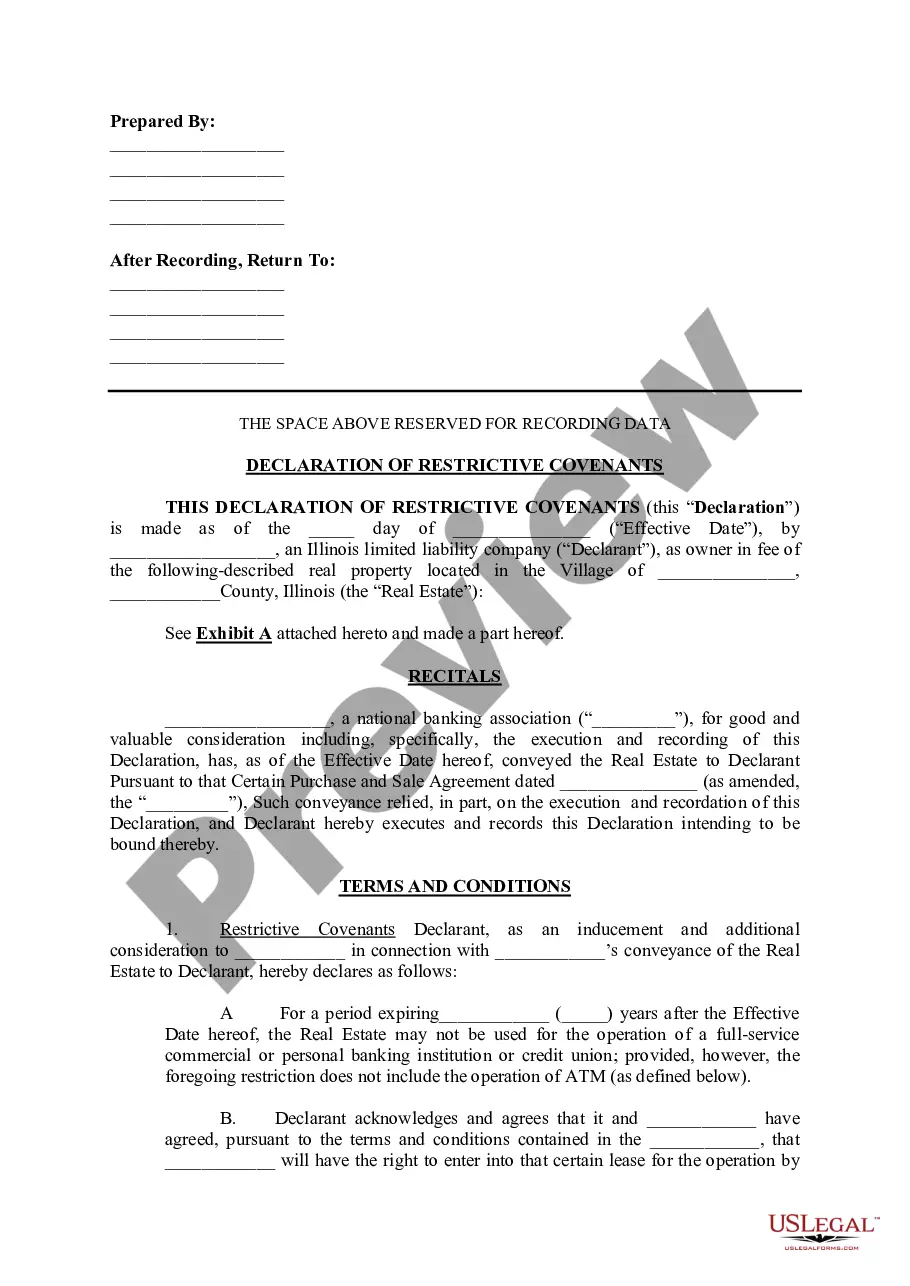


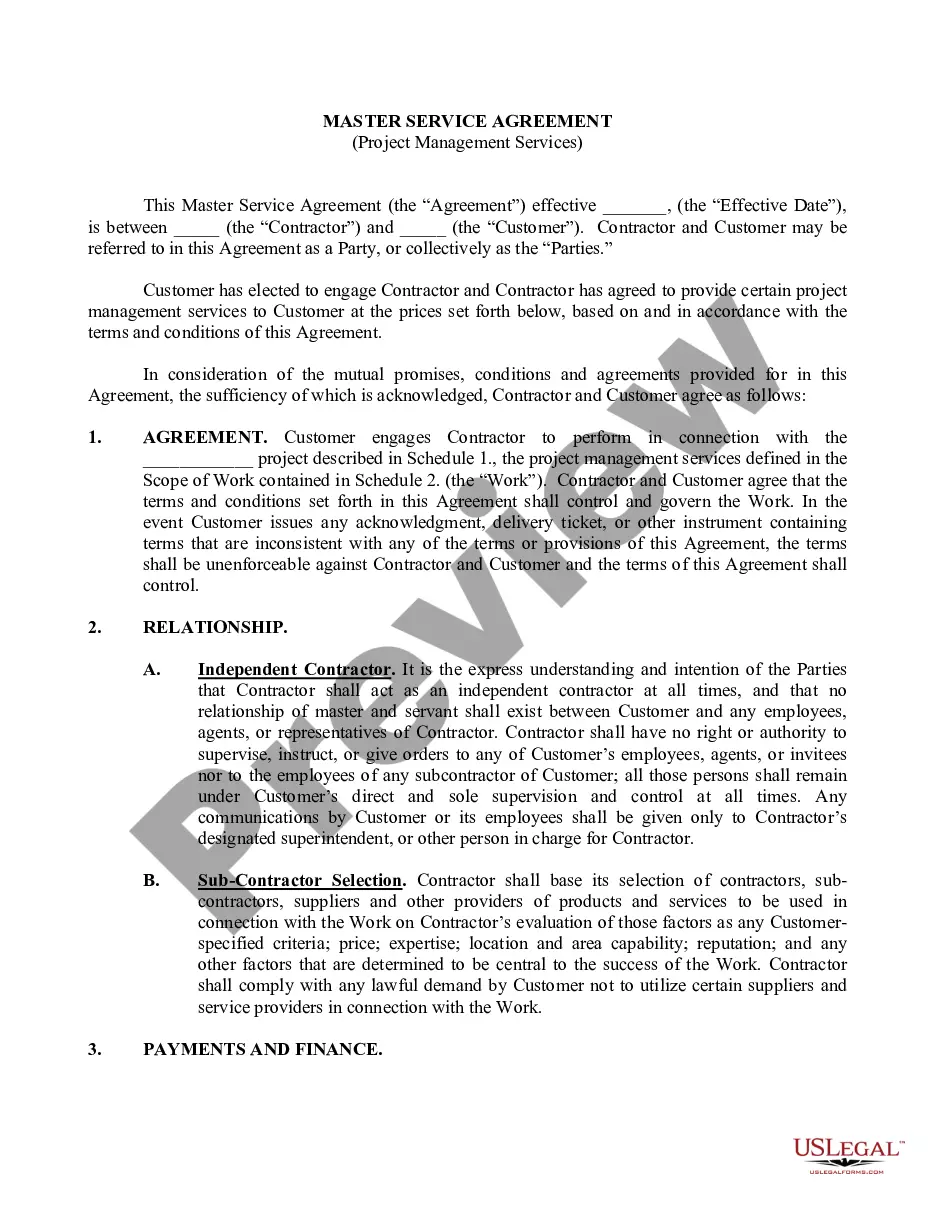

Form popularity
FAQ
A real estate lawyer assists in preparing the new deed, ensuring it's signed before a notary public, recording it with the county's Recorder of Deeds office, paying any applicable fees, and obtaining a copy of the recorded deed.
Yes, you can make your own Grant Deed. A lawyer is not required to prepare a valid and enforceable deed.
To add, remove, or change a name on a deed, have a lawyer, title company, or other real estate professional prepare the deed. Then, record the new deed with the Department of Records. Note: We recommend that you do not prepare a deed on your own.
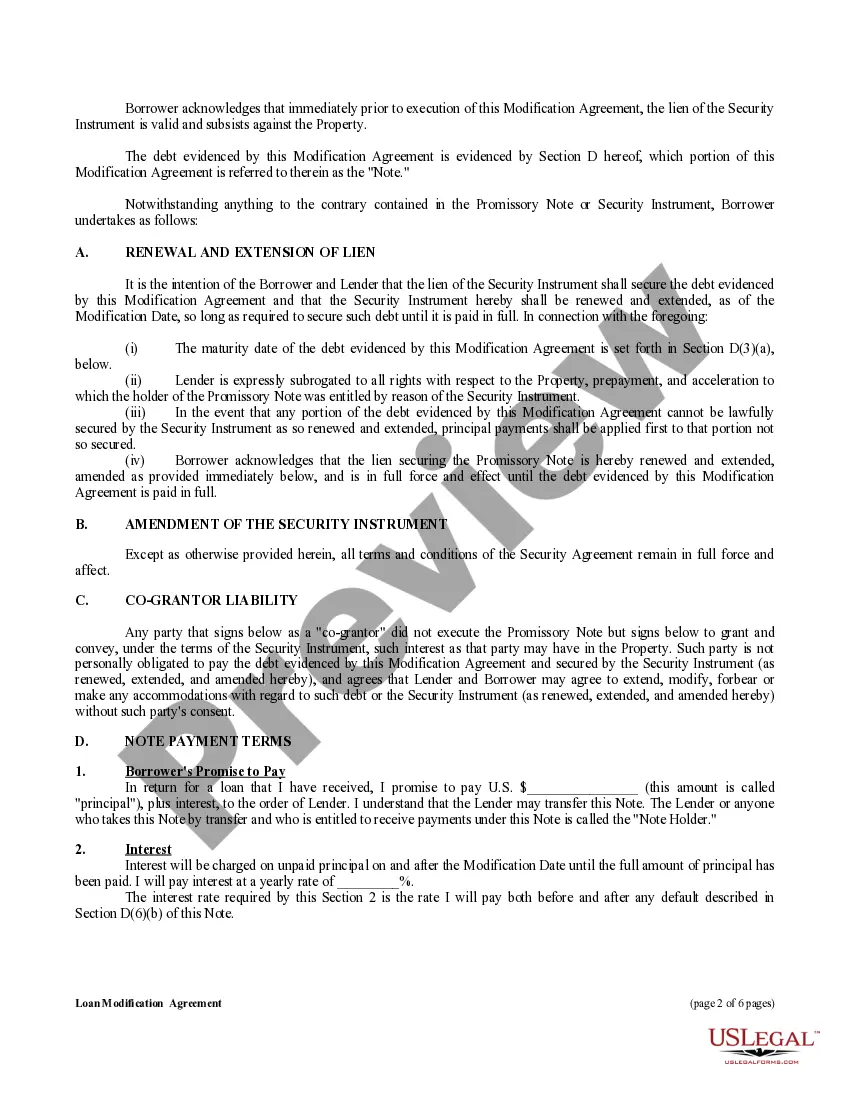
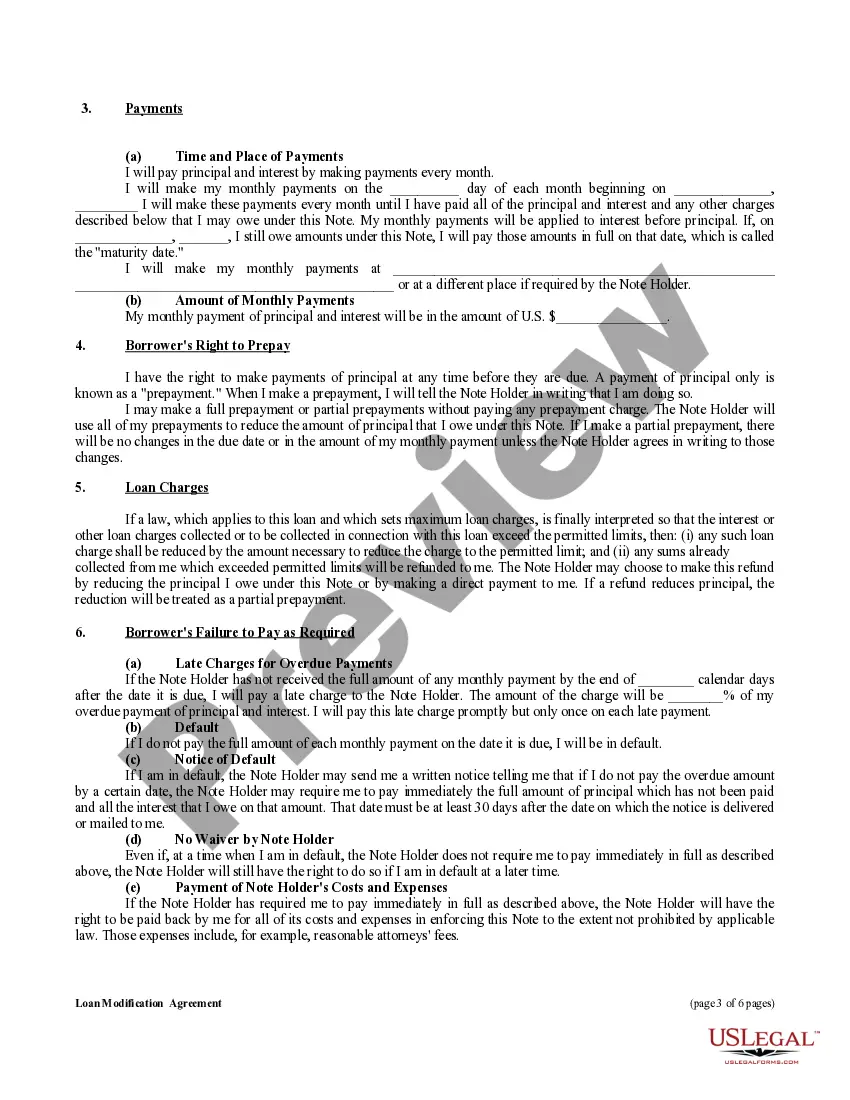
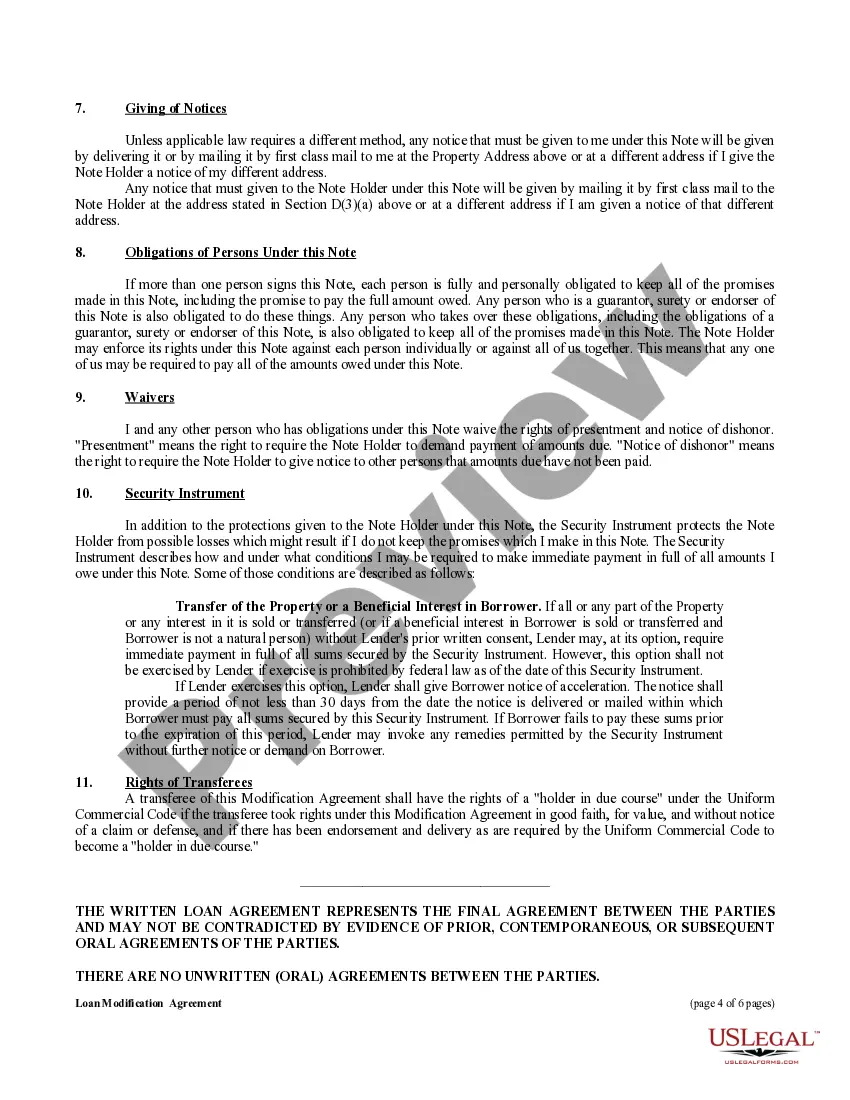
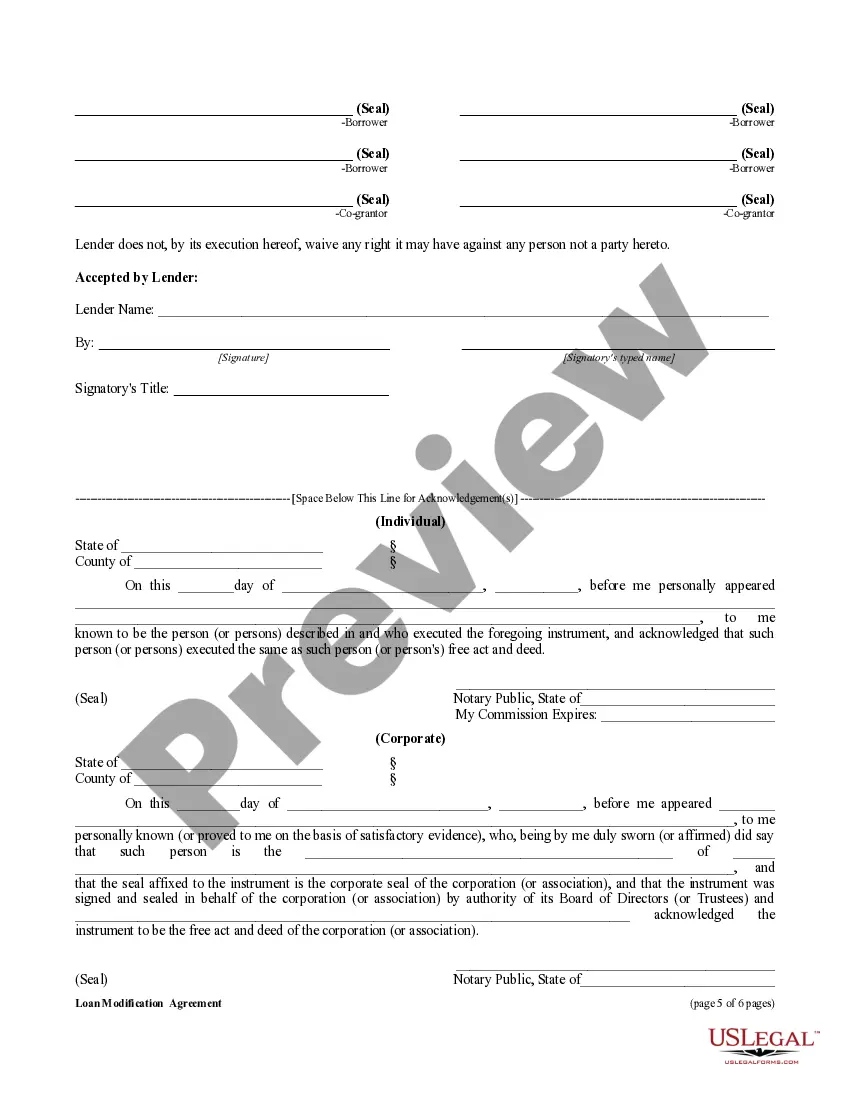
A deed of trust will include the same type of information stated in a mortgage document, such as: The identities of the borrower, lender, and trustee. A full description of the property to be placed in trust. Any restrictions or requirements on the use of the property while it is in trust.
May I make out my own deed? Yes you may, however, we always recommend consulting an attorney regarding property transfers and changes, because minor changes in the wording of the document can completely change the legal meaning of the document.
This Deed of Trust (the “Trust Deed”) sets out the terms and conditions upon which: Settlor Name (the “Settlor”), of Settlor Address, settles that property set out in Schedule A (the “Property”) upon Trustee Name (the “Trustee”), being a Company duly registered under the laws of state with registered number ...
For a deed to be legal, it must state the name of the buyer and the seller, describe the property being transferred, and include the signature of the party transferring the property. In addition to being either official or private, deeds are classified as general warranty, special warranty, or quitclaim.
Yes. But it is usually a good idea to have someone with certain expertise in the field such as an attorney or title company prepare it for you to make sure it's correct.
Mail or in person If you mail your request, include a self-addressed stamped envelope and a note with the address of the property. To find out the exact number of pages in advance of sending your request, contact us at (215) 686-2292 or deedcopy.info@phila. Copies are $2 per page.
