Trust Deed Format For School In King
Description

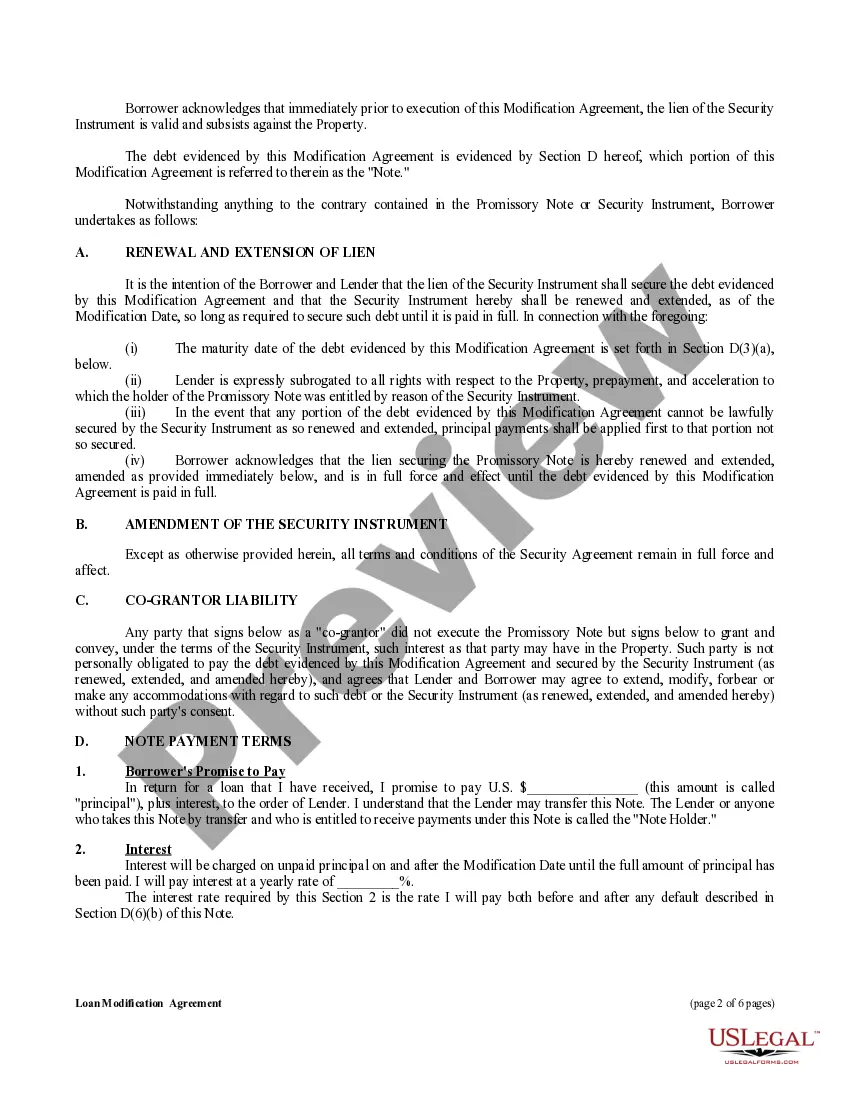
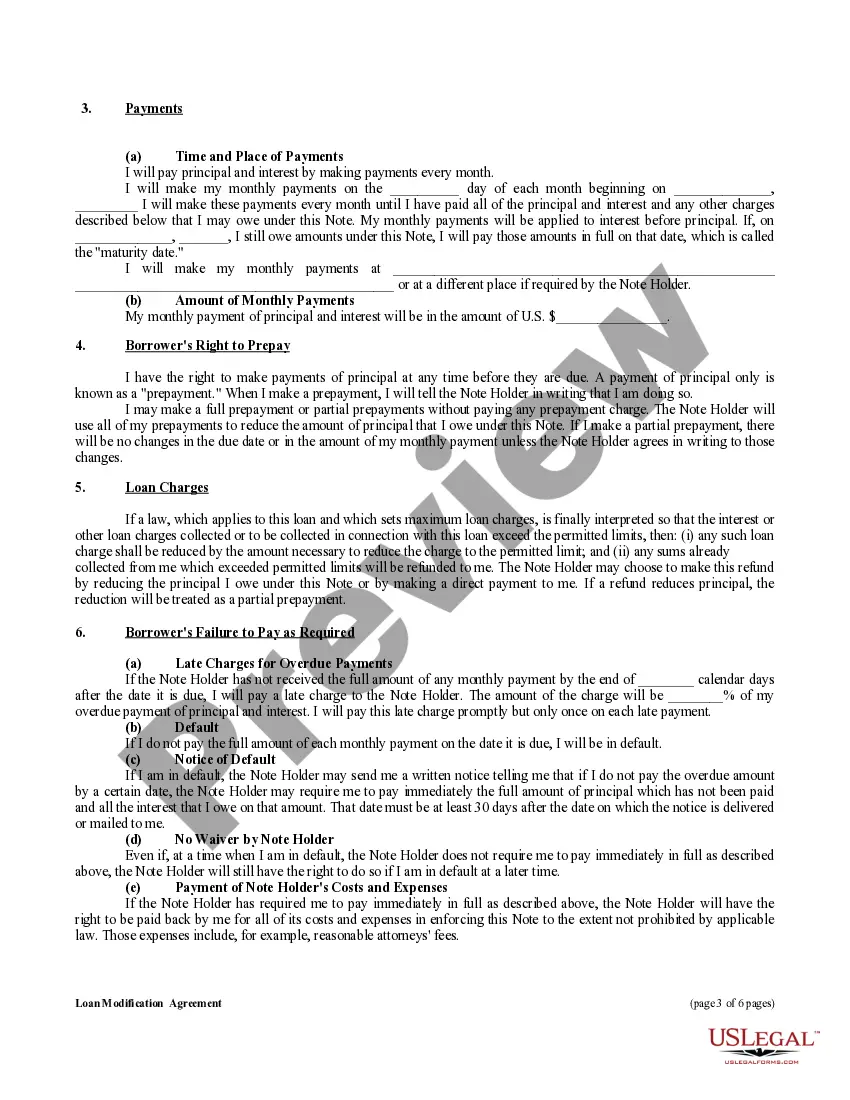
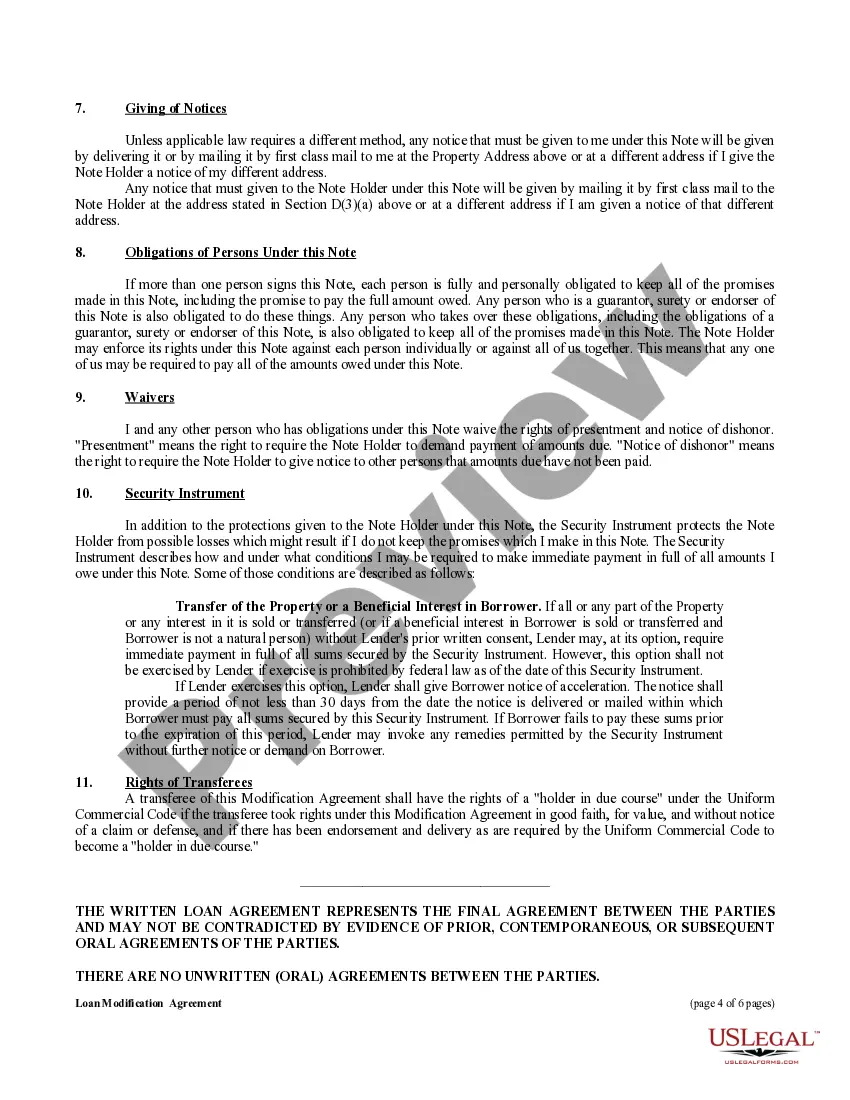
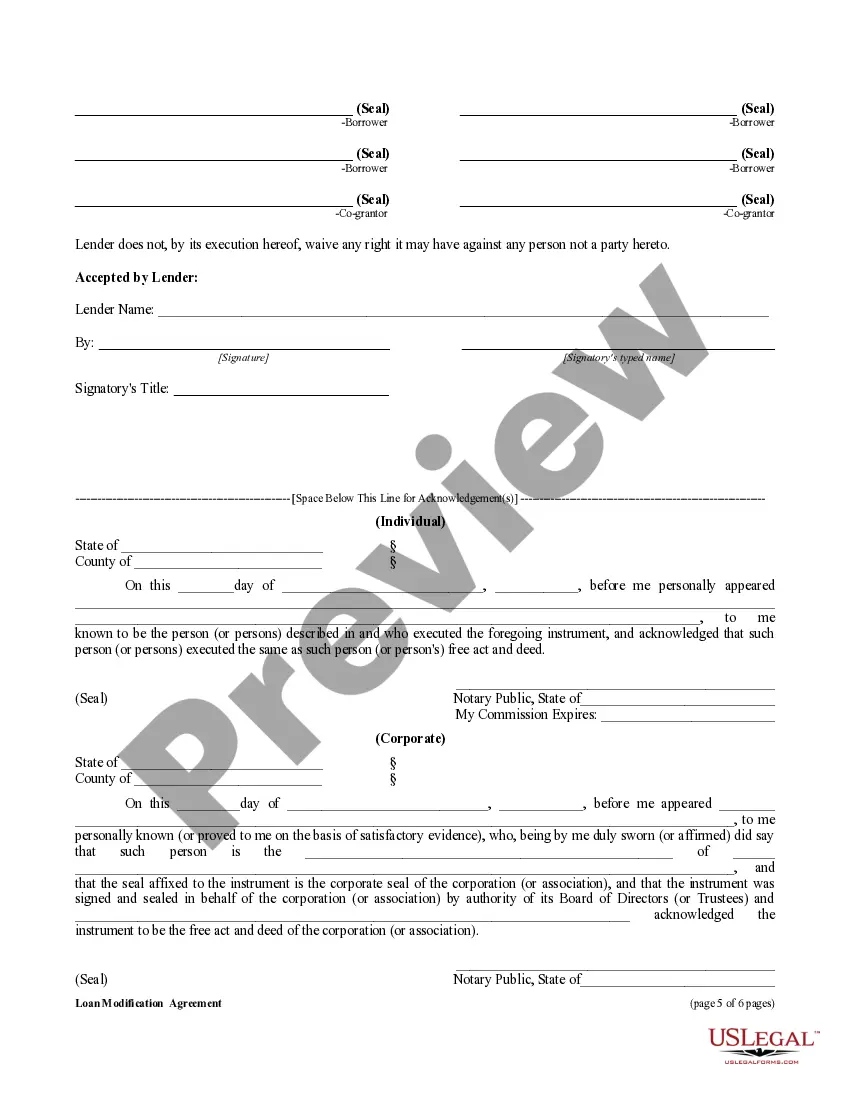

Get your form ready online
Our built-in tools help you complete, sign, share, and store your documents in one place.
Make edits, fill in missing information, and update formatting in US Legal Forms—just like you would in MS Word.
Download a copy, print it, send it by email, or mail it via USPS—whatever works best for your next step.
Sign and collect signatures with our SignNow integration. Send to multiple recipients, set reminders, and more. Go Premium to unlock E-Sign.
If this form requires notarization, complete it online through a secure video call—no need to meet a notary in person or wait for an appointment.
We protect your documents and personal data by following strict security and privacy standards.

Make edits, fill in missing information, and update formatting in US Legal Forms—just like you would in MS Word.

Download a copy, print it, send it by email, or mail it via USPS—whatever works best for your next step.

Sign and collect signatures with our SignNow integration. Send to multiple recipients, set reminders, and more. Go Premium to unlock E-Sign.

If this form requires notarization, complete it online through a secure video call—no need to meet a notary in person or wait for an appointment.

We protect your documents and personal data by following strict security and privacy standards.
Looking for another form?




Form popularity
FAQ
When you own a home, the deed is the physical document that proves ownership. The title is the concept of legal ownership that the deed grants you. You can think of the deed as the document that transfers, or passes on, the title or the right to ownership. When you buy a home, you need both.
This Deed of Trust (the “Trust Deed”) sets out the terms and conditions upon which: Settlor Name (the “Settlor”), of Settlor Address, settles that property set out in Schedule A (the “Property”) upon Trustee Name (the “Trustee”), being a Company duly registered under the laws of state with registered number ...
Yes, someone can be on the title and not the mortgage. The two terms “deed” and “title” are often used synonymously. A person whose name is on a house deed has the title to that particular house. The house deed is the physical document that is used to transfer title and thus proves who owns the house.
For example, a sole proprietorship of a business might choose to place their business in a trust that they can revoke or amend at any time prior to their death and where they are the beneficiary until their death. Or they could create a trust and leave the business in the trust in their will.
How do I fill this out? Gather information about trustees, settlors, and trust creation date. Identify the powers of the trustees and whether the trust is revocable or irrevocable. Fill out each section ingly, following the prompts. Ensure all acting trustees sign the document. Notarize the document if required.
How to Create a Living Trust in California Take an inventory of your assets. Select your trustee. Designate your Beneficiaries. Write up your Declaration of Trust. Sign your Trust in front of a Notary Public (optional). Transfer assets and property to the Trust.
Ideally, an SMSF trust deed should be written in a way that doesn't require regular updating. However, the deed should be reviewed at least annually to ensure it's up to date.
