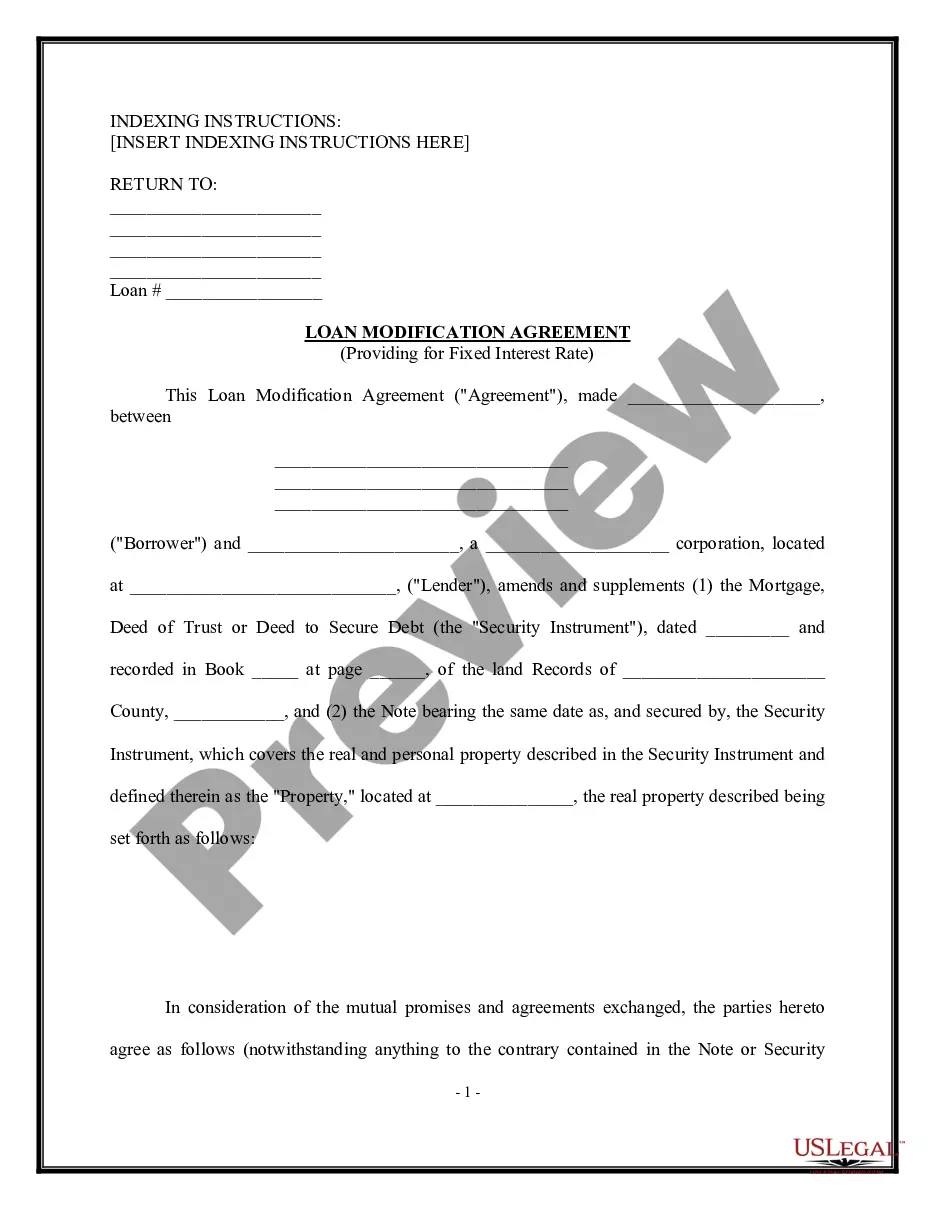
Deed Of Trust Modification With No Maturity Date In Illinois
Description

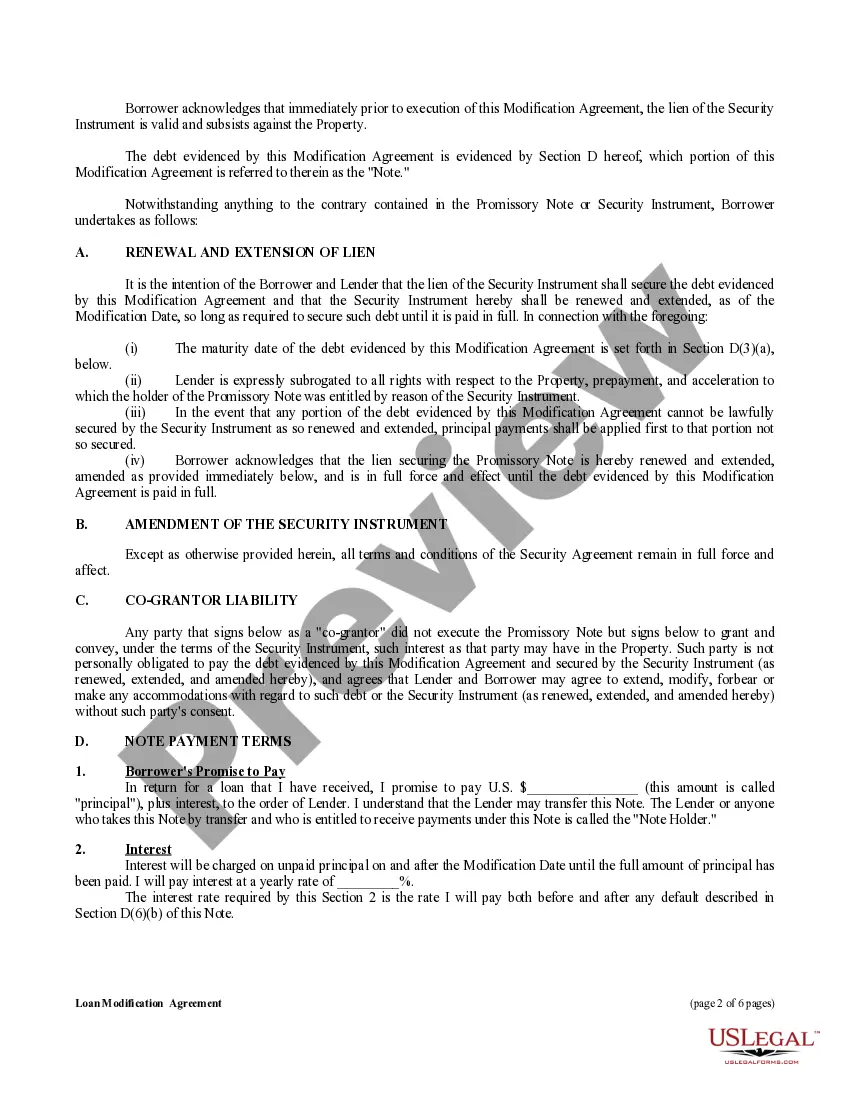
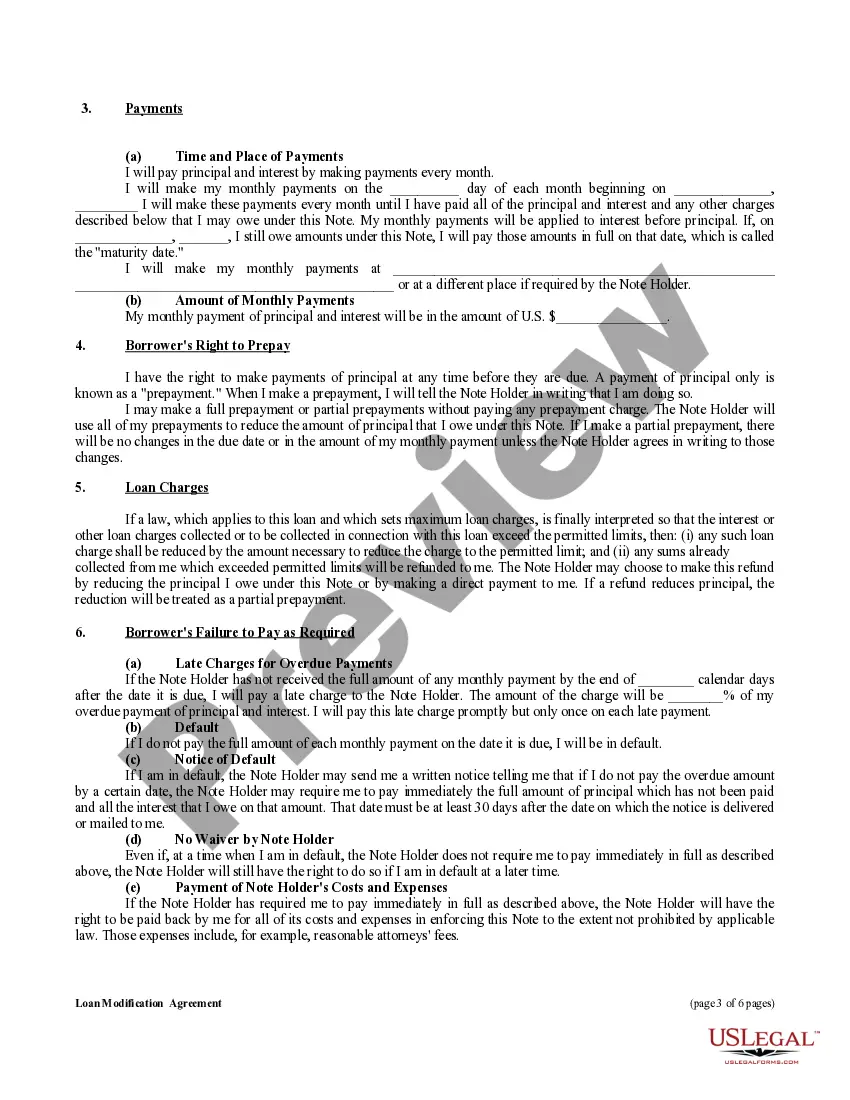
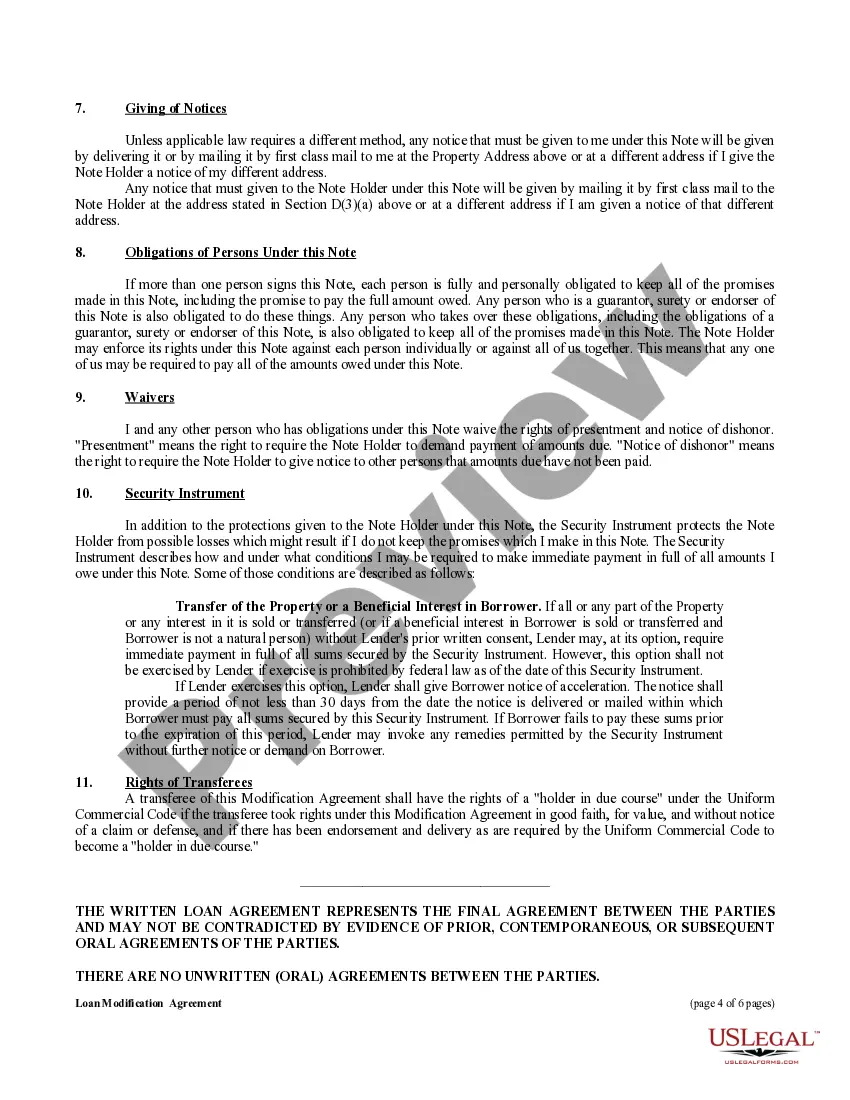
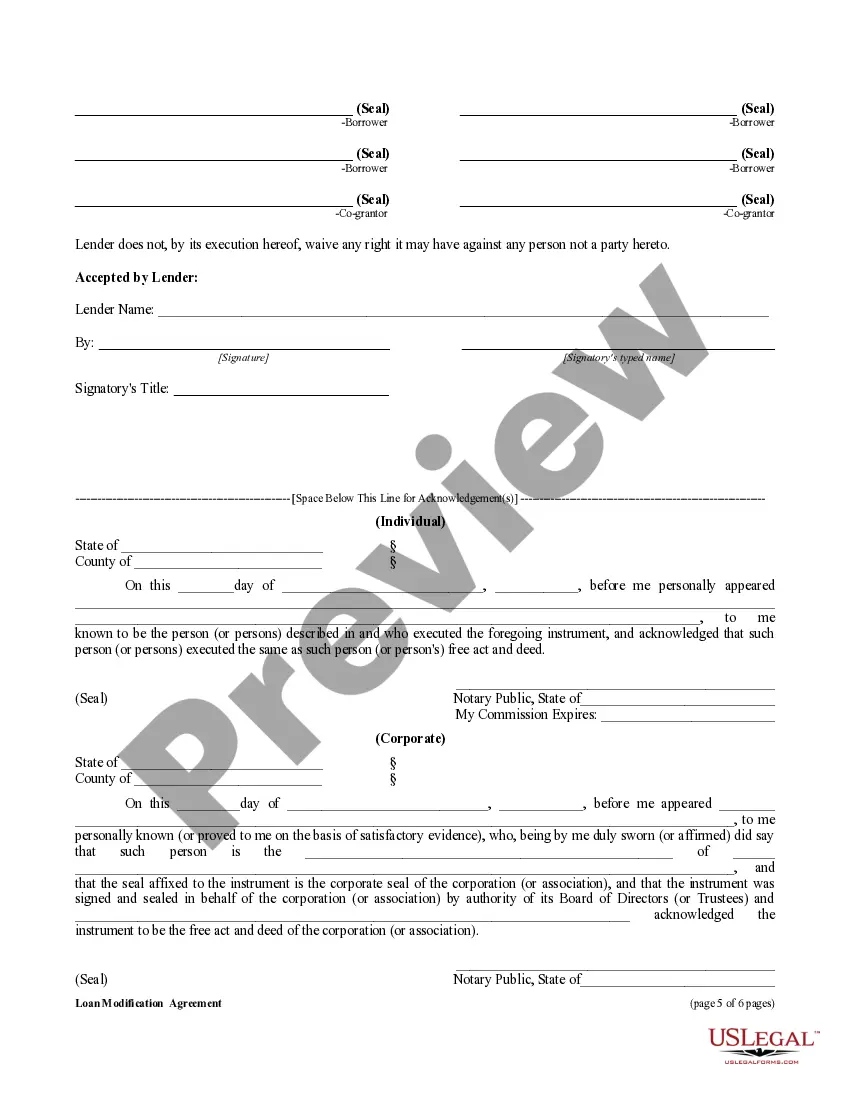


Get your form ready online
Our built-in tools help you complete, sign, share, and store your documents in one place.
Make edits, fill in missing information, and update formatting in US Legal Forms—just like you would in MS Word.
Download a copy, print it, send it by email, or mail it via USPS—whatever works best for your next step.
Sign and collect signatures with our SignNow integration. Send to multiple recipients, set reminders, and more. Go Premium to unlock E-Sign.
If this form requires notarization, complete it online through a secure video call—no need to meet a notary in person or wait for an appointment.
We protect your documents and personal data by following strict security and privacy standards.

Make edits, fill in missing information, and update formatting in US Legal Forms—just like you would in MS Word.

Download a copy, print it, send it by email, or mail it via USPS—whatever works best for your next step.

Sign and collect signatures with our SignNow integration. Send to multiple recipients, set reminders, and more. Go Premium to unlock E-Sign.

If this form requires notarization, complete it online through a secure video call—no need to meet a notary in person or wait for an appointment.

We protect your documents and personal data by following strict security and privacy standards.
Looking for another form?
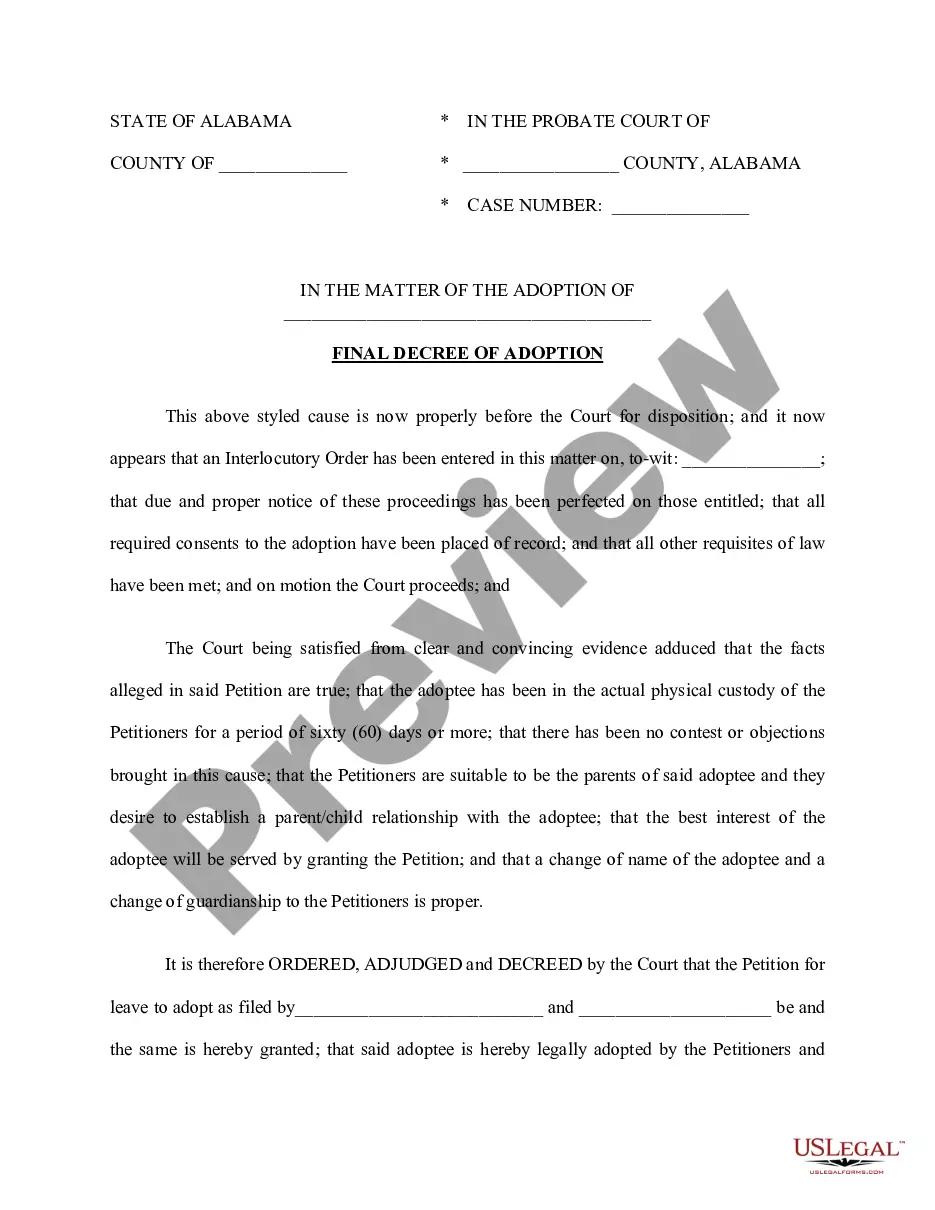
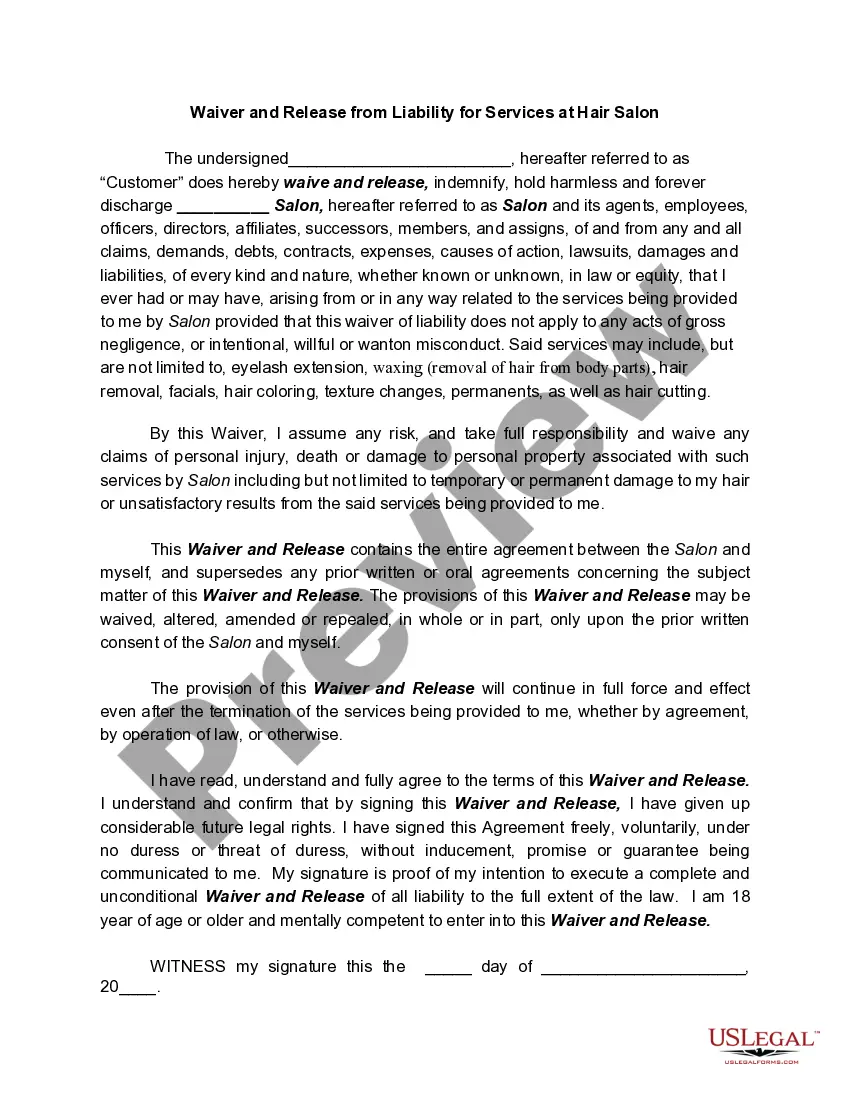
Form popularity
FAQ
The first common requirement is that the deed must be in writing and signed by the grantor(s). 765 ILCS 5/1. Generally, deeds conveying a homestead estate must also be signed by the grantor's spouse, except where one spouse conveys to the other. A few other exceptions to this rule are set forth at 735 ILCS 5/12-904.
Real Estate Transfer Declaration PTAX-203-A (PDF) - Form and instructions for Illinois Real Estate Transfer Declaration PTAX-203-A for non-residential property over $1 million and/or as required by Illinois Department of Revenue.
The trustee, by a deed of amendment, varies the terms of the trust deed to convert the discretionary trust to a fixed unit trust so that each beneficiary had a fixed entitlement in the trust. Duty is payable on the variation would be on the whole of the unencumbered value of the underlying dutiable property.
A Deed of Amendment is a legal instrument amending one or more items specified in the original agreement/deed ('Principal Document'). It restates the terms and has the priority effect if there is any difference between the Deed of Amendment and Principal Document.
(b) The lien of every mortgage, trust deed in the nature of a mortgage, and vendor's lien, in which no due date is stated upon the face, or is ascertainable from the written terms thereof, shall cease by limitation after the expiration of 30 years from the date of the instrument creating the lien, unless the owner of ...
Put simply, if the trust deed empowers the trustees to unanimously amend the trust deed, they may legally undertake such amendment regardless of whether beneficiaries have accepted benefits previously.
Revising the terms of a trust is known as “amending” the trust. An amendment is generally appropriate when there are only a few minor changes to make, like rewording a certain paragraph, changing the successor trustee, or modifying beneficiaries.
By federal and state law, a trust can remain open for up to 21 years after the death of anyone living at the time the trust was created.
Illinois adopted the Prudent Investor Rule to require trustees to invest and manage trust assets as if they were their own property and to avoid excessive risk.
Sec. 105. Default and mandatory rules. (a) The trust instrument may specify the rights, powers, duties, limitations, and immunities applicable to the trustee, beneficiary, and others and those terms, if not otherwise contrary to law, shall control, except to the extent specifically provided otherwise in this Section.