Trust Deed Format For Ngo In Allegheny
Description

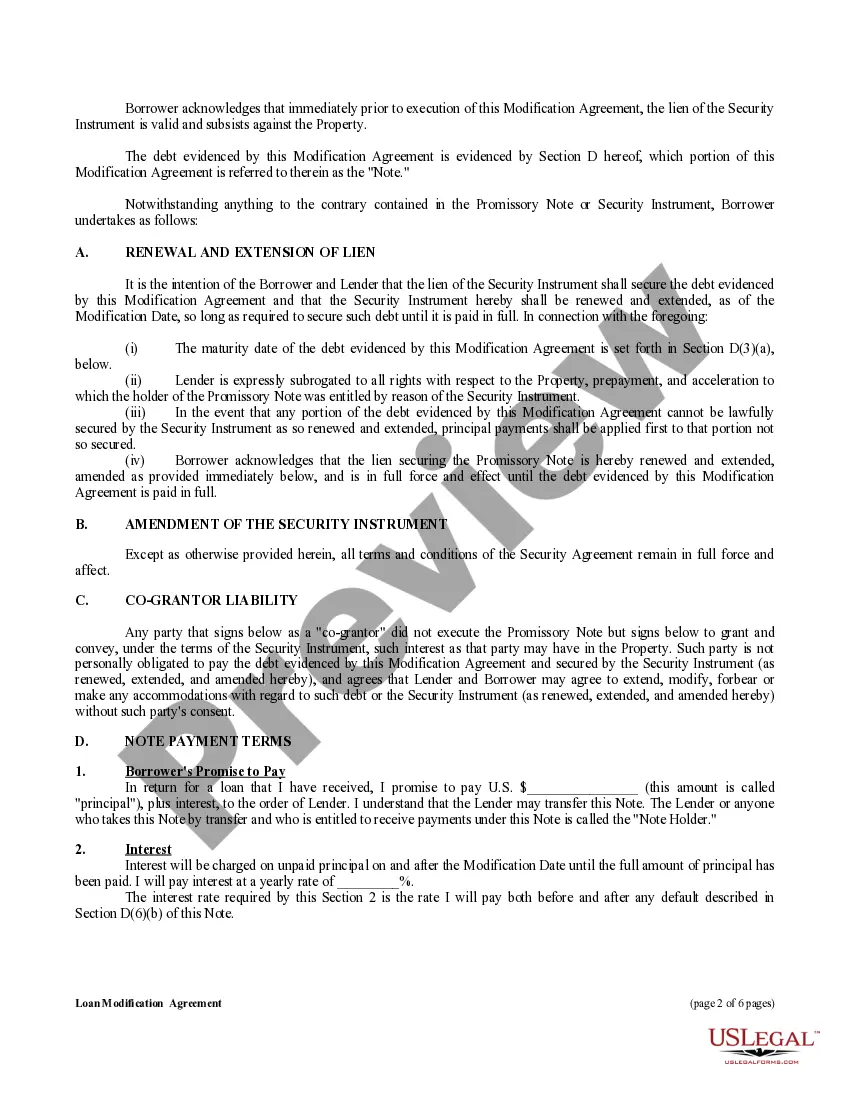
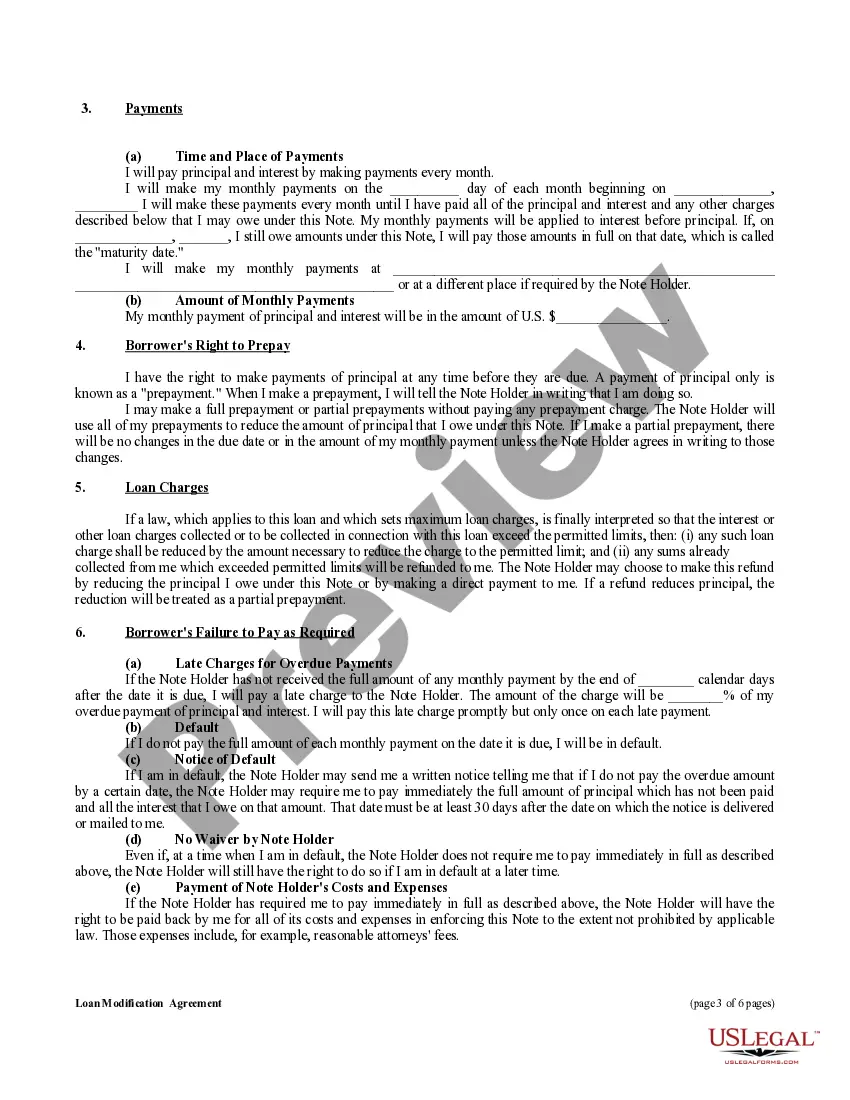
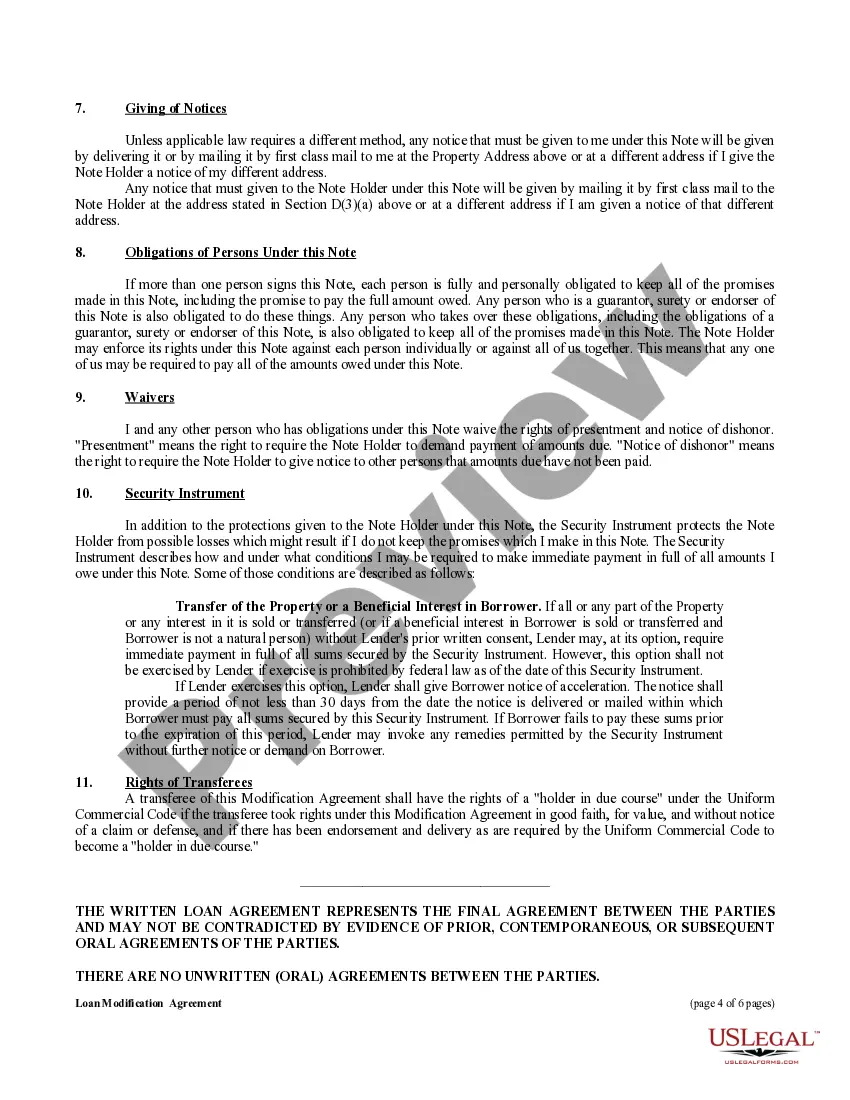
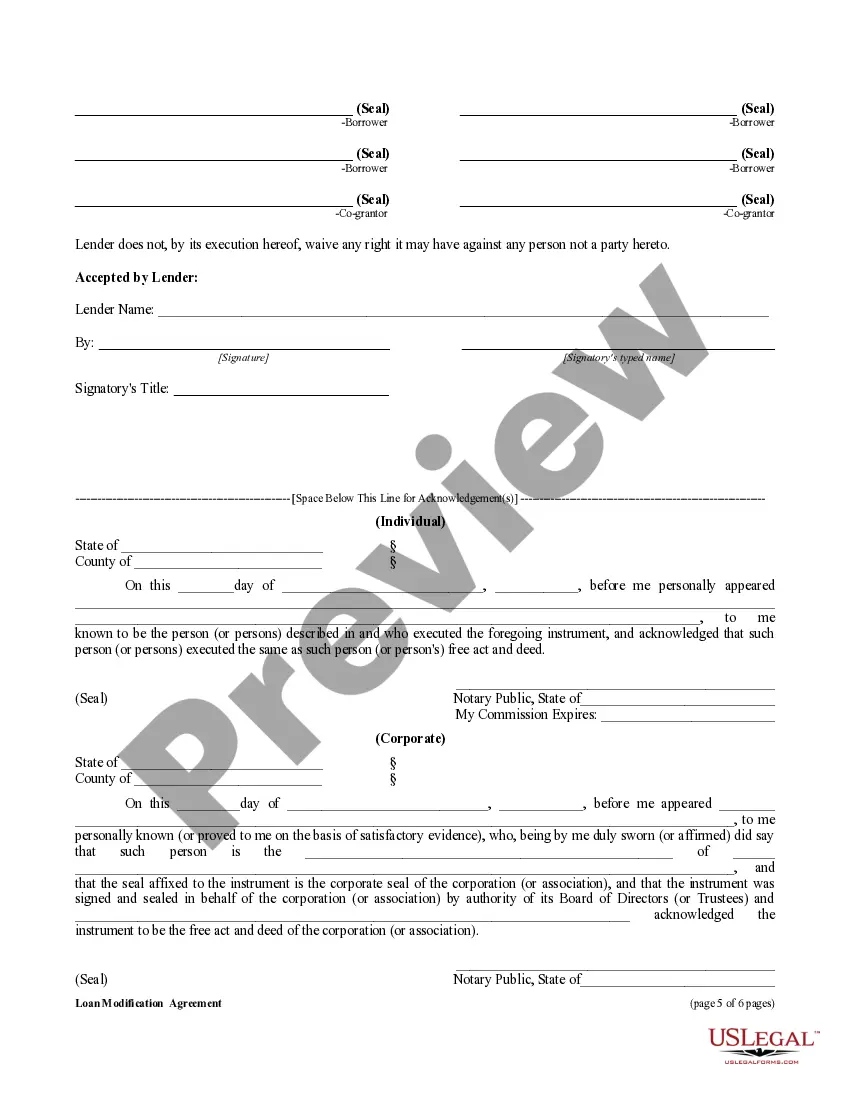
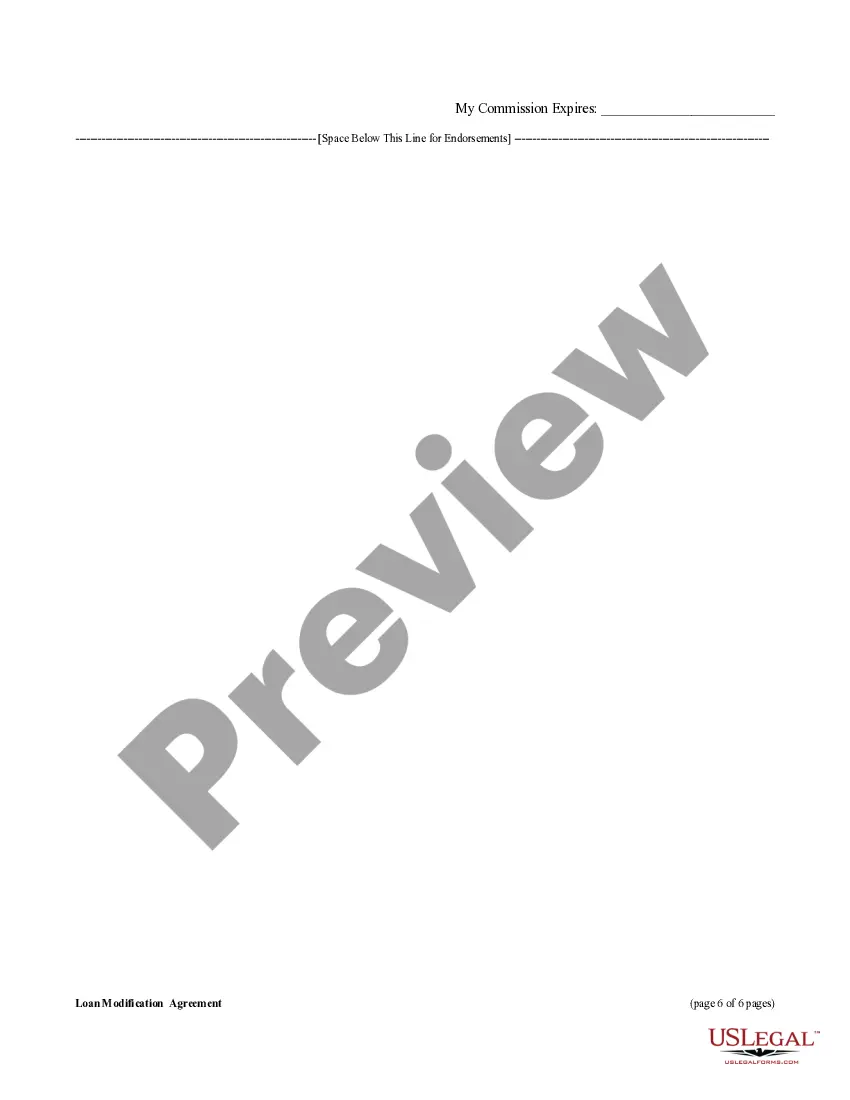
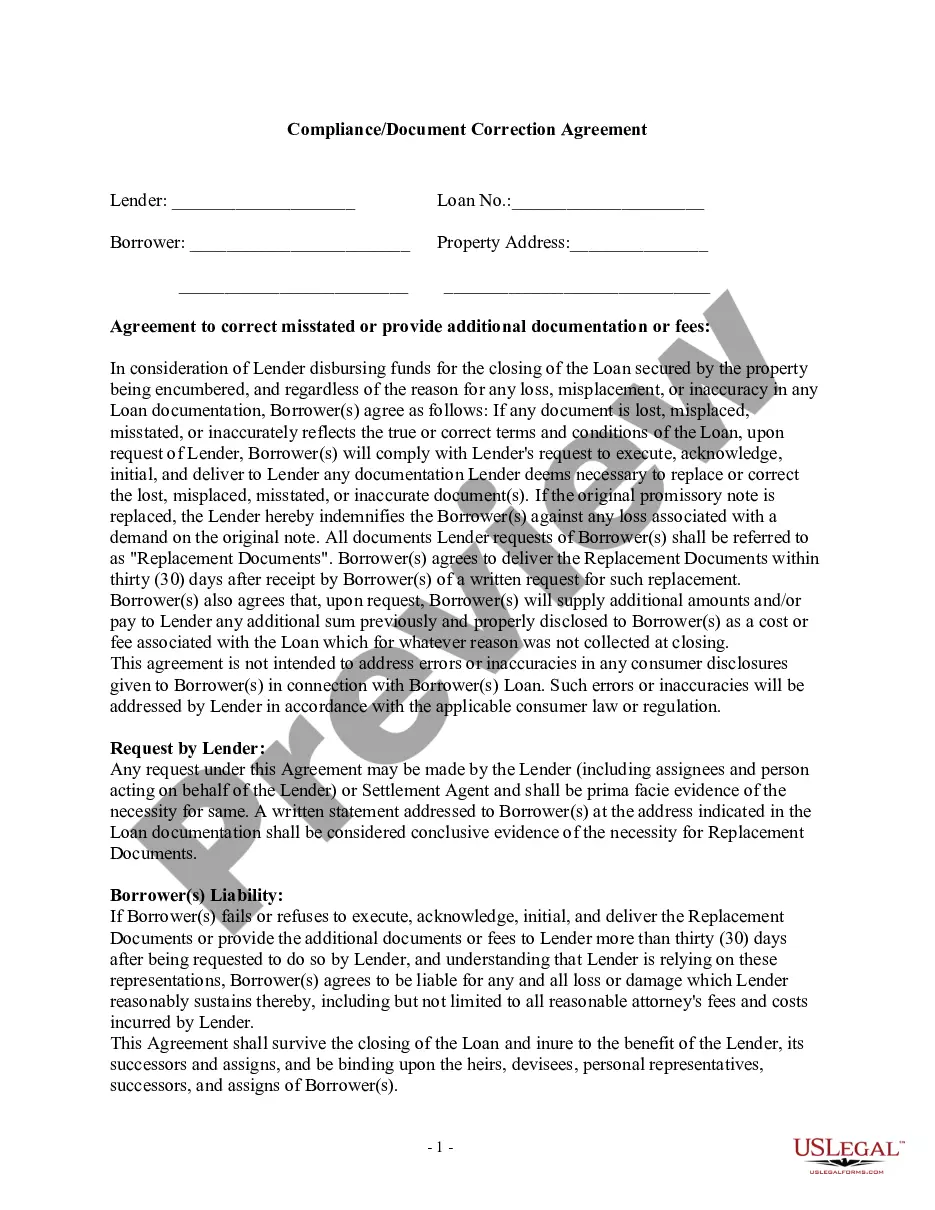
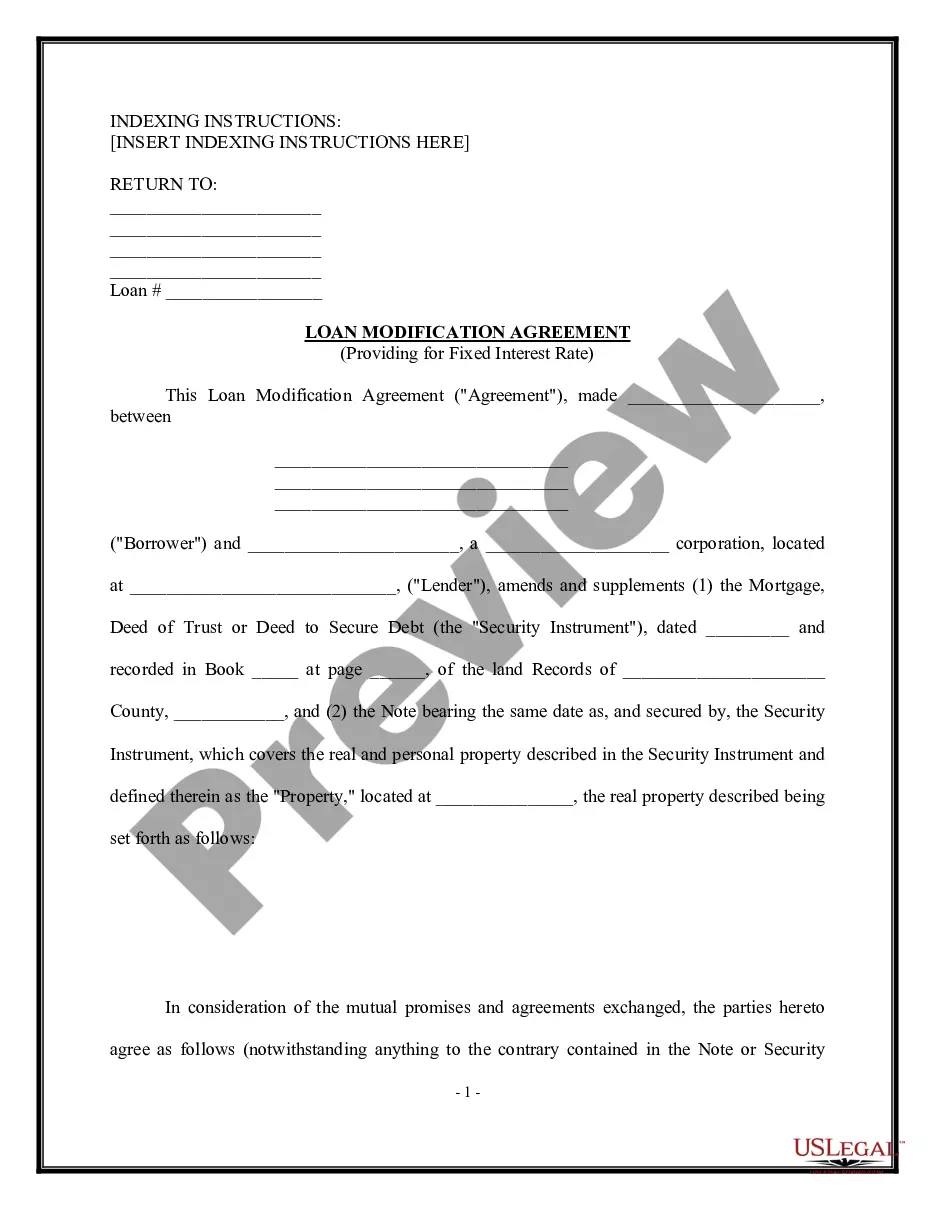
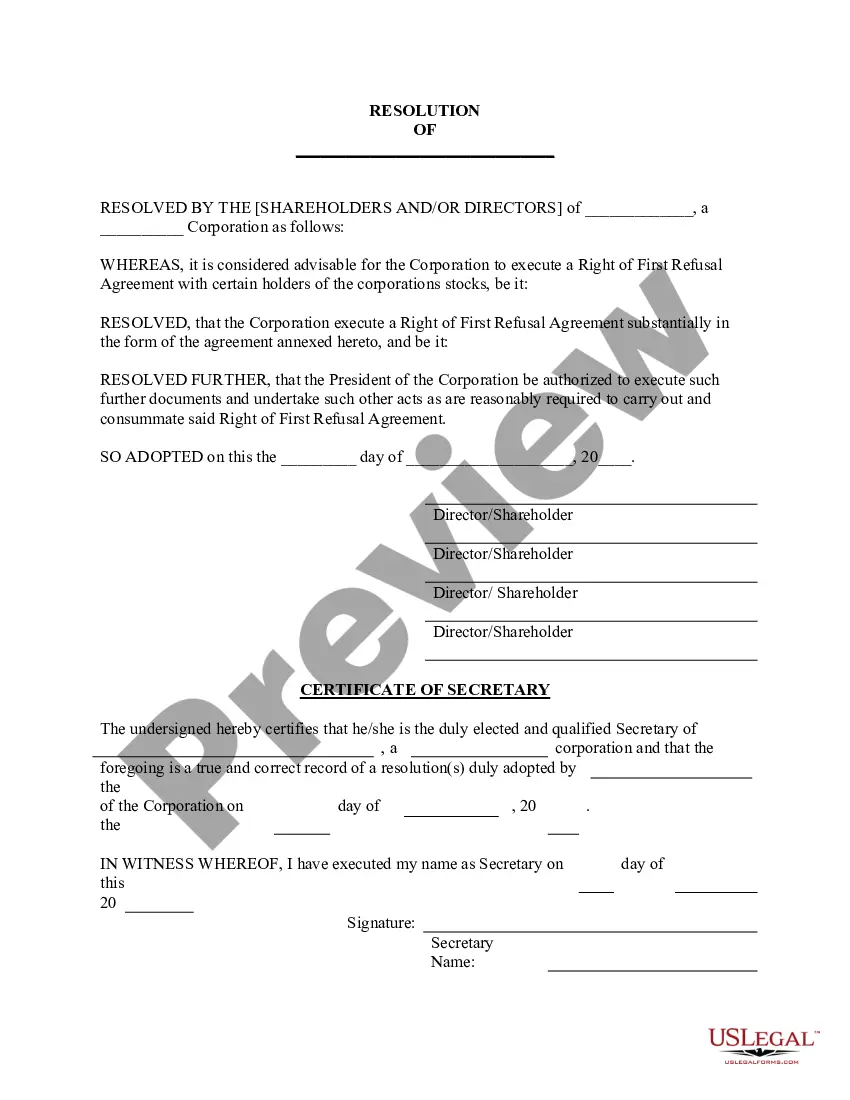
Get your form ready online
Our built-in tools help you complete, sign, share, and store your documents in one place.
Make edits, fill in missing information, and update formatting in US Legal Forms—just like you would in MS Word.
Download a copy, print it, send it by email, or mail it via USPS—whatever works best for your next step.
Sign and collect signatures with our SignNow integration. Send to multiple recipients, set reminders, and more. Go Premium to unlock E-Sign.
If this form requires notarization, complete it online through a secure video call—no need to meet a notary in person or wait for an appointment.
We protect your documents and personal data by following strict security and privacy standards.

Make edits, fill in missing information, and update formatting in US Legal Forms—just like you would in MS Word.

Download a copy, print it, send it by email, or mail it via USPS—whatever works best for your next step.

Sign and collect signatures with our SignNow integration. Send to multiple recipients, set reminders, and more. Go Premium to unlock E-Sign.

If this form requires notarization, complete it online through a secure video call—no need to meet a notary in person or wait for an appointment.

We protect your documents and personal data by following strict security and privacy standards.
Looking for another form?








Form popularity
FAQ
The Long Form, which could be 20-30 pages long, is the one used by institutional lenders.
All deeds made in the state to be acknowledged and recorded within ninety days.
This Deed of Trust (the “Trust Deed”) sets out the terms and conditions upon which: Settlor Name (the “Settlor”), of Settlor Address, settles that property set out in Schedule A (the “Property”) upon Trustee Name (the “Trustee”), being a Company duly registered under the laws of state with registered number ...
The deed must meet the format and content requirements in Pennsylvania law. It should specify the grantor, grantee, and property details. The property description must be legally sufficient - a real estate lawyer in Philadelphia can research the prior deeds and draft an accurate description.
The deed must meet the format and content requirements in Pennsylvania law. It should specify the grantor, grantee, and property details. The property description must be legally sufficient - a real estate lawyer in Philadelphia can research the prior deeds and draft an accurate description.
The deed must have a minimum 10-point font and one-inch margins on all pages. The deed must identify the municipality and county where the real estate property is located. The deed must include a notary's acknowledgment for any signature on it. The deed must include relevant information about any transfer taxes due.
There are state-mandated requirements for how a deed is to be presented. This includes the format, specific locational information, and notary acknowledgments. The Recorder of Deeds will also collect any transfer taxes.
The deed of trust must then be recorded with the county where the property is located, and each of the parties (the trustor, trustee, and lender) should keep a copy of the recorded document.
For a deed to be legal, it must state the name of the buyer and the seller, describe the property being transferred, and include the signature of the party transferring the property.
How do I change my name on the deed? The Allegheny County Real Estate Office handles owner name changes, please call 412-350-4226. Please note, if any changes are made to the deed you must reapply for any programs (i.e., Homestead, Senior Citizen Tax Relief).
