Change Deed Trust Without Spouse In Allegheny
Description








Get your form ready online
Our built-in tools help you complete, sign, share, and store your documents in one place.
Make edits, fill in missing information, and update formatting in US Legal Forms—just like you would in MS Word.
Download a copy, print it, send it by email, or mail it via USPS—whatever works best for your next step.
Sign and collect signatures with our SignNow integration. Send to multiple recipients, set reminders, and more. Go Premium to unlock E-Sign.
If this form requires notarization, complete it online through a secure video call—no need to meet a notary in person or wait for an appointment.
We protect your documents and personal data by following strict security and privacy standards.

Make edits, fill in missing information, and update formatting in US Legal Forms—just like you would in MS Word.

Download a copy, print it, send it by email, or mail it via USPS—whatever works best for your next step.

Sign and collect signatures with our SignNow integration. Send to multiple recipients, set reminders, and more. Go Premium to unlock E-Sign.

If this form requires notarization, complete it online through a secure video call—no need to meet a notary in person or wait for an appointment.

We protect your documents and personal data by following strict security and privacy standards.
Looking for another form?
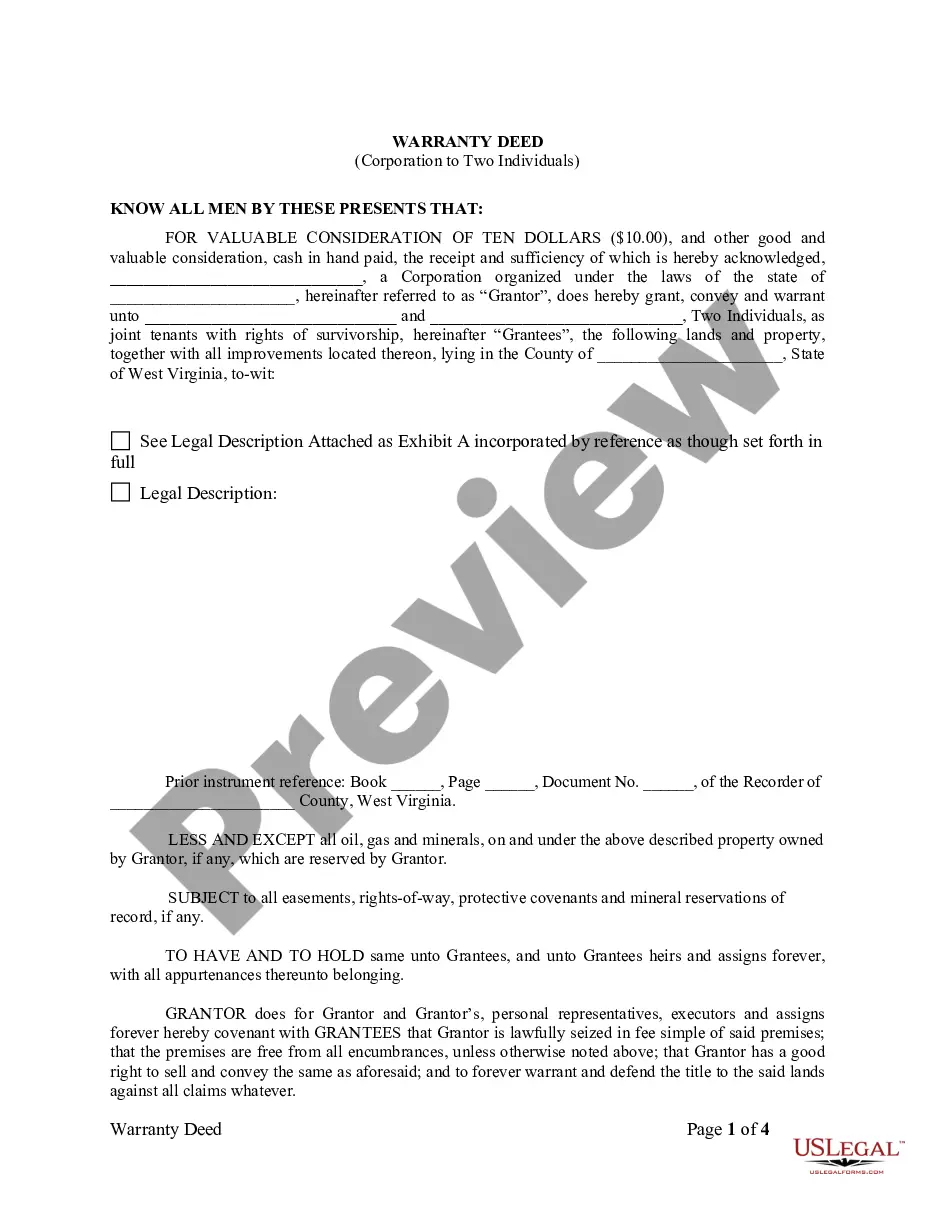

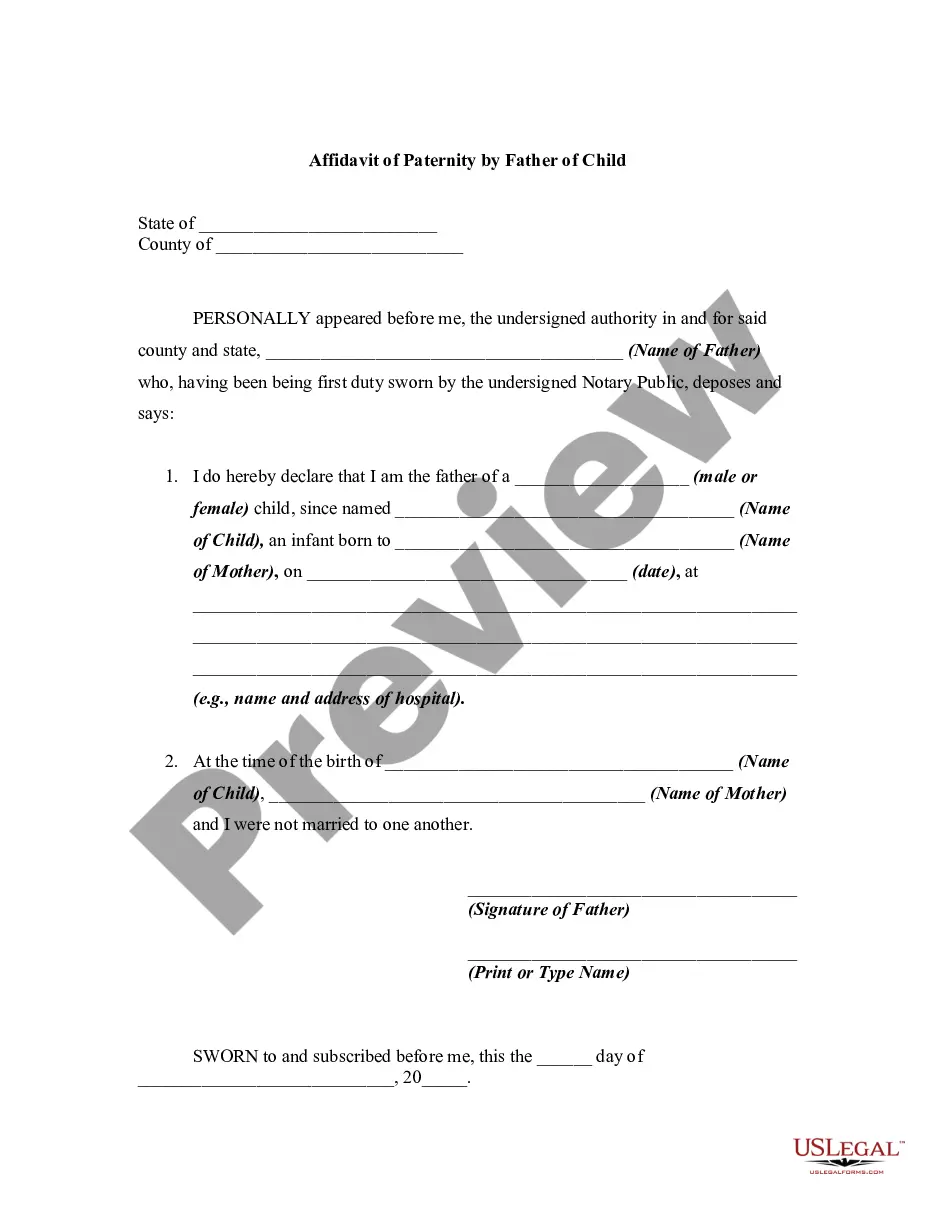


Form popularity
FAQ
The deed must have a minimum 10-point font and one-inch margins on all pages. The deed must identify the municipality and county where the real estate property is located. The deed must include a notary's acknowledgment for any signature on it. The deed must include relevant information about any transfer taxes due.
How to Transfer Ownership of Property Understand Legal Considerations. Before proceeding with the change of ownership, it's essential you understand the legal implications and requirements. Review the Current Property Ownership. Find a Conveyancer or Solicitor. Execute a Transfer Deed. Register the Change of Ownership.
In real estate law, "assignment" is simply the transfer of a deed of trust from one party to another.
The most common way to transfer property is through a general warranty deed (sometimes called a "grant deed"). A general warranty deed guarantees good title from the beginning of time.
Can I Transfer a Deed Without an Attorney? The state of Pennsylvania does not require an attorney, but we strongly recommend it.
There are 5 steps to remove a name from the property deed: Discuss property ownership interests. Access a copy of your title deed. Complete, review and sign the quitclaim or warranty form. Submit the quitclaim or warranty form. Request a certified copy of your quitclaim or warranty deed.
If you wish to remove someone from a deed, you will need their consent. This can be done by recording a new deed, which will require their signature.
To change, add or remove a name on your deed a new deed needs to be recorded reflecting the change. Many people think they can come into the office and change the present recorded deed with a form, but that is not the case. Once a deed is recorded it cannot be changed.
Typically, altering a deed requires mutual consent, making unauthorized removal unlikely. If fraudulent activities are detected, unauthorized changes can render the deed invalid, leading to potential losses for all parties involved.
