Security Debt Any For Dummies In Clark
Description

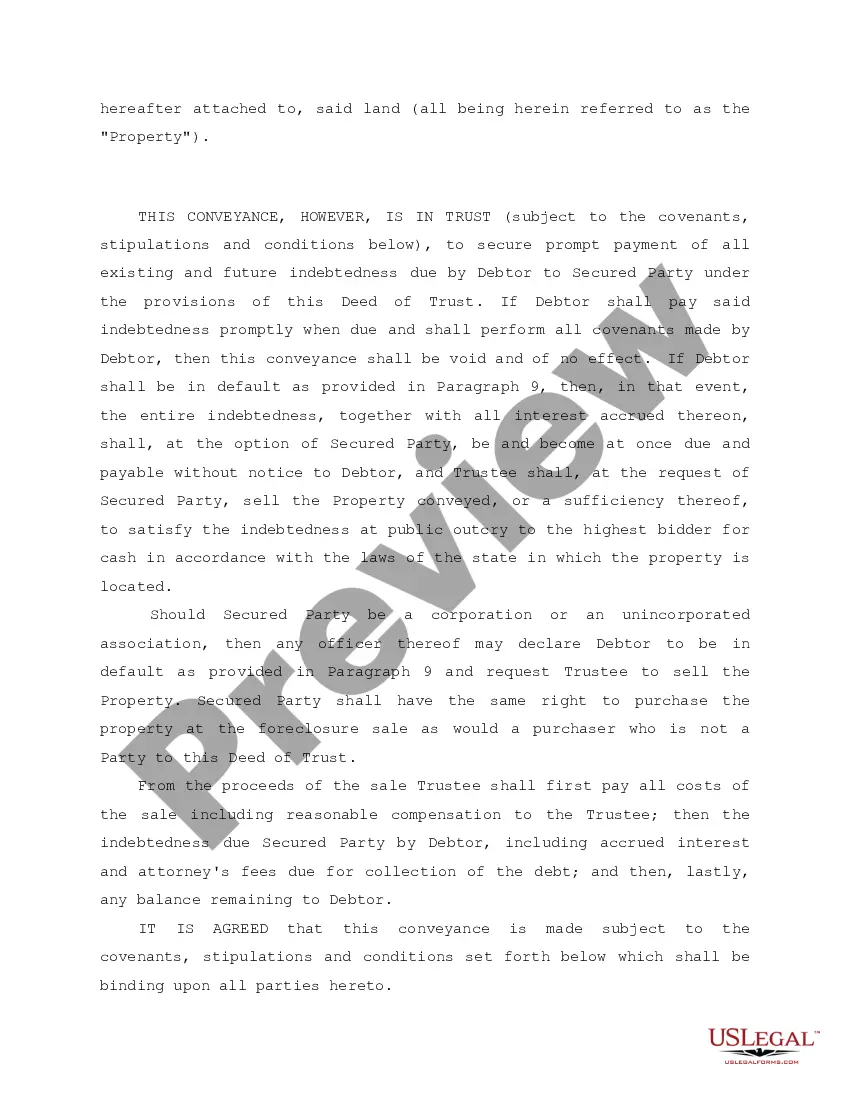
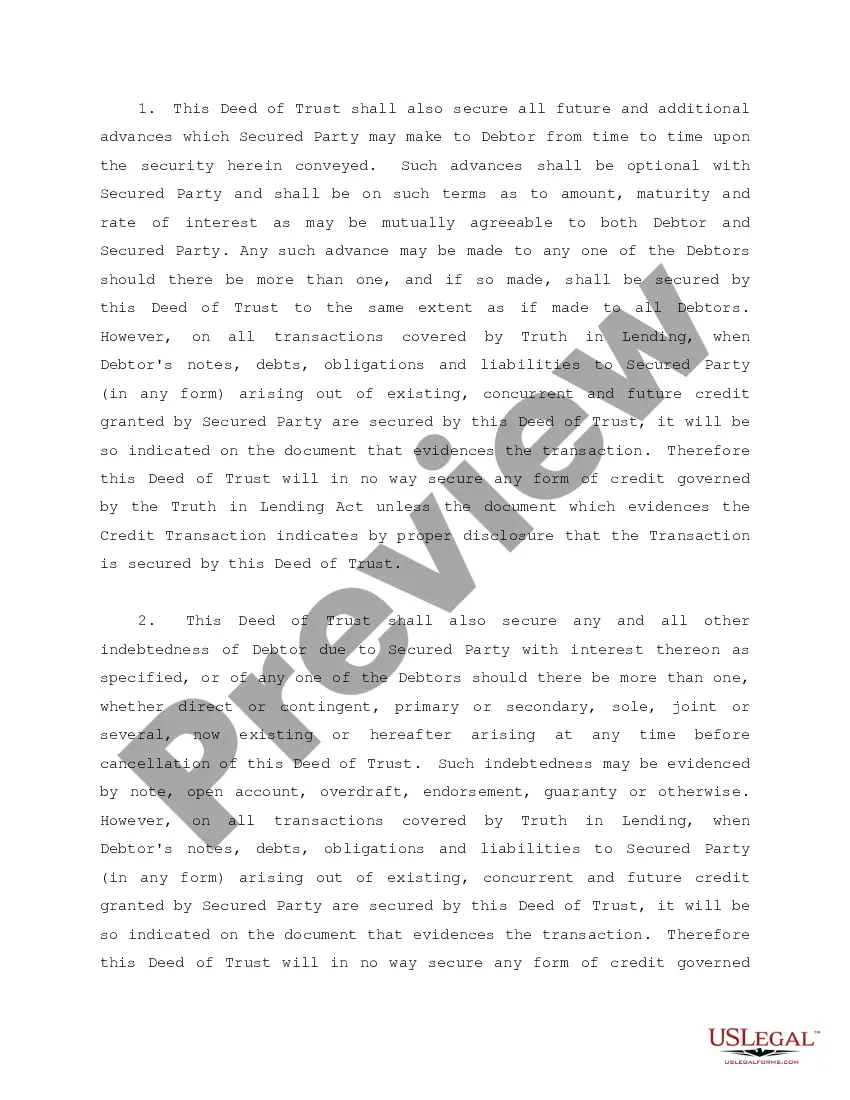
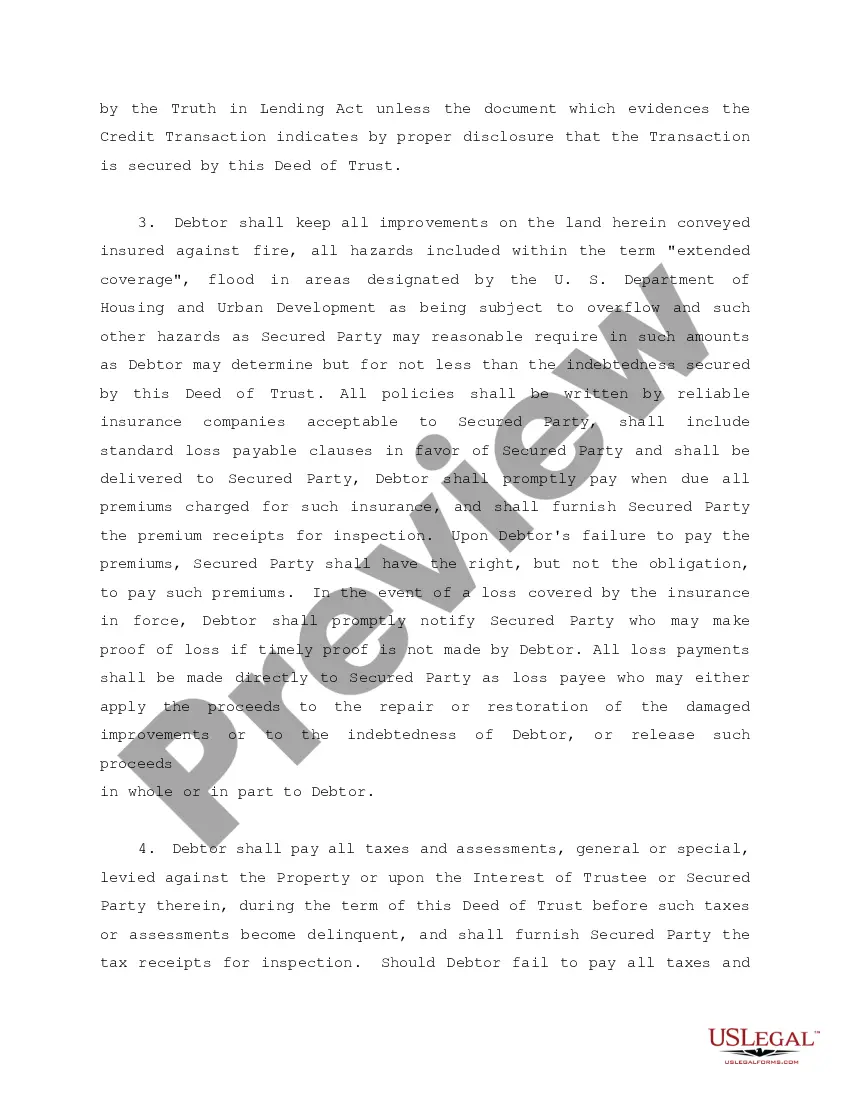
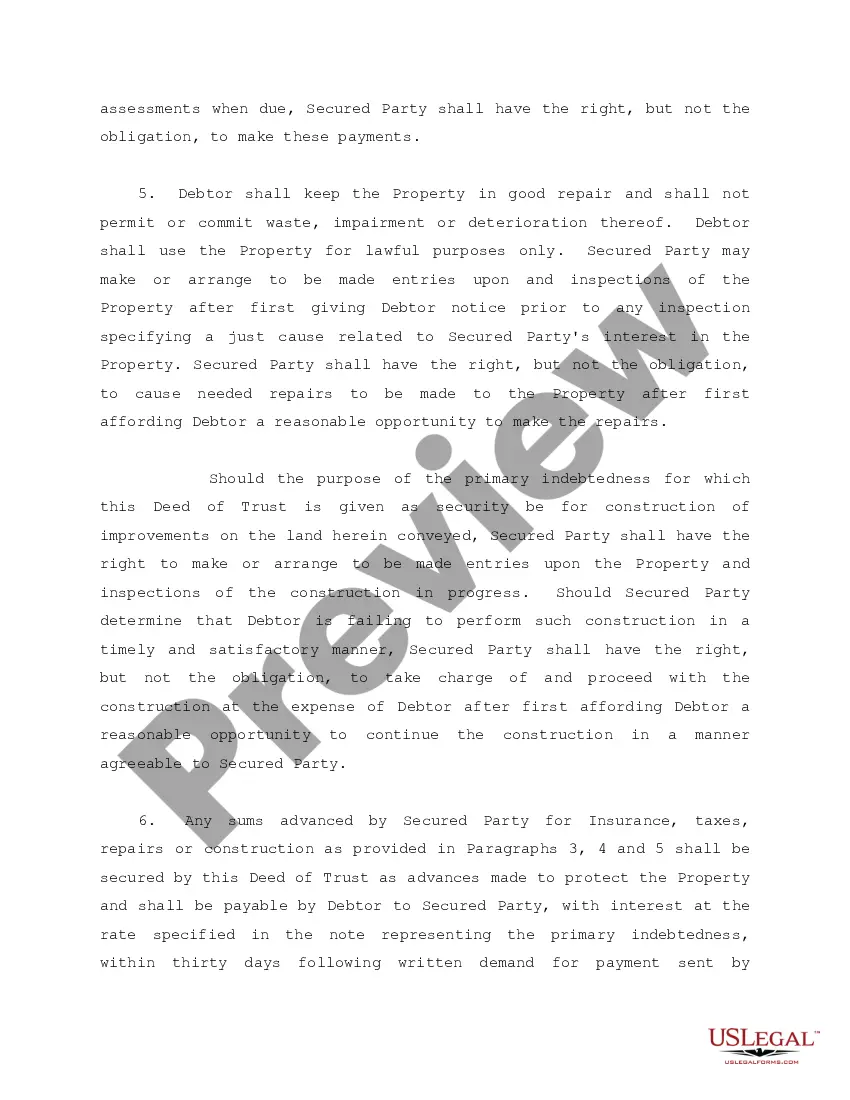

Get your form ready online
Our built-in tools help you complete, sign, share, and store your documents in one place.
Make edits, fill in missing information, and update formatting in US Legal Forms—just like you would in MS Word.
Download a copy, print it, send it by email, or mail it via USPS—whatever works best for your next step.
Sign and collect signatures with our SignNow integration. Send to multiple recipients, set reminders, and more. Go Premium to unlock E-Sign.
If this form requires notarization, complete it online through a secure video call—no need to meet a notary in person or wait for an appointment.
We protect your documents and personal data by following strict security and privacy standards.

Make edits, fill in missing information, and update formatting in US Legal Forms—just like you would in MS Word.

Download a copy, print it, send it by email, or mail it via USPS—whatever works best for your next step.

Sign and collect signatures with our SignNow integration. Send to multiple recipients, set reminders, and more. Go Premium to unlock E-Sign.

If this form requires notarization, complete it online through a secure video call—no need to meet a notary in person or wait for an appointment.

We protect your documents and personal data by following strict security and privacy standards.
Looking for another form?






Form popularity
FAQ
A bond is a debt instrument that is known, in some contexts, as a debt security, debenture, or note.
Summary. Debt securities are negotiable financial instruments, meaning they can be bought or sold between parties in the market. They come with a defined issue date, maturity date, coupon rate, and face value. Debt securities provide regular payments of interest and guaranteed repayment of principal.
Debt securities are negotiable financial instruments, meaning they can be bought or sold between parties in the market. They come with a defined issue date, maturity date, coupon rate, and face value. Debt securities provide regular payments of interest and guaranteed repayment of principal.
Bonds (government, corporate, or municipal) are one of the most common types of debt securities, but there are many different examples of debt securities, including preferred stock, collateralized debt obligations, euro commercial paper, and mortgage-backed securities.
Debt securities (bonds) offer fixed payments and no ownership stake, while equity securities (stocks) provide ownership but come with higher risk and no guaranteed returns. Both are essential components of capital markets, serving different purposes for issuers and investors.
How To Fill In A Proof Of Debt Form Box 1 – This is your business name. Box 2 – This is your business address. Box 3 – This is the total amount you are owed. Box 4 – List any supporting documents you have. Box 5 – List any un-capitalised interest on the claim.
Debt securities are negotiable financial instruments, meaning they can be bought or sold between parties in the market. They come with a defined issue date, maturity date, coupon rate, and face value. Debt securities provide regular payments of interest and guaranteed repayment of principal.
Security vulnerability debt accumulates when software vulnerabilities are not promptly addressed, leading to a backlog of security risks. Managing this debt involves prioritizing critical vulnerabilities, regular patching, and continuous security monitoring to prevent potential breaches and ensure system integrity.
There are many types of debt instruments, but the most common are credit products, bonds, or loans. Each comes with different repayment conditions, generally described in a contract.
Security debt refers to software flaws that remain unfixed for a year or more.
