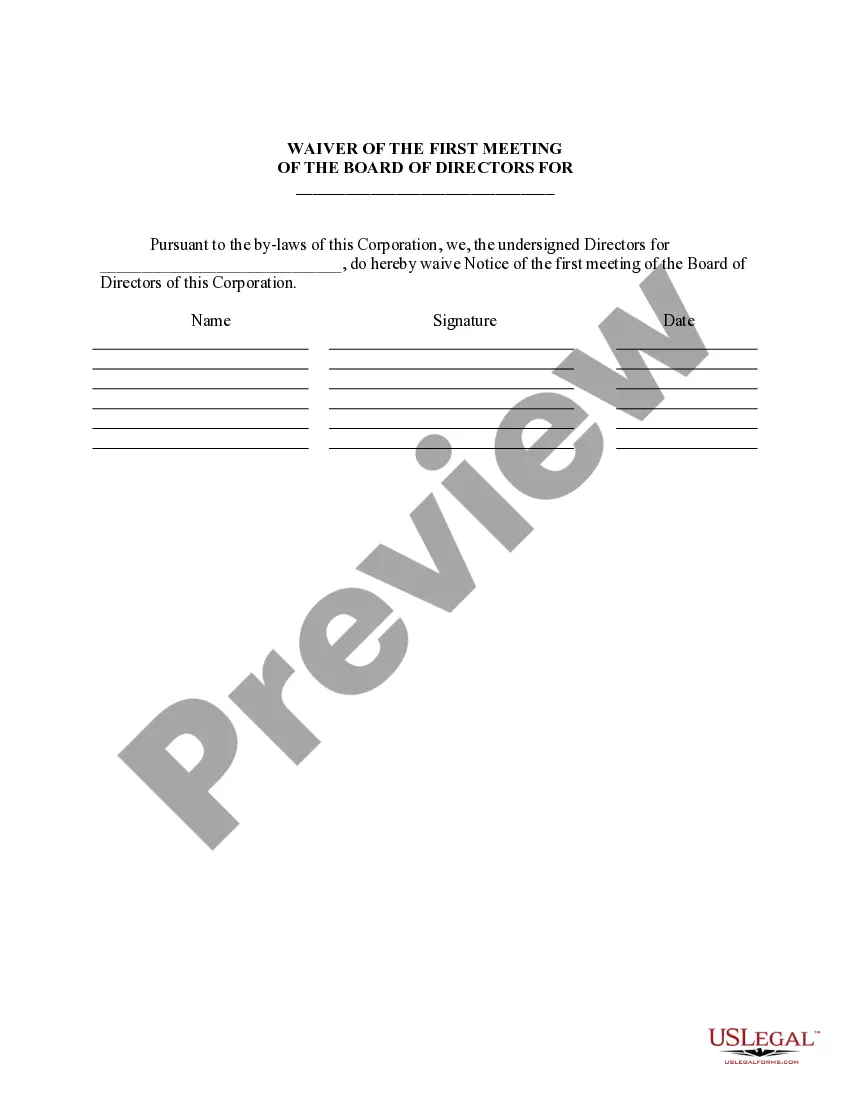
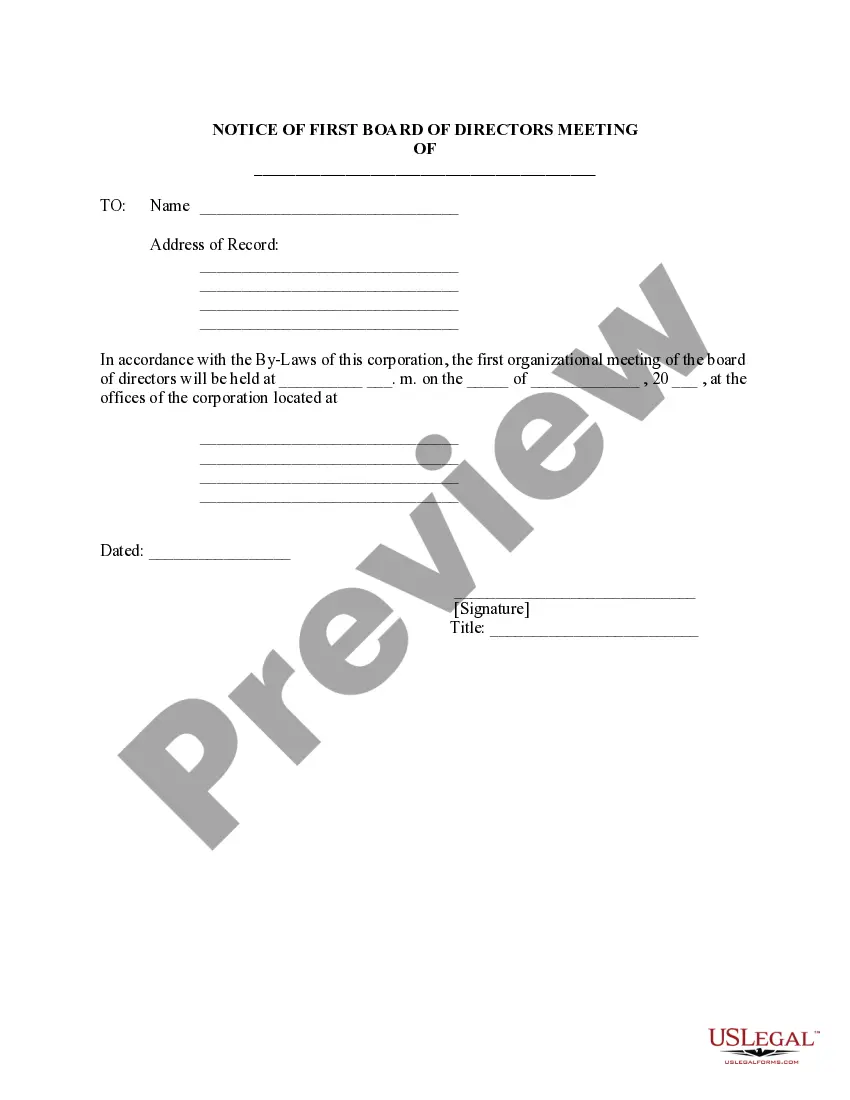
Board Directors Corporate With Shareholders In San Antonio
Description


Get your form ready online
Our built-in tools help you complete, sign, share, and store your documents in one place.
Make edits, fill in missing information, and update formatting in US Legal Forms—just like you would in MS Word.
Download a copy, print it, send it by email, or mail it via USPS—whatever works best for your next step.
Sign and collect signatures with our SignNow integration. Send to multiple recipients, set reminders, and more. Go Premium to unlock E-Sign.
If this form requires notarization, complete it online through a secure video call—no need to meet a notary in person or wait for an appointment.
We protect your documents and personal data by following strict security and privacy standards.

Make edits, fill in missing information, and update formatting in US Legal Forms—just like you would in MS Word.

Download a copy, print it, send it by email, or mail it via USPS—whatever works best for your next step.

Sign and collect signatures with our SignNow integration. Send to multiple recipients, set reminders, and more. Go Premium to unlock E-Sign.

If this form requires notarization, complete it online through a secure video call—no need to meet a notary in person or wait for an appointment.

We protect your documents and personal data by following strict security and privacy standards.
Looking for another form?









Form popularity
FAQ
Although shareholders can't amend decisions already made, they can voice approval for specific actions or raise objections that will influence future decisions. If the shareholders disagree with the direction a director is taking the company, they may be able to remove the director from their position on the board.
Generally, board of directors are not shareholders. This is because directors are typically elected to represent the interests of all shareholders, not just their own personal interests.
All business corporations—large, medium, and small—have boards of directors as required by the general corporation laws of the states in which the companies are incorporated.
All directors are board members, but not all board members need to be directors. Directors are the legally defined group of individuals entrusted with full fiduciary responsibility and voting powers, with significant sway over the company's directions.
Generally, board of directors are not shareholders. This is because directors are typically elected to represent the interests of all shareholders, not just their own personal interests.
Shareholders can be directors, and directors who are shareholders will be issued share certificates that indicate the number of shares they own in the company. An important distinction is that a shareholder does not have to be a director.
While the board of directors is responsible for setting the strategic direction of the company and overseeing management, it is the shareholders who are the ultimate decision-makers. This is because shareholders own the company and have the right to elect the board of directors.
The San Antonio Report began as the Rivard Report in 2012, founded by Robert Rivard and Monika Maeckle, and has grown into a thriving all-digital nonprofit news publication with a staff of dedicated journalists and nonprofit professionals.
Prepare and vote on an amendment to add an owner to LLC The amendment should list the new owner's name, any capital contribution that the new owner is making, the owner's percentage interest in the company, and the percentage of profits and losses that can be allocated to that owner.
Adding shareholders in a company will involve the following key steps: Obtain approval from your current shareholders. Negotiate the terms of the new shareholder's investment. Prepare the necessary legal documents. Complete the share transfer process. Stock transfer form. Form SH01. Share certificate. Consent forms.