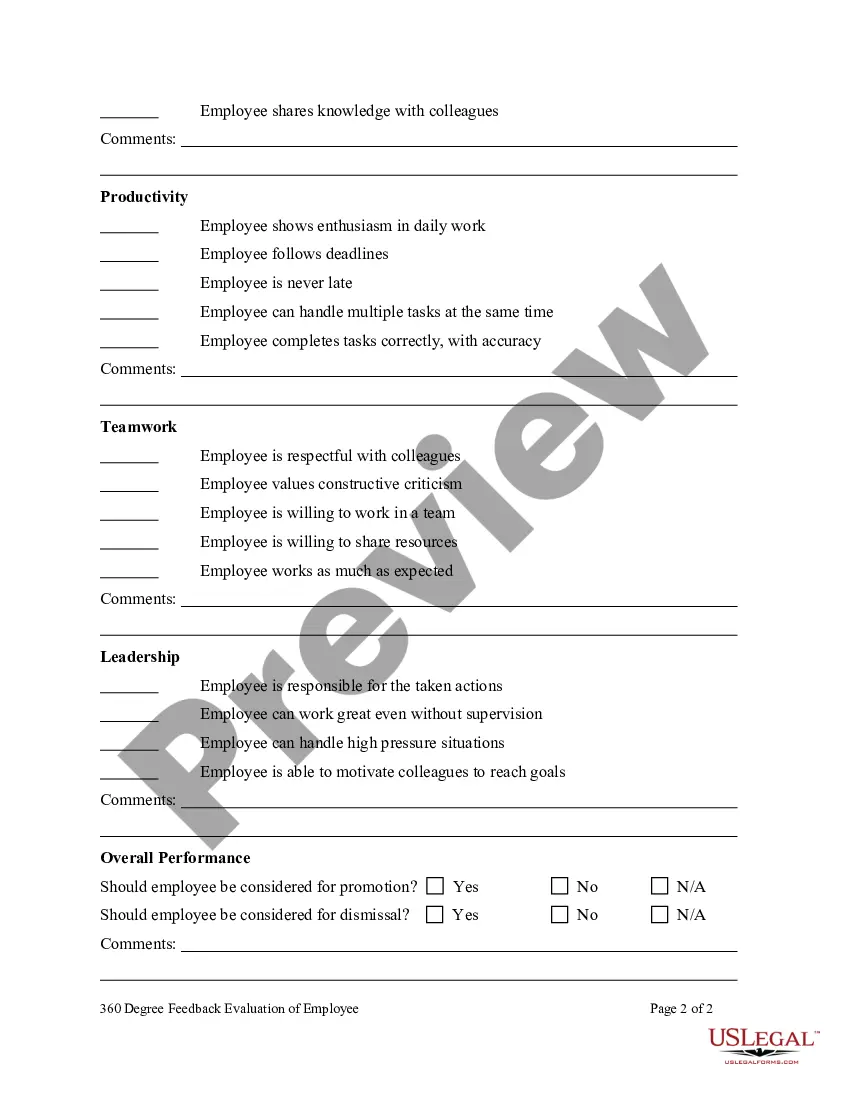
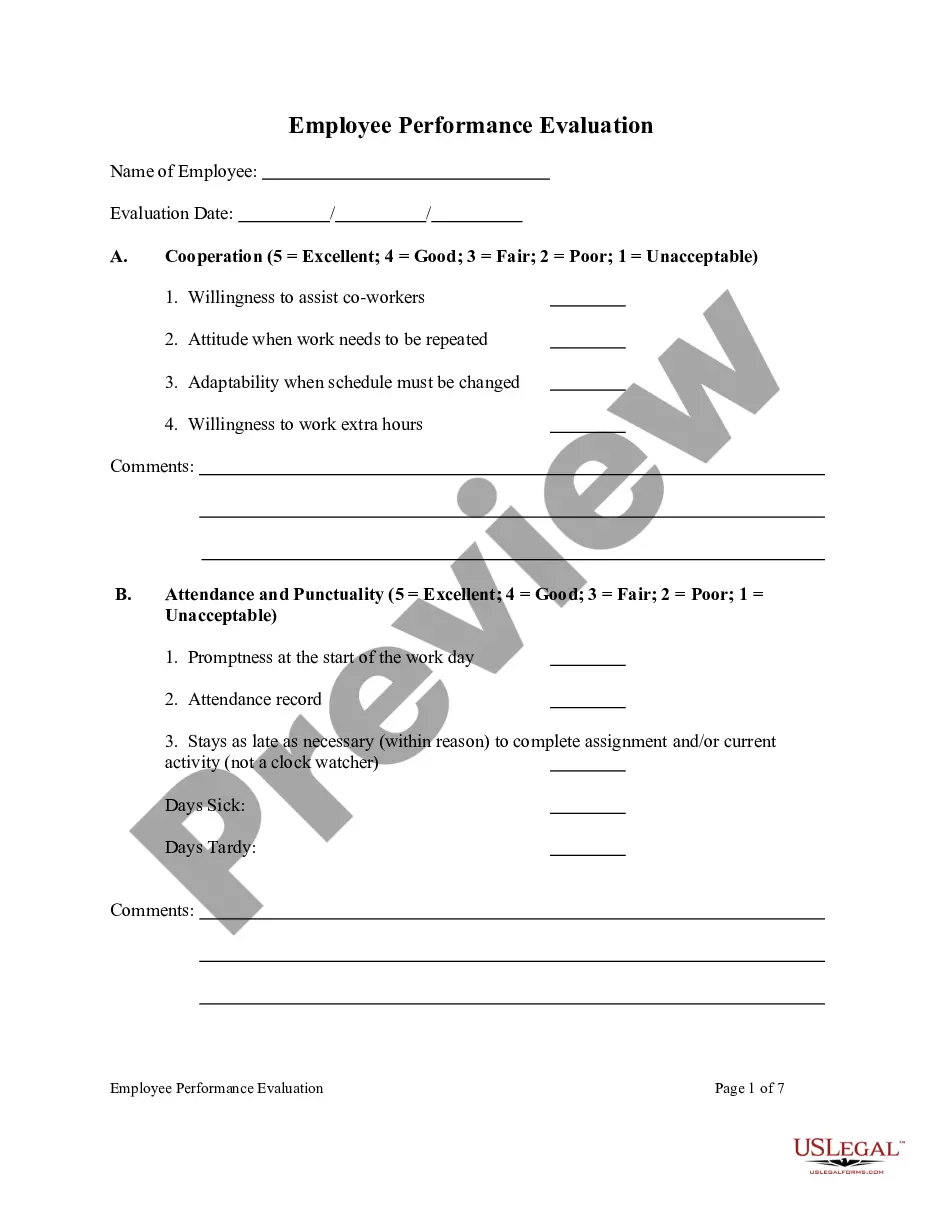
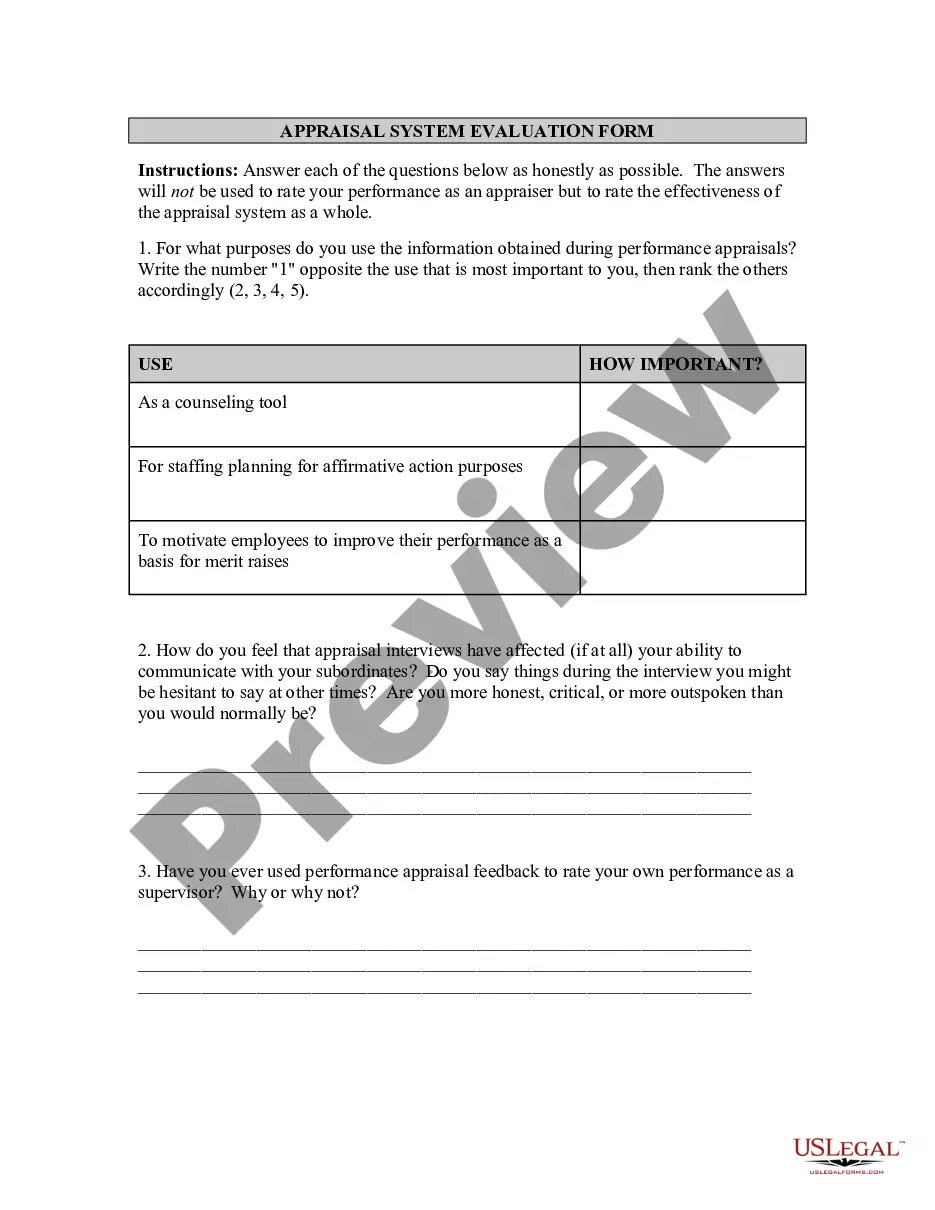
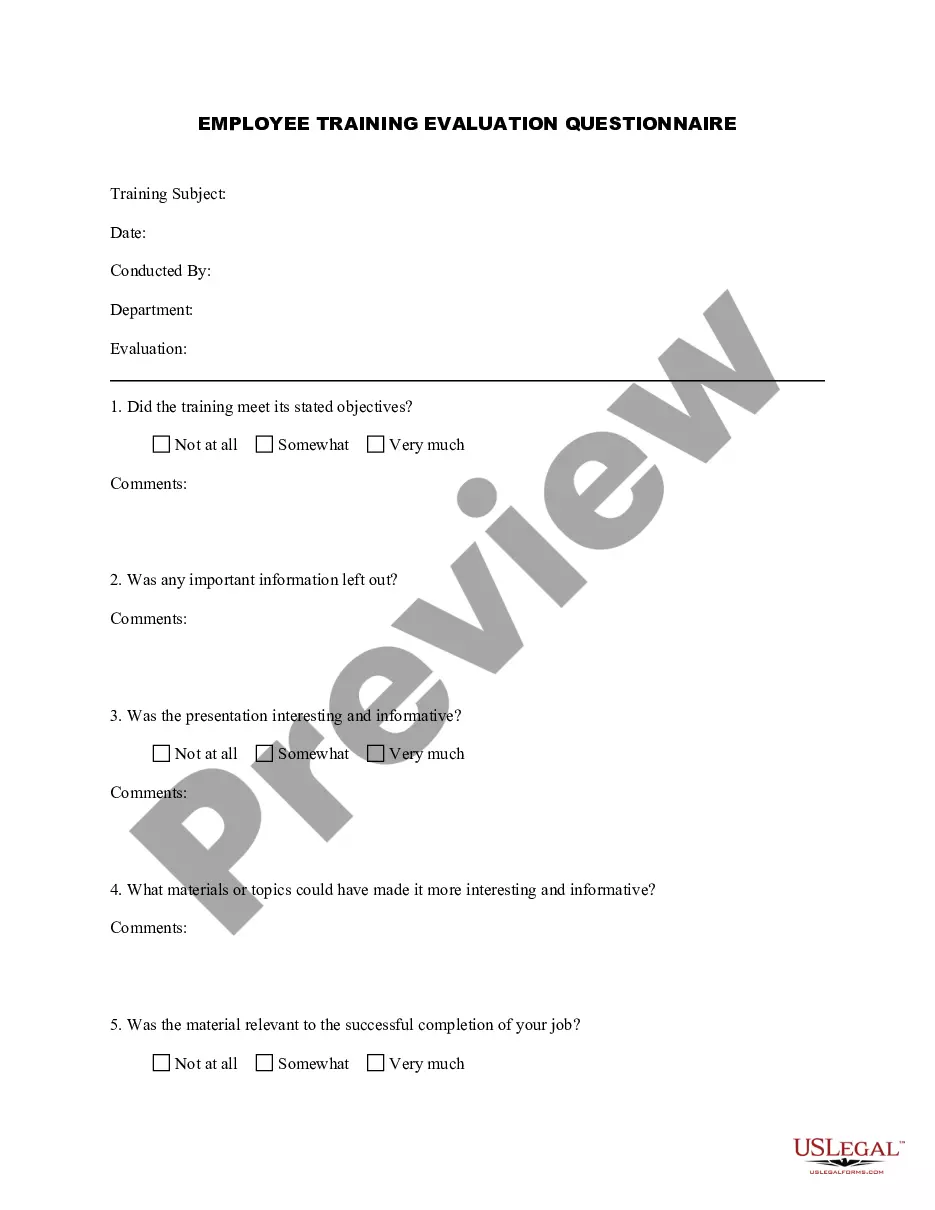
360 Degree Feedback Questionnaire For Employees In Queens
Description

Get your form ready online
Our built-in tools help you complete, sign, share, and store your documents in one place.
Make edits, fill in missing information, and update formatting in US Legal Forms—just like you would in MS Word.
Download a copy, print it, send it by email, or mail it via USPS—whatever works best for your next step.
Sign and collect signatures with our SignNow integration. Send to multiple recipients, set reminders, and more. Go Premium to unlock E-Sign.
If this form requires notarization, complete it online through a secure video call—no need to meet a notary in person or wait for an appointment.
We protect your documents and personal data by following strict security and privacy standards.

Make edits, fill in missing information, and update formatting in US Legal Forms—just like you would in MS Word.

Download a copy, print it, send it by email, or mail it via USPS—whatever works best for your next step.

Sign and collect signatures with our SignNow integration. Send to multiple recipients, set reminders, and more. Go Premium to unlock E-Sign.

If this form requires notarization, complete it online through a secure video call—no need to meet a notary in person or wait for an appointment.

We protect your documents and personal data by following strict security and privacy standards.
Looking for another form?







Form popularity
FAQ
So, for your feedback to be constructive without making things awkward, you can follow these steps: Be empathetic. The most important thing when giving feedback is to consider the receiving employee's reaction. Consider your position. Be objective. Include positive feedback. Constructive criticism. Give examples.
One of the key steps to report 360-degree feedback results is to communicate the purpose and benefits of the process to your clients and their employees. You should explain why they received 360-degree feedback, how it aligns with their goals and values, and how it can help them grow and succeed.
360-degree feedback is a method of employee performance assessment that gathers input and ratings from multiple stakeholders, including peers, managers, and direct reports.
How to design an effective 360 degree feedback questionnaire Identify the themes you want to measure. Create specific 360 questions based on your themes. Example 360 degree feedback questionnaire questions. Define your 360 degree feedback questionnaire rating scale. In conclusion.
Follow up on 360 feedback If you want to make the most of 360 feedback at work, then follow up on it. Even if it's just to thank people for their help, it creates a more positive experience for everyone. And that's important for a thriving workplace culture. But you also shouldn't be afraid to ask questions.
How to conduct 360 reviews Establish criteria for rating each employee. Invest time into developing useful, relevant questions that provide valuable insight. Choose who will assess each employee. Send surveys. Send the survey to the employee. Schedule the 360 evaluation. Review ratings with employee. Follow up on progress.
Open-ended questions for 360 degree feedback reviews What else would you like to share about this employee? What has this employee done particularly well? What would make this employee more effective in their role? What other comments do you have?
However, one of the main challenges of implementing 360-degree feedback is ensuring confidentiality. Confidentiality is essential for creating trust, honesty, and openness among the feedback providers and receivers.
10 Open-Ended 360-Degree Feedback Questions What would you say are this person's strengths? What is one thing this employee should start doing? What is one thing this employee should continue doing? What is one thing this employee should stop doing? How well does this person manage their time and workload?
360 Degree Feedback Examples for Time Management “John consistently meets deadlines and manages his time effectively, ensuring that projects are completed on schedule.” “Emily is skilled at prioritizing tasks and managing her workload, minimizing stress and maximizing productivity.”