360 Review Examples In Miami-Dade
Description

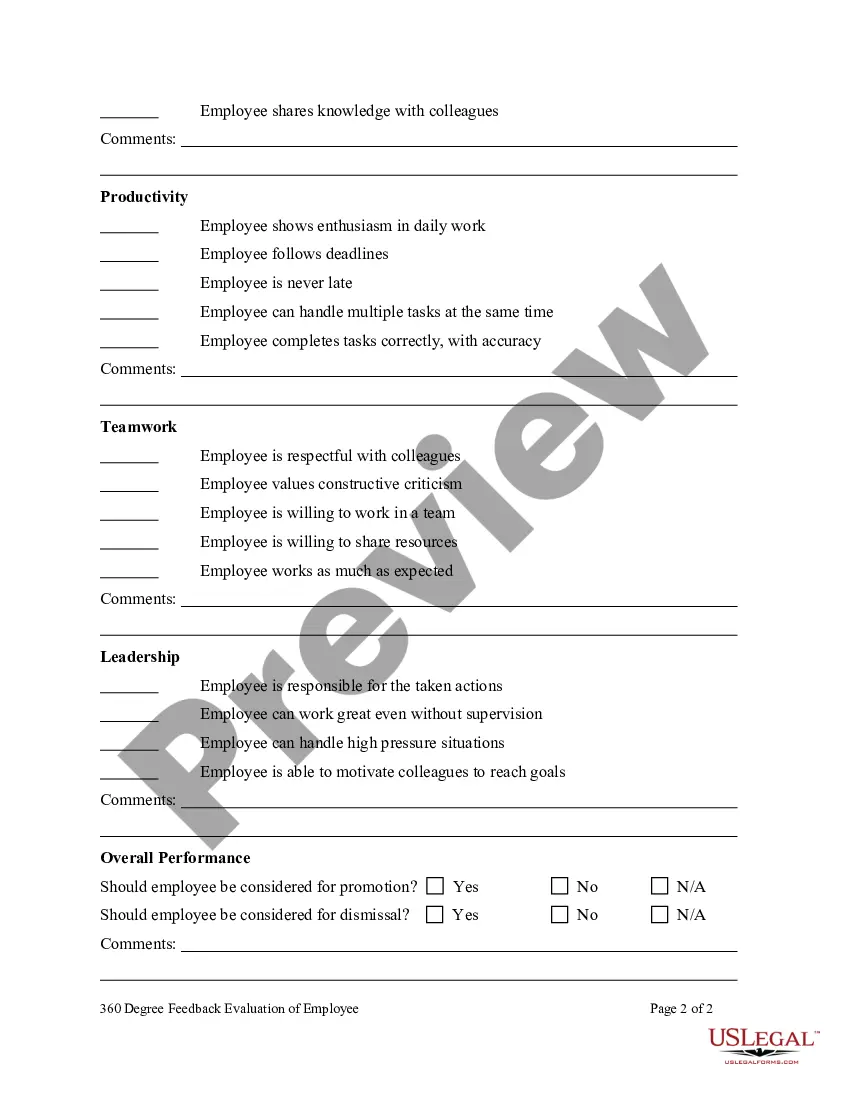
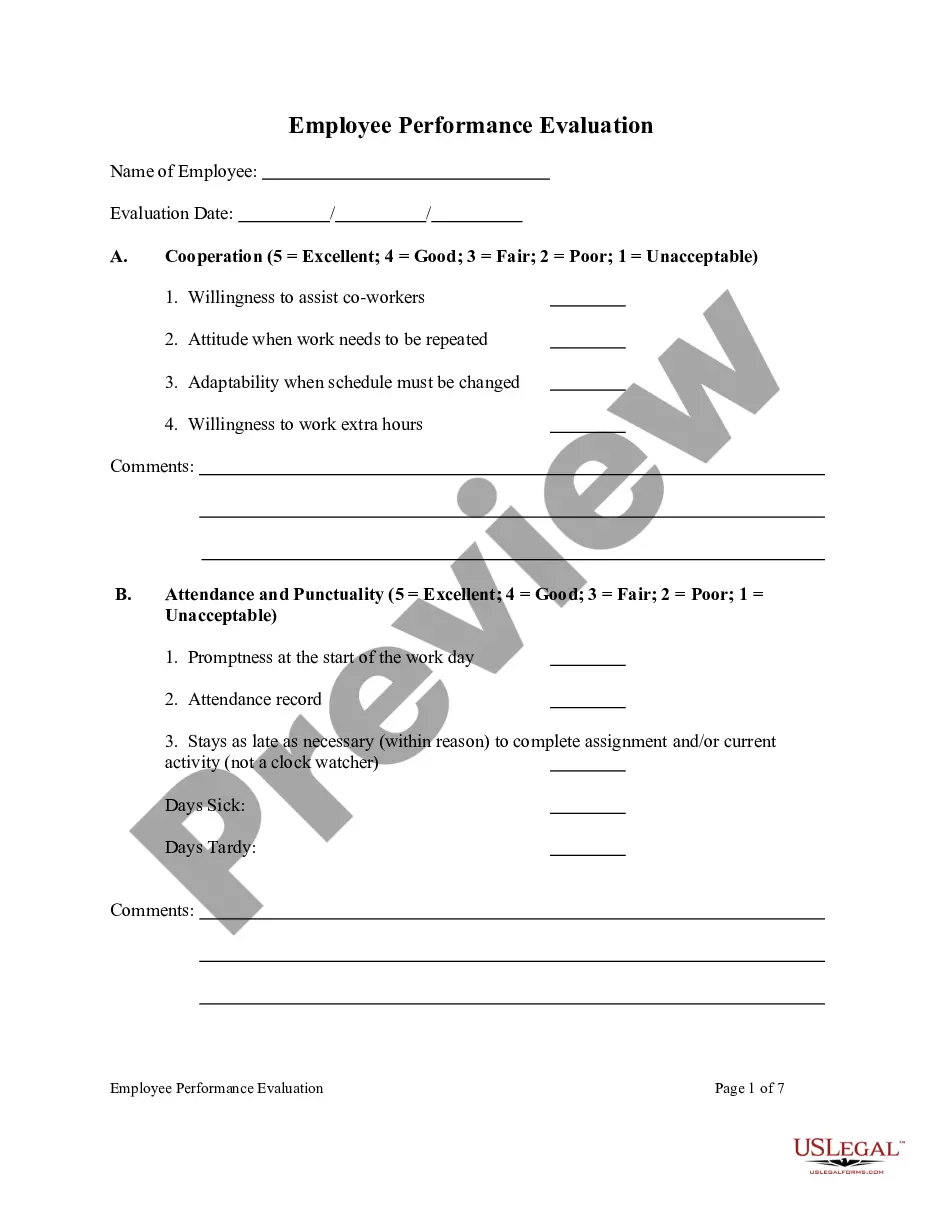
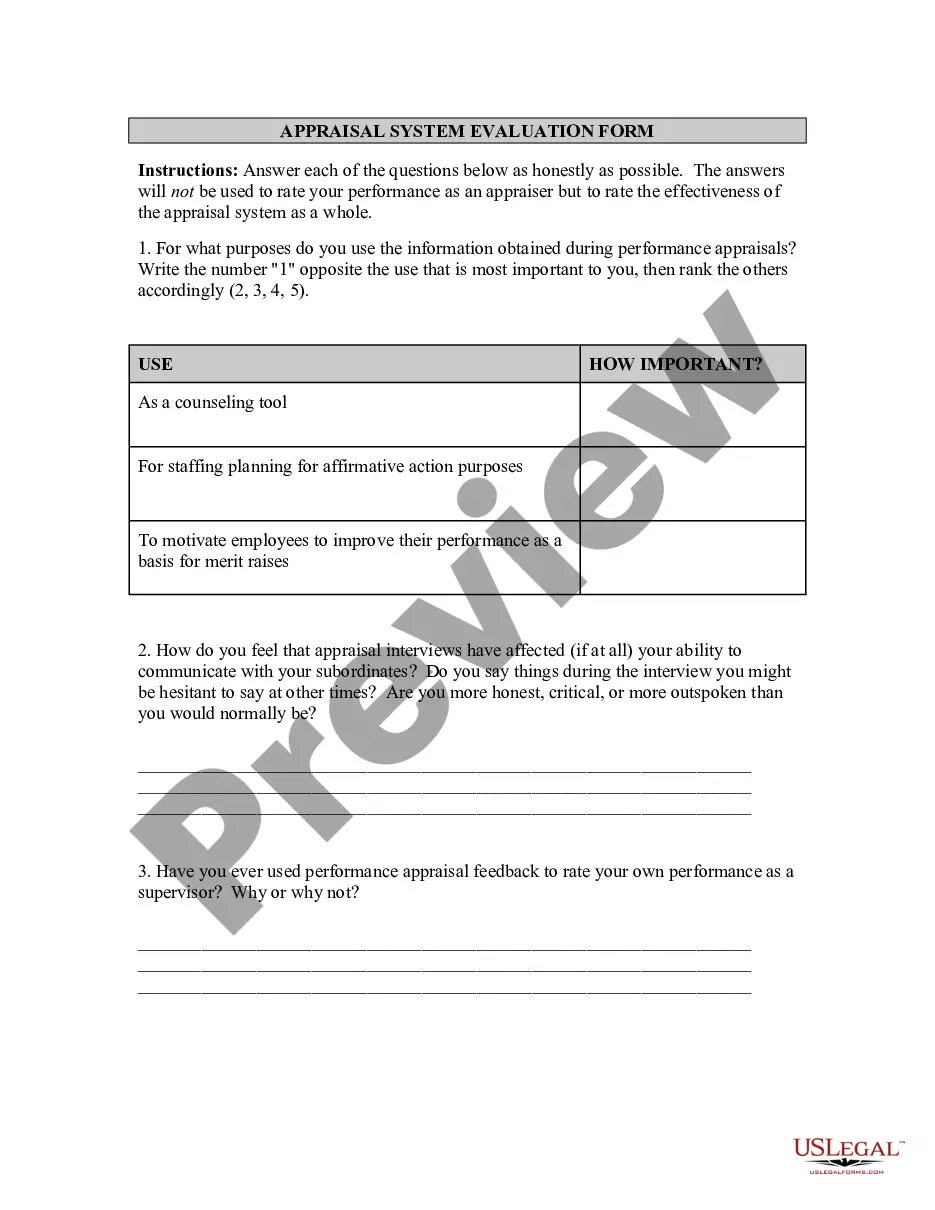
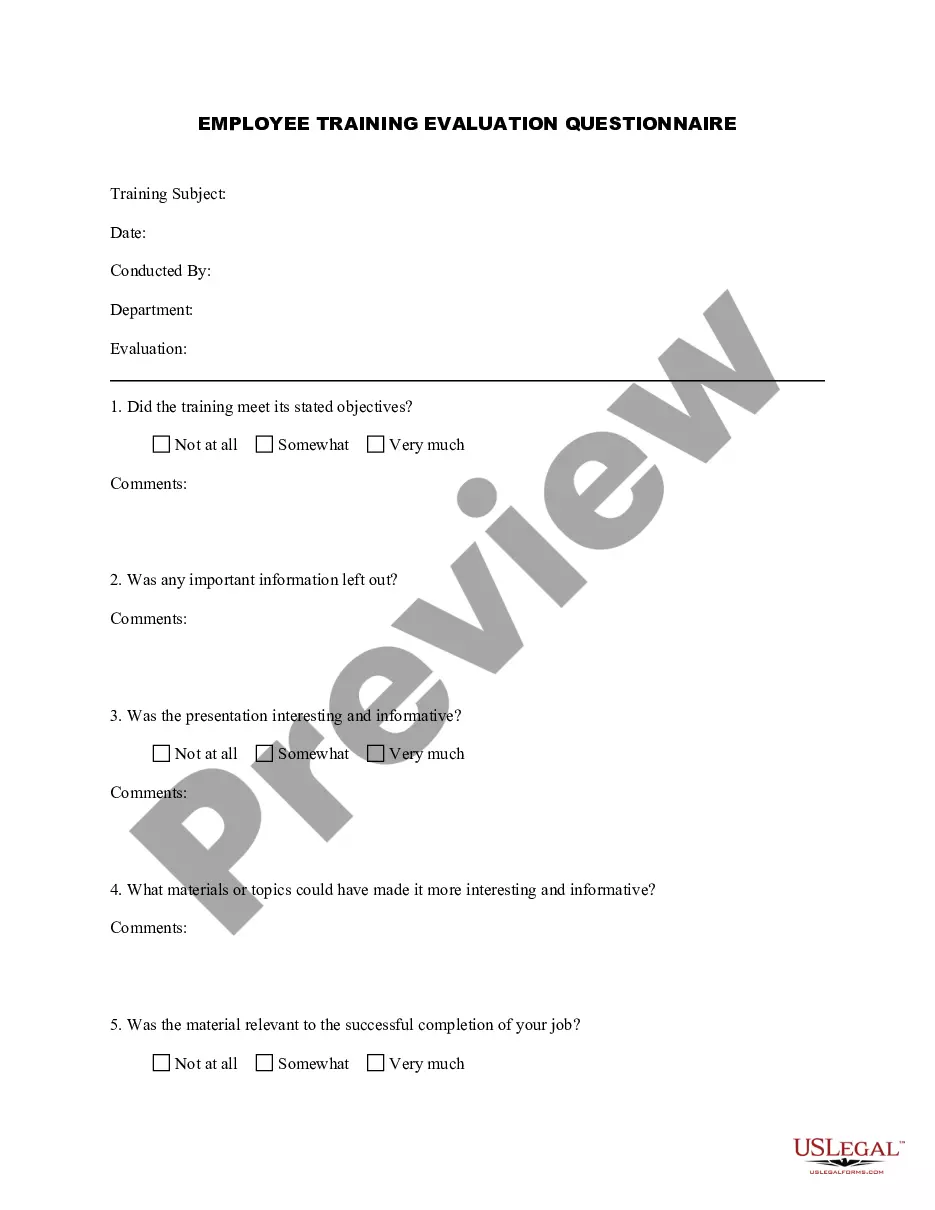
Get your form ready online
Our built-in tools help you complete, sign, share, and store your documents in one place.
Make edits, fill in missing information, and update formatting in US Legal Forms—just like you would in MS Word.
Download a copy, print it, send it by email, or mail it via USPS—whatever works best for your next step.
Sign and collect signatures with our SignNow integration. Send to multiple recipients, set reminders, and more. Go Premium to unlock E-Sign.
If this form requires notarization, complete it online through a secure video call—no need to meet a notary in person or wait for an appointment.
We protect your documents and personal data by following strict security and privacy standards.

Make edits, fill in missing information, and update formatting in US Legal Forms—just like you would in MS Word.

Download a copy, print it, send it by email, or mail it via USPS—whatever works best for your next step.

Sign and collect signatures with our SignNow integration. Send to multiple recipients, set reminders, and more. Go Premium to unlock E-Sign.

If this form requires notarization, complete it online through a secure video call—no need to meet a notary in person or wait for an appointment.

We protect your documents and personal data by following strict security and privacy standards.
Looking for another form?






Form popularity
FAQ
Reflect on your key accomplishments and contributions over the review period. Assess your performance against the goals, objectives, or key performance indicators (KPIs) set for your role. Identify areas where you demonstrated strong skills and competencies. Acknowledge any areas for improvement or development needs.
360 Degree Feedback Examples for Collaboration “Tom consistently offers to help with tasks outside of his responsibilities, showcasing his commitment to the team.” “Lily could improve her collaboration by actively seeking input from others and incorporating their ideas.”
Reflect on your key accomplishments and contributions over the review period. Assess your performance against the goals, objectives, or key performance indicators (KPIs) set for your role. Identify areas where you demonstrated strong skills and competencies. Acknowledge any areas for improvement or development needs.
Here are some things to keep in mind when writing performance evaluation comments: Review past and present performance. Be honest and clear. Provide concrete examples. Choose your words carefully. End on a positive note.
Here's a list of things to look out for: Keep away from personal issues and focus on work-related issues only. Be solution-oriented. Don't exaggerate the situation. Avoid implementing the Halo effectOpens in a new tab on your feedback. Watch your words.
Never discuss personality traits—especially negative ones. You can say, “You have a fabulous attitude.” But saying, “Your attitude isn't great” focuses on personality, not performance. Maybe your employee does have a bad attitude.
UNC Professor Elad Sherf recommends using the framework of the three Cs — Clarity, Contextual Meaning, and Composure — as a guide for turning every performance review into an opportunity to demonstrate empathy and help employees achieve lasting growth, learning, and improvement.
Be detailed, specific, and honest There's no rule against only writing a handful of words in a review, but the more specific you can be, the more likely the review is to be useful. We suggest writing from your own individual perspective, keeping it honest and sticking to the facts.
Positive 360 feedback examples The approach you have to resolving conflicts is commendable. Your active listening and tactful communication have helped to transform conflicts into opportunities for growth and team bonding.
7 steps for designing an effective 360 degree feedback review program Set clear goals. Train raters. Focus on natural strengths. Involve managers and leaders. Create buy-in and trust in the 360 development program. Know what to ask and how to ask it. Personalise the 360 degree feedback program to your organisation.
