Non Disclosure Form Meaning In Bronx
Description

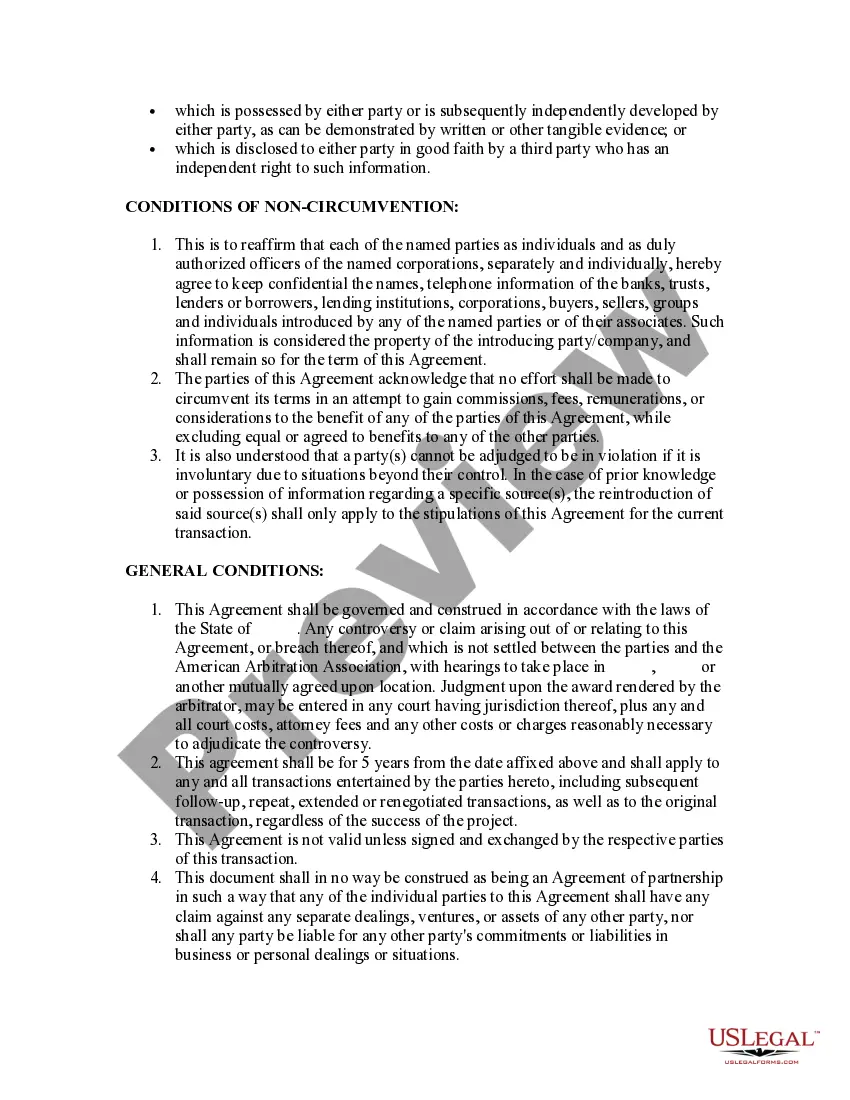
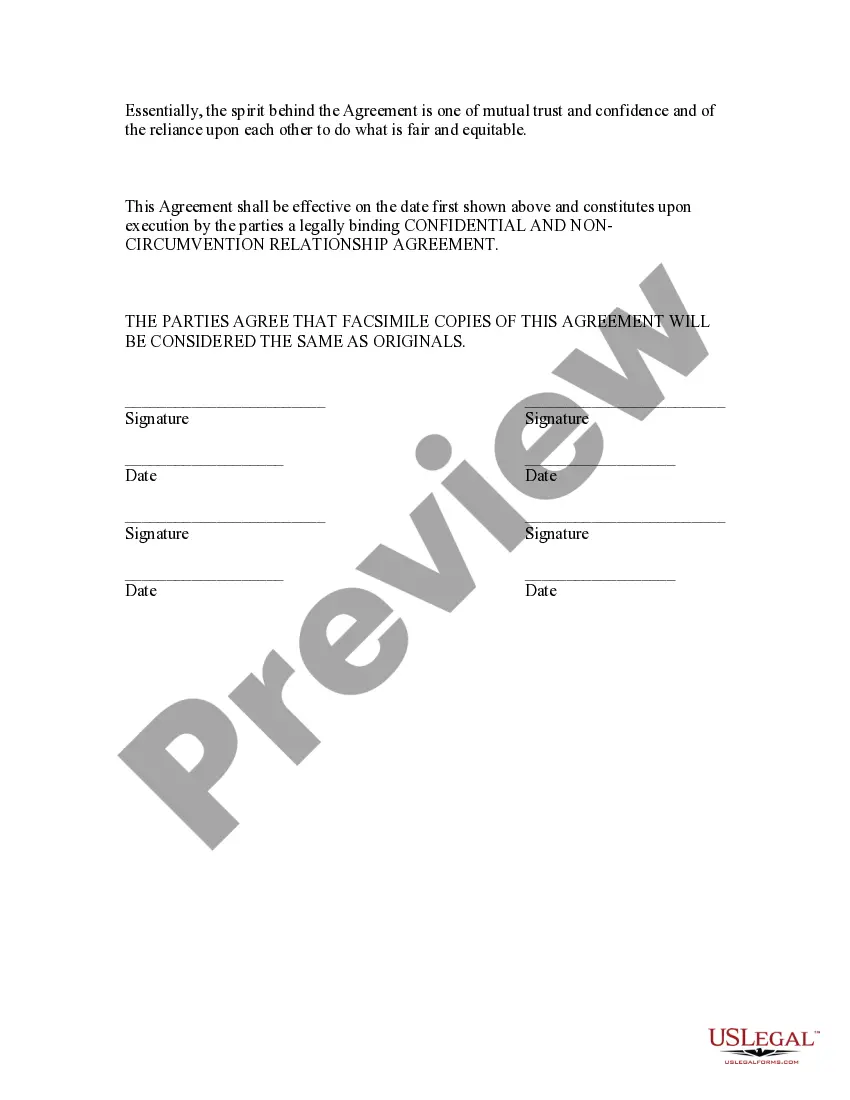
Get your form ready online
Our built-in tools help you complete, sign, share, and store your documents in one place.
Make edits, fill in missing information, and update formatting in US Legal Forms—just like you would in MS Word.
Download a copy, print it, send it by email, or mail it via USPS—whatever works best for your next step.
Sign and collect signatures with our SignNow integration. Send to multiple recipients, set reminders, and more. Go Premium to unlock E-Sign.
If this form requires notarization, complete it online through a secure video call—no need to meet a notary in person or wait for an appointment.
We protect your documents and personal data by following strict security and privacy standards.

Make edits, fill in missing information, and update formatting in US Legal Forms—just like you would in MS Word.

Download a copy, print it, send it by email, or mail it via USPS—whatever works best for your next step.

Sign and collect signatures with our SignNow integration. Send to multiple recipients, set reminders, and more. Go Premium to unlock E-Sign.

If this form requires notarization, complete it online through a secure video call—no need to meet a notary in person or wait for an appointment.

We protect your documents and personal data by following strict security and privacy standards.
Looking for another form?
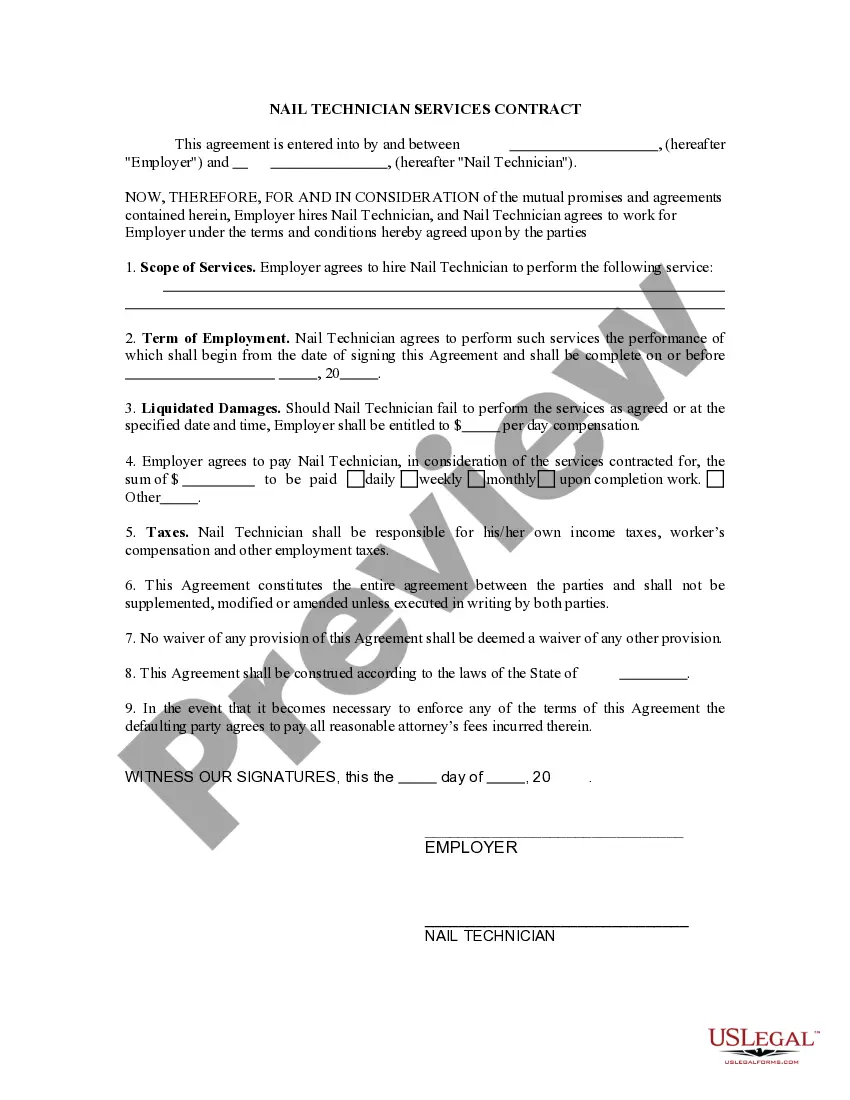
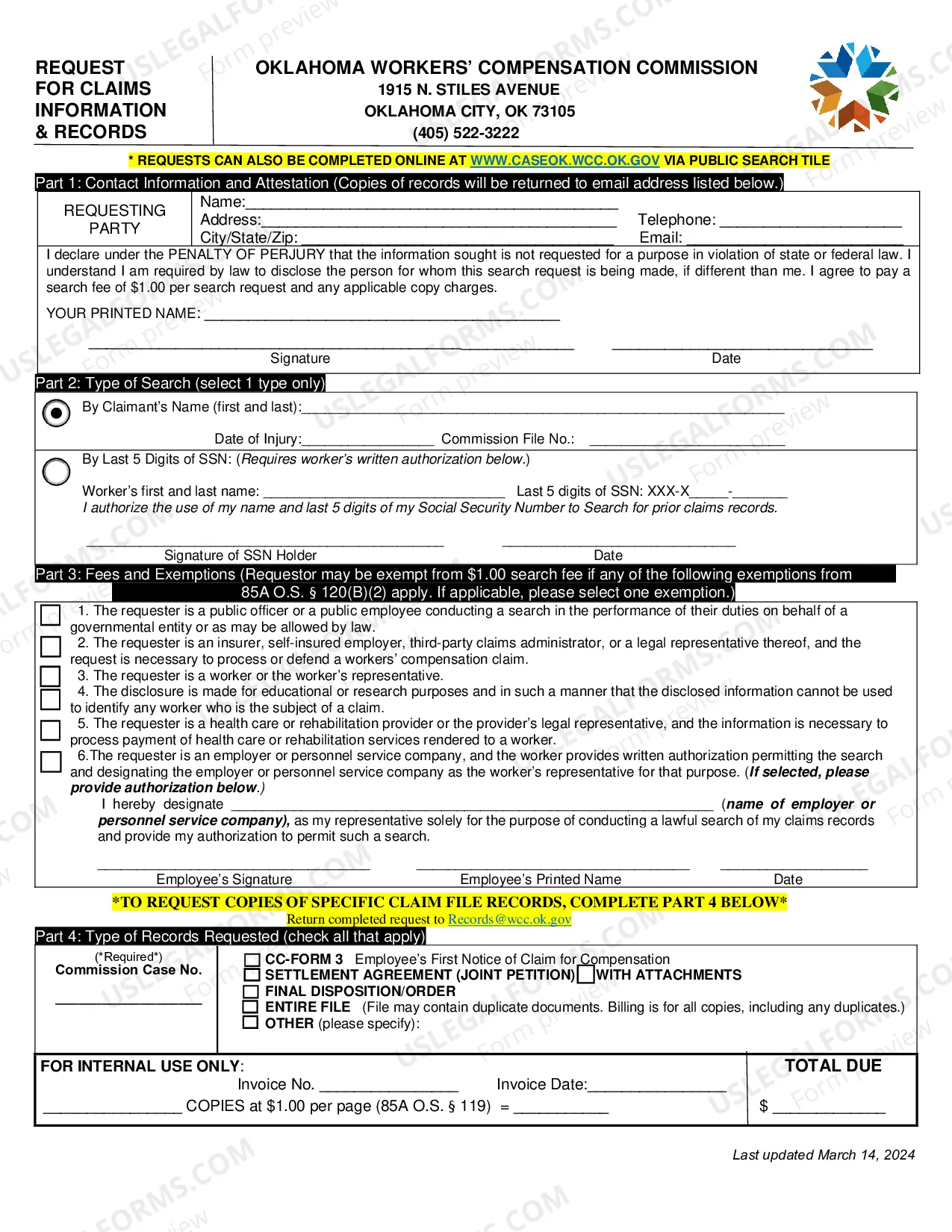


Form popularity
FAQ
You do not need a lawyer to create and sign a non-disclosure agreement. However, if the information you are trying to protect is important enough to warrant an NDA, you may want to have the document reviewed by someone with legal expertise.
With all of that said, if you still feel it's worth getting people to sign an NDA, there's a really great way to ask someone politely to do it. Say this: "In the interest of maintaining good governance with future investors, we're asking that anyone closely involved with this project at this early stage sign an NDA."
You don't need a lawyer to create the agreement, but you may need someone with legal expertise to review it. We recommend consulting with a legal expert to ensure your agreement fully protects your organisation's interests when the document is first created.
Now, NDAs preventing the disclosure of factual information relating to any future claim of discrimination are void and unenforceable with respect to contractors as well, unless the NDA makes clear that the individual is not prohibited from speaking to law enforcement, the Equal Employment Opportunity Commission, the ...
An NDA is a legal agreement which defines information that the parties wish to protect from dissemination and outlines restrictions on use. NDAs are also valuable to protect the ability to patent an invention, something that can be compromised if a disclosure of the invention becomes public knowledge.
Noun. formal. the failure to reveal or disclose information, esp in a court of law. the nondisclosure of his medical condition.
Purpose of NDAs NDAs create a contractual framework for sharing confidential information between a disclosing and a receiving party. They specify the types of information deemed confidential and set restrictions on how this information can be used and shared.
NDAs are generally required when two companies enter into discussions about doing business together but want to protect their interests and the details of any potential deal. The language of the NDA forbids all involved from releasing information regarding any business processes or plans of the other party or parties.
Individuals or businesses may use NDAs to safeguard their IP, including inventions, designs, and creative works, when discussing these assets with potential partners, investors, or collaborators. This could be crucial for young businesses or startups.
NDAs are enforceable when they are signed — if they are properly drafted and executed. NDAs are enforceable once signed, provided they have been drafted and executed properly. Unilateral NDAs need only the signature of the receiving party, whereas mutual non-disclosure agreements need the signatures of both parties.
