Special Meeting Sample For Board In Queens
Description



Get your form ready online
Our built-in tools help you complete, sign, share, and store your documents in one place.
Make edits, fill in missing information, and update formatting in US Legal Forms—just like you would in MS Word.
Download a copy, print it, send it by email, or mail it via USPS—whatever works best for your next step.
Sign and collect signatures with our SignNow integration. Send to multiple recipients, set reminders, and more. Go Premium to unlock E-Sign.
If this form requires notarization, complete it online through a secure video call—no need to meet a notary in person or wait for an appointment.
We protect your documents and personal data by following strict security and privacy standards.

Make edits, fill in missing information, and update formatting in US Legal Forms—just like you would in MS Word.

Download a copy, print it, send it by email, or mail it via USPS—whatever works best for your next step.

Sign and collect signatures with our SignNow integration. Send to multiple recipients, set reminders, and more. Go Premium to unlock E-Sign.

If this form requires notarization, complete it online through a secure video call—no need to meet a notary in person or wait for an appointment.

We protect your documents and personal data by following strict security and privacy standards.
Looking for another form?
Form popularity
FAQ
There are 12 Community Districts in the Bronx, 18 in Brooklyn, 12 in Manhattan, 14 in Queens and 3 in Staten Island.
CBs assess the needs of their community members and meet with City agencies to make recommendations in the City's budget process. Addressing other community concerns. Any issue that affects part or all of a community, from a traffic problem to deteriorating housing, is a proper concern of community boards.
What does the Community Board do? The Community Board is the official municipal body whose primary mission is to advise elected officials and government agencies on matters affecting the good and welfare of the district. Queens Community Board 1 meets on the second Tuesday of each month, except during July and August.
There are a few ways to make board meetings more fun. One way is to introduce interactive activities that engage the team and encourage collaboration. For example, you could have members of the board participate in an icebreaker game or brainstorming session to get everyone's creative juices flowing.
Boards have an important advisory role in dealing with land use and zoning matters, the City budget, municipal service delivery and many other matters relating to their communities' welfare.
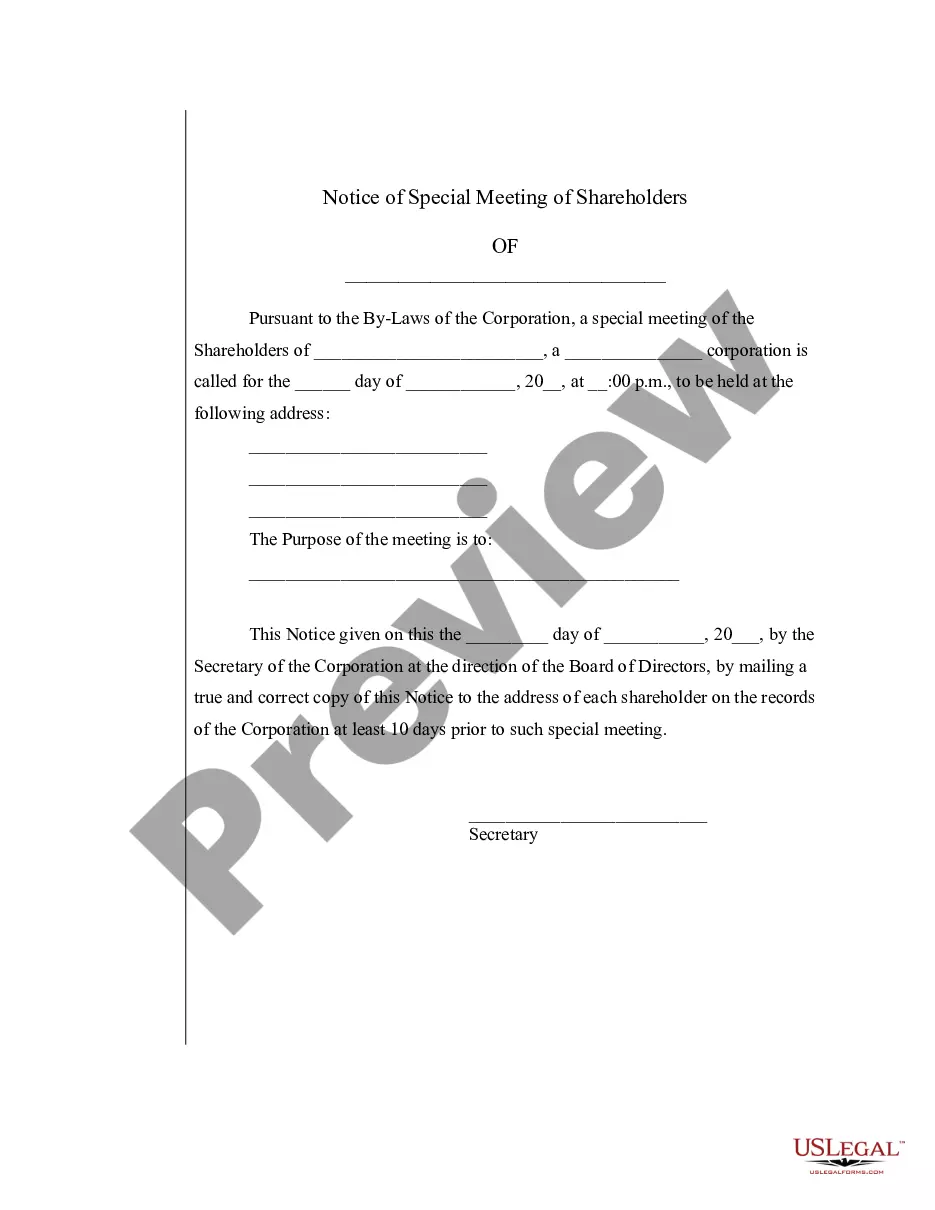
In contrast, a special board meeting is a meeting that is not scheduled well in advance and is called by someone – authorized either under the law or the organization's bylaws – for a special purpose.
In addition to specifying the date, time and location of the meeting, special meeting notices should make note of all agenda items. Unless the bylaws indicate something different, board members should only be discussing the business that was stated in the notice for the special meeting.
An Extraordinary General Meeting (EGM) is an urgent meeting called to address pressing company issues or emergencies. These matters require the immediate attention of the board, shareholders and senior company executives.
The types of board meetings include (a) open board meetings, (b) executive session meetings, and (c) emergency meetings. The type of meeting being held impacts: The notice and agenda requirements the association must satisfy prior to the meeting being held.
Occasionally, special meetings need to be called because of an urgent or special matter. ing to Robert's Rules of Order, special meetings always require previous notice. Here are a few valid reasons for calling a special meeting: An urgent matter needs to be dealt with before the next regular meeting.