Letter For Money Refund In Broward
Description
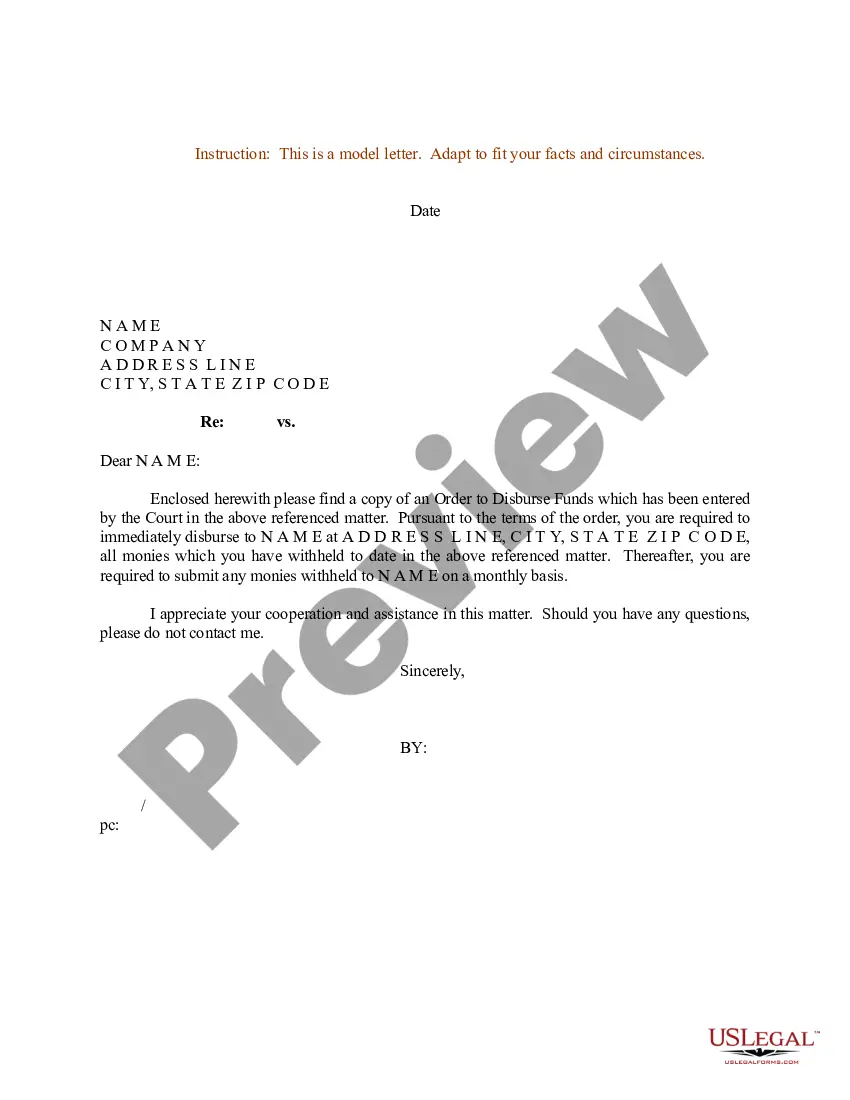
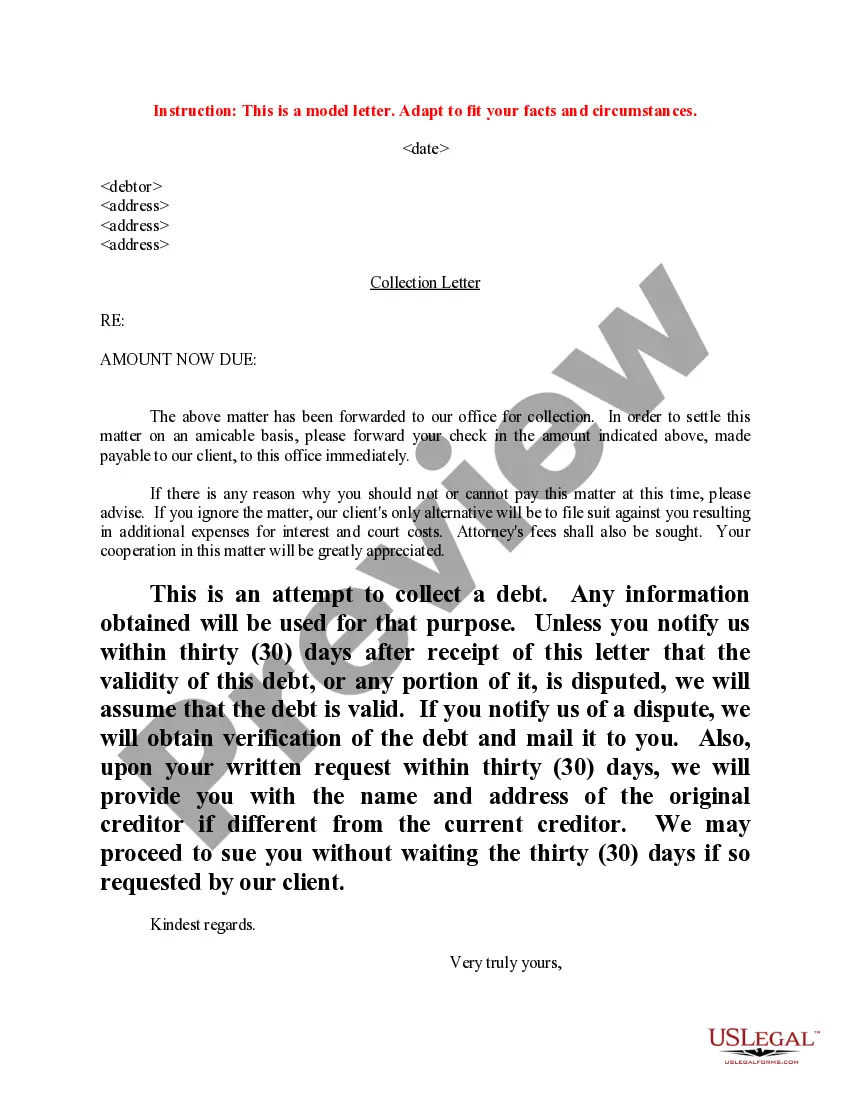
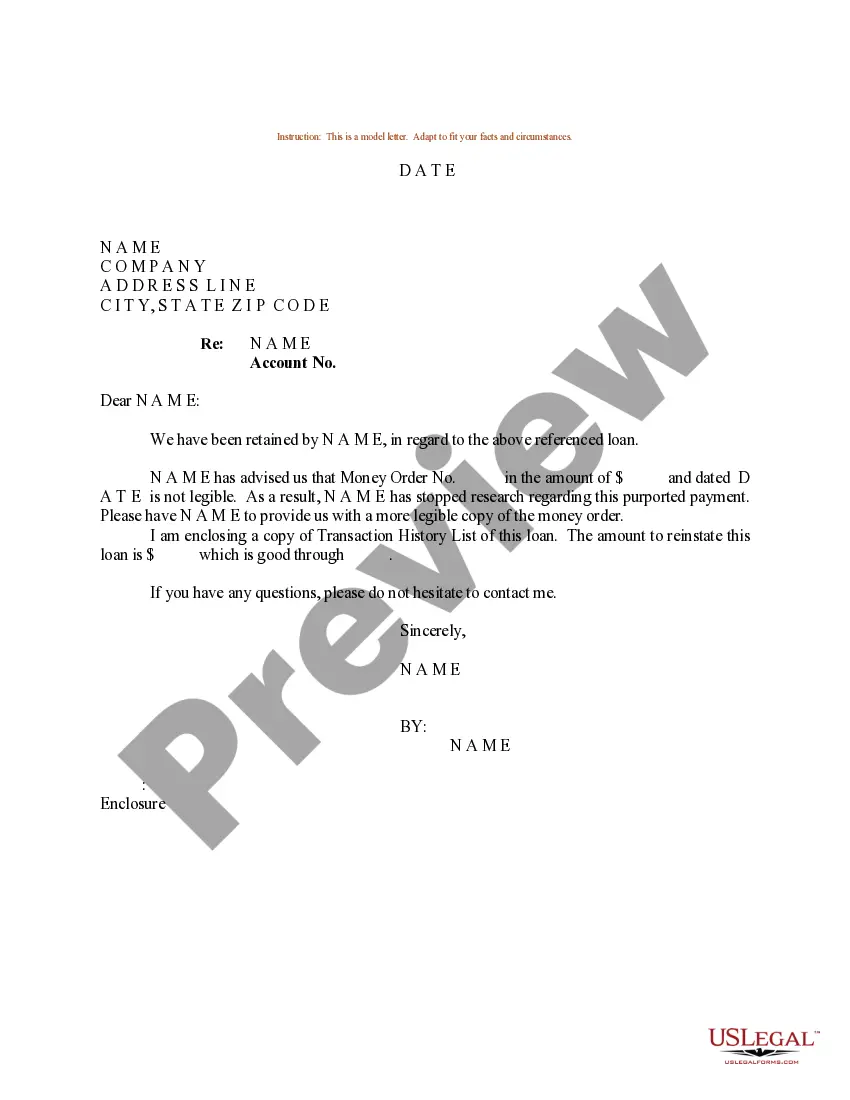
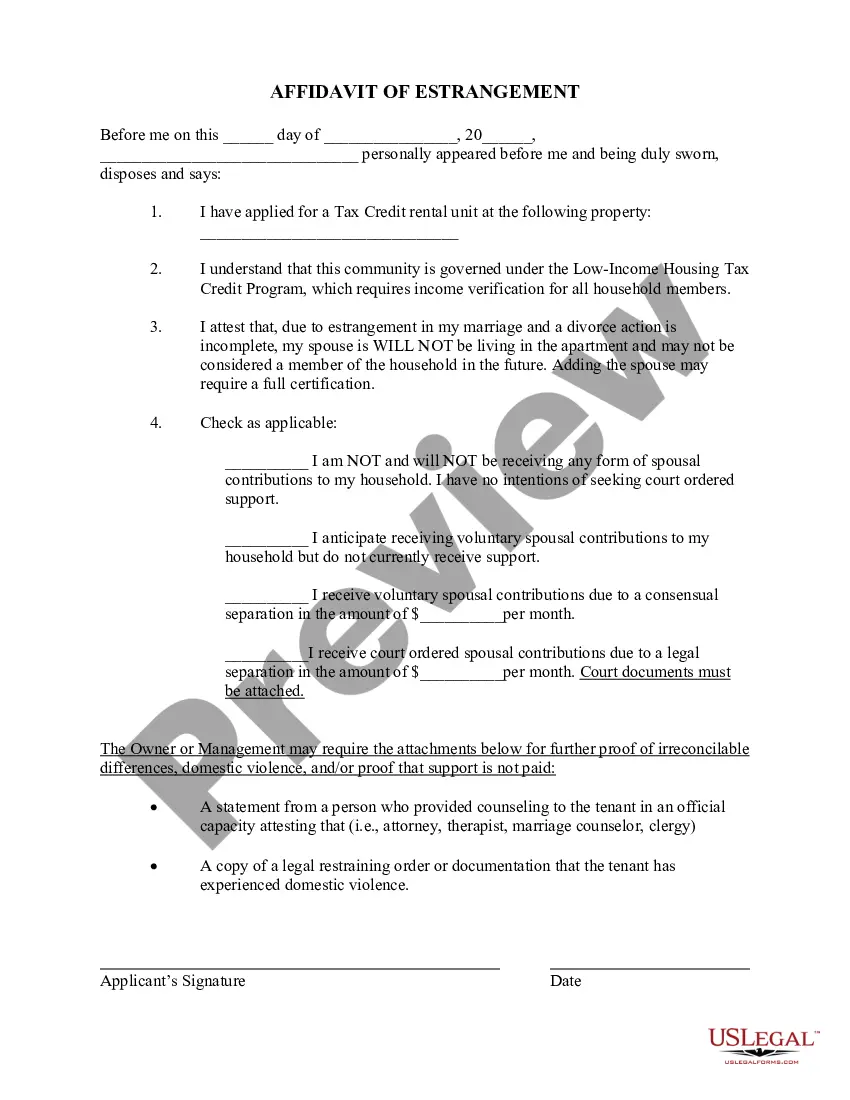
Get your form ready online
Our built-in tools help you complete, sign, share, and store your documents in one place.
Make edits, fill in missing information, and update formatting in US Legal Forms—just like you would in MS Word.
Download a copy, print it, send it by email, or mail it via USPS—whatever works best for your next step.
Sign and collect signatures with our SignNow integration. Send to multiple recipients, set reminders, and more. Go Premium to unlock E-Sign.
If this form requires notarization, complete it online through a secure video call—no need to meet a notary in person or wait for an appointment.
We protect your documents and personal data by following strict security and privacy standards.

Make edits, fill in missing information, and update formatting in US Legal Forms—just like you would in MS Word.

Download a copy, print it, send it by email, or mail it via USPS—whatever works best for your next step.

Sign and collect signatures with our SignNow integration. Send to multiple recipients, set reminders, and more. Go Premium to unlock E-Sign.

If this form requires notarization, complete it online through a secure video call—no need to meet a notary in person or wait for an appointment.

We protect your documents and personal data by following strict security and privacy standards.
Looking for another form?








Form popularity
FAQ
If you don't have internet, call the automated refund hotline at 800-829-1954 for a current-year refund or 866-464-2050 for an amended return. For prior-year refunds, check Where's My Refund.
If you believe you overpaid your property taxes, you may be eligible for a refund. See sec�on 197.182, Florida Statutes (F.S.). If you believe you have overpaid your property taxes (for real property and tangible personal property), you may be eligible for a refund.
If you believe you have overpaid your property taxes (for real property and tangible personal property), you may be eligible for a refund. To apply for a refund, complete an Applicafion for Refund of Ad Valorem Taxes (Form DR-462) and submit it to your county tax collector.
You are 65 years of age, or older, on January 1; You qualify for, and receive, the Florida Homestead Exemption; Your total 'Household Adjusted Gross Income' for everyone who lives on the property cannot exceed statutory limits.
The state and local income tax (SALT) deduction allows you to deduct up to $10,000 ($5,000 if married filing separately) for a combination of property taxes and either state and local income taxes or sales taxes. Renters might qualify for a property tax deduction or a property tax credit on their state taxes.
A Florida resident who owns a dwelling and makes it his/her permanent legal residence is eligible to apply for homestead exemption.
A person can file a quitclaim deed by (1) entering the relevant information on a quitclaim deed form, (2) signing the deed with two witnesses and a notary, and (3) recording the deed at the county comptroller's office. In Florida, quitclaim deeds must have the name and address of both the grantor and the grantee.

