Sample Money Order Form With Answer In Arizona
Description
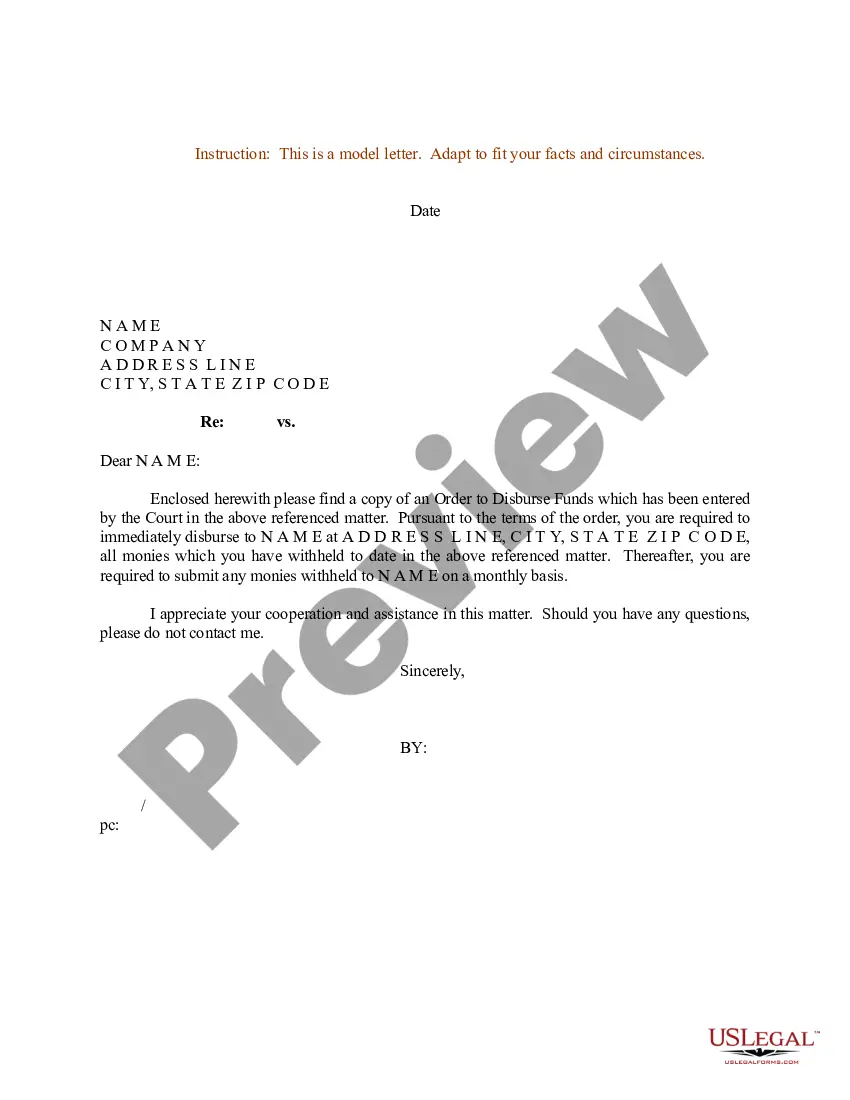
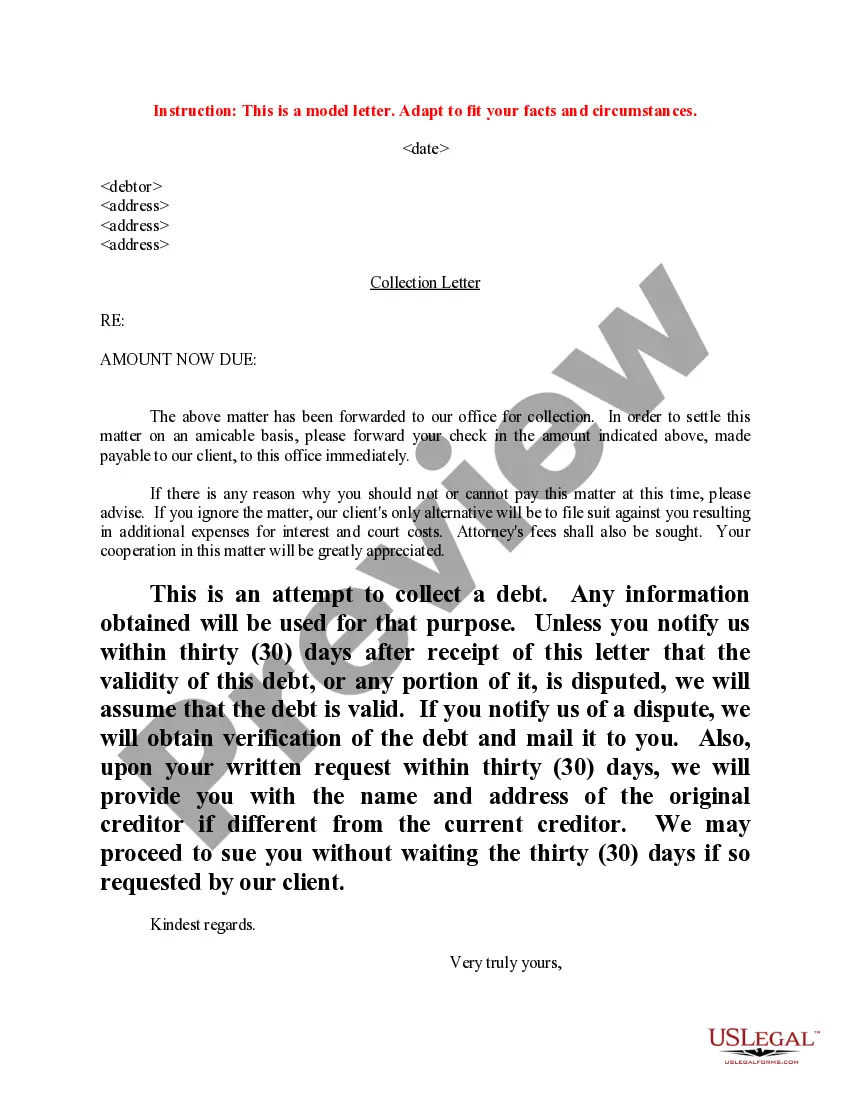
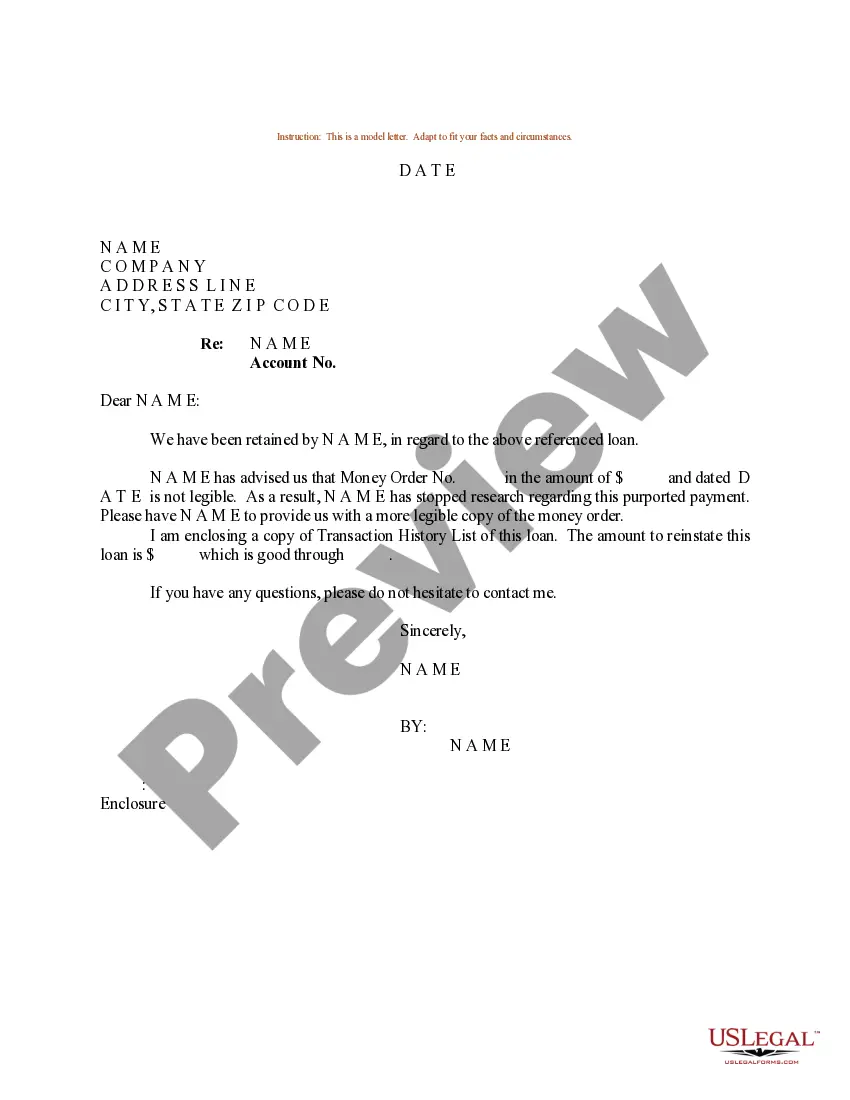
Get your form ready online
Our built-in tools help you complete, sign, share, and store your documents in one place.
Make edits, fill in missing information, and update formatting in US Legal Forms—just like you would in MS Word.
Download a copy, print it, send it by email, or mail it via USPS—whatever works best for your next step.
Sign and collect signatures with our SignNow integration. Send to multiple recipients, set reminders, and more. Go Premium to unlock E-Sign.
If this form requires notarization, complete it online through a secure video call—no need to meet a notary in person or wait for an appointment.
We protect your documents and personal data by following strict security and privacy standards.

Make edits, fill in missing information, and update formatting in US Legal Forms—just like you would in MS Word.

Download a copy, print it, send it by email, or mail it via USPS—whatever works best for your next step.

Sign and collect signatures with our SignNow integration. Send to multiple recipients, set reminders, and more. Go Premium to unlock E-Sign.

If this form requires notarization, complete it online through a secure video call—no need to meet a notary in person or wait for an appointment.

We protect your documents and personal data by following strict security and privacy standards.
Looking for another form?







Form popularity
FAQ
Anyone can send a cease and desist letter. An attorney does not have to be involved. However, an attorney can advise complainants on whether their rights have been violated and if they have legal and meritorious rights to send a cease and desist letter.
You can serve it via mail, email, an attorney and, in some cases, in person. However you choose to serve the letter, keep a record of delivery and receipt by the offending party. If you are sending the cease-and-desist letter yourself, send it via certified mail so that you have a record of delivery.
A party begins a civil contempt proceeding by filing a petition that recites the essential facts alleged to be contemptuous. The petition must comply with this rule and Rules 91(b), (c), (e), and (h).
Every cease and desist letter requires the same basic contents, such as: Your name and address. The recipient's name and address. A demand that the recipient stop the unlawful behavior. Sending the letter via certified mail, return receipt requested.
Apply, through the attorney general or through the county, city or town attorney of the county, city or town in which the act, practice or transaction is alleged to have been committed, to the superior court in that county for an injunction restraining the person from engaging in the act, practice or transaction, or ...
Any claim that is not filed within 180 DAYS after the cause of action accrues is barred, and no action may be maintained thereon.
A petition for an injunction against harassment may be filed with any judicial officer – whether a magistrate, a justice of the peace, or a superior court judge – at any court in Arizona.
Printing your checks on regular paper is technically possible, but it's not recommended for several reasons. To prevent fraud, different security measures, such as microprinting and watermarks, are included on standard check stock paper. Regular paper lacks these features, making your checks more liable to fraud.
When drafting an answer, one must: (1) follow the local, state, and federal court rules; (2) research the legal claims in the adversary's complaint; (3) respond to the adversary's factual allegations; and (4) assert affirmative defenses, counterclaims, cross-claims, or third-party claims, if applicable.
On a separate page or pages, write a short and plain statement of the answer to the allegations in the complaint. Number the paragraphs. The answer should correspond to each paragraph in the complaint, with paragraph 1 of the answer corresponding to paragraph 1 of the complaint, etc.

