Vendor Agreement Form In Texas
Description
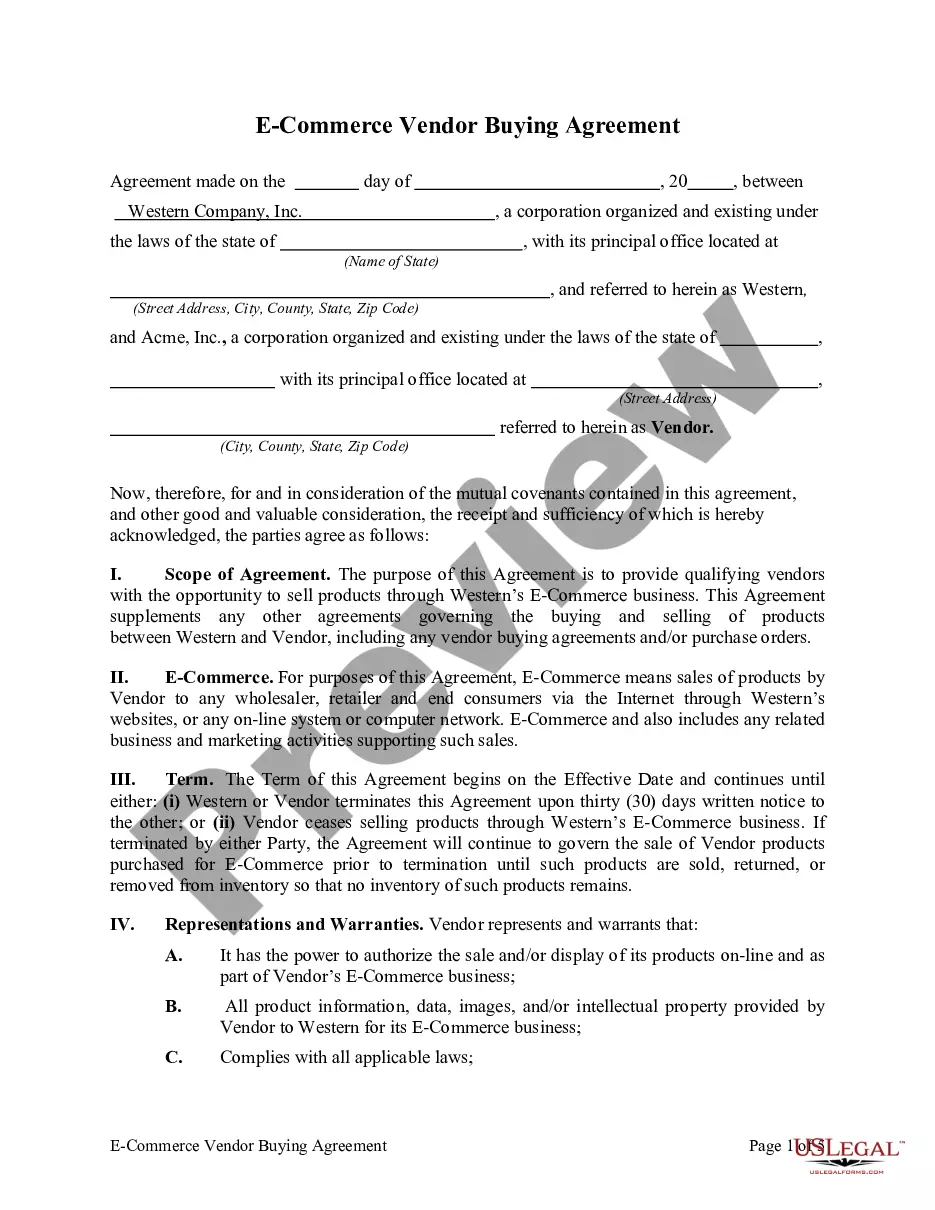
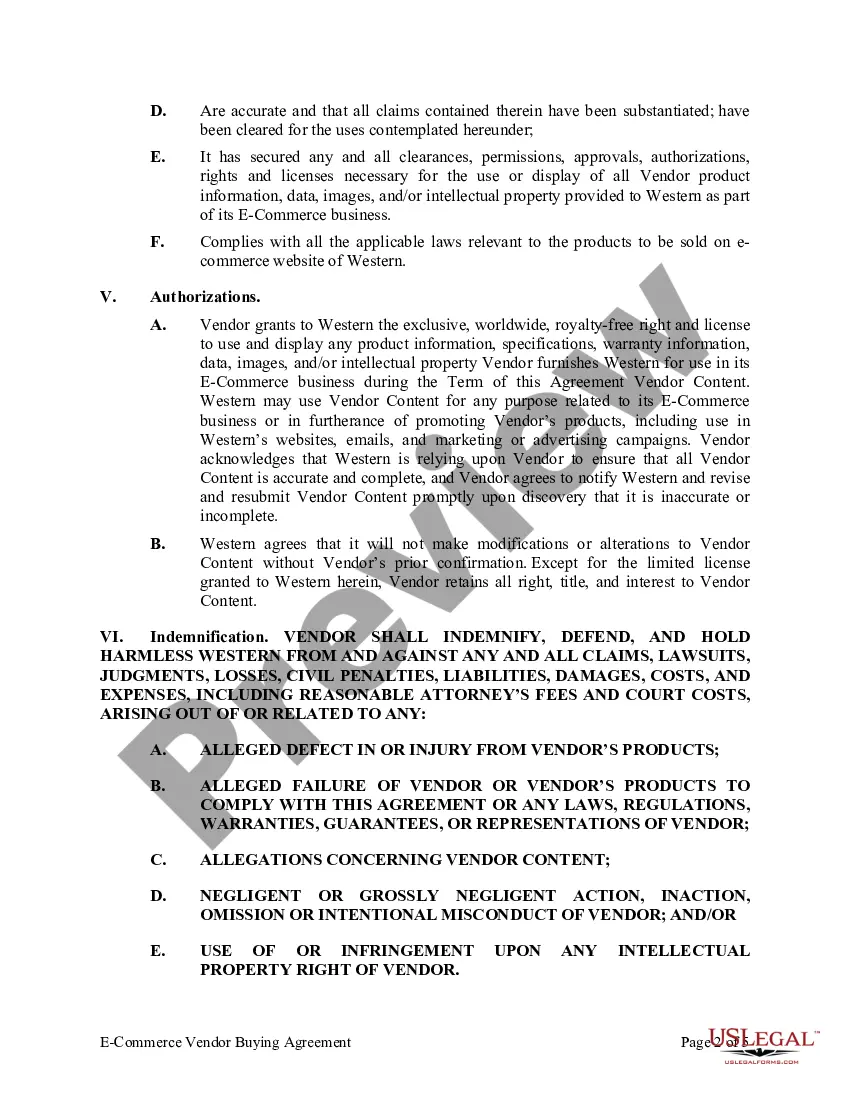
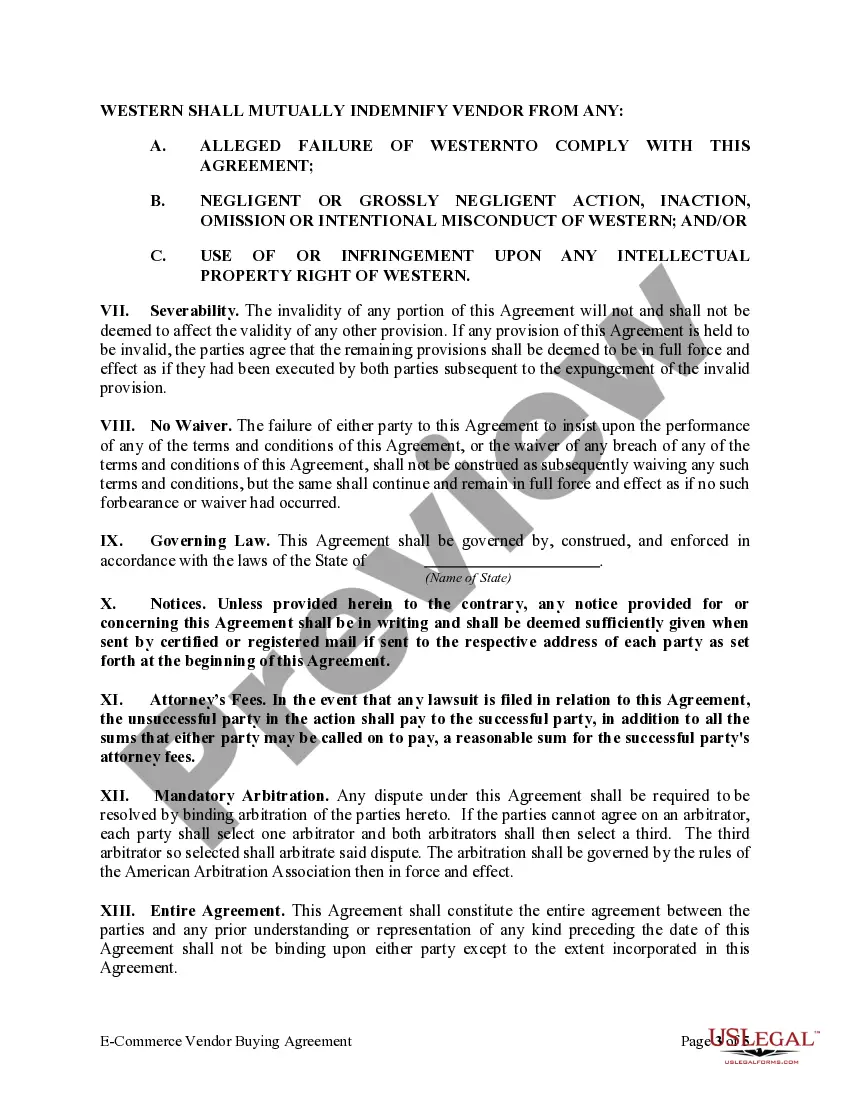
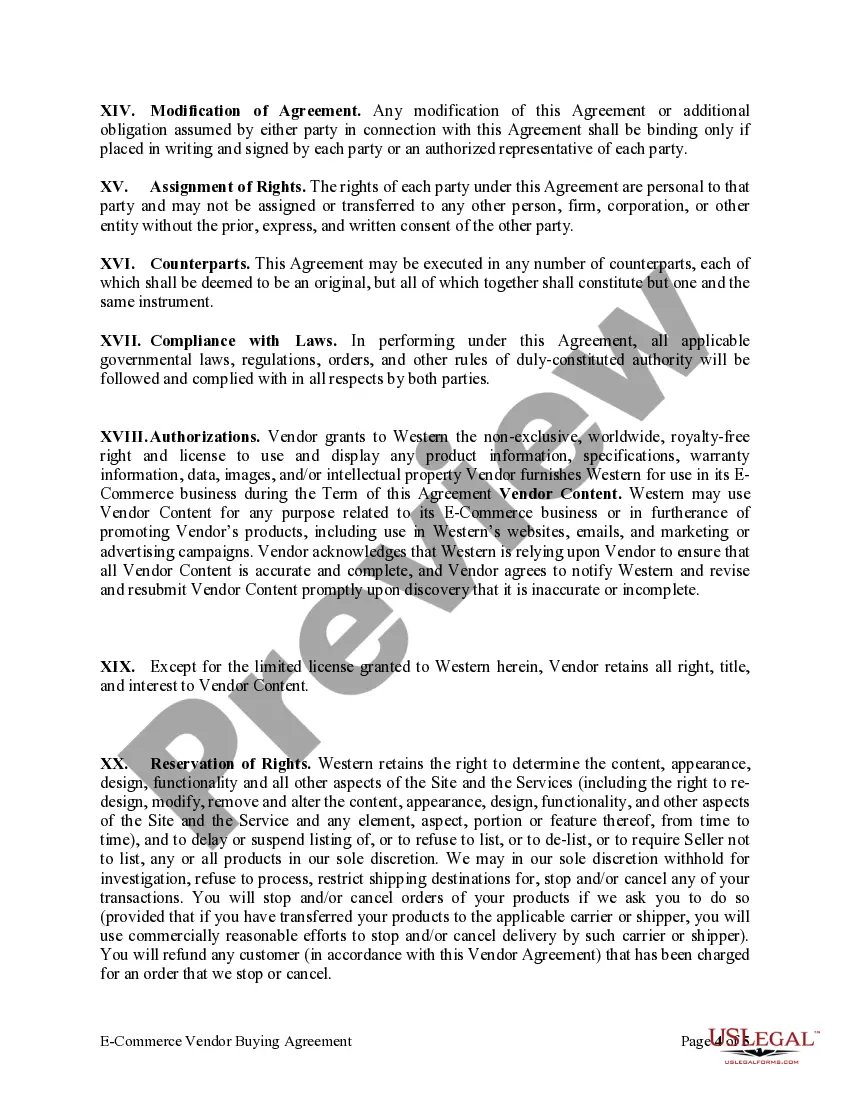
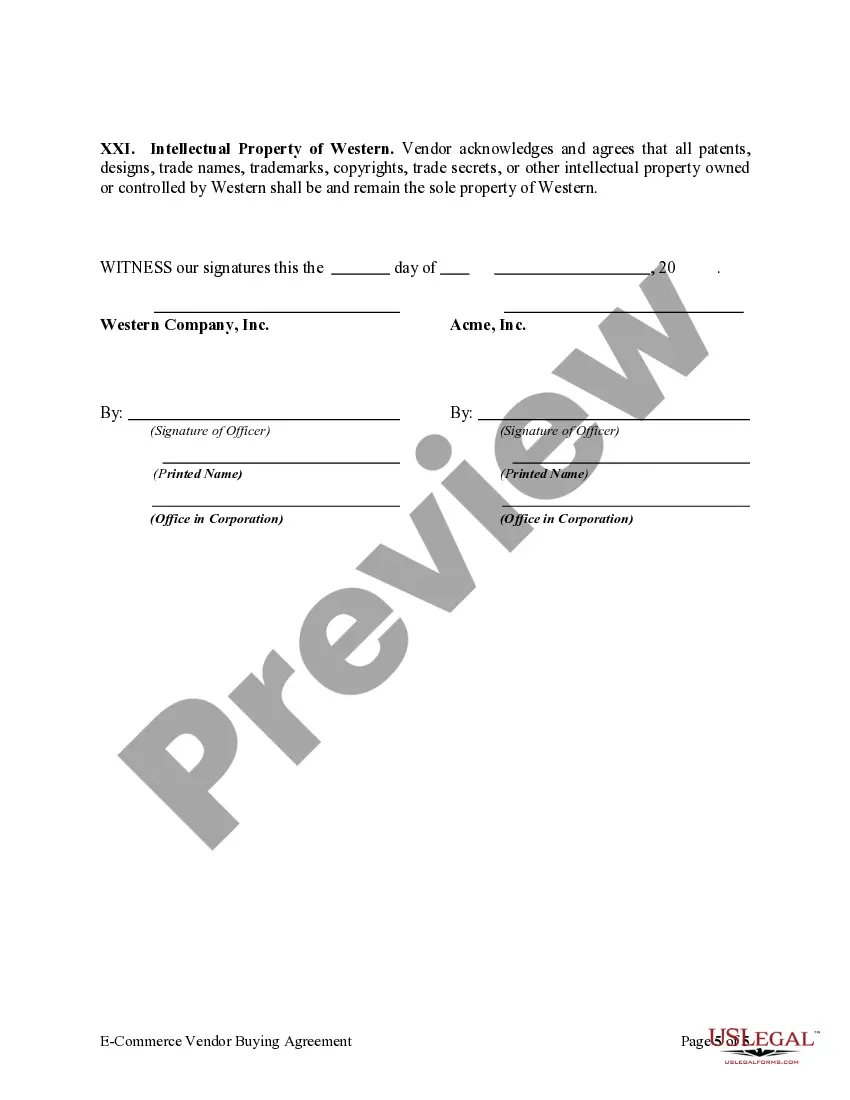

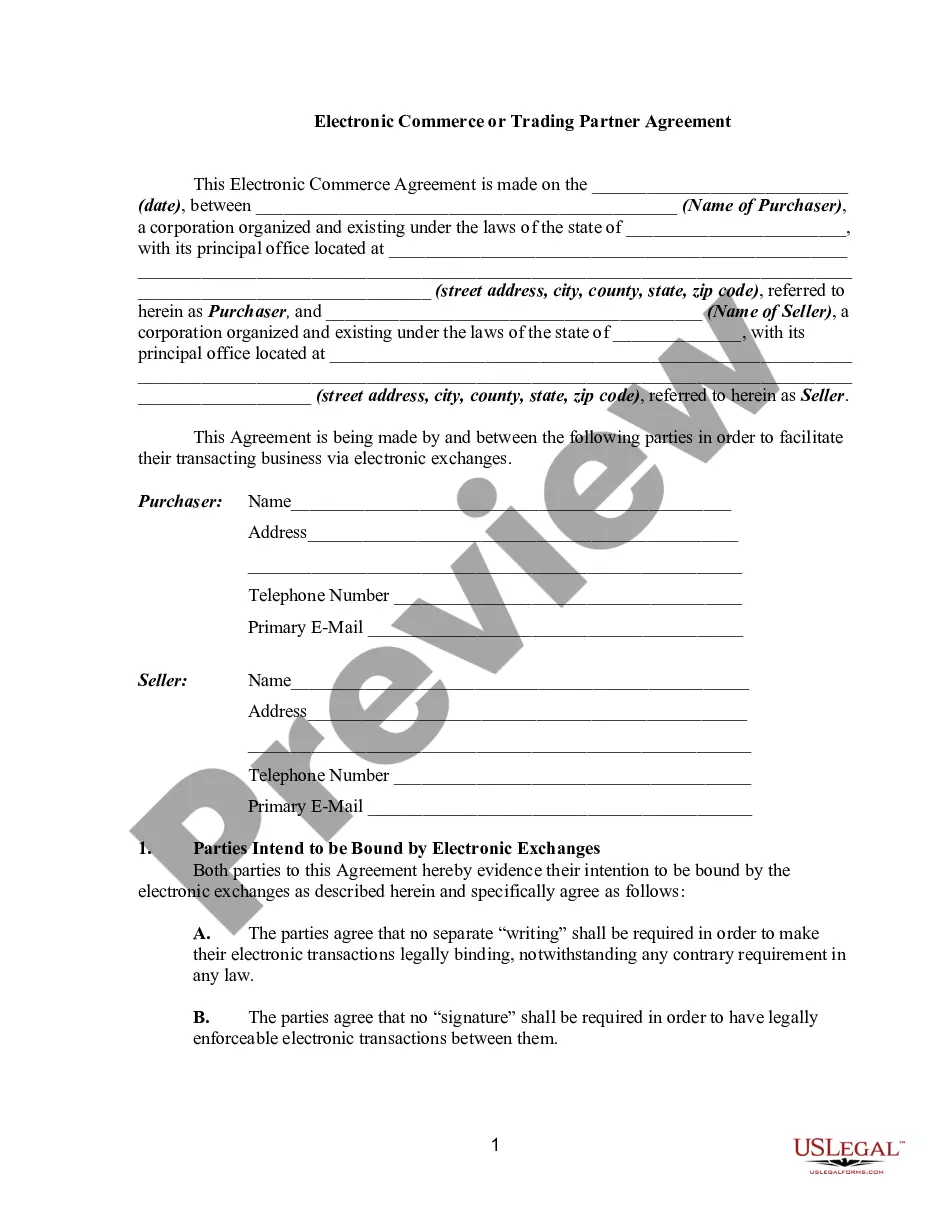
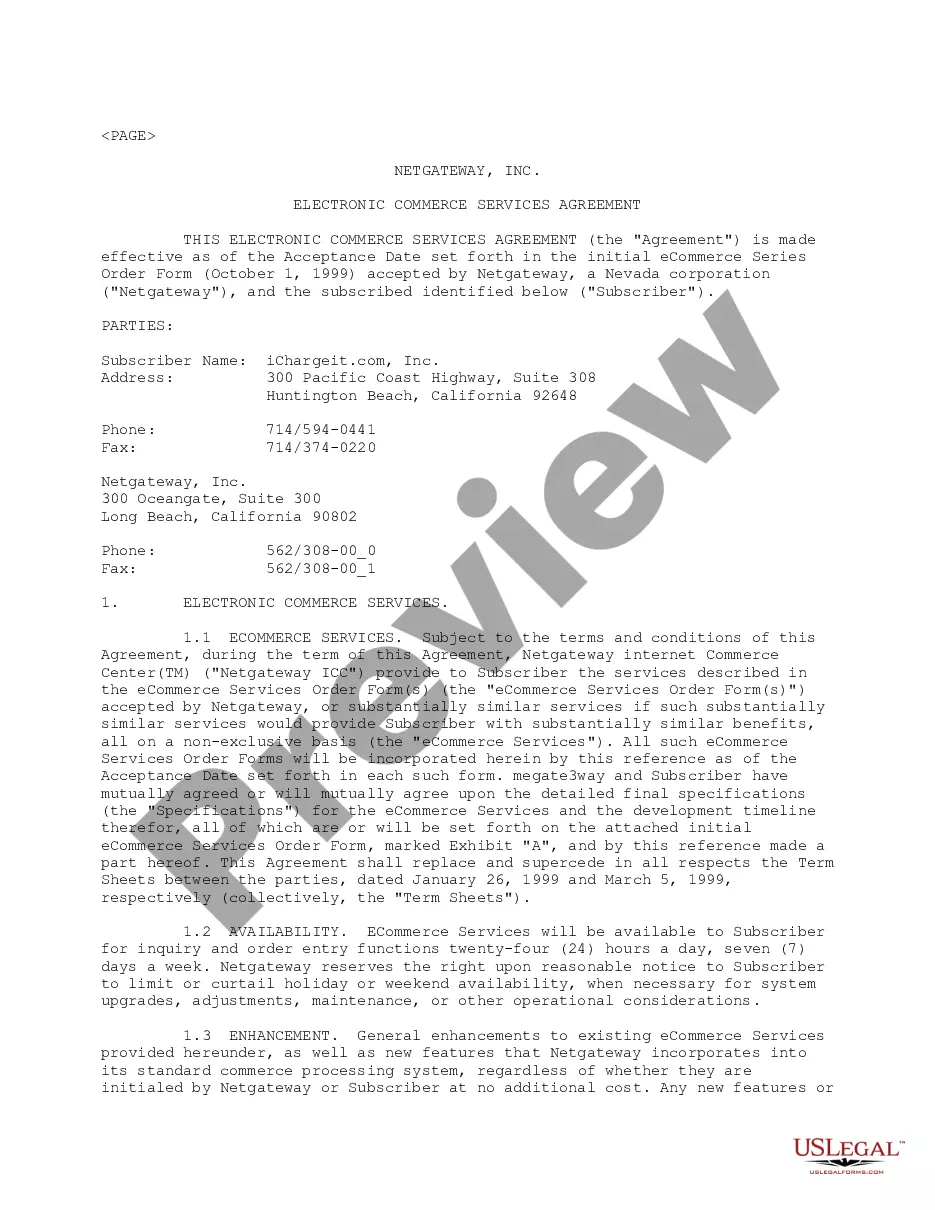
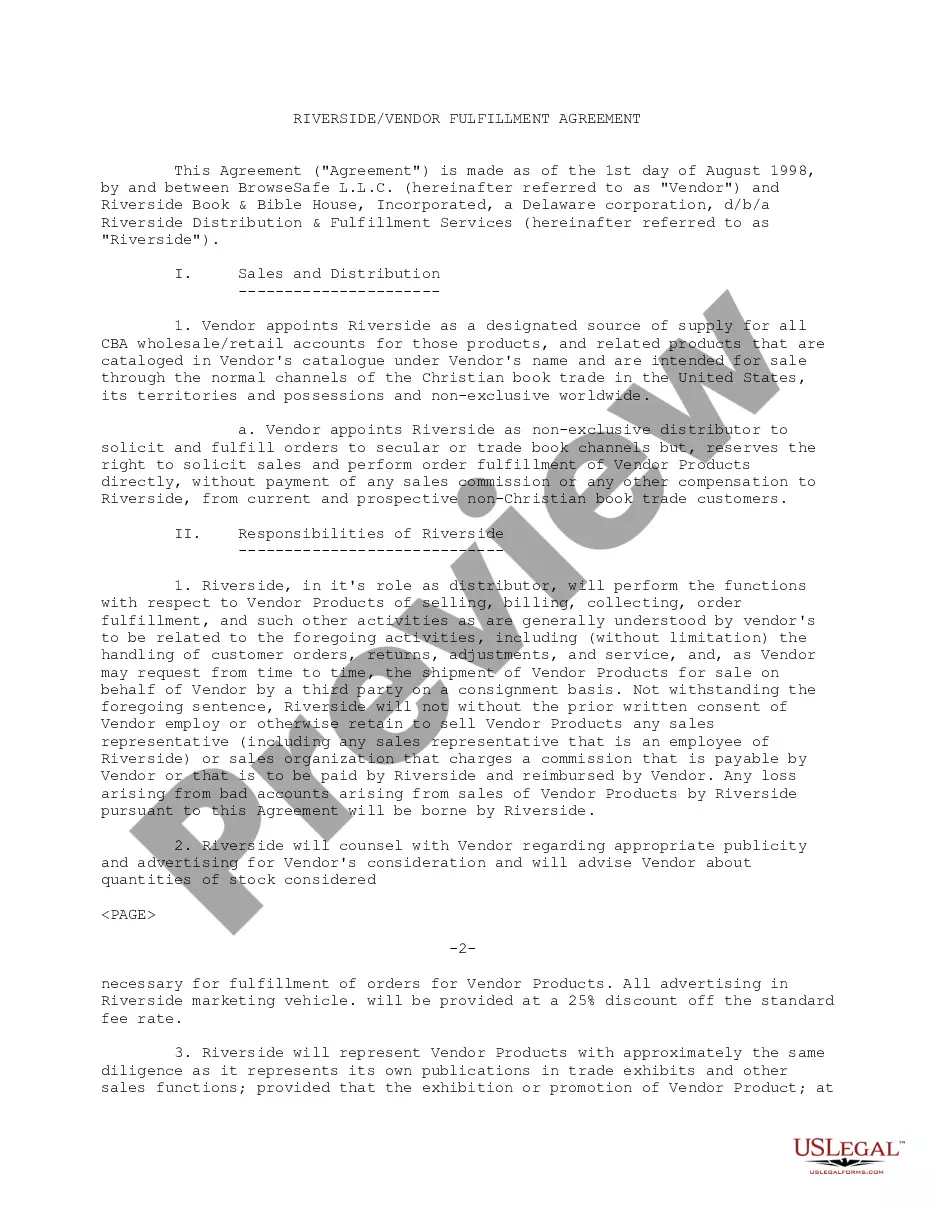
Get your form ready online
Our built-in tools help you complete, sign, share, and store your documents in one place.
Make edits, fill in missing information, and update formatting in US Legal Forms—just like you would in MS Word.
Download a copy, print it, send it by email, or mail it via USPS—whatever works best for your next step.
Sign and collect signatures with our SignNow integration. Send to multiple recipients, set reminders, and more. Go Premium to unlock E-Sign.
If this form requires notarization, complete it online through a secure video call—no need to meet a notary in person or wait for an appointment.
We protect your documents and personal data by following strict security and privacy standards.

Make edits, fill in missing information, and update formatting in US Legal Forms—just like you would in MS Word.

Download a copy, print it, send it by email, or mail it via USPS—whatever works best for your next step.

Sign and collect signatures with our SignNow integration. Send to multiple recipients, set reminders, and more. Go Premium to unlock E-Sign.

If this form requires notarization, complete it online through a secure video call—no need to meet a notary in person or wait for an appointment.

We protect your documents and personal data by following strict security and privacy standards.
Looking for another form?









Form popularity
FAQ
Apply for a state vendor's license Regardless, ensure you apply for authorization to sell goods and services to customers or other businesses. States might require you to submit documents like proof of insurance and your tax identification number before approving your license.
Find your Texas Vendor ID by first accessing the Provider Enrollment & Management System (PEMS). For answers on how to create a new account or logging in to an existing account, check out the PEMS video playlist on YouTube.
Find Your Texas Vendor ID 1) On the Provider Management page in the National Provider Identifier (NPI) search tool, type a 10-digit NPI and press Enter. 2) Once your request has processed, click the elipses (...) to the right of the provider or organization name of your choice. A box will appear. Click View.
Name if the Ein search provides no results the Ein is not always associated with your Franchise Tax.MoreName if the Ein search provides no results the Ein is not always associated with your Franchise Tax. Account. If you can't find your 11 digit taxpayer number you can contact us at 1-800-252-1381.
What do I need to know before applying for my Vendor Permit? A fully completed and notarized application. Insurance. Photo of the cart/stand. Diagram of specific location. Copy or photo of current/valid Texas Sales & Use Tax Permit. Copy or photo of current/valid Mobile Food Vendor Permit, if vending consumables.
Find Your Texas Vendor ID 1) On the Provider Management page in the National Provider Identifier (NPI) search tool, type a 10-digit NPI and press Enter. 2) Once your request has processed, click the elipses (...) to the right of the provider or organization name of your choice. A box will appear. Click View.
Step 1: Familiarize Yourself With the Industry. Step 2: Determine Your Business Goals. Step 3: Lay the Foundation to Become a Vendor. Step 4: Get Any Necessary Licensing or Registrations. Step 5: Market to and Network With Your Target Audience. Step 6: Negotiate Your First Sale. Step 7: Learn to Use the Vendor Portal.
A service-level agreement (SLA) defines the level of service expected from a vendor, laying out metrics by which service is measured, as well as remedies should service levels not be achieved. It is a critical component of any technology vendor contract.
A vendor contract (otherwise known as a vendor agreement) is a business contract between two parties covering the exchange of goods or services in return for compensation. Vendor contracts establish the business relationship conditions and include details on each party's obligations under the contract.
A standardized contract, also known as a standard form contract, is an agreement between two parties where one party sets the terms and the counterparty has little or no ability to change them.
