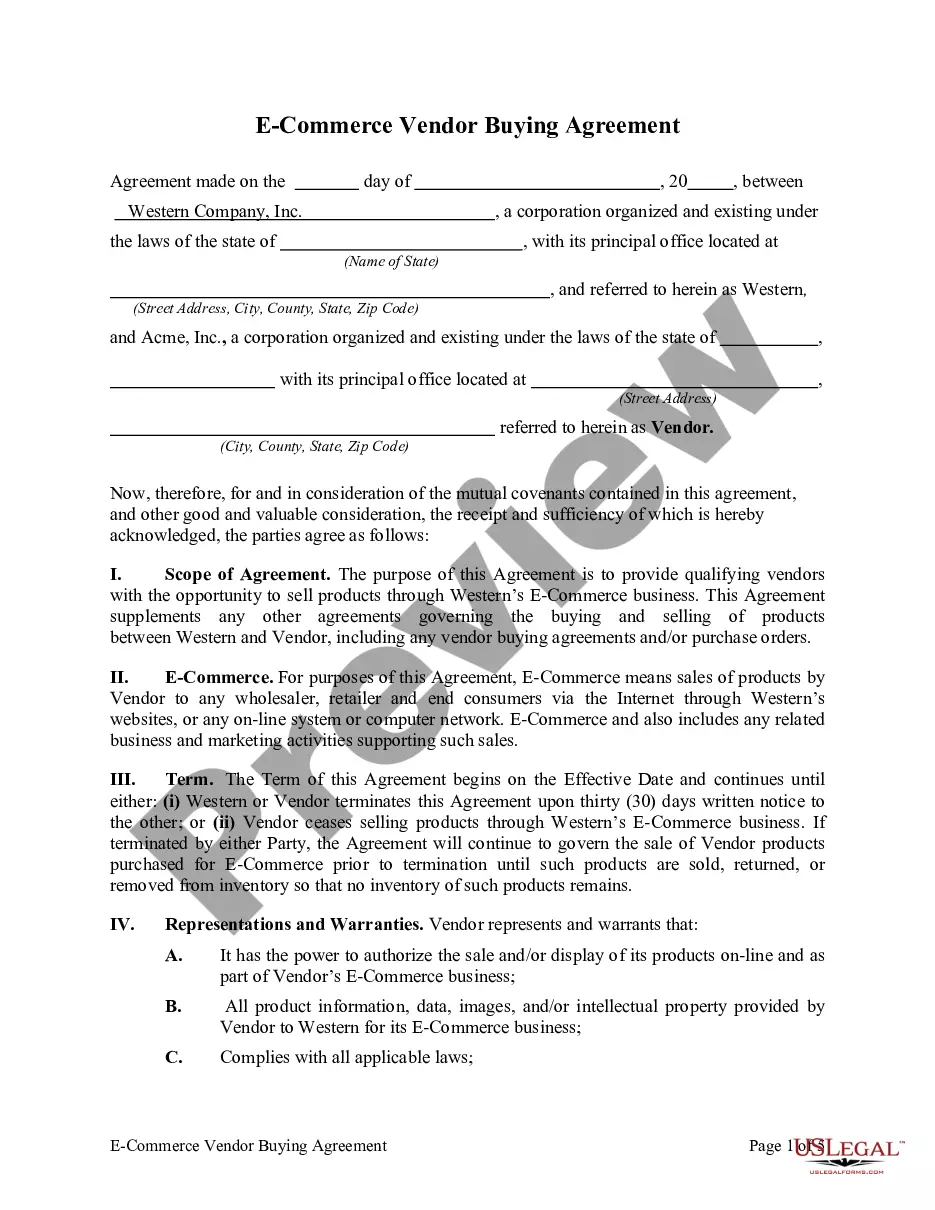
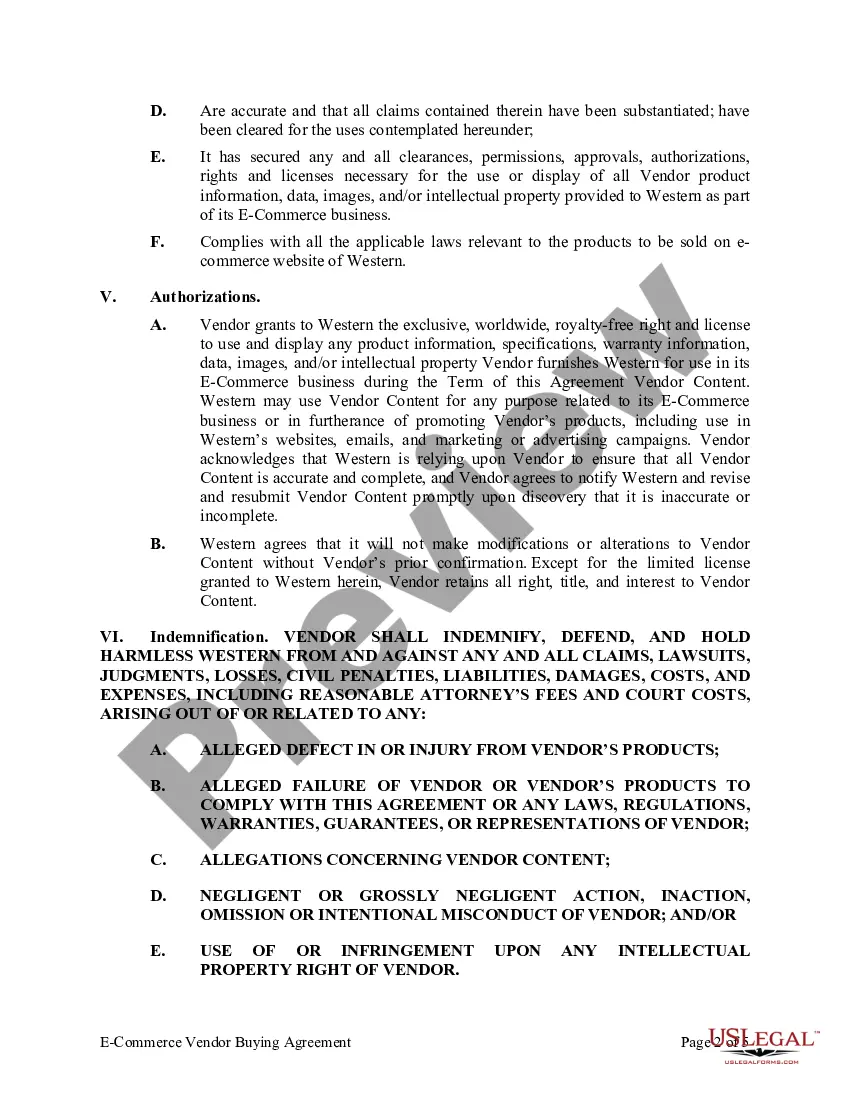
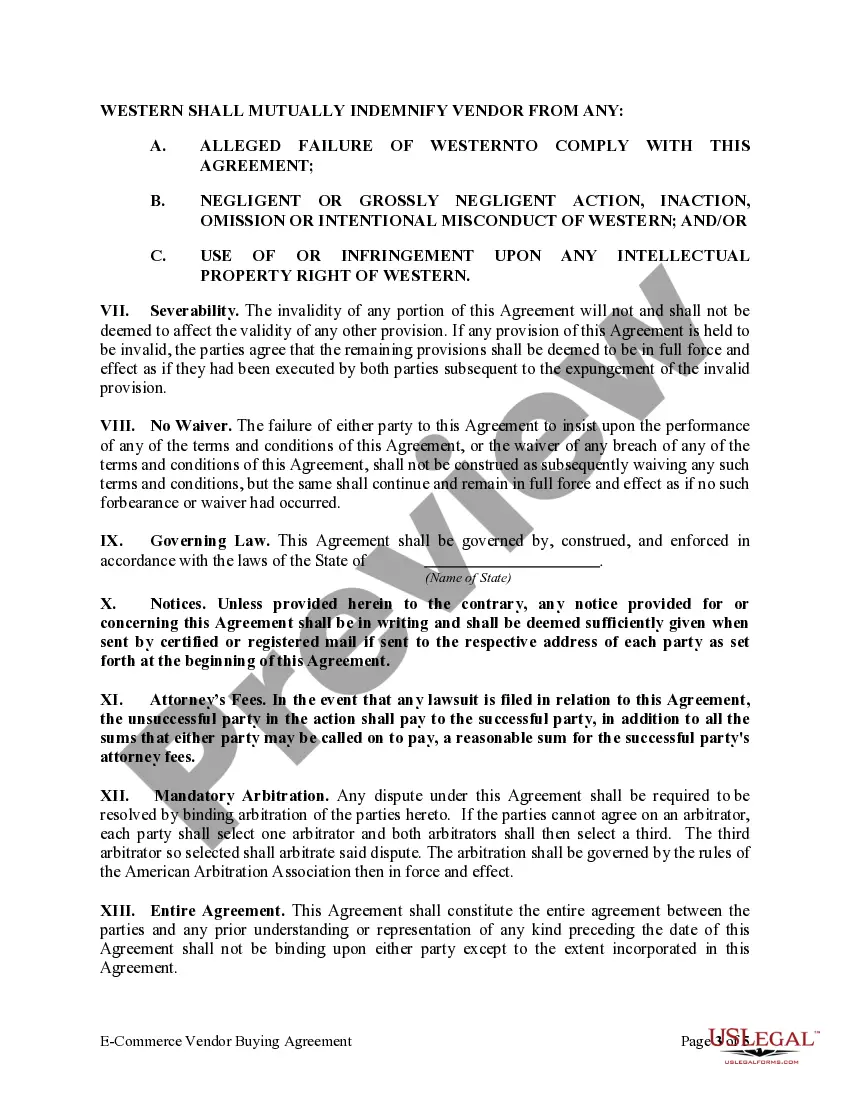
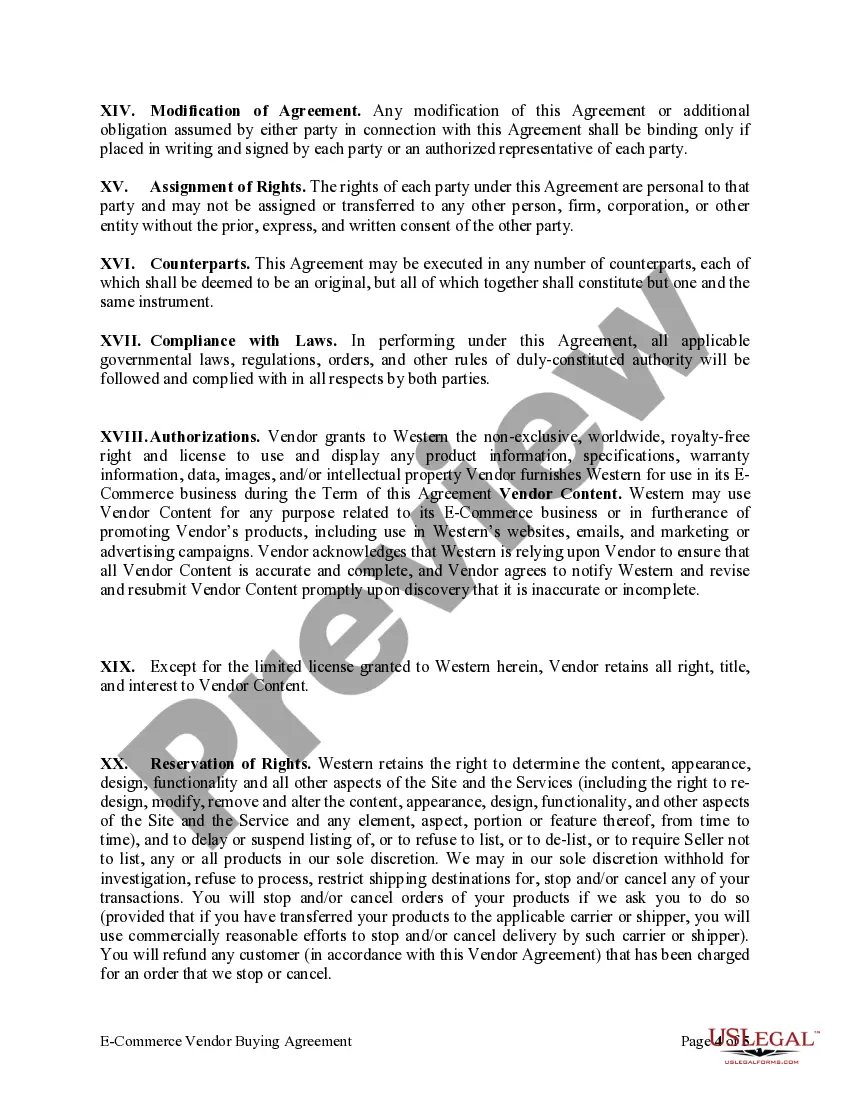
Vendor Agreement For Services In Pennsylvania
Description

Get your form ready online
Our built-in tools help you complete, sign, share, and store your documents in one place.
Make edits, fill in missing information, and update formatting in US Legal Forms—just like you would in MS Word.
Download a copy, print it, send it by email, or mail it via USPS—whatever works best for your next step.
Sign and collect signatures with our SignNow integration. Send to multiple recipients, set reminders, and more. Go Premium to unlock E-Sign.
If this form requires notarization, complete it online through a secure video call—no need to meet a notary in person or wait for an appointment.
We protect your documents and personal data by following strict security and privacy standards.

Make edits, fill in missing information, and update formatting in US Legal Forms—just like you would in MS Word.

Download a copy, print it, send it by email, or mail it via USPS—whatever works best for your next step.

Sign and collect signatures with our SignNow integration. Send to multiple recipients, set reminders, and more. Go Premium to unlock E-Sign.

If this form requires notarization, complete it online through a secure video call—no need to meet a notary in person or wait for an appointment.

We protect your documents and personal data by following strict security and privacy standards.
Looking for another form?


Form popularity
FAQ
Suppliers are vital business partners that offers specialized goods, services, or raw materials to another organization, commonly for manufacturing needs. Conversely, a vendor, often considered a type of supplier, is an entity that directly sells finished products or services to consumers or businesses.
Vendor contracts focus on services, performance metrics, and long-term engagements, while supplier contracts are more transactional, centered around the provision of raw materials, products, or goods. Connect with LinkSquares today and discover contract management solutions tailored to your organization's needs.
A vendor contract (otherwise known as a vendor agreement) is a business contract between two parties covering the exchange of goods or services in return for compensation.
The terms 'vendor' and 'supplier' are often used interchangeably, but they can refer to different roles in the supply chain. Technically, a supplier works in a B2B (business-to-business) context while a vendor works in a B2C (business-to-consumer) context.
If you are an online seller who prefers to file tax returns and remit Pennsylvania sales tax directly to the Department of Revenue, you need to register for a sales tax license.
All vendors selling new or used merchandise within the State of Pennsylvania are required by law to have a Pennsylvania State Sales Tax License (see PA Department of Revenue law on next page).
In Pennsylvania, cigarette stamping agents, wholesalers, retailers, and vending machine operators must be licensed as dealers by the PA Department of Revenue.
In addition to registration, wholesalers must obtain a license to operate in the state.
There is no general business license that all businesses are required to have in Pennsylvania. There might be a specific license based on your business activity . You can also find various business licensing reference guides within the Business One-Stop Help Center .
For businesses interested in contracting opportunities with the Pennsylvania's state government, the Pennsylvania Department of General Services hosts the PA eMarketplace, which has comprehensive information about contracting opportunities, registering to become a vendor for state government, signing up for project ...