Stockholders E Stakeholders
Description
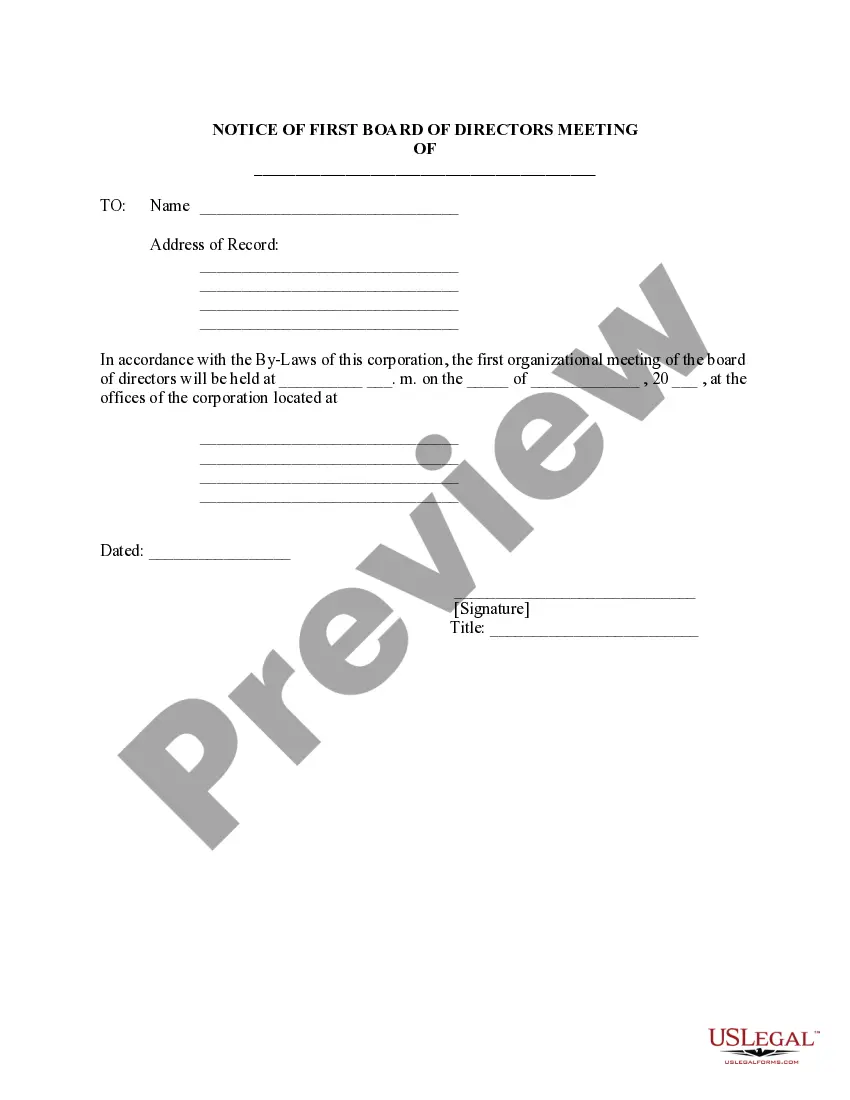


Get your form ready online
Our built-in tools help you complete, sign, share, and store your documents in one place.
Make edits, fill in missing information, and update formatting in US Legal Forms—just like you would in MS Word.
Download a copy, print it, send it by email, or mail it via USPS—whatever works best for your next step.
Sign and collect signatures with our SignNow integration. Send to multiple recipients, set reminders, and more. Go Premium to unlock E-Sign.
If this form requires notarization, complete it online through a secure video call—no need to meet a notary in person or wait for an appointment.
We protect your documents and personal data by following strict security and privacy standards.

Make edits, fill in missing information, and update formatting in US Legal Forms—just like you would in MS Word.

Download a copy, print it, send it by email, or mail it via USPS—whatever works best for your next step.

Sign and collect signatures with our SignNow integration. Send to multiple recipients, set reminders, and more. Go Premium to unlock E-Sign.

If this form requires notarization, complete it online through a secure video call—no need to meet a notary in person or wait for an appointment.

We protect your documents and personal data by following strict security and privacy standards.
Looking for another form?
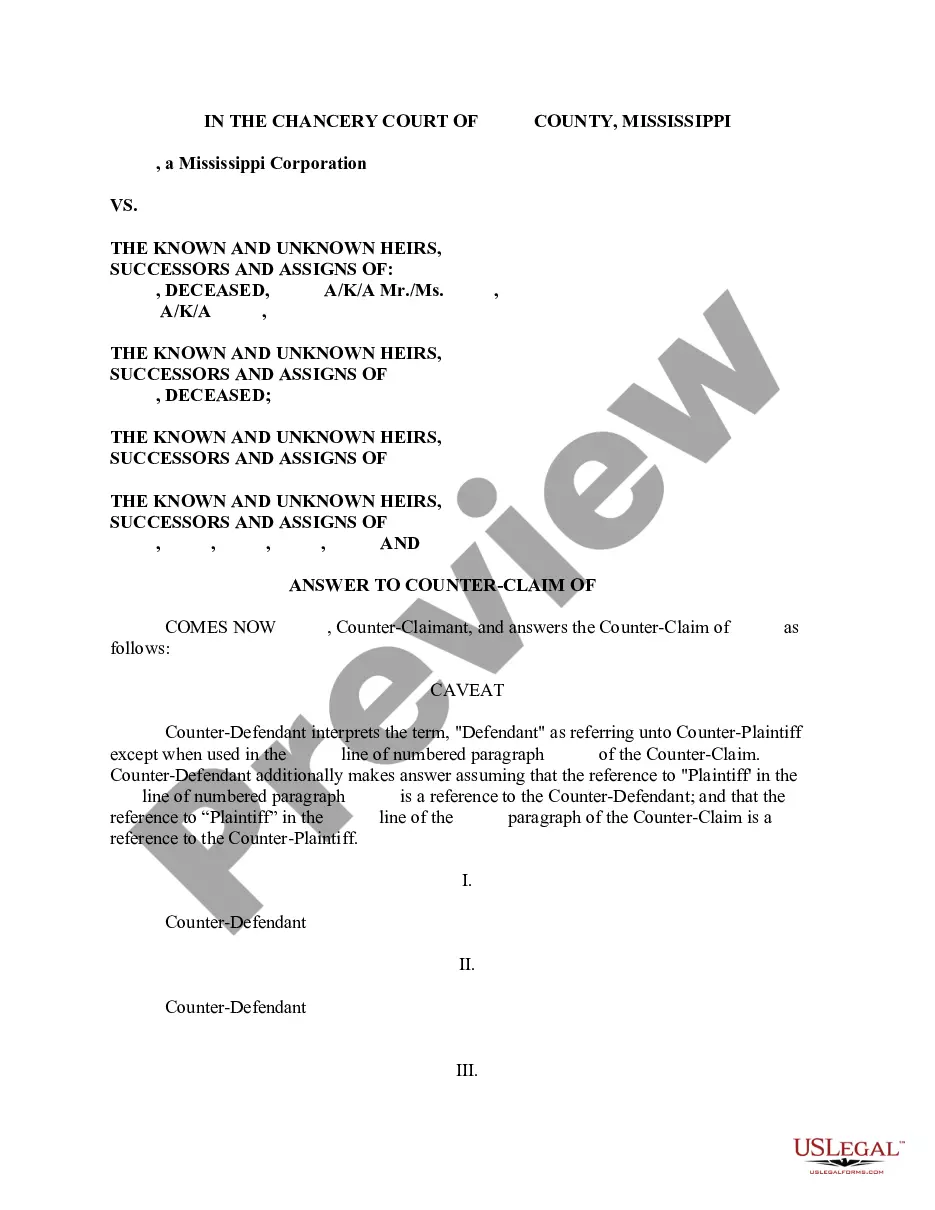

How to fill out Notice Of First Stockholders Meeting - Corporate Resolutions?
- If you're an existing user, log in to your account and ensure your subscription is active. Click on the Download button to save the desired form on your device.
- For new users, start by checking the Preview mode and form description to confirm that the selected document meets your needs and complies with local jurisdiction requirements.
- If adjustments are needed, utilize the Search tab to look for alternative templates that suit your criteria.
- Once you find the right form, click on the Buy Now button and choose your preferred subscription plan. Registration for an account will be required to access the extensive library.
- Complete the purchase by entering your payment information, either via credit card or PayPal.
- Finally, download the form to your device. Find the template later in the My Forms section of your profile for easy access.
In conclusion, US Legal Forms is your go-to resource for all legal form needs for stockholders e stakeholders. With a robust collection of forms, expertise at your fingertips, and a straightforward purchasing process, you can ensure your legal documents are completed accurately and efficiently.
Explore US Legal Forms today and streamline your legal documentation process!
Form popularity
FAQ
In Quizlet terms, the distinction between a stockholder and a stakeholder is outlined similarly to other sources. Stockholders own shares in a company and have a specific financial interest, while stakeholders have a broader array of interests that may not be financially based. Resources like Quizlet provide simple definitions and examples that clarify the roles of stockholders e stakeholders, helping users grasp these important concepts.
Yes, the owners of a company are typically referred to as stockholders if they hold shares in the organization's equity. Their ownership entitles them to certain rights, such as voting on company matters and receiving dividends. Understanding the term stockholders helps clarify the relationship between the owners and other stockholders e stakeholders in the organization's operations.
The difference between stakeholders and stockholders lies primarily in ownership and involvement. Stakeholders include a broader group of individuals and entities that can affect or be affected by business activities, while stockholders are specifically individuals who own stock in the company. Recognizing these distinctions helps businesses navigate relationships effectively and manage the interests of stockholders e stakeholders alike.
Both terms, stakeholders and stockholders, exist, but they refer to slightly different concepts. Stakeholders encompass anyone who has an interest in the company, including employees and customers, while stockholders specifically refer to those who own shares. It's important to clarify the context to ensure effective communication when discussing stockholders e stakeholders.
Yes, a shareholder is always considered a stakeholder because they have a financial interest in the company's performance. However, not all stakeholders are shareholders. Other stakeholders, such as employees, customers, and suppliers, influence the company’s operations without holding shares. Recognizing this distinction is crucial for understanding the dynamics within business environments regarding stockholders e stakeholders.
In a business context, you can typically identify four major types of stakeholders: employees, customers, suppliers, and shareholders. Each group plays a unique role in the success of the company. Employees contribute their labor and expertise, customers drive demand for products or services, suppliers provide necessary materials, and shareholders invest capital. Understanding these categories helps clarify the broader concept of stockholders e stakeholders.
Absolutely, stockholders can be stakeholders. In the discussion around stockholders e stakeholders, it is clear that stockholders hold a financial interest in the company and thus are part of its stakeholder community. Their involvement goes beyond mere financial transactions; they are integral to shaping the company's future. Exploring this relationship can provide deeper insights into corporate dynamics.
Yes, shareholders are definitely stakeholders. In the realm of stockholders e stakeholders, this relationship highlights how shareholders have vested interests in the company's achievements. Their financial contributions influence the company's direction and sustainability. Recognizing this connection can enhance how companies engage with their shareholders.
Yes, shareholders do count as stakeholders. In the context of stockholders e stakeholders, all shareholders are stakeholders because they invest in the company's future. Their financial input makes them vital to the organization, as they have a significant interest in its growth and profitability. Understanding this relationship is crucial for effective corporate governance.
Yes, a shareholder is indeed considered a stakeholder. When we talk about stockholders e stakeholders, we refer to individuals or entities that have an interest in the company's performance. Shareholders own shares in the company, giving them a financial stake in its success. Therefore, their interests align with the broader goals of the organization.
