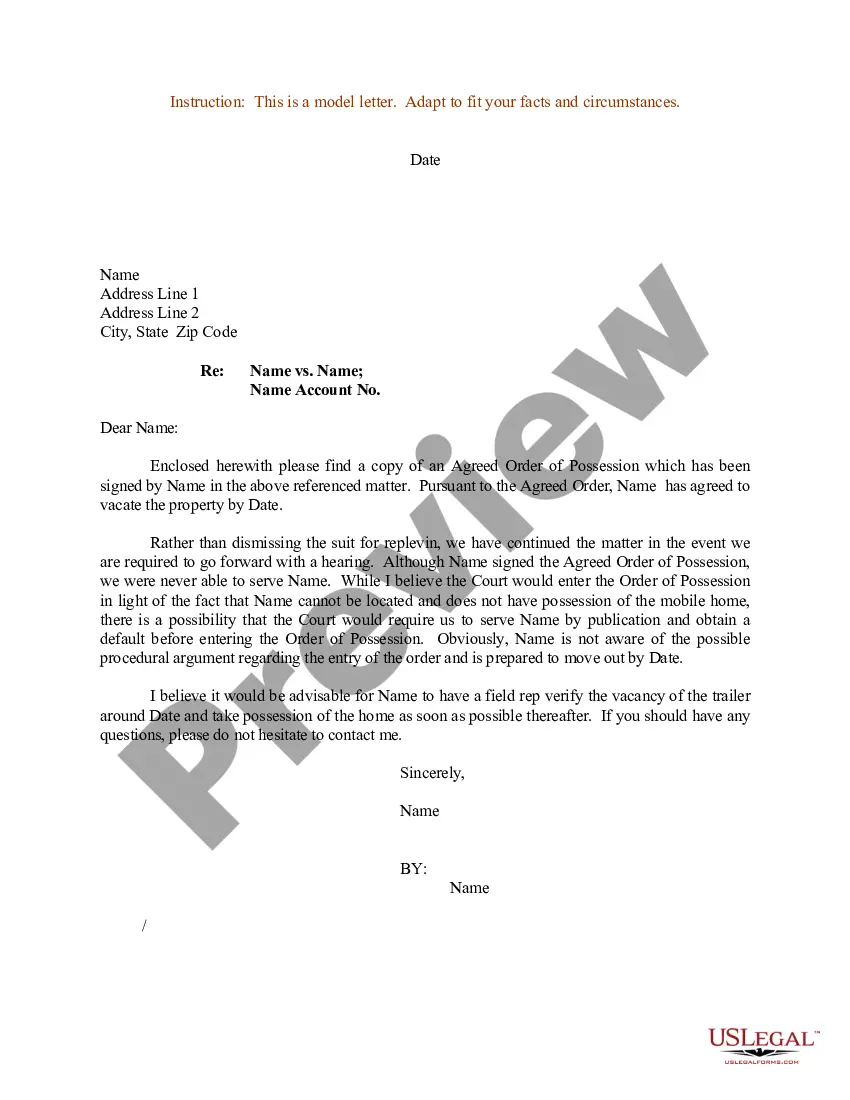
Court Letter Sample With Reference In Sacramento
Description



Get your form ready online
Our built-in tools help you complete, sign, share, and store your documents in one place.
Make edits, fill in missing information, and update formatting in US Legal Forms—just like you would in MS Word.
Download a copy, print it, send it by email, or mail it via USPS—whatever works best for your next step.
Sign and collect signatures with our SignNow integration. Send to multiple recipients, set reminders, and more. Go Premium to unlock E-Sign.
If this form requires notarization, complete it online through a secure video call—no need to meet a notary in person or wait for an appointment.
We protect your documents and personal data by following strict security and privacy standards.

Make edits, fill in missing information, and update formatting in US Legal Forms—just like you would in MS Word.

Download a copy, print it, send it by email, or mail it via USPS—whatever works best for your next step.

Sign and collect signatures with our SignNow integration. Send to multiple recipients, set reminders, and more. Go Premium to unlock E-Sign.

If this form requires notarization, complete it online through a secure video call—no need to meet a notary in person or wait for an appointment.

We protect your documents and personal data by following strict security and privacy standards.
Looking for another form?







Form popularity
FAQ
In California, a demand letter often must be sent before filing a lawsuit.
Frequently Asked Questions (FAQ) Type your letter. Concisely review the main facts. Be polite. Write with your goal in mind. Ask for exactly what you want. Set a deadline. End the letter by stating you will promptly pursue legal remedies if the other party does not meet your demand. Make and keep copies.
The Small Claims Hearing When submitting evidence, you must complete form LASC CIV 278 and use LASC CIV 279 mailing labels. You will have to provide proof that the other parties were sent copies of your evidence. You can get this from the Post Office at the time you mail these forms.
In California, you're typically required to send a small claims demand letter to the defendant before filing a small claims case.
For California small claims, you don't have to “serve” a demand letter. You just have to send the demand letter. You can send it by mail, email, or hand delivery, or you can text the demand letter.
Go to the Civil Records Unit in the Gordon D. Schaber Sacramento County Courthouse Room 102, or call the Civil Records Unit at 916-874-7186. Most civil court files are public records and may be viewed by anyone. To see a court file, you must present valid picture identification, such as a current driver's license.
How to submit evidence for your hearing Get copies of documents that help support your case. Attach or file these with your Request for Order or Responsive Declaration so the judge can consider them at the hearing. Get statements from any witnesses. File and serve your documents and statements.
To file or defend a case in small claims court, you must be (a) at least 18 years old or legally emancipated, and (b) mentally competent. A person must be represented by a Guardian ad Litem if he or she is under 18 and not legally emancipated, or has been declared mentally incompetent by a court.
Demand Letter Components Facts of the case. An outline of what happened. Statement of the issue. A brief description of the problem. Demand. The dollar amount or action necessary to resolve the case. Response deadline. The date by which the recipient must respond. Noncompliance consequences.
Demand Letter Components Facts of the case. An outline of what happened. Statement of the issue. A brief description of the problem. Demand. The dollar amount or action necessary to resolve the case. Response deadline. The date by which the recipient must respond. Noncompliance consequences.

