Court Letter Sample With Reason In Oakland
Description




Get your form ready online
Our built-in tools help you complete, sign, share, and store your documents in one place.
Make edits, fill in missing information, and update formatting in US Legal Forms—just like you would in MS Word.
Download a copy, print it, send it by email, or mail it via USPS—whatever works best for your next step.
Sign and collect signatures with our SignNow integration. Send to multiple recipients, set reminders, and more. Go Premium to unlock E-Sign.
If this form requires notarization, complete it online through a secure video call—no need to meet a notary in person or wait for an appointment.
We protect your documents and personal data by following strict security and privacy standards.

Make edits, fill in missing information, and update formatting in US Legal Forms—just like you would in MS Word.

Download a copy, print it, send it by email, or mail it via USPS—whatever works best for your next step.

Sign and collect signatures with our SignNow integration. Send to multiple recipients, set reminders, and more. Go Premium to unlock E-Sign.

If this form requires notarization, complete it online through a secure video call—no need to meet a notary in person or wait for an appointment.

We protect your documents and personal data by following strict security and privacy standards.
Looking for another form?
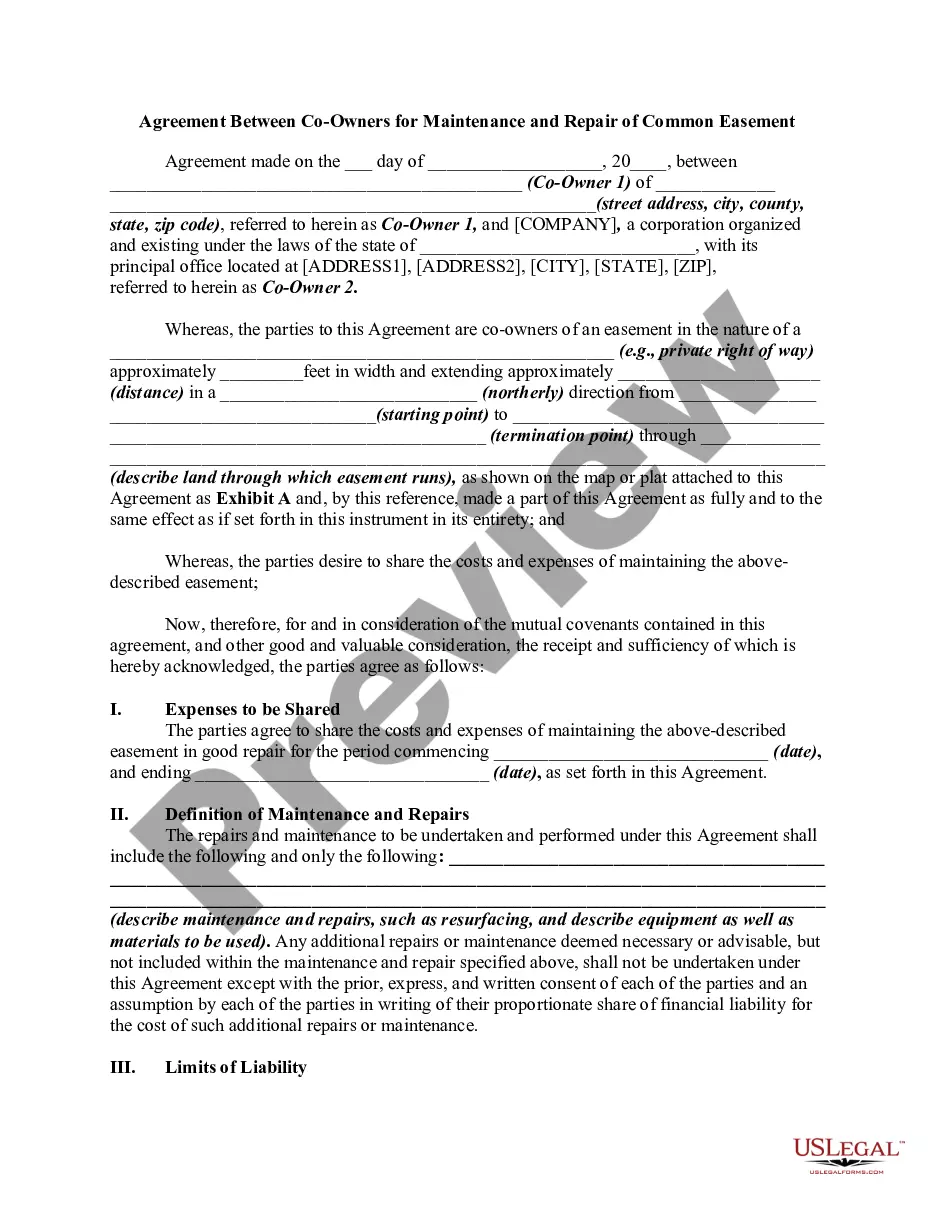


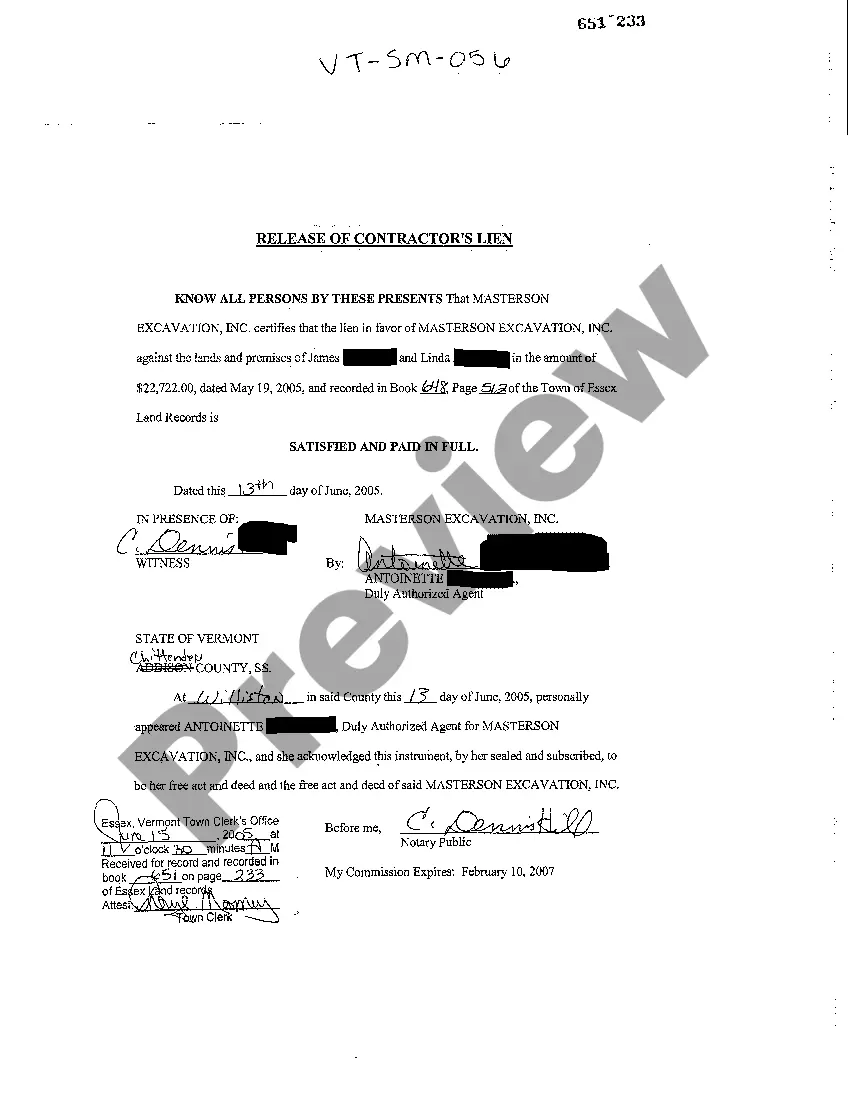



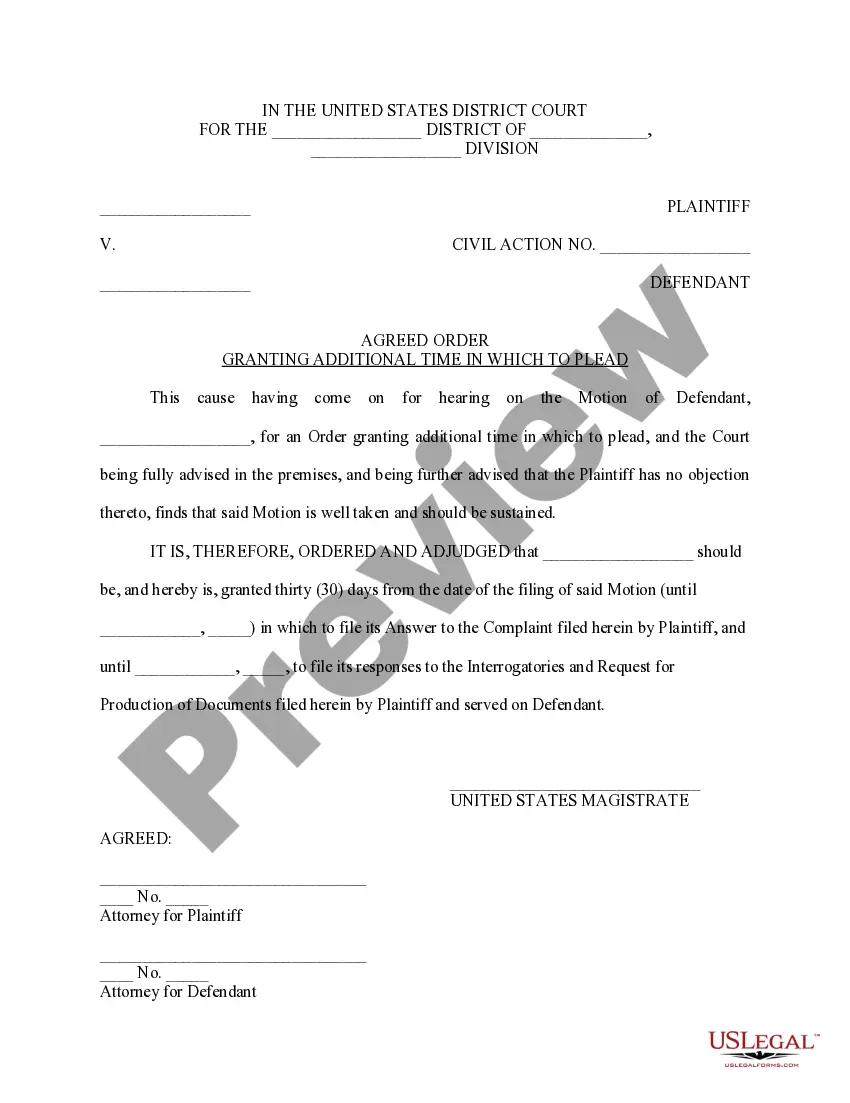


Form popularity
FAQ
Monetary Limits for Small Claims Court: The amount in dispute may not exceed $10,000 for a natural person. If you are filing on behalf of a business the limit of your claim may not exceed $5,000.
The Judicial Council adopts legal forms in one of two ways. Under Government Code section 68511, the council may "prescribe" certain forms. Use of those forms is mandatory. The council may also "approve" forms.
Superior Court of Alameda County.
Rule 10.1 - Authority, duties, and goals of the Judicial Council (a) The Judicial Council (1) The Judicial Council of California is a state entity established by the California Constitution and chaired by the Chief Justice of California.
California Judicial Council Forms are pre approved pleadings for filing with the Court.
The California Constitution directs the Judicial Council to provide policy guidelines to the courts, make recommendations annually to the Governor and Legislature, and adopt and revise California Rules of Court in the areas of court administration, practice, and procedure.
If your tenant won't fix the problem or move out, you'll have to go through the court to get an order for them to move out. The eviction process can take 30 - 45 days, or longer. The time starts from when you have eviction court forms delivered to your tenant to the time they must move out.
If you have lived in the rental unit for less than one year, then you will receive a 30-day notice to quit, which gives you 30 days to move out of the rental unit.
Just Cause is Required for Eviction (Oakland Municipal Code, Section 8.22. 300) Material violation of rental agreement after written notice to stop. Causing substantial damage to the unit. Tenant continues to disturb the peace and quiet enjoyment of other tenants after written notice to stop.
If you don't do what your landlord asks, they can start an eviction case to ask the judge to order you to move out. After the landlord gives you the Notice it can take 30-45 days, or longer, for the eviction case to end. If you lose the case, the judge can order you to move out of your home.

